How Long Do Oxygen Sensors Last on Average?
Most oxygen sensors last 60,000 to 100,000 miles. Mileage alone does not decide replacement: use it as a guide, then confirm with symptoms and diagnostics. Replace sooner if fuel trim, diagnostic codes, or drivability changes point to a failing sensor. If the evidence is mixed, keep testing before you replace.
What does an oxygen sensor do?
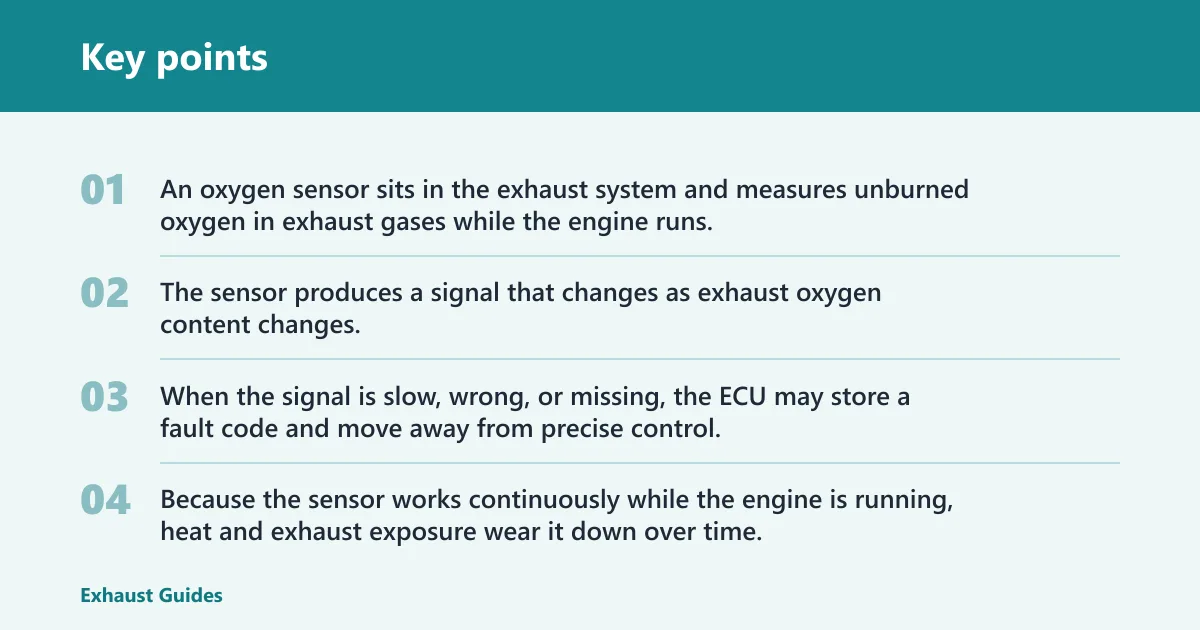


An oxygen sensor sits in the exhaust system and measures unburned oxygen in exhaust gases while the engine runs. The ECU uses that data to adjust fuel delivery so the engine can stay near the right air-fuel mixture as load, temperature, and throttle change.
How does the sensor measure exhaust oxygen?
The sensor produces a signal that changes as exhaust oxygen content changes. That signal is part of the feedback loop the ECU uses to correct mixture in real time. When the signal is slow, wrong, or missing, the ECU may store a fault code and move away from precise control.
How does the ECU use that data?
The engine control unit receives the oxygen sensor signal, adjusts the air-fuel mixture, and stores diagnostic trouble codes when the signal is delayed or incorrect. Because the sensor works continuously while the engine is running, heat and exhaust exposure wear it down over time.
How long do oxygen sensors last?
Most oxygen sensors last 60,000 to 100,000 miles. That range is a guide, not a replacement rule. Driving style, engine condition, oil or coolant burning, and exhaust leaks can shorten life before the mileage band ends, while cleaner-running vehicles may go longer without trouble.
What shortens an oxygen sensor’s life fastest?
Heat cycling is the biggest long-term stress because the sensor heats and cools every trip. Contaminants also shorten life quickly, especially oil ash, coolant residue, and rich-running soot. Exhaust leaks matter too, because they can change the sample the sensor reads and create fault symptoms that look like a bad sensor.
Modern sensor materials and later vehicle generations can change that expectancy. Some vehicles use more durable designs than older blanket advice suggests, but the useful rule is still the same: mileage gives you a window, then symptoms and diagnostics decide whether replacement is due.
Upstream vs downstream sensors: what’s the difference?
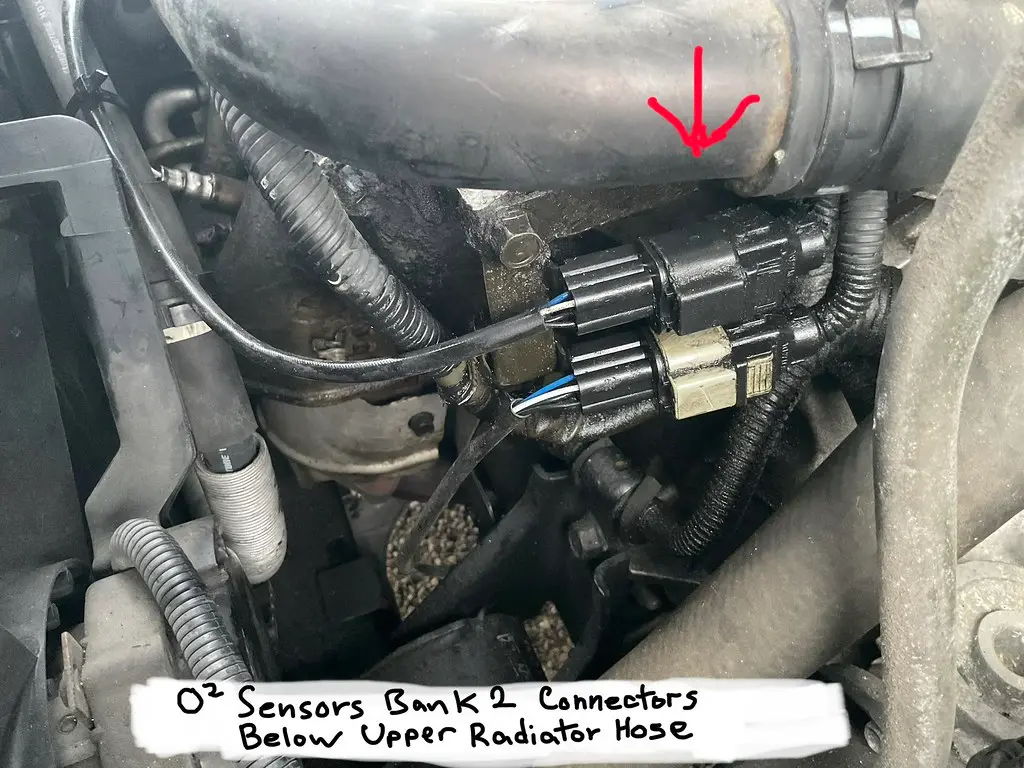
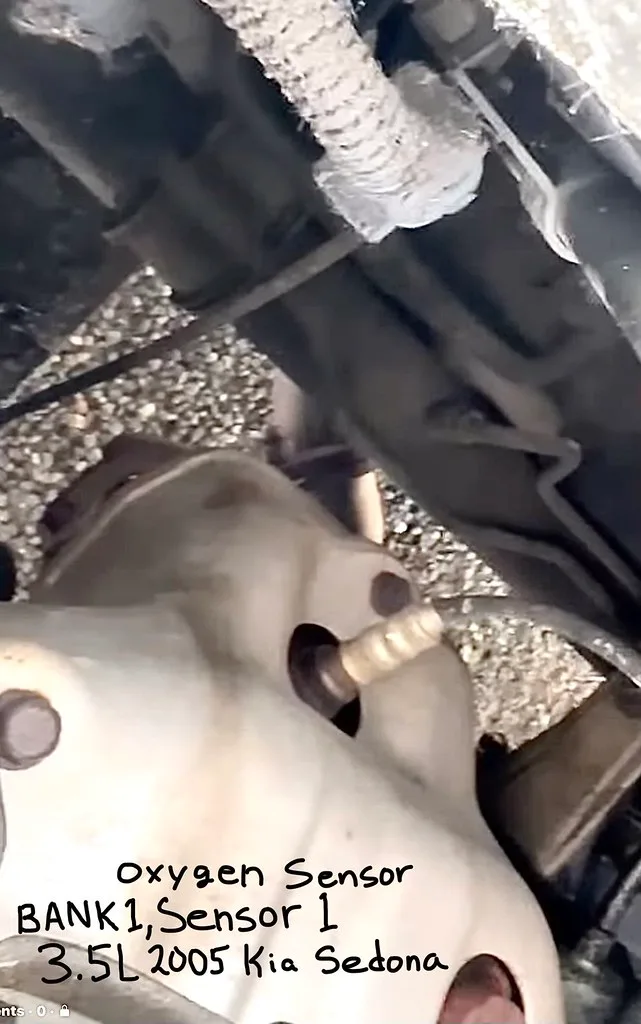
Upstream oxygen sensors are typically located in front of the catalytic converter and are used for air-fuel mixture control. Downstream oxygen sensors are typically located behind the catalytic converter and are used mainly to monitor catalyst efficiency. They do not usually fail in exactly the same way, and they do not matter equally for drivability.
What do upstream sensors do?
An upstream sensor directly affects how the ECU trims fuel. When it fails, the common signs are poor fuel economy, rough idling, hesitation, and a check engine light. A bad upstream signal can also make the engine run too rich or too lean, which is why it deserves faster attention.
What do downstream sensors do?
A downstream sensor mainly watches whether the catalytic converter is doing its job. If it fails, drivability may stay mostly normal, but emissions monitoring suffers and the ECU may set a code. That makes downstream faults easier to overlook until an inspection or warning light forces the issue.
Two oxygen sensors are typical in 4-cylinder engines, and four oxygen sensors are common to V6 and V8 engines. More sensors mean more possible failure points, but also more chances to separate a true sensor fault from a wiring, leak, or catalyst problem.
What symptoms point to a failing sensor?
A failing oxygen sensor often shows up as a warning light, worse fuel economy, or unstable idle, but the exact symptoms depend on whether the sensor is upstream or downstream. A bad sensor can still let the car run normally, so symptoms often point to control quality rather than an outright no-start problem.
What drivability symptoms should you watch for?
Upstream sensor failure can cause rough idling, hesitation on tip-in, and poor fuel economy. If the signal is wrong enough, the ECU may compensate in a way that makes throttle response feel flat or uneven. These symptoms matter more than mileage when they appear together.
What emissions and warning-light clues matter?
Failed oxygen sensors can trigger the check engine light, and onboard diagnostics can identify oxygen sensor faults. That light alone does not prove the sensor is bad, but it does mean the ECU has seen a signal problem worth checking. Downstream faults often show up here first.
Replace now or keep testing?
| mileage band | symptoms | likely cause | recommended next diagnostic step | replacement urgency for upstream vs downstream sensors |
|---|---|---|---|---|
| Under 60,000 miles | Check engine light, but no drivability change | Could be wiring, connector corrosion, exhaust leak, or sensor fault | Read DTCs, inspect wiring and connectors, then check sensor voltage signals | Upstream: test first unless signals are clearly wrong. Downstream: usually keep testing unless the code and data point directly to the sensor. |
| 60,000 to 100,000 miles | Poor fuel economy, rough idle, hesitation, or repeated oxygen-sensor codes | Often an aging upstream sensor, but exhaust leaks or fuel-control faults can mimic it | Verify fuel-trim data, scan DTCs, and inspect for leaks before replacement | Upstream: moderate to high urgency if symptoms line up. Downstream: medium urgency unless catalyst-efficiency diagnosis points elsewhere. |
| Over 100,000 miles | Intermittent codes, slow response, or emission-test failure | Aging sensor is more likely, but not guaranteed | Check voltage response and wiring, then compare upstream and downstream readings | Upstream: replace soon if response is slow or biased. Downstream: replace if monitoring fails after wiring and leak checks. |
| Any mileage | Lean or rich running, misfire, burning oil, or coolant loss | Sensor may be reacting to another engine fault | Find the engine problem first, then reassess the sensor | Upstream: do not replace blindly. Downstream: low urgency until the root cause is fixed. |
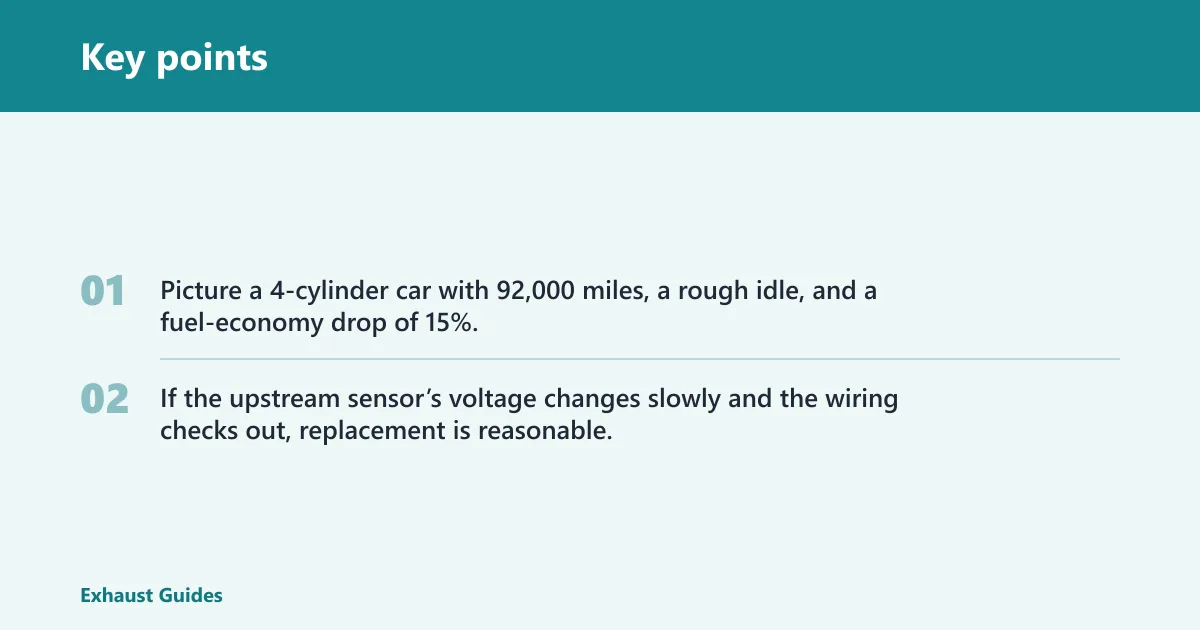
Picture a 4-cylinder car with 92,000 miles, a rough idle, and a fuel-economy drop of 15%. If the upstream sensor’s voltage changes slowly and the wiring checks out, replacement is reasonable. If the same car also has an exhaust leak ahead of the sensor, fix the leak first, because the sensor may be reporting bad data from bad airflow.
How do you tell sensor failure from other faults?
Diagnosis should start with DTCs, then move to sensor voltage signals, wiring, connectors, and exhaust leaks. That order matters because a sensor can look bad when the real problem is damaged wiring, a poor ground, a loose connector, or a leak that changes the exhaust sample before it reaches the sensor.
-
Read the stored codes.
Use onboard diagnostics to identify oxygen sensor faults and note whether the code points to upstream or downstream control. The code narrows the problem, but it does not settle it. -
Check voltage behavior.
Watch the sensor voltage signal for slow response, flat lines, or readings that do not match engine changes. A good sensor should react to throttle and mixture changes in a way that makes sense for its location. -
Inspect wiring and connectors.
Look for heat damage, broken insulation, corrosion, and loose terminals. A poor connection can create the same warning light and poor signal pattern as a worn sensor. -
Verify exhaust integrity.
Check for leaks before and around the sensor, especially near the manifold, pipe joints, and flex sections. Exhaust leaks can mimic oxygen sensor problems and can also confuse fuel-trim diagnosis. -
Compare sensor roles.
If the upstream sensor is biased or slow, expect fueling symptoms. If the downstream sensor is setting catalyst-efficiency codes with otherwise normal drivability, the catalytic converter may deserve more attention than the sensor.
Suppose a V6 sets a downstream code at 128,000 miles, but idle quality is normal and fuel trim is steady. That pattern points away from drivability loss and toward catalyst monitoring, wiring, or a converter issue. Replacing the sensor alone may not solve the fault if the converter is aging or the harness is damaged.
When is the catalytic converter the real concern?
The downstream sensor checks catalytic converter efficiency, so a downstream code can warn about the converter rather than the sensor itself. Long-term incorrect air-fuel ratios can damage the catalytic converter, especially if an upstream sensor has been skewing mixture for a long time. That is why replacement should follow diagnosis, not replace it.
Should you replace oxygen sensors on mileage or symptoms?
Use mileage as the first filter, then let symptoms and diagnostics decide. At around 60,000 to 100,000 miles, replacement becomes reasonable if the sensor is slow, biased, or paired with matching codes. Before that range, or when the evidence is mixed, keep diagnosing instead of replacing on age alone.
When is mileage enough?
Mileage can be enough when the sensor is in the upper part of the typical range and the signal is weak or slow, especially on the upstream side. If the vehicle has repeated sensor codes and no wiring, leak, or fuel-system explanation, a worn sensor is the most practical fix.
When do symptoms override mileage?
Symptoms matter more than the odometer when fuel economy drops, idle quality worsens, or the check engine light returns after clearing. A bad oxygen sensor may still let the car run, but that does not make it harmless. If the upstream sensor is lying, the ECU may keep correcting fuel in the wrong direction.
When should you keep diagnosing instead of replacing?
Keep testing when the mileage is low, the code is ambiguous, or the failure pattern does not fit the sensor’s job. Exhaust leaks, wiring faults, connector problems, misfires, oil burning, and coolant loss can all create false oxygen-sensor symptoms. Replacing the part first can waste money and miss the real fault.
Frequently asked questions
How long do oxygen sensors last in cars?
Most oxygen sensors last 60,000 to 100,000 miles. That range is common, but not fixed. Upstream sensors usually deserve more attention because they control fuel mixture, while downstream sensors often stay unnoticed until an emissions code or inspection failure reveals the problem.
How often do O2 sensors go bad?
They usually go bad gradually rather than all at once. Heat cycling, exhaust exposure, contamination, and leaks wear them over time. If a vehicle has repeated codes, fuel-economy loss, or slow sensor response after 100,000 miles, failure becomes more likely than on a lower-mileage car.
Can a bad oxygen sensor still let the car run normally?
Yes. A faulty oxygen sensor may let the car keep running, especially if the problem is downstream. The engine can still operate, but fuel control may be less accurate, emissions may rise, and a bad upstream sensor can cause rough idle, hesitation, or poor fuel economy.
What symptoms mean an oxygen sensor is near the end of its life?
Common signs include a check engine light, poor fuel economy, rough idling, hesitation, and repeated oxygen-sensor codes. Slow or lazy voltage changes during diagnosis also point to age. On upstream sensors, those symptoms affect drivability more directly than on downstream sensors.
Should oxygen sensors be replaced on mileage or only when they fail?
Neither rule works alone. Mileage gives you a likely replacement window, but symptoms and diagnostic data should decide the timing. Replace a sensor when the mileage is high and the voltage response is poor, or when codes and testing support the sensor as the fault.
Do upstream and downstream oxygen sensors last the same amount of time?
Not always. They face the same exhaust environment, but their roles and failure patterns differ. Upstream sensors often get replaced sooner because they control fueling and their faults are easier to feel. Downstream sensors may last longer in practice, though that depends on vehicle design and operating conditions.