Are Muffler Deletes Legal in Texas? Rules and Penalties
A muffler delete is generally not street-legal in Texas because state law restricts exhaust changes that remove a muffler, use bypass devices, or increase noise; a vehicle with this kind of modification may be ticketed and may fail inspection. Bad installs can bring fines, roadside stops, and a failed safety inspection. This guide breaks down the Texas equipment rules, inspection outcomes, noise enforcement, and the penalties tied to muffler deletes, straight pipes, and resonator deletes.
What a muffler delete changes
A muffler delete removes the muffler and swaps in a straight section of pipe. In a typical setup, the catalytic converter stays in place, and the resonator often stays too. That makes it less extreme than a straight pipe, but it still raises exhaust volume and drone.
Muffler delete vs. stock exhaust
Stock exhaust usually includes both a catalytic converter and a resonator. A muffler delete removes one major noise-control part, so the sound gets sharper and louder at idle, cruising, and throttle. The exhaust flow path changes, but the setup is still different from a full race-style system.
What usually stays in place
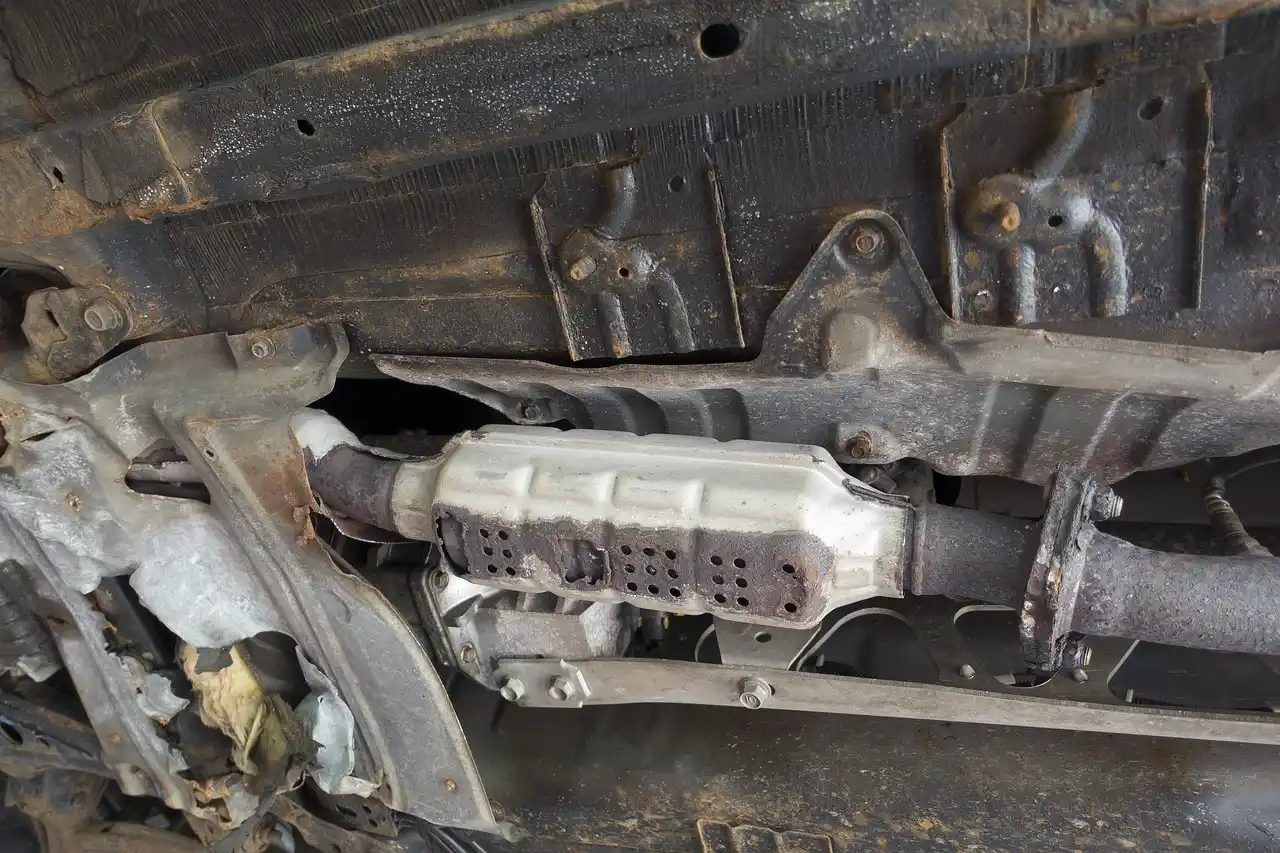
Two parts matter here. The catalytic converter is an emissions-control component, and it is separate from the muffler. The resonator smooths sound pulses. A muffler delete commonly leaves the catalytic converter in place and often keeps the resonator, which is why it is usually less extreme than a straight pipe.
Why the sound changes
Less muffling means more direct exhaust noise. The car sounds louder because the system is doing less to cancel pressure pulses and tame high-frequency sound. Exhaust drone also becomes more noticeable on the highway, where steady engine speed can make cabin resonance tiring on longer drives.
Texas muffler delete compliance matrix
Use this matrix as a quick screen before you buy parts or pay for installation. The safest reading is simple: if a setup removes required equipment, raises noise enough to draw attention, or risks inspection failure, it moves into the risky columns fast. Local enforcement still matters.
| Setup | Muffler present | Resonator present | Catalytic converter present | Expected noise profile | Likely legal | Inspection-risky | High-citation-risk |
|---|---|---|---|---|---|---|---|
| Stock exhaust | Yes | Yes | Yes | Quietest; controlled idle and cruise noise | Yes | No | No |
| Muffler delete with cat and resonator retained | No | Yes | Yes | Louder idle, more cabin boom, moderate drone | No or uncertain | Yes | Yes |
| Resonator delete with muffler retained | Yes | No | Yes | Sharper tone, more rasp, more highway resonance | Uncertain | Yes | Yes in some areas |
| Straight pipe with cat removed | No | No | No | Very loud idle, strong drone, harsh under load | No | Yes | Yes |
Are muffler deletes legal in Texas?
A muffler delete is usually a bad bet for street use in Texas because the state restricts exhaust changes that remove a muffler, use bypass devices, or increase noise. That does not mean every car gets stopped, but it does mean the setup carries real compliance risk.
Muffler requirement basics
Texas vehicle equipment law focuses on whether the exhaust is functioning as intended and whether the vehicle is creating unlawful noise. A car with the muffler removed no longer has the factory noise-control part, which can create legal risk under Texas exhaust and noise rules. That is why a true muffler delete is not a clean yes-or-no modification.
Where legal risk starts
Risk starts as soon as the system loses the muffler and gets noticeably louder than stock. If the car also uses a bypass valve, cutout, or another device meant to route exhaust around the muffler, the problem gets worse. The catalytic converter issue is separate and can create its own violation.
How local enforcement can differ
Texas is not one uniform enforcement zone. One city, county, or officer may focus on noise complaints, while another may pay more attention to visibly altered exhaust plumbing or inspection status. A setup that draws no attention in one place can still lead to a stop somewhere else.
What Texas inspection checks
Texas safety inspection looks at whether required equipment is present and appears functional. A modified exhaust can fail inspection if the inspector sees a missing muffler, illegal bypass hardware, or emissions-related problems. Even when the car runs, missing equipment can turn a simple inspection into a failure.
Equipment inspection focus
Inspectors are checking for compliance, not sound quality alone. If the car should have a muffler and does not, that is a problem. If the exhaust shows signs of tampering or missing emissions parts, inspection risk rises further. The goal is not just a quieter car; it is required equipment in place.
Missing muffler or resonator issues
A missing muffler is the bigger issue because Texas exhaust rules make that a legal concern. A missing resonator is not the same legal problem, but it can still create trouble if the setup becomes too loud or appears to violate noise rules. Resonator deletes often increase rasp and highway boom.
Catalytic converter problems
Do not treat the catalytic converter as part of the muffler-delete question. A muffler delete commonly leaves the converter in place, and that matters. Removing the converter creates a separate emissions problem and can raise inspection and citation risk sharply, even if the rest of the exhaust is otherwise tidy.
- Confirm whether the car still has a functioning muffler.
- Check whether the catalytic converter is still present.
- Look for a resonator and any cutouts, bypass valves, or straight sections.
- Compare the setup with Texas inspection expectations before buying parts.
- Assume a louder-than-stock exhaust may attract attention, even if the car runs well.
Can you get pulled over for it?
Yes. A muffler delete can lead to a stop if the car is loud, draws a noise complaint, or looks like it has illegal exhaust hardware. Officers may use sound, visible piping changes, or the absence of obvious muffling as reasons to investigate the vehicle further.
Common stop triggers
Common triggers include hard acceleration through neighborhoods, repeated loud cold starts, or an exhaust note that stands out in traffic. A clean-looking car can still get attention if the pipe is plainly louder than normal. Straight pipes are at even greater risk because they are louder and more obvious.
Noise complaint scenarios
A common first-timer mistake is assuming the risk begins only after a collision with law enforcement. In practice, a single neighbor complaint or repeated pass-by noise can be enough to bring attention. The law cares about the vehicle’s exhaust condition, not whether the driver planned to be heard.
Citation and fix-it outcomes
If the officer believes the exhaust violates Texas law, the outcome can be a citation, a repair order, or both. A fix-it path usually means restoring a proper muffler and correcting any related exhaust issue before the car returns to the road. More serious violations can carry added fines.
How loud can my exhaust be in Texas?
Texas enforcement is not built around one simple sound number in the way many drivers expect. Officers and inspectors look at the vehicle condition, the noise it makes, and whether the exhaust appears altered in a way that violates equipment rules. Sound level and judgment both matter.
Idle, cruise, and wide-open throttle
The guide’s sound table puts stock exhaust at 65–72 dB at idle, muffler delete at 78–85 dB at idle, and straight pipe at 85–95 dB at idle. A straight pipe at wide-open throttle can push past 120 dB. Sustained exposure above 85 dB damages hearing over time.
Muffler delete sound vs. straight pipe
A muffler delete is the milder option, but it is still louder than stock. Straight pipe is more extreme because it removes more exhaust control parts and usually sounds harsher. Expect more direct noise, more crackle, and more drone, especially if the resonator is gone too.
Drone and daily driving noise
Drone is the steady, low-frequency resonance that shows up at highway speed. It gets more noticeable as muffling drops. A car that sounds exciting at idle can become tiring after an hour on the freeway, especially with a straight pipe or a resonator delete.
Suppose a 4.6-liter V8 truck gets a muffler delete but keeps the catalytic converter and resonator. The truck may stay driveable and the tone may sound aggressive at idle, yet the highway drone can still make 70 mph cruising uncomfortable. The legal risk remains because the muffler is gone.
Straight pipe, resonator delete, and cat removal
These are not the same modification. A muffler delete removes the muffler. A straight pipe removes both the muffler and the resonator. Catalytic converter removal is separate again, and it creates a much bigger emissions problem. As more parts disappear, legal risk rises fast.
What each setup removes
A muffler delete removes the muffler and leaves a straight section of pipe. A straight pipe removes both the muffler and the resonator. Some straight-pipe setups also remove the catalytic converter, but that is a separate decision with separate compliance issues.
Why the legal risk rises
The more factory exhaust control parts you remove, the easier it is for a stop, citation, or inspection failure to follow. A resonator delete can make a car sound rougher without changing the muffler, but a straight pipe stacks the problems by removing more sound control at once.
Which parts are separate issues?
Keep the categories distinct. Muffler law is one issue. Resonator changes affect sound but are not the same thing as a muffler. Catalytic converter removal is an emissions issue on top of everything else. Mixing those up is how drivers end up buying the wrong parts for Texas use.
Does a muffler delete affect performance?
Usually, the gain is small. On naturally aspirated engines, muffler-delete gains are minimal unless other mods and tuning support the change. In many cases, the driver gets more noise than power. That tradeoff matters if the goal is a street car rather than a sound-focused build.
What changes and what does not
Removing the muffler can reduce restriction slightly, but that does not automatically create a meaningful horsepower jump. Real gains usually depend on the whole setup, including tuning, intake, headers, and the rest of the exhaust path. Without that support, the result is mostly sound.
When each setup makes sense
If the goal is a mild tone change, a muffler delete is the less aggressive route, though it still carries Texas risk. If the goal is maximum sound, straight pipe does that, but it also creates the biggest legality and drone problems. For daily driving, stock is the easiest to defend.
What are the penalties for illegal exhaust in Texas?
Penalties can include a traffic stop, a citation, an inspection failure, and repair costs to bring the car back into compliance. In some cases, officers may issue a fix-it style outcome. The real cost is often the sum of the ticket, labor, and the time needed to reverse the change.
Fines and paperwork
Fine amounts vary by charge, location, and whether the case becomes a repeat issue. The bigger point is that illegal exhaust is not a one-time noise problem; it can become a paperwork problem. That means more time, more fees, and a possible court date if the citation is contested.
Inspection failure and repair costs
A failed inspection can block registration renewal until the exhaust is corrected. That can force you to reinstall a proper muffler, repair emissions equipment, or replace parts that were cut out. A cheap pipe job can become a costly do-over if the car does not pass.
How to verify before you buy
Start with the exact parts on the car. Confirm whether the muffler stays, whether the resonator stays, and whether the catalytic converter remains intact. Then compare the setup against Texas inspection expectations and your local noise environment. If the plan removes the muffler, assume risk is already high.
Frequently asked questions
Can you get pulled over for a muffler delete in Texas?
Yes. A loud exhaust, visible pipe changes, or a neighbor complaint can draw attention. If the vehicle lacks a muffler or uses bypass hardware, the officer may investigate further. Straight pipes face even more risk because they are louder and more obvious.
Does Texas require a muffler on a car?
Texas equipment rules restrict the removal of a muffler and the use of bypass devices. That is the key reason a muffler delete carries legal risk. The fact that the catalytic converter remains in place does not fix the missing muffler problem, because those are separate components.
Will a muffler delete fail inspection in Texas?
It can. If the car is missing required exhaust equipment or appears noncompliant, the inspection can fail. A resonator may or may not be the main issue, but a missing muffler is the bigger concern. A repair order may be needed before the car passes.
What is the difference between a straight pipe and a muffler delete?
A muffler delete removes the muffler and leaves the rest of the exhaust more intact, often with the catalytic converter and resonator still present. A straight pipe removes both the muffler and the resonator, so it is louder, more droning, and more likely to draw attention.