Best Saws for Cutting Exhaust Pipe (2026): Research Shows
For under-car exhaust repairs, a compact reciprocating saw with a bi-metal blade is usually the best pick; for bench fabrication, choose a portable band saw or chop saw; for tight stainless work, use a thin cutoff wheel or a band saw when the pipe can come off the vehicle. The wrong tool can oval the pipe, leave jagged edges, overheat stainless, and force rework.
Quick comparison
| Product | Badge | Best for | Price | ||
|---|---|---|---|---|---|
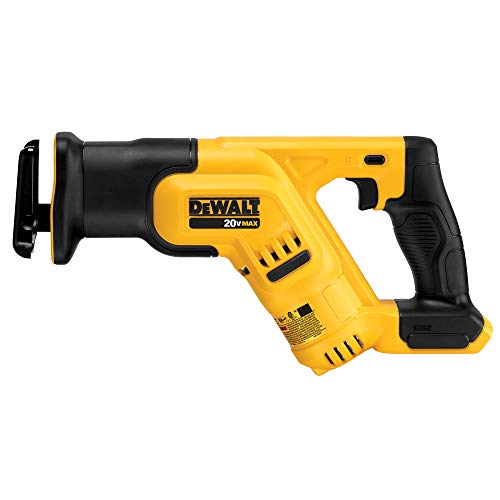 |
DEWALT 20V MAX Cordless Reciprocating Saw, Compact,DEWALT | Our pick | DEWALT · 20V MAX · Bare Tool Only | $123.39
Price as of 18 Oct 2026
|
View |
 |
OEMTOOLS 27045 Exhaust Cutter Cuts 3/4" to 3-1/4" PipeOEMTOOLS | Also great | OEMTOOLS · 3/4" to 3-1/4" · Chain Cutter | $33.96
Price as of 18 Oct 2026
|
View |
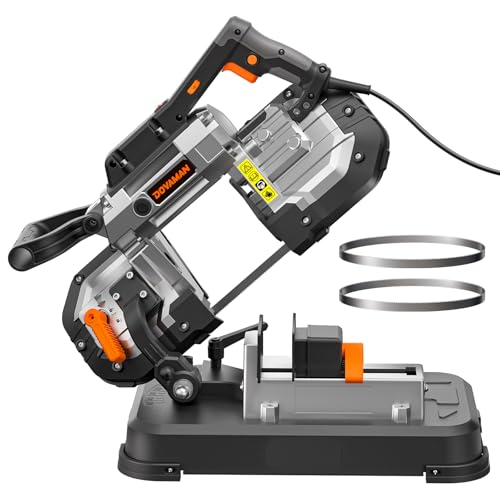 |
DOVAMAN Portable Band Saw, 10A Variable Speed, 5-Inch DeepDOVAMAN | Upgrade pick | DOVAMAN · 10A · 5-Inch Deep Cut | $189.97
Price as of 18 Oct 2026
|
View |
 |
QWORK Exhaust Pipe Cutter for 3/4" to 3-1/4" Tubing –QWORK | Budget pick | QWORK · 3/4" to 3-1/4" · Chain Cutter | $20.35
Price as of 18 Oct 2026
|
View |
Choose by clearance first, then by cut quality. Under a vehicle, a chop saw is the wrong choice; a reciprocating saw or chain cutter fits better. On the bench, the cleaner, straighter tools move ahead.
How we chose
The right answer depends on job type, not raw power. Repair work on an installed exhaust needs access and control. Fabrication work needs straighter, cleaner cuts. Engine-swap work may need both straight cuts and occasional angles.
The main filters here are clearance, pipe material, blade choice, and how much cleanup follows the cut. Straight cuts and angled cuts are different tasks. A tool that works for one can fail badly at the other.
For installed steel exhaust, the main risks are blade wander, burrs, heat buildup, and sparks near fuel or brake lines. For bench work, the main risks are poor squareness and slow setup. Diameter matters too, because the pipe size can rule out a cutter before the steel type does.
Reciprocating saw: best for under-car repairs
- Compact and lightweight design fits between studs
- 4-position blade clamp for flush cutting
- Variable-speed trigger provides blade control
A reciprocating saw is the best fit when the exhaust is still on the car and space is tight. It reaches awkward spots well, and the compact body helps near hangers, heat shields, and crossmembers where a larger saw will not fit.
Use bi-metal blades for steel exhaust tubing. That matters more than brute power. A common choice for this kind of work is 18-24 TPI, and 24 TPI is common on fine metal blades. That tooth count helps control burrs and slows wandering on thin-wall tubing.
The drawback is cut finish. If you rush, the blade can jump, leave a rough edge, and build heat quickly on stainless. It is a good remover, not a perfect finishing tool. After the cut, expect to dress the edge before welding or clamping.
Portable band saw: best for cleaner cuts
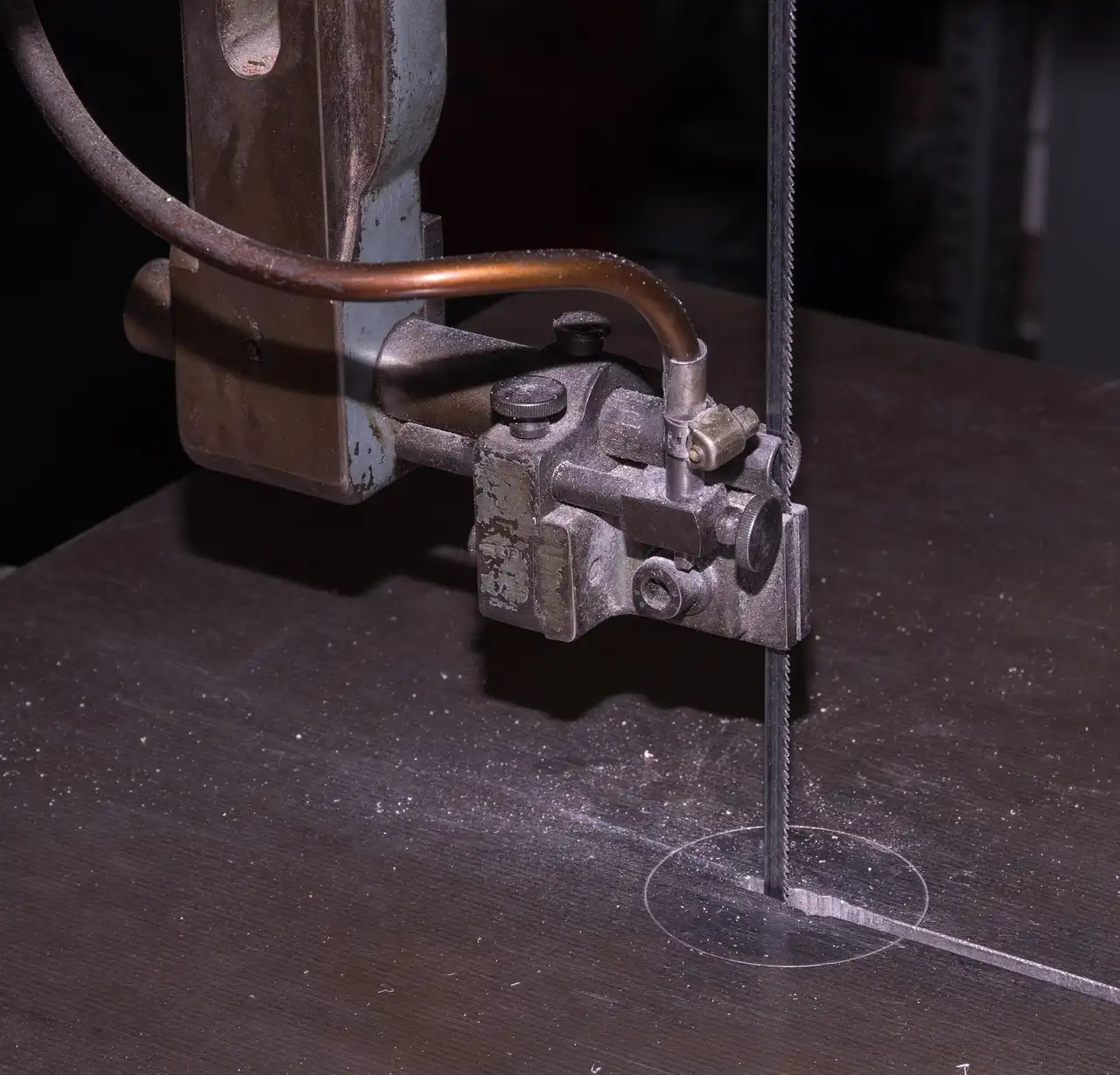
- Powered by a strong 10A pure copper motor
- 6 variable speed settings for different materials
- Use as a handheld tool or mount to the base
A portable band saw gives better control than a hacksaw on steel tubing and is a strong choice for fabrication work. It is especially useful when you want a cleaner, straighter cut on bench-held exhaust pipe or on removed sections that still need a tight fit.
It also handles steel tubing with less violence than a reciprocating saw. That makes it a favored option when the cut will be welded afterward. For shop work, it is easier to keep the line square, and that usually means less grinding after the cut.
The drawback is clearance. On installed exhaust, the saw body and blade path need room, so it is not the first choice for deep under-vehicle work. It is also slower to set up than a quick reciprocating saw cut when the pipe is still mounted.
Hacksaw: manual fallback for confined spaces
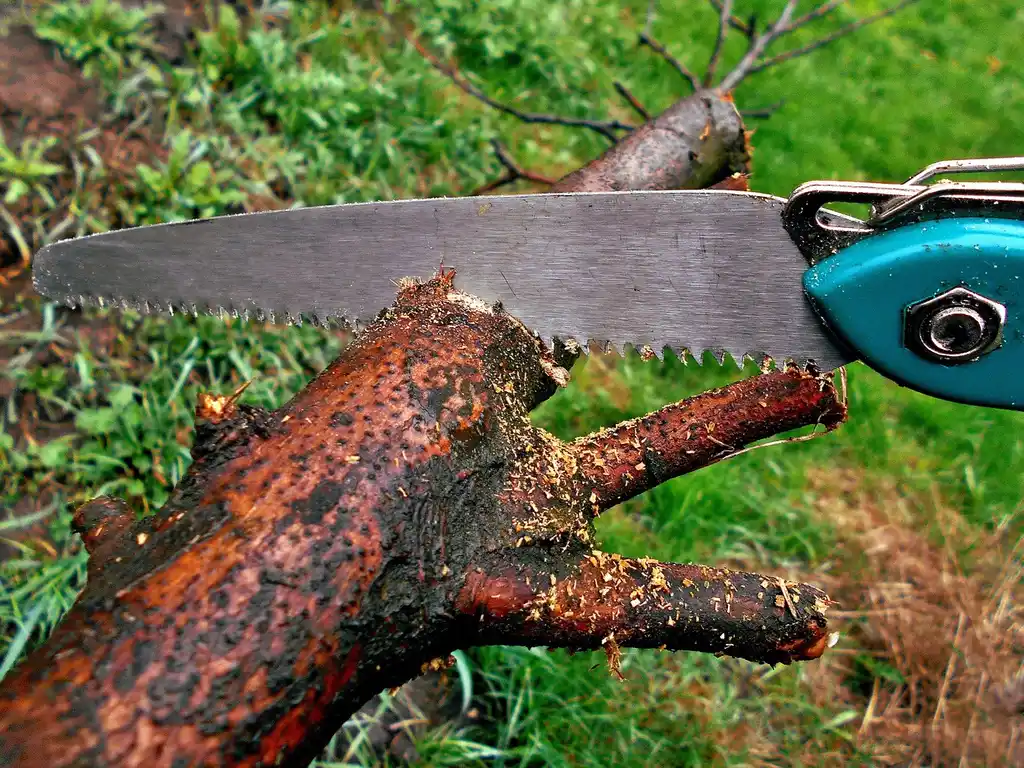
- Cushion grip handles provide comfortable control
- Compact exhaust pipe cutter design for tight spaces
- Designed for both on and off vehicle use
A hacksaw can cut exhaust pipe, but it is the fallback when power tools do not fit or when you need a cheap manual option in a confined space. It works, yet it is slower than powered tools and demands patience to keep the line straight.
For exhaust steel, a high-TPI metal blade matters more than muscle. A common example is an 11 TPI hand saw, but finer metal-cutting blades are often easier to control on thin-wall tubing. The slower pace can also help if you are trying to avoid sparks near sensitive components.
The drawback is speed and fatigue. If the pipe is rusty or awkwardly placed, the cut can drift, and a bent wrist position makes control worse. A hacksaw is useful in a pinch, but it is not the cleanest answer for repeated exhaust work.
Chain pipe cutter: best for tight spaces
- Effortlessly cut through pipes with a simple rocking motion
- Multiple sharp cutting wheels linked by a heavy duty chain
- Soft-dipped handles provide a secure hold
A chain pipe cutter fits the under-vehicle problem well because it wraps around the pipe and cuts with steady, manual pressure. That makes it a practical option for straight cuts on small-to-mid exhaust diameters when a saw body will not fit.
These cutters are common for exhaust work and are especially useful on installed pipe. Examples in the market cover 3/4″ to 3-1/4″ pipe, and one larger cutter reaches 3-1/2″ to 6″ capacity. Tool limits vary, so diameter must be checked before you buy.
The drawback is effort. Chain cutters are slower than powered saws, and they need room to wrap around the pipe. On heavily rusted exhaust, they can also feel stubborn, and hand fatigue shows up quickly if the pipe is thick or poorly supported.
Exhaust pipe decision matrix

This table turns the job into a tool choice. Use it before you shop. The same pipe can point to a different tool depending on whether it is still installed, whether the cut must be straight, and whether the edge will be welded afterward.
| Job type | Pipe material | Available clearance | Best tool | Recommended blade TPI | Expected finish | Biggest failure risk |
|---|---|---|---|---|---|---|
| Under-car repair on rusty installed exhaust | Mild steel | Tight, limited under-vehicle space | Reciprocating saw | 18-24 TPI bi-metal | Rough to fair | Burrs and blade wander |
| Muffler replacement on an installed pipe | Mild steel | Tight, with some room around the pipe | Chain pipe cutter | Manual cutter, no blade TPI | Fair to clean | Pipe crushing if misaligned |
| Bench fabrication for a welded joint | Mild steel or stainless | Open bench space | Portable band saw | Bi-metal, often fine-tooth metal blade | Clean | Cut drift if feed pressure is uneven |
| Custom fabrication with angle cuts | Steel tubing | Bench or fixed stand | Chop saw | Metal-cutting blade | Very straight, angle-capable on some models | Sparks and poor fit if angle is set wrong |
| Engine-swap exhaust mockup | Stainless or mild steel | Mixed; bench first, vehicle fit later | Portable band saw or chop saw | Fine metal blade | Clean and square | Heat buildup on stainless if rushed |
Say your pipe is 2 inches wide, rusted, and still on the car above a brake line. A reciprocating saw with a bi-metal blade is the practical first choice, but the cut will need cleanup. A chain cutter may be better if you can wrap it around the pipe and keep the pull square.
Suppose you are building a slip fit for a bench-made exhaust section from stainless tubing. A portable band saw or chop saw gives the cleaner line, and the saw setup matters more than raw motor power. In that setting, a hacksaw is possible, but it is the slowest path.
Which one should you buy?
If the pipe is still on the vehicle, start with clearance. Tight under-car work points to a reciprocating saw or chain cutter. If you need the cleanest straight cut and the pipe is off the car, a portable band saw moves to the front. For angle cuts and repeat bench work, a chop saw is the better fit.
For rusty exhaust in a cramped spot, a chain cutter is often the simplest straight-cut tool if the diameter falls within its range. QWORK lists 3/4″ to 3-1/4″, and similar chain cutters are common in that span. Larger cutters exist too, including a 3-1/2″ to 6″ example, but they belong in bigger-diameter work.
If you need a powered saw for installed exhaust, a compact reciprocating saw is easier to position than a bench tool. If you need cleaner fabricated joints, a portable band saw is the better buy. If you only cut on a bench and need angles, a chop saw belongs in the shop, not under the car.
A common first-timer mistake is choosing a high-speed tool for the wrong cut. A chop saw on installed exhaust is awkward and unsafe. A hacksaw on a long stainless run is possible, but the blade choice and patience required make it a poor default. Match the tool to the job, then match the blade to the metal.
Frequently asked questions
What is the best saw for cutting exhaust pipe?
The best saw depends on the job. For installed exhaust under a vehicle, a compact reciprocating saw with a bi-metal blade is usually the most practical. For bench fabrication, a portable band saw is cleaner. If you need angled cuts on the bench, a chop saw is the stronger choice.
Can a hacksaw cut exhaust pipe?
Yes. A hacksaw can cut exhaust pipe, especially in confined spaces where powered tools do not fit. It is slower than powered options, though, and it works best with a high-TPI metal blade. For thin-wall exhaust tubing, a finer blade gives better control and less wandering.
How do you cut exhaust pipe without a saw?
Use a chain pipe cutter. It wraps around the pipe and cuts by manual pressure, which makes it useful for tight under-vehicle spaces. This approach works well on straight cuts for small-to-mid exhaust diameters, but it is slower than powered cutting and depends on enough room to wrap the chain.
What saw blade is best for cutting exhaust pipe?
For steel exhaust tubing, a bi-metal blade is the default choice. Common examples fall in the 18-24 TPI range for reciprocating saws, and 24 TPI is a common fine-metal example. For hacksaws, a high-TPI metal blade gives cleaner control and reduces the chance of jagged edges.
Is a reciprocating saw good for cutting exhaust pipe?
Yes, especially for under-car repair. A reciprocating saw fits tight spaces well and works with bi-metal blades made for steel exhaust tubing. The main tradeoff is finish quality: if you rush, it can leave burrs, wander off line, and build heat on stainless.
What tool cuts exhaust pipe straight in tight spaces?
A chain pipe cutter is one of the best straight-cut tools in tight under-vehicle spaces, as long as the pipe diameter fits the cutter. A compact reciprocating saw is the backup when clearance is too limited for a wraparound cutter. For bench work, a band saw is straighter still.