Motorcycle Exhaust Mods Guide
Start with a slip-on if you want more sound for less money, but choose a full system only when you also plan fueling changes and want more performance. On most street bikes, that first decision sets the budget, the likely tuning path, and whether you keep the catalyst, stock rideability, and easier fitment.
This guide compares exhaust mod order by sound, power, legality, fitment, tuning, and budget. It keeps the focus on what changes most at each stage: muffler swaps usually move sound first, while headers, collectors, and catalyst changes are where performance, heat, emissions, and check-engine-light risk usually change most.
Start with your goal, not the loudest part

The right first exhaust mod depends on the result you want, not on which part looks or sounds the most aggressive. For many riders that means better sound with stock manners; for others it means less catalyst heat, better top-end breathing, or keeping emissions hardware in place to reduce legal risk.
That is why a good Motorcycle exhaust mods guide starts with goals, not product categories. A slip-on muffler is often the first move because it fits onto the stock system and usually changes sound more than it changes power. A full exhaust system makes more sense when you want a bigger flow change and already accept the cost, install scope, and tuning needs.
Bike platform matters. A Harley touring bike with saddlebags, passenger pegs, and dual mufflers has different limits than a Honda Rebel 500, an inline-four naked bike, or an adventure bike with a catalyst tucked under the engine. A staged upgrade plan keeps you from buying parts twice.
- Sound first: usually start with a slip-on or muffler section.
- Power first: usually start with headers or a full system, then tune if needed.
- Weight first: compare slip-on weight reduction against the larger cut from a full system.
- Legality first: keep the catalyst and dB control hardware in place.
- Budget first: buy the part that changes the result you care about most, then stop if it already meets the goal.
What parts make up a motorcycle exhaust system?
A motorcycle exhaust system starts at the exhaust ports with headers, then runs through a collector or mid-pipe, may include a catalytic converter and O2 sensor sections, and ends at the muffler. Those pieces affect different things, so it helps to identify which one actually controls the sound, restriction, heat, and sensor behavior on your bike.
Headers at the cylinder exit
Headers bolt to the cylinder head at the exhaust ports, sealing the first section of pipe to the engine with flanges, studs, and gaskets. Their diameter, length, and collector design affect how exhaust pulses leave the cylinder. On many bikes, headers are where the biggest flow change happens, which is why they matter more for performance than a muffler alone.
Standalone headers can make sense if the stock muffler is acceptable and the system is modular. They can also create problems if sensor ports, heat shields, or bracket alignment do not match the bike. OEM service manuals and parts fiches are the best place to confirm gasket count, sensor thread location, and shield mounting points before ordering.
Mid-pipe, link pipe, catalytic converter, and O2 sensor sections
The mid-pipe or link pipe connects the header to the muffler. On some bikes, it also contains the catalytic converter. On others, the cat is built into the headers or collector. That detail matters because a cat-delete mid-pipe usually changes heat, smell, noise, and emissions compliance more than a muffler swap does.
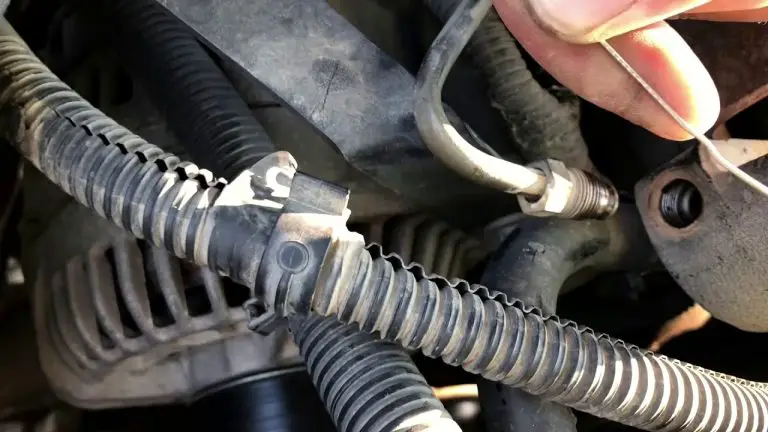
O2 sensor bungs must match your bike’s sensor count and thread placement. A missing or misplaced sensor provision can trigger a check-engine light or require extra parts. EPA and EU/UK type-approval documents also matter here because they certify the bike as a complete emissions-and-noise package, not as separate interchangeable pieces.
Muffler, baffle, and dB killer
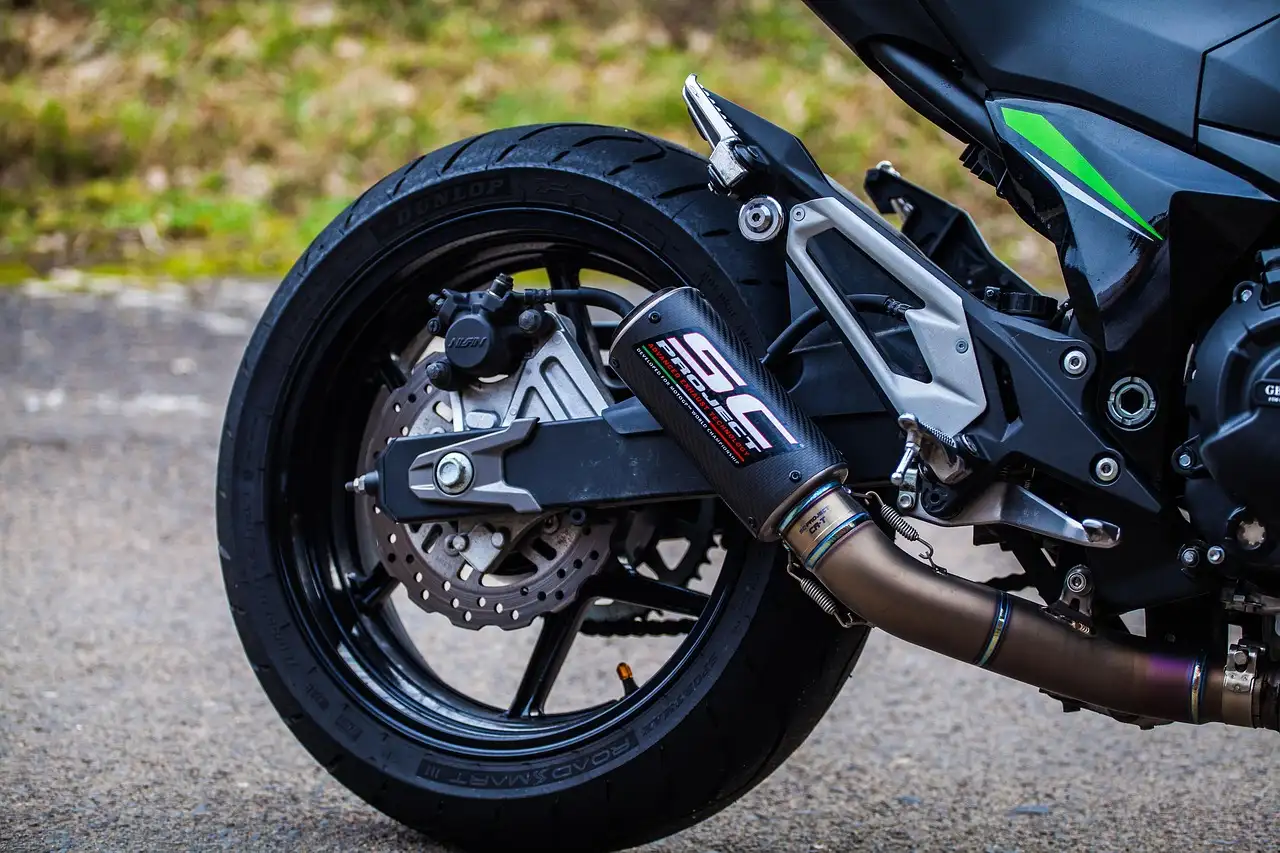
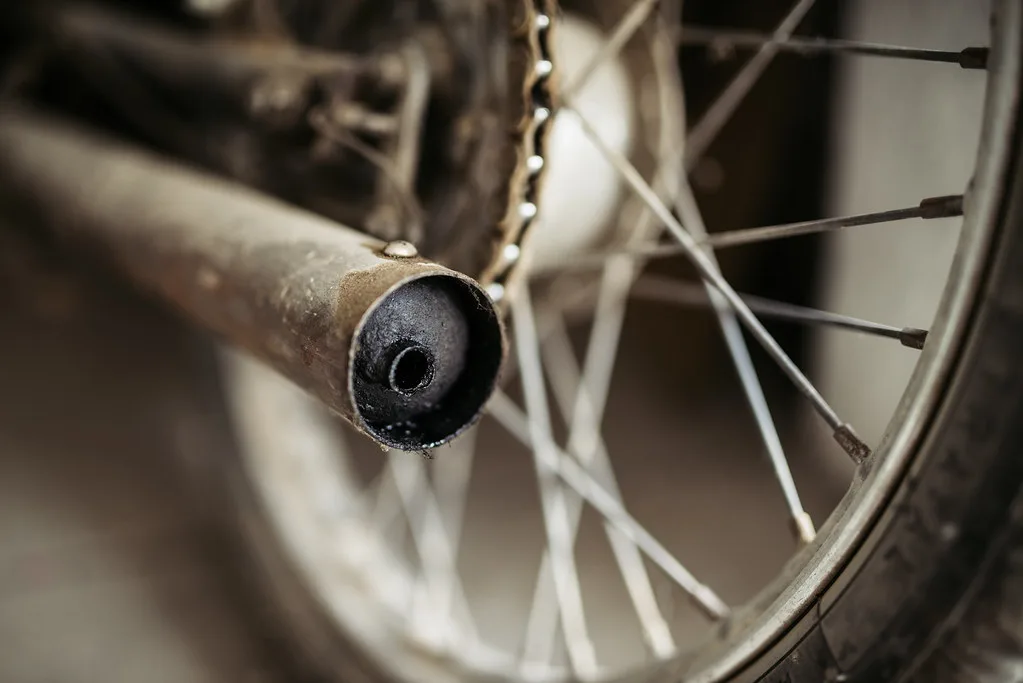
The muffler is the section that does most of the noise control, and it is the exhaust part riders change first most often. A baffle is a sound-control insert or internal structure that changes volume and tone. A dB killer usually refers to a removable noise-reduction insert used in some mufflers, often at the outlet.
Removing a baffle or dB killer usually makes the bike louder, but it can also increase drone at cruise, sharpen decel popping, and change street-noise compliance. Product listings often use the terms loosely, so read the exact hardware description and compare it against the bike’s approved noise configuration where that matters.
How stock-style duals differ from 2-into-1 layouts
Stock-style dual exhausts keep separate left and right muffler paths on many cruisers and touring bikes. A 2-into-1 exhaust merges both cylinders into a single collector and muffler. That layout often changes scavenging and the torque curve more than a muffler swap alone, but it can also alter bag fitment, passenger comfort, and right-side heat.
What are the main motorcycle exhaust mods I should consider?
The main exhaust mods are slip-on mufflers, full exhaust systems, standalone headers, mid-pipes or link pipes, and smaller parts such as baffles, dB killers, and torque cones. Each changes a different part of the result, so the right first buy is the part closest to the problem you are trying to solve.
Slip-on muffler
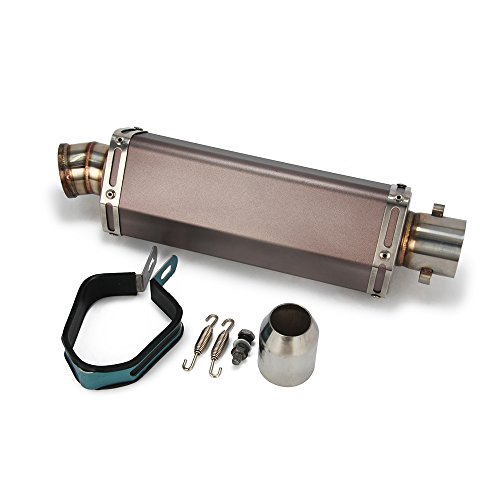
A slip-on fits onto the stock exhaust, usually clamping to the factory header or mid-pipe and reusing the bike’s basic routing. It is the common first exhaust mod because it changes sound quickly, can trim some weight, and rarely forces a full rethink of brackets, sensors, or passenger clearance.
In neutral terms, this category includes model-specific slip-ons sold through brand websites, dealer parts counters, and multi-brand motorcycle parts platforms. Availability changes often, so fitment should be verified against the exact year range, emissions variant, and mounting layout rather than relying on broad retailer category claims.
Full exhaust system
A full system replaces the headers at the engine, the collector or mid-pipes in the center section, and the mufflers at the rear. It offers the largest potential change in flow, weight, and peak power, but it also raises cost, installation time, and the likelihood that fuel and sensor strategy should be reviewed.
That does not mean every bike needs one. If your stock headers already flow well and your main complaint is quiet sound, a full system can be money spent in the wrong place. If your catalyst is integrated upstream and heat or restriction is the real complaint, a full system can make more sense than buying a slip-on first and replacing it later.
Headers, mid-pipes, and mixed setups
Headers can be bought separately on modular platforms. They connect at the cylinder exit and affect flow more than a muffler does. Mid-pipes or link pipes can also be separate parts, often changing catalyst placement, muffler fitment, and tone.
Mixed setups are valid. A slip-on plus tune can be the right answer on some bikes. Headers with a stock muffler can keep noise down while reducing restriction. A cat-delete mid-pipe with stock headers can cut heat and change tone, but legality risk rises sharply because emissions certification typically assumes the catalyst remains in the approved system.
Baffles, dB killers, and torque cones
Baffles and dB killers are the smallest and cheapest sound-related changes, but they are also where riders most often chase volume and regret the result. Torque cones are a niche accessory used with some short pipes or slip-ons to alter scavenging. Claimed gains depend heavily on engine, pipe length, and tune, so they are not a dependable substitute for proper exhaust design.
Should you get a slip-on or a full exhaust system?
A slip-on is the better first buy when you mainly want more sound, a mild weight cut, and simple installation. A full system is the better first buy when you want the biggest flow change, already expect tuning work, and would otherwise end up replacing the headers and collector later anyway.
Sound change per dollar
For most street and cruiser riders, the muffler section gives the biggest audible change per dollar. That is why slip-ons are usually the first recommendation. They target the part of the system that most directly shapes exit sound while leaving the stock headers, catalyst, and most mounting points in place.
That answer changes when the stock bike has a very restrictive catalyst close to the engine or built into the collector. In that case, a muffler swap may leave the bike quieter than expected because the major sound damping and restriction remain upstream.
Flow change, weight reduction, and tuning likelihood
A full system usually changes flow more because it replaces more of the path. Headers, collector design, and catalyst placement matter here. With that larger change comes a higher chance that the stock fueling will no longer be ideal, which is why tuners usually treat full systems and cat-delete pipes differently from muffler-only swaps.
On a parallel twin with a large under-engine catalyst and a small stock muffler, a slip-on may change tone only a little because the main restriction and sound damping stay upstream. A mid-pipe or full system may move the needle more, but it also increases emissions, smell, and inspection risk.
When a slip-on is enough
A slip-on is enough when your goal is a better soundtrack, a cleaner rear-end look, modest weight reduction, and easy reversibility. It is also the safer first step if you are unsure about noise tolerance on a daily rider or if you need to keep the catalyst and factory sensor layout unchanged.
When a full system is the smarter long-term buy
If you already know you want headers, collector changes, and a tune, buying a slip-on first can cost more in the end. Performance-focused touring builds, track-oriented naked bikes, and heat-soaked catalyst-heavy systems are the cases where starting with a full system is usually easier to justify.
Do you need a tune after changing your exhaust?
You do not always need a tune after an exhaust change, but the answer depends on which part changed and how much the system now differs from stock. Slip-ons often work on the stock calibration, while headers, cat-delete pipes, and full systems are much more likely to benefit from fuel, ignition, or sensor-strategy changes.
Slip-on on a stock bike
Many fuel-injected bikes tolerate a slip-on without immediate tuning because the change is mostly downstream. That does not mean every bike runs perfectly afterward, only that a tune is less likely to be mandatory than with upstream changes. OEM closed-loop control can trim some conditions, but it does not erase all differences everywhere in the map.
Headers or cat-delete mid-pipe on a stock map
Headers and cat-delete mid-pipes affect flow, heat, and sensor behavior more. If the bike starts showing lean surging, rough low-speed throttle, heavy decel popping, or a check-engine light, the setup may be asking for fueling changes or sensor-related corrections rather than more exhaust parts.
Full systems and when tuning moves from optional to wise
With a full system, tuning shifts from optional to sensible on many bikes, especially if the catalyst is removed or the collector layout changes. That is because the whole pressure and pulse pattern can be different from stock, and reputable dyno operators routinely show that the final result depends on both hardware and calibration.
If a big V-twin gets a freer 2-into-1 system and keeps the stock map, abrupt cruise throttle and hard roll-off popping are stronger clues than raw volume. Review fueling strategy, exhaust leaks at the ports, O2 behavior, and baffle choice before assuming the hardware itself is wrong. For a broader calibration overview, see motorcycle exhaust tuning guide for fueling, dyno runs, and remaps.
Signs the bike is asking for changes
- Persistent decel popping beyond a mild normal level
- Surging or hesitation at steady throttle
- Check-engine light after sensor or catalyst changes
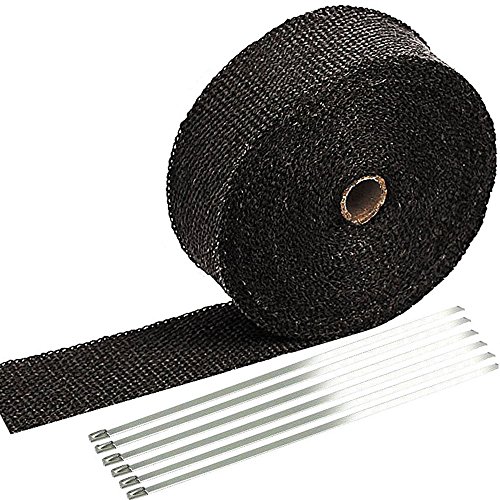
- Excessive heat after deleting a catalyst without correcting fueling strategy
- Strong fuel smell or obvious soot changes after major system swaps
How much horsepower does an exhaust actually add?
Exhaust power gains are usually modest from muffler-only swaps and more meaningful when headers, collector design, catalyst location, and tuning work together. Sound level alone says very little about power, so the most trustworthy claims are bike-specific dyno results that show the full before-and-after setup and correction method.
Why muffler-only swaps often add little
On many modern street bikes, the stock muffler is not the main bottleneck. The catalyst, collector, header size, and stock tune often matter more. That is why slip-ons mainly change sound and only sometimes sharpen throttle feel. Dyno charts from established tuning shops frequently show small peak changes from muffler-only swaps unless the stock silencer also houses a major restriction.
Where headers and collector design matter more
Headers connect right at the exhaust ports, where pulse timing and scavenging begin. Collector design in a 2-into-1 system can also matter. That is why riders chasing measurable performance usually focus upstream before they focus on outlet size or sheer noise, especially on twins and V-twins where collector design can shift torque shape noticeably.
Why louder does not equal faster
A louder pipe can simply be a less muffled pipe. That tells you very little about gas speed, wave timing, or whether the fueling suits the new hardware. Volume is an ear test, not a flow bench. If you want measurable results, compare same-day dyno runs, correction standard, gear used, and whether the bike was tuned after the hardware change.
How catalyst location changes expectations
If the catalyst is integrated into the headers or mid-pipe, a slip-on leaves that restriction in place. If the catalyst is in the muffler section, then a muffler change can affect more than usual. Before expecting gains, identify where the cat sits on your bike and review the bike’s emissions layout in the parts fiche or service documentation.
What should you check for fitment before buying an exhaust?
You should verify the exact bike details first, then confirm bracket alignment, O2 sensor provisions, heat shield compatibility, and passenger or luggage clearance. A real fitment check goes beyond “fits your bike” because exhaust routing, mounting tabs, and sensor locations can change across similar models and emissions variants.
The fitment checklist covers the main compatibility points.
- Match the exact bike year, make, model, and submodel.
- Confirm emissions spec and whether the part is for catalyst-equipped or non-catalyst versions.
- Check O2 sensor count, port location, and whether plugs or adapters are required.
- Verify bracket alignment at frame mounts and muffler hangers.
- Check passenger peg, heel guard, saddlebag, and pannier clearance.
- Confirm heat shield compatibility if you plan to reuse stock shields.
- Look for center stand, crash bar, and floorboard conflicts.
- Confirm whether the listing covers your exact year range as a fitment guarantee, not a guess.
What a fitment guarantee should cover
A useful fitment guarantee should cover bike-year-model compatibility, bracket alignment, required hardware, and brand-specific matching between headers, link pipes, and mufflers. It should also state when a part fits only with the same brand’s collector or mounting scheme. OEM parts diagrams and installation manuals are usually more reliable than short category summaries when there is any doubt.
That matters because large parts catalogs make it easy to mix components that fit the platform but not each other cleanly. The risk is highest with modular systems that use brand-specific link-pipe diameters, muffler clocking, or sensor bung locations.
Real-world failure cases to avoid
A common mistake is buying the loudest slip-on available, then finding the outlet sits too close to a saddlebag or the bracket clocking is wrong for the stock passenger peg mount. The bike may run, but the result is rattles, melted trim, or a return request. This is especially common on baggers, ADV bikes with pannier racks, and bikes with under-engine catalyst boxes.
On touring bikes, bag clearance and heel space matter. On adventure bikes, center stand stops, skid plates, and luggage racks matter. On naked bikes, under-engine catalyst placement and belly-pan clearance often matter more. If you also care about enforcement risk, see motorcycle exhaust laws, emissions rules, and street-legality basics.
Goal-based exhaust mod order by bike type
Cruisers and touring bikes
For sound on a Harley, Indian, or metric cruiser, start with slip-ons if you want the least invasive change. For performance, a 2-into-1 exhaust or headers plus tune usually makes more sense than chasing volume with empty mufflers. For legality retention, keep the catalyst and any dB control hardware installed and confirm bag and passenger clearance first.
As a neutral buying rule, use the exact bike-year fitment notes from the manufacturer, the installation instructions, and the emissions variant shown on the bike’s label or manual. Cruiser and touring catalogs are large, but the main compatibility traps are still the same: mount position, bag clearance, O2 routing, and whether the catalyst stays in the system.
Sport and naked bikes
On inline-four sport and naked bikes, muffler swaps often produce a sharp sound change but modest gains. If the catalyst is under the engine, a slip-on may leave much of the stock character intact. Riders focused on real flow changes usually end up at a link pipe, headers, or full system, then tune as needed.
Twins and adventure bikes with catalyst-heavy stock systems
Parallel twins and adventure bikes often package the catalyst low and central. That can trap heat and keep the bike quiet even after a muffler swap. If heat reduction is your goal, identify catalyst location first. If luggage is your goal, check exhaust width, outlet angle, and pannier offset before buying.
Budget path by upgrade stage
- Tight budget: slip-on, keep baffle or dB killer installed, stop there if the result works.
- Mid-range budget: slip-on plus tune where the bike responds well, or headers with stock muffler if noise control matters.
- Open budget: full system, tune, and fitment planning for heat shields, luggage, and sensor hardware.
Decision table: which exhaust mod should you do first?
How to use the table
Read across your platform and goal. The first part in the sequence is the recommended starting point. The next part is only the sensible second step if the first one still leaves a problem unsolved, such as excess heat, weak top-end pull, or too little sound change because the catalyst is upstream.
Platform-by-platform recommendations
| Platform | Rider objective | Recommended part sequence | Expected tradeoff | Install difficulty | Legality risk |
|---|---|---|---|---|---|
| Cruiser or Harley/Indian V-twin | Best sound for least money | Slip-on mufflers → optional baffle change | Large sound change, limited power gain, possible drone if baffle removed | Low | Low to medium |
| Cruiser or touring bike | Performance with street use | 2-into-1 exhaust or headers → tune → muffler choice | Better flow, more heat and bag-clearance concerns, louder under load | Medium to high | Medium to high |
| Touring bike with saddlebags | Keep comfort and legality | Street-legal slip-ons retaining catalyst and dB control hardware | Modest sound increase, least fitment trouble | Low | Low |
| Inline-four sport or naked bike | Sharper sound only | Slip-on → stop if satisfied | Noticeable tone change, often small power change | Low | Low to medium |
| Inline-four sport or naked bike | Real flow change | Link pipe or headers → tune → muffler | More noise, more smell if cat deleted, higher CEL risk | Medium | High |
| Parallel twin street bike | Reduce heat from catalyst area | Identify cat location → mid-pipe or full system only if legal risk is acceptable | Less heat, more noise, more emissions risk | Medium | High |
| Adventure bike with luggage | Weight and clearance control | Slip-on with luggage-safe fitment → heat shield check | Less weight, possible pannier heat issues if outlet angle changes | Low | Low to medium |
| Any platform on a tight budget | Avoid buying twice | Choose the single part that targets the main complaint; skip full system unless power is the main goal | May leave some gain on the table, but saves money and avoids mixed-fit problems | Low to medium | Depends on part |
Failure-case notes: drone, popping, heat, and poor fitment
Drone usually comes from the wrong muffler core or from removing a baffle or dB killer on a bike used at steady cruise rpm. Decel popping often points to fueling or leak issues, not a need for an even louder pipe. Poor fitment usually starts at bracket clocking, mismatched brand-specific link pipes, or sensor placement. Heat complaints often trace back to catalyst location, not the muffler shell alone.
If you are building in stages, the safest order is still to solve one problem at a time: sound first with a slip-on, heat and flow next with upstream parts, then tuning only when the hardware change justifies it. For measurement basics, see how to measure motorcycle exhaust sound with dB testing basics.
Frequently asked questions
Will a louder exhaust improve performance?
No. A louder exhaust may only mean less sound control. Performance depends more on header design, collector layout, catalyst location, and fueling than on volume. If the bike gets much louder without upstream flow changes or tune support, power may change very little and rideability can get worse.
Can I add headers, mid-pipes, or mufflers separately?
Yes, on many modular systems you can add headers, mid-pipes, or mufflers separately, but only if the connection style, bracket positions, sensor ports, and brand-specific fitment all match. Mixed setups are common, yet they are also where poor alignment and compatibility mistakes happen most often.
What’s the difference between a 2-into-1 and a stock-style exhaust?
A 2-into-1 merges both cylinder banks into one collector and muffler, while a stock-style system often keeps separate left and right mufflers. The 2-into-1 layout is usually more performance-focused, but it can change ground clearance, right-side heat, bag space, and passenger comfort on touring bikes.
Which exhaust mod gives the best sound for the least money?
Usually a slip-on muffler. It targets the part of the system that shapes exit sound and installs over the stock exhaust on many bikes. That answer changes when the catalytic converter sits upstream and does most of the sound damping, because a muffler swap may then sound milder than expected.
What should I check for fitment before buying an exhaust?
Check year, model, submodel, trim, emissions spec, O2 sensor provisions, bracket alignment, and clearance for pegs, bags, center stands, and heat shields. A fitment guarantee should cover more than the basic model name because small platform changes can break sensor routing or hanger alignment.
Author and editorial methodology
This article was prepared and updated by the Exhaust Guides editorial team for riders comparing slip-ons, headers, link pipes, and full systems across cruisers, touring bikes, sport bikes, naked bikes, twins, and adventure platforms. The goal is practical buying guidance, not promotional ranking by retailer availability or broad uncited horsepower claims.
Methodology for this page: identify where the catalyst sits in common exhaust layouts; compare OEM service-manual diagrams and parts fiches for sensor count, shield mounts, and hanger points; review EPA and EU/UK type-approval material for how emissions and noise compliance are certified; and compare dyno-informed guidance from established tuning sources to separate muffler-only sound gains from genuine upstream flow changes.
Because this page does not rely on undocumented personal testing, any performance, tuning, catalyst, legality, or sound statements are limited to patterns supported by OEM documentation, type-approval frameworks, and reputable tuning references. For bike-specific decisions, confirm the exact year-model emissions variant and installation instructions before ordering parts.
Sources
- U.S. Environmental Protection Agency, tampering and aftermarket defeat-device guidance for motor vehicles and engines, including catalyst and emissions-control removal restrictions.
- European Commission and UNECE motorcycle type-approval framework materials covering whole-vehicle emissions and external sound compliance, including UNECE Regulation No. 41 for motorcycle noise measurement and related Euro emissions references.
- OEM service manuals and parts catalogs for model-specific exhaust routing, oxygen-sensor locations, catalyst placement, heat-shield mounting points, and torque specifications.
- Dynojet technical resources on fuel tuning, air/fuel correction, and the relationship between hardware changes and calibration.
- Factory Pro technical articles on exhaust, fueling, and why dyno comparisons require consistent correction methods and test conditions.
- 2WheelDynoWorks model-specific tuning writeups and dyno examples showing that slip-ons often deliver modest gains while full systems and catalyst changes are more tune-sensitive.
- Woolich Racing technical material on ECU flashing, closed-loop behavior, and why significant exhaust changes may require calibration changes beyond a muffler swap.