Are Cat-Back Exhausts Legal in Washington State?
Figuring out if Are Cat-Back Exhausts Legal in Washington? can be tricky. It’s a common question for anyone who wants to customize their car. The rules can be confusing, making it tough to know what’s allowed. Don’t worry, though! This post will break down the rules in easy-to-understand steps. We’ll explore the main things you need to know. Let’s get started!
PHILTOP
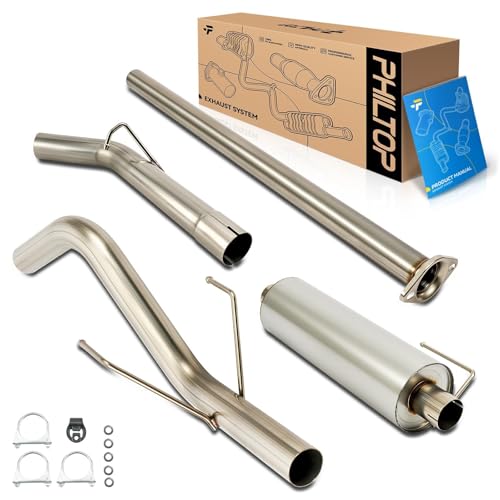
PHILTOP Cat-Back System Fit for 2005-2009 2011-2015…
- Vehicle Fitment - The Catback System exhaust kit compatible with 2005-2009 2011-2015 Toyota Tacoma 4.0L V6
- Engineering Excellence - Vehicles are all about dependability and capability, which is why MagnaFlow engineers every one of our du…
- Reduce Noise - The larger pipes, low-restriction mufflers, and tuned resonators of a well-designed performance exhaust system can…
As an Amazon Associate I earn from qualifying purchases.
Vehicle Modifications and Washington State Laws
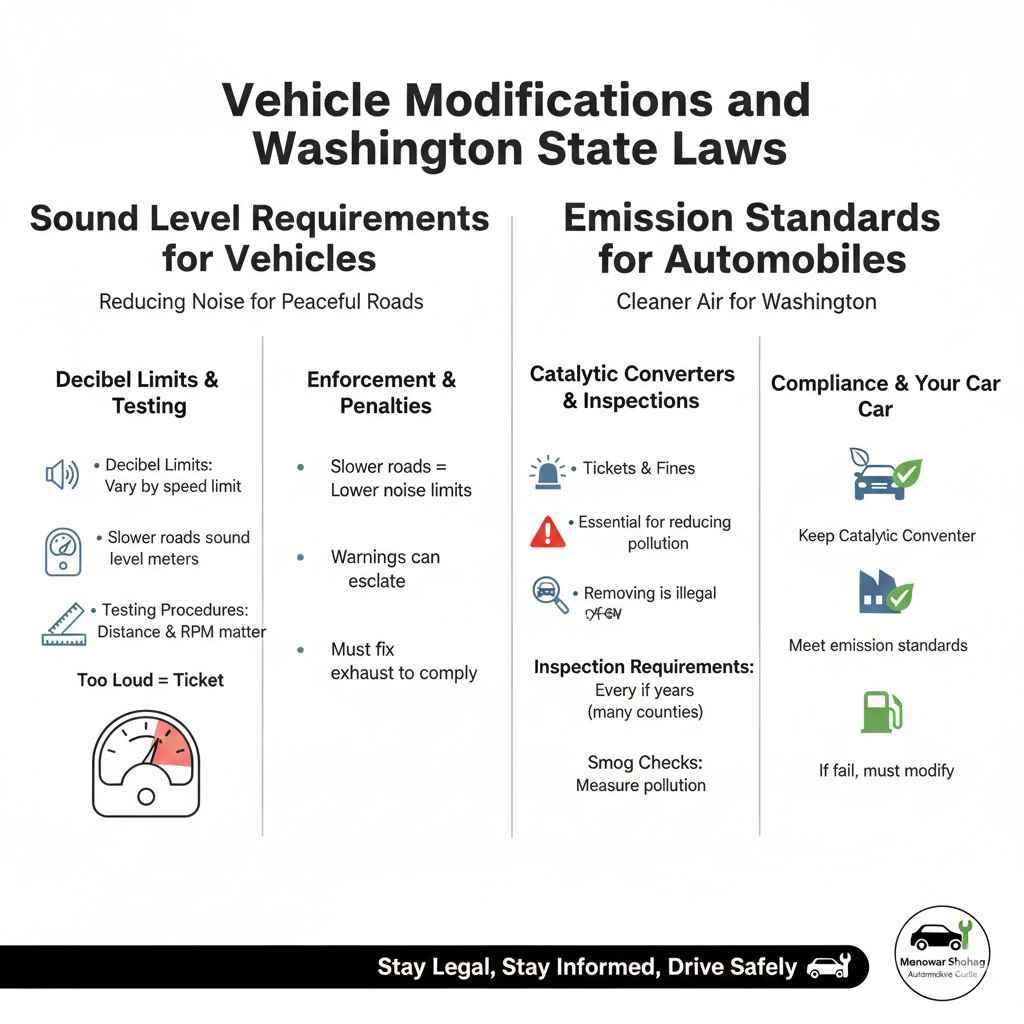
Washington State has rules about car modifications to keep everyone safe and to cut down on pollution. These laws cover everything from how loud your exhaust can be to what kind of lights you can use. The goal is to make sure cars are safe to drive and don’t bother others. Knowing these rules is a must if you plan to tweak your ride. If you don’t follow the rules, you could get a ticket or have your car fail inspection. So, let’s explore the basic rules about vehicle modifications.
Sound Level Requirements for Vehicles
One of the main areas of concern when modifying your vehicle is the sound it makes. Washington State has specific rules about how loud your car can be. These rules are in place to reduce noise pollution. You wouldn’t want your car to annoy others. It’s all about keeping things peaceful for drivers and people living nearby. So how does Washington State decide how loud is too loud? Let’s explore.
Decibel Limits: Washington State sets decibel limits for vehicles. These limits vary depending on the speed limit of the road. Cars on slower roads have lower noise limits.
The decibel limit is set to the amount of sound that is acceptable. A decibel is the unit of measurement for sound, and sound level meters are used by police officers to check the sound level of a car.
Testing Procedures: There is a standard way to measure the noise level of a car. Police or inspectors use special equipment. They position the equipment a certain distance from the exhaust pipe. They then measure the sound while the engine runs.
The distance, and engine speed matter. The testing procedure must be done correctly to get accurate results. The measurement must be taken under certain conditions, such as the engine’s RPM, or revolutions per minute. The location of the test is also important.
Enforcement and Penalties: If a car makes too much noise, the driver can get a ticket. The fines depend on the level of the violation. A warning can turn into a ticket if the noise violation continues.
If you get a ticket, you might have to fix your exhaust system. The goal is to make sure your car meets the noise standards. The penalties are there to make sure people obey the laws.
Emission Standards for Automobiles
Another important aspect of car modification rules has to do with emissions. Washington State wants to keep the air clean. Emission standards are about how much pollution a car can release. If your car lets out too many pollutants, it can harm the environment. These rules affect whether you can install certain exhaust parts, like cat-back exhausts. Let’s explore the emission standards in detail.
Catalytic Converters: Catalytic converters are essential for reducing emissions. They turn harmful pollutants into less harmful ones. If you change your exhaust system, you must keep your catalytic converter in place.
The catalytic converter is part of the exhaust system and is a key component to meeting emission standards. Removing or modifying your catalytic converter could be against the law, depending on the changes you make.
Inspection Requirements: Washington State may require cars to pass emissions tests. These tests check how much pollution a car is releasing. The tests help ensure cars meet the emission standards.
A vehicle inspection is done to check your car’s emissions. Many counties in Washington State require emissions tests every two years. If your car fails the test, you may have to make changes to your exhaust system.
Smog Checks: Some areas of Washington State have smog checks. These are tests to measure the amount of pollution your car produces. The smog check can see if your exhaust system is working correctly.
Smog checks look at the components of your exhaust system. Smog checks are often done at the same time as the vehicle inspection. Smog checks make sure that the vehicle’s exhaust emissions meet the local requirements.
Cat-Back Exhaust Systems: Regulations and Considerations
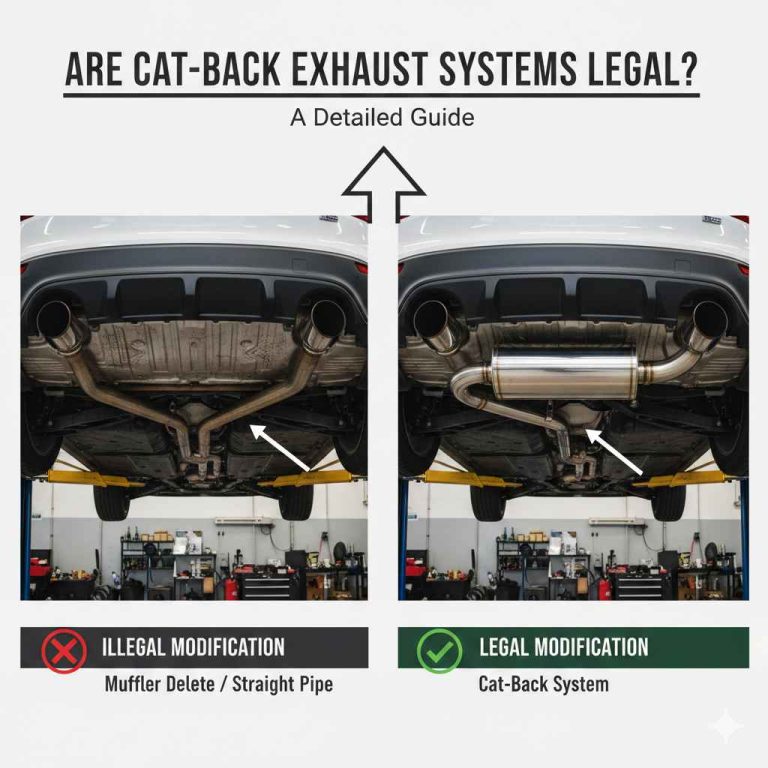
So, what about cat-back exhaust systems? They’re a popular upgrade for car enthusiasts. A cat-back exhaust replaces the part of your exhaust system after the catalytic converter. This typically involves the exhaust pipe, the muffler, and the tailpipe. You might get a different sound or better performance. Let’s check into the rules for cat-back exhaust systems. This information is key when answering the question: Are Cat-Back Exhausts Legal in Washington?
Compliance With Noise Standards
One of the first things to keep in mind is the noise your cat-back exhaust makes. Washington State has limits on how loud your car can be. Cat-back exhausts can change the sound of your car. Making sure your new exhaust system is within those limits is important. If your exhaust is too loud, you could get a ticket. That is why it is essential to consider the noise factor.
Sound Testing: After installing a cat-back exhaust, you might need to test the noise level. You can use a sound meter to see if your car is within the limits. Many auto parts stores have tools you can borrow.
Testing your exhaust’s sound is something you can do at home. Make sure you follow the guidelines for the measurement. Proper testing helps to prevent any issues with law enforcement.
Muffler Design: The muffler is a key part of your exhaust system. It helps to reduce noise. When you choose a cat-back exhaust, make sure the muffler is designed to keep the noise down.
Choosing the correct muffler for your vehicle will greatly impact the sound it creates. A good muffler can make a cat-back exhaust legal. Without it, you may be breaking the law.
Legal Considerations: Different exhaust systems have varying noise levels. Some cat-back exhausts are designed to be quieter. Others are designed to produce a louder sound. Make sure the one you pick is legal.
It’s important to find the right balance between performance and legality. You don’t want to break the law, but you also want a great-sounding exhaust. Careful selection is key!
Emission Control
Another important aspect of using a cat-back exhaust is to make sure your car still meets emission standards. The cat-back exhaust goes after the catalytic converter. So, as long as you keep your catalytic converter, your car should be okay. If you change your catalytic converter, you could run into trouble. Let’s explore this further.
Catalytic Converter Placement: The catalytic converter is a key component for controlling emissions. It needs to stay in place if you want to be compliant with the law. This is the case even if you change other parts of your exhaust system.
The catalytic converter is like a filter for your exhaust. It reduces harmful emissions, making your car more environmentally friendly. Make sure that it is installed properly and working correctly.
Inspection Compliance: Your car will still need to pass emissions inspections. If your exhaust system is not compliant, your car may fail the inspection. When changing your exhaust, make sure it is legal.
You may need to get your car inspected. These inspections help make sure your car is running well and is not polluting too much. If your car fails, you may need to make modifications.
Aftermarket Parts: When choosing a cat-back exhaust, look for ones that are designed to meet emission standards. Some manufacturers make exhausts that are both high-performing and legal.
Many aftermarket parts are available for your exhaust system. Look at the exhaust’s design and features. Reading reviews will allow you to make the correct choices.
Installing and Maintaining Your Exhaust System
After you buy your cat-back exhaust, you need to install it. If you’re not used to working on cars, it’s best to take it to a professional. If you decide to do it yourself, you need to know how to install it correctly. After installation, you’ll also need to keep up with your exhaust system’s maintenance. Let’s talk about these things.
Installation Best Practices
Getting your cat-back exhaust installed correctly will ensure it runs well and lasts. Improper installation can lead to problems. This could cause the exhaust to not work as intended. It could also cause it to make too much noise or damage your car. Following the right steps is essential.
Professional Installation: For many, having a professional install the exhaust is a good idea. Mechanics have the knowledge and tools needed for the job. They can install it correctly and make sure it is working well.
A professional installation can save you time and headaches. This can be especially true if you are not familiar with car repairs. The mechanic will make sure everything is installed properly and safely.
DIY Installation: If you want to install the exhaust yourself, take your time. Read the instructions carefully. Gather all the tools you need before you start.
If you choose to do it yourself, make sure you know what you’re doing. Watch videos and read online guides before starting. Make sure that you have the right tools.
Checking for Leaks: After the exhaust is installed, check for leaks. Leaks can cause noise and reduce your car’s performance. A mechanic can check for leaks.
A mechanic can check for any leaks. Look to see if there are any spots of discoloration. This can be a sign that there are leaks. A leak can affect your vehicle’s performance. They could also be dangerous.
Maintenance and Inspection
Once your cat-back exhaust is in place, you need to take care of it. Regular maintenance can keep it working well for a long time. It can also help you avoid any problems. An annual inspection is also a great idea. Maintenance and inspection will keep your car running safely and smoothly.
Regular Inspections: Get your exhaust system inspected regularly. A mechanic can check for any issues. They’ll look for leaks, damage, or wear and tear.
You should have your exhaust system checked regularly. This can help find any problems early. Early detection of problems can help prevent major issues.
Proper Cleaning: You can keep your exhaust system clean by washing it with soapy water. This can help to remove any dirt or grime. Clean your car regularly to keep it looking nice.
Washing your exhaust is one of the easiest ways to keep it looking great. Keeping your exhaust system clean can prevent corrosion and damage. You want your exhaust to look good.
Addressing Issues: If you find any problems, address them right away. Fix any leaks or damage. This will keep your exhaust system working properly.
If you see any issues, have them fixed right away. Fixing a small problem early will prevent big problems down the road. Addressing problems will keep your car running well.
Real-Life Examples and Scenarios
Here are some real-life examples that show how the rules work in practice. These examples will help you understand the rules. They will show you what to do and what to avoid when modifying your car. These scenarios can further help you understand the question: Are Cat-Back Exhausts Legal in Washington?
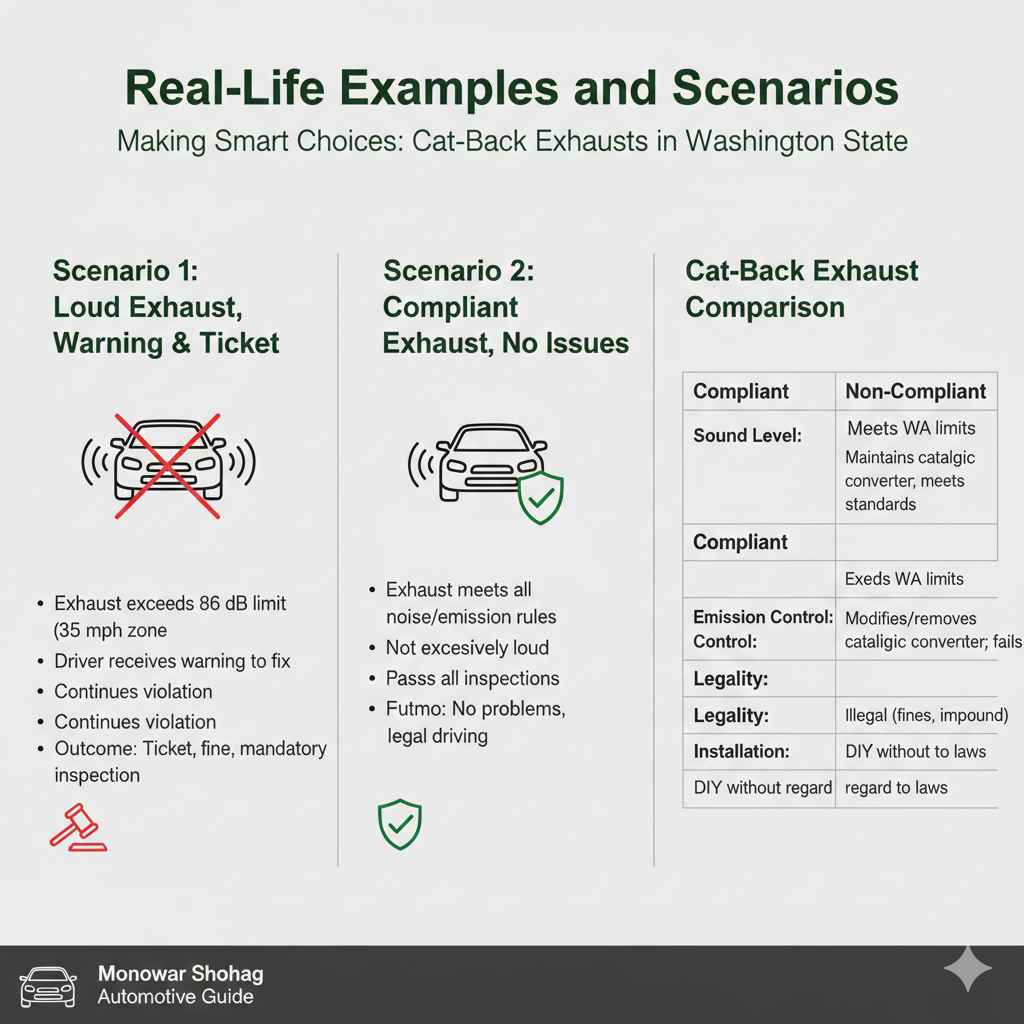
Scenario 1: Loud Exhaust, Warning and Ticket:
The Situation: A driver installs a cat-back exhaust that is very loud. The car is louder than the noise limits.
This car’s exhaust makes more noise than is allowed by law. The driver is driving on a street with a speed limit of 35 miles per hour. The exhaust is much louder than 86 decibels, which is the legal limit in the area.
The Outcome: The driver is pulled over by the police. The officer gives the driver a warning and tells them to fix the exhaust. The driver does not change the exhaust system. The police give the driver a ticket for a noise violation.
The driver gets a ticket. He must pay a fine, and he may be required to fix the exhaust system. The driver could be asked to get his exhaust checked by a certified inspector. The inspector will check the car for excessive noise.
Scenario 2: Compliant Exhaust, No Issues:
The Situation: A driver installs a cat-back exhaust that meets all of the noise and emissions rules. The exhaust is not too loud. The car still meets all pollution standards.
The car’s exhaust is just right. The noise level of the exhaust system is below the legal limit. The car has no issues with the emission control requirements. The driver chooses a cat-back exhaust designed for the car.
The Outcome: The driver does not have any problems. The car passes its regular emissions tests. The driver drives the car without worry.
The car will pass any emission tests that are required. The car will be legal to drive on the road. The driver has no issues with law enforcement. The driver enjoys the exhaust system.
Here’s a table that provides a comparison of cat-back exhaust systems: one that meets state regulations and another that violates them.
| eature | Compliant Cat-Back Exhaust | Non-Compliant Cat-Back Exhaust |
|---|---|---|
| Sound Level | Meets Washington State noise limits | Exceeds Washington State noise limits |
| Emission Control | Maintains catalytic converter; meets emission standards | May remove or modify catalytic converter; fails emission standards |
| Legality | Legal to use and operate in Washington State | May result in fines, failed inspections, or vehicle impoundment |
| Installation | Professional installation or DIY with careful attention to specifications | DIY installation without regard to legal standards |
Frequently Asked Questions
- Question: Does a cat-back exhaust system affect my car’s warranty?
- Answer: It can, depending on the terms of your warranty. Some aftermarket parts can void certain parts of your warranty. Always check the warranty of your car before making any changes.
- Question: Can I install a cat-back exhaust myself?
- Answer: Yes, you can. However, you need the right tools and knowledge. If you’re not comfortable working on cars, it is best to have a professional install it.
- Question: What’s the difference between a cat-back and a full exhaust system?
- Answer: A cat-back exhaust replaces the parts from the catalytic converter back. A full exhaust system replaces everything from the engine all the way back.
- Question: How often should I inspect my exhaust system?
- Answer: It’s a good idea to inspect your exhaust system at least once a year. You can also do it every time you change your oil.
- Question: Will a cat-back exhaust make my car faster?
- Answer: A cat-back exhaust can improve performance. However, the change may be small on its own. Other modifications can improve the performance more.
Final Thoughts
- So, we’ve explored the main points about cat-back exhausts in Washington State. We’ve talked about the importance of noise levels and emission rules. We also discussed how to install and take care of your exhaust system. The goal is to make sure your car is both legal and sounds great. By keeping up with the rules and making the correct decisions, you can enjoy a custom exhaust. You can personalize your car and still follow the law. Remember, safety comes first. That way, you’ll be driving with confidence. It will keep you out of trouble. Happy modifying!
Related pick: Check today's price on Amazon