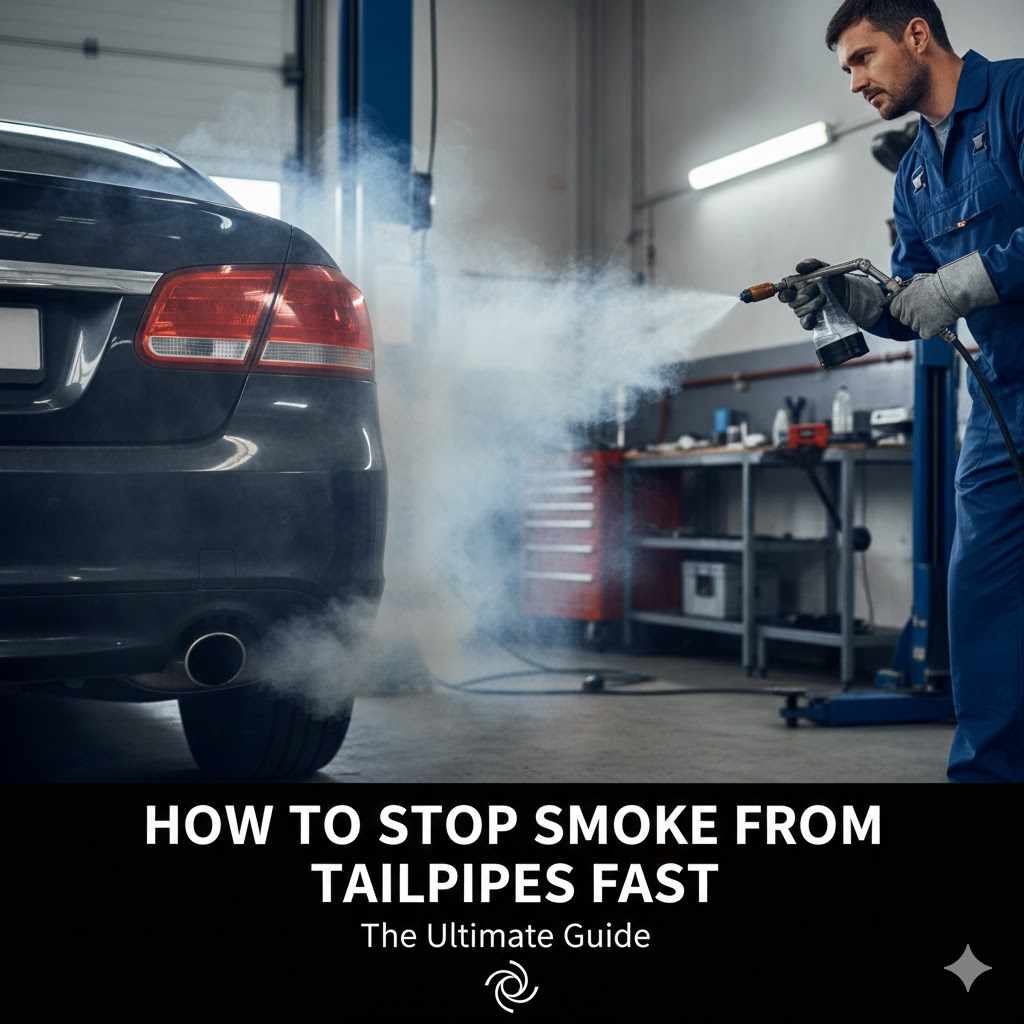
How to Stop Smoke from Tailpipes Fast
Dealing with smoke coming from your car’s tailpipe can be a bit confusing, especially if you’re new to car care. You might wonder if it’s a big problem or if there’s a simple fix. The good news is, for many common causes, there are straightforward steps you can take to address it.
This guide will walk you through the process step-by-step to help you figure out what’s happening and how to stop smoke from tailpipes fast.
Understanding Tailpipe Smoke Colors
What Different Smoke Colors Mean
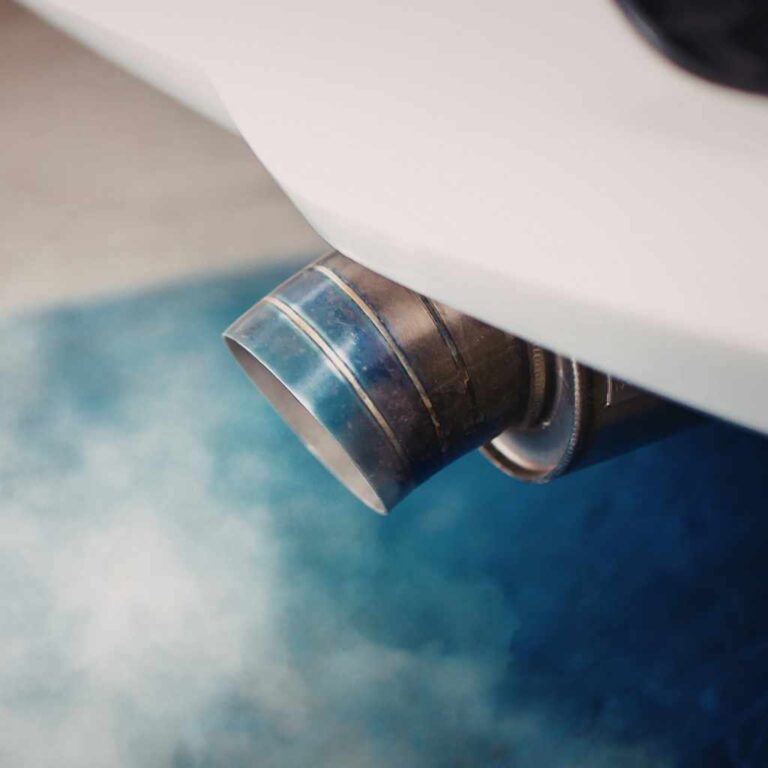
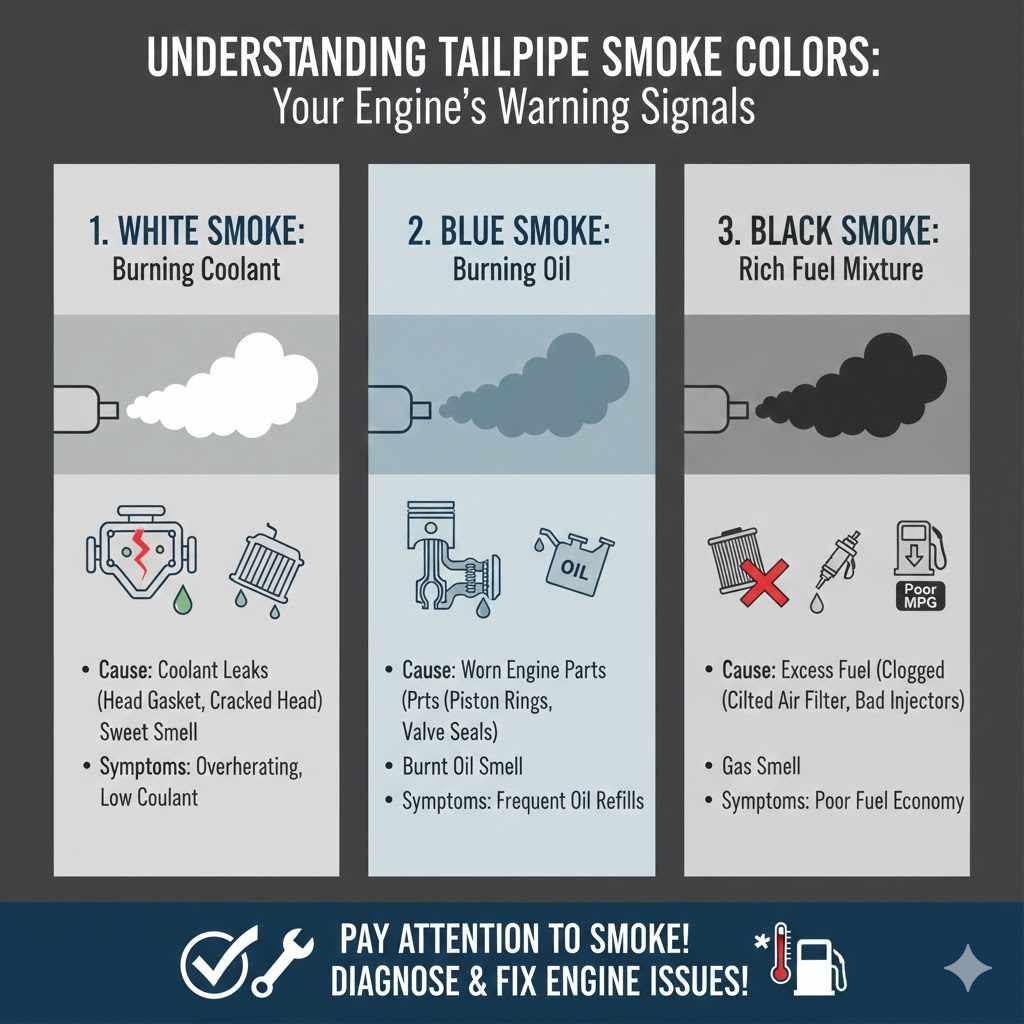
The color of the smoke coming from your car’s exhaust is a key indicator of what’s going on inside your engine. It’s like a warning light, but with smoke instead of a dashboard symbol. Different colors signal different issues, ranging from minor concerns to more serious problems that need immediate attention.
Paying attention to these colors can help you pinpoint the cause and take the right action quickly.
Mechanics often use smoke color as a first diagnostic clue. For example, white smoke might suggest coolant issues, while blue smoke usually points to oil burning. Black smoke is often related to fuel problems.
Understanding these basic color codes is the first step in knowing how to stop smoke from tailpipes fast.
White Smoke Explained
White smoke, especially when it’s thick and persistent, is often a sign that your engine is burning coolant. This happens when coolant leaks into the combustion chamber. It can leak from a cracked cylinder head, a blown head gasket, or a faulty intake manifold gasket.
When coolant enters the cylinders, it burns along with the fuel, creating a white, steamy exhaust. It might smell sweet due to the glycol in the coolant. If you notice your car overheating or your coolant level dropping without any visible external leaks, this is a strong indicator of an internal coolant leak.
A blown head gasket is a common culprit for white smoke. The head gasket seals the cylinders from the coolant and oil passages. When it fails, these fluids can mix or enter the combustion chamber.
Blue Smoke and Oil Burning
Blue or bluish-gray smoke usually means your engine is burning oil. This happens when engine oil gets into the combustion chamber and is burned along with the fuel. It typically smells like burnt oil.
Several parts can cause oil to enter the combustion chamber. Worn piston rings are a common cause; they’re supposed to scrape oil off the cylinder walls, but if they’re worn, oil can slip past and get burned. Worn valve seals or guides can also allow oil to leak down into the cylinders when the engine is off or at idle.
In older or high-mileage engines, wear and tear on these components are more likely. If you consistently need to add oil between changes, and you see blue smoke, it’s a strong sign that oil is being consumed.
Black Smoke and Fuel Issues
Black smoke is almost always an indication that your engine is running too rich, meaning it’s getting too much fuel relative to the amount of air. This is often called a “rich fuel mixture.” It can make your car smell like gasoline and might lead to poor fuel economy.
Common causes for a rich mixture include clogged air filters, faulty fuel injectors that are stuck open or leaking, a malfunctioning fuel pressure regulator, or sensor issues. A dirty or clogged air filter restricts airflow, making the engine think it needs more fuel.
Modern cars use various sensors, like the oxygen sensor and mass airflow sensor, to determine the correct fuel mixture. If these sensors are not working correctly, they can send incorrect information to the engine’s computer, leading to an improper fuel mixture and black smoke.
Common Causes and How to Stop Smoke from Tailpipes Fast
Addressing White Smoke Causes
If you’re seeing white smoke, the primary concern is coolant loss and potential engine damage. The most critical step is to have your cooling system inspected thoroughly. This involves checking the head gasket, cylinder head, and intake manifold for any signs of leaks or damage.
A mechanic will typically perform a “block test” to check for combustion gases in the coolant, which indicates a blown head gasket. They might also do a cooling system pressure test to find leaks. If a head gasket is blown, it’s a significant repair that involves removing the cylinder head.
In some less severe cases, very minor coolant leaks might be temporarily addressed with additives, but this is not a permanent solution and is generally not recommended for internal leaks. For persistent white smoke, repair is essential.
Real-life Example: Sarah noticed thick white smoke after starting her car on a cold morning. She also saw her temperature gauge climbing rapidly. A mechanic diagnosed a blown head gasket, which was allowing coolant to enter cylinder number 3.
The repair involved replacing the gasket and a minor resurfacing of the cylinder head. After the repair, the white smoke disappeared, and the car stopped overheating.
Resolving Blue Smoke Issues
Blue smoke means your engine is burning oil, and this needs to be addressed to prevent further damage and ensure proper engine lubrication. The solution depends on the cause. If worn piston rings are suspected, an engine rebuild or replacement might be necessary, especially for older vehicles where this is a common issue.
For issues with valve seals or guides, replacing these components can be a less invasive repair. This usually involves removing the valve cover and sometimes the camshaft. It’s a more manageable repair than a full engine rebuild.
Using a thicker weight oil, as recommended by your car’s manufacturer, can sometimes help reduce oil consumption in older engines with minor wear. However, this is a temporary measure and doesn’t fix the underlying problem. Regular oil changes and checks are vital.
Case Study: A delivery van driver noticed blue smoke and excessive oil consumption. The van had high mileage. A mechanic found worn valve seals.
Replacing these seals was significantly cheaper than a full engine overhaul. After the repair, the blue smoke stopped, and the oil consumption dropped to normal levels.
Fixing Black Smoke Problems
Black smoke signals an engine running too rich, and the fix usually involves cleaning or replacing components related to fuel and air delivery. Start with the basics: check and replace your engine air filter if it’s dirty. A clogged filter severely restricts airflow.
Next, consider the fuel injectors. They might need to be cleaned or replaced if they are leaking or not atomizing fuel properly. A mechanic can test fuel injectors for proper spray patterns and flow rates.
The fuel pressure regulator should also be checked to ensure it’s not causing too much fuel pressure.
Sensors like the oxygen sensor (O2 sensor) and the mass airflow (MAF) sensor play a crucial role in fuel mixture. If these sensors are faulty, they need to be
Sample Scenario: Your car starts to run rough, and you notice black smoke and a strong gasoline smell. You recently drove through a very dusty area. The first thing to check is the air filter.
If it’s clogged with dust and debris, replacing it might immediately resolve the black smoke and running issues.
DIY Checks and Maintenance Tips
Simple Checks You Can Do
Before taking your car to a mechanic, there are several simple checks you can perform yourself. These can often help you understand the problem better or even solve minor issues. Regularly checking your fluid levels is key.
Make it a habit to check your engine oil, coolant, and other vital fluids regularly. Look for any signs of leaks under your car. Also, pay attention to how your car starts, idles, and accelerates.
Any unusual sounds or smells should be noted.
Visual inspections of components like the air filter are also easy to do. You can usually access the air filter box by releasing a few clips or unscrewing a panel. Holding the old filter up to a light can show you how clogged it is.
Regular Vehicle Maintenance Importance
Consistent maintenance is the best way to prevent engine problems, including smoke from the tailpipe. This includes following your car’s recommended service schedule for oil changes, filter replacements, and tune-ups.
An oil change isn’t just about fresh oil; it also involves replacing the oil filter, which can get clogged over time. Similarly, fuel filters need periodic replacement to ensure clean fuel reaches the engine. Spark plugs, which ignite the fuel-air mixture, also wear out and need replacement.
Keeping up with maintenance ensures that all engine components are working optimally. This helps maintain the correct fuel-air mixture, prevents excessive wear on parts like piston rings, and keeps the cooling system functioning properly.
Key Maintenance Tasks
- Regular oil and filter changes: This keeps the engine lubricated and clean, preventing wear that can lead to oil burning. Aim for every 5,000-7,500 miles or as per your owner’s manual.
- Air filter replacement: A clean air filter ensures proper airflow for efficient combustion, preventing rich mixtures and black smoke. Check and replace every 15,000-30,000 miles.
- Coolant system checks: Ensure coolant levels are correct and the system is free of leaks. Flush and replace coolant every 30,000-60,000 miles to prevent overheating and internal component stress.
When to Seek Professional Help
While some checks are DIY-friendly, it’s essential to know when to call a professional mechanic. If you’re dealing with persistent smoke of any color, especially white smoke indicating potential coolant loss, it’s crucial to get it checked out.
Complex engine diagnostics require specialized tools and knowledge. Trying to fix major issues without the right expertise can lead to more significant damage and costly repairs. Trust your mechanic to diagnose and repair problems accurately.
If your car is showing warning lights on the dashboard, or if you notice significant changes in performance like loss of power, strange noises, or overheating, it’s time to seek professional assistance immediately.
Advanced Diagnostics and Solutions
Diagnostic Tools and Techniques
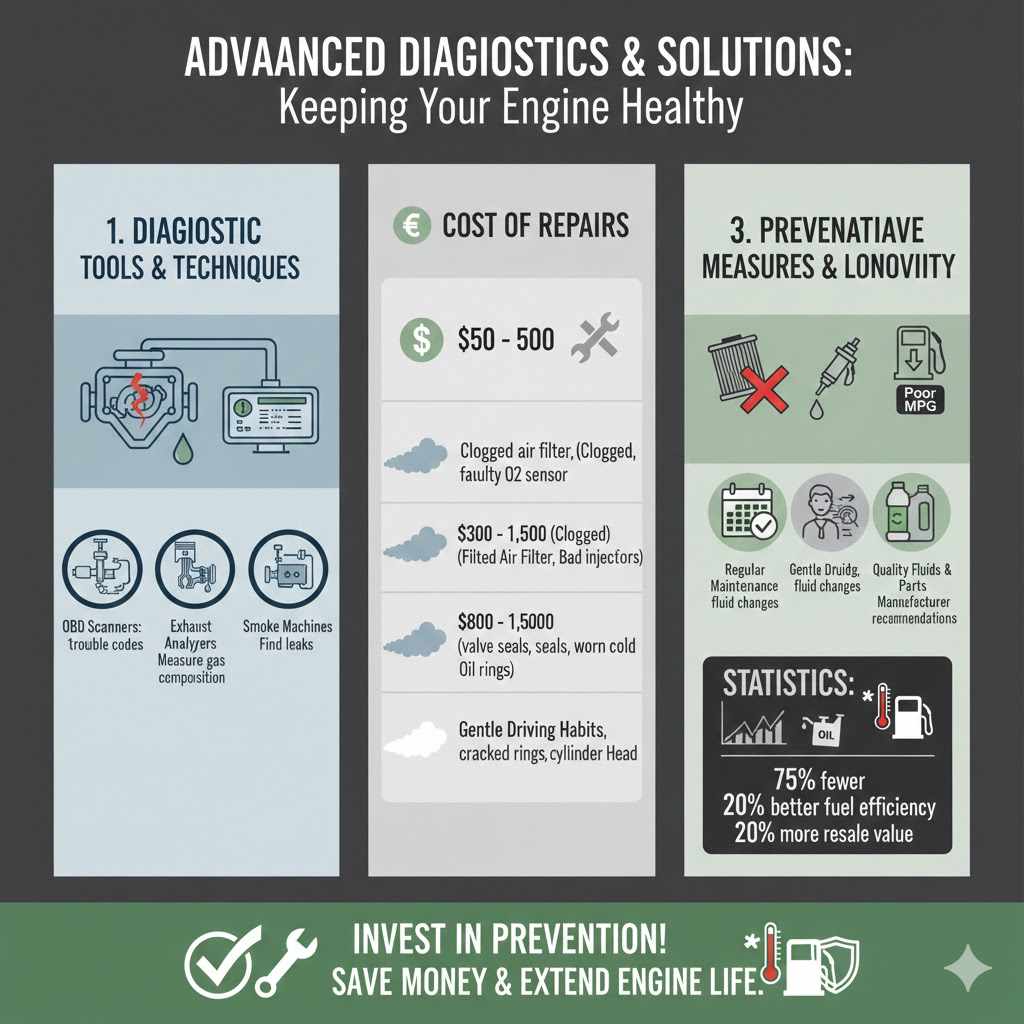
Modern vehicles are equipped with sophisticated onboard diagnostic (OBD) systems. Mechanics use OBD scanners to read trouble codes stored in the car’s computer, which can pinpoint specific issues with sensors, emissions systems, or engine performance. These codes provide a starting point for diagnosis.
Other advanced techniques include using a scope to look inside cylinders, performing compression tests to check piston ring health, and using exhaust gas analyzers to measure the exact composition of the exhaust gases. These tools help a mechanic make a precise diagnosis.
For coolant leaks, a cooling system pressure tester is used to pressurize the system and identify even small leaks that might not be visible otherwise. Similarly, a smoke machine can introduce inert smoke into the intake or exhaust system to reveal leaks.
Cost of Repairs
The cost of repairing tailpipe smoke issues varies greatly depending on the cause and the car’s make and model. Simple fixes like replacing an air filter or spark plugs might cost under $100.
More involved repairs, such as replacing valve seals, could range from a few hundred to over a thousand dollars. Replacing a head gasket is a more labor-intensive job and can cost anywhere from $1,000 to $3,000 or more, depending on the vehicle.
The most expensive repairs often involve internal engine work, like rebuilding or replacing an engine, which can cost several thousand dollars. It’s always a good idea to get a detailed estimate from your mechanic before authorizing any work.
| Issue | Typical Repair Cost Range | Example Cause |
|---|---|---|
| Black Smoke (Rich Mixture) | $50 – $500 | Clogged air filter, faulty O2 sensor |
| Blue Smoke (Oil Burning) | $300 – $1,500 (valve seals) $2,000 – $7,000+ (piston rings/engine rebuild) | Worn valve seals, worn piston rings |
| White Smoke (Coolant Burning) | $800 – $3,000+ | Blown head gasket, cracked cylinder head |
Preventative Measures and Longevity
The best approach to avoiding costly repairs is preventative maintenance. Regularly scheduled tune-ups, fluid changes, and inspections can catch small problems before they become big ones. For instance, keeping your cooling system in good condition can prevent overheating and potential head gasket failures.
Driving habits also play a role. Avoiding excessive revving when the engine is cold can reduce wear and tear on components like piston rings and valve seals. Gentle acceleration and braking, and allowing the engine to warm up properly, contribute to longevity.
Using high-quality fluids and parts recommended by your car manufacturer is also important. While cheaper alternatives might seem appealing, they can sometimes lead to premature wear or performance issues.
Statistics on Preventative Maintenance: A study by the Car Care Council found that performing regular maintenance could reduce the likelihood of unexpected breakdowns by up to 75%. Vehicles that receive regular maintenance also tend to have better fuel efficiency and a longer overall lifespan. For example, a 2018 report indicated that vehicles with consistent maintenance schedules retained up to 20% more value at resale.
Frequently Asked Questions
Question: Can I ignore white smoke from my tailpipe?
Answer: No, white smoke is often a serious sign of coolant burning and can lead to severe engine damage if not addressed promptly. It’s best to have it checked by a mechanic immediately.
Question: How often should I check my car’s oil?
Answer: You should check your car’s oil at least once a month, and more often if you notice any signs of oil leaks or if your car is older or has high mileage.
Question: Is black smoke always a sign of a major problem?
Answer: Black smoke usually indicates a rich fuel mixture, which can range from a simple fix like a dirty air filter to more complex issues with fuel injectors or sensors. While not always catastrophic, it needs attention to improve performance and prevent further issues.
Question: Can I drive my car if it’s smoking?
Answer: It depends on the color and severity of the smoke. Minor white vapor on a cold start is normal, but persistent colored smoke suggests a problem. Driving with significant smoke, especially white smoke, can cause severe engine damage and is not recommended.
Question: How can I stop smoke from tailpipes fast if I’m on a road trip?
Answer: If you experience smoke on a road trip, the best immediate action is to pull over safely and assess the situation. Check fluid levels if possible. If the smoke is significant or concerning, it’s advisable to call for roadside assistance or get to the nearest repair shop rather than risking further damage by continuing to drive.
Summary
Seeing smoke from your car’s tailpipe can be concerning, but understanding the colors—white for coolant, blue for oil, and black for fuel—provides a clear starting point. Many common causes can be fixed with regular maintenance or straightforward repairs. Addressing these issues promptly ensures your car runs smoothly and prevents costly damage.