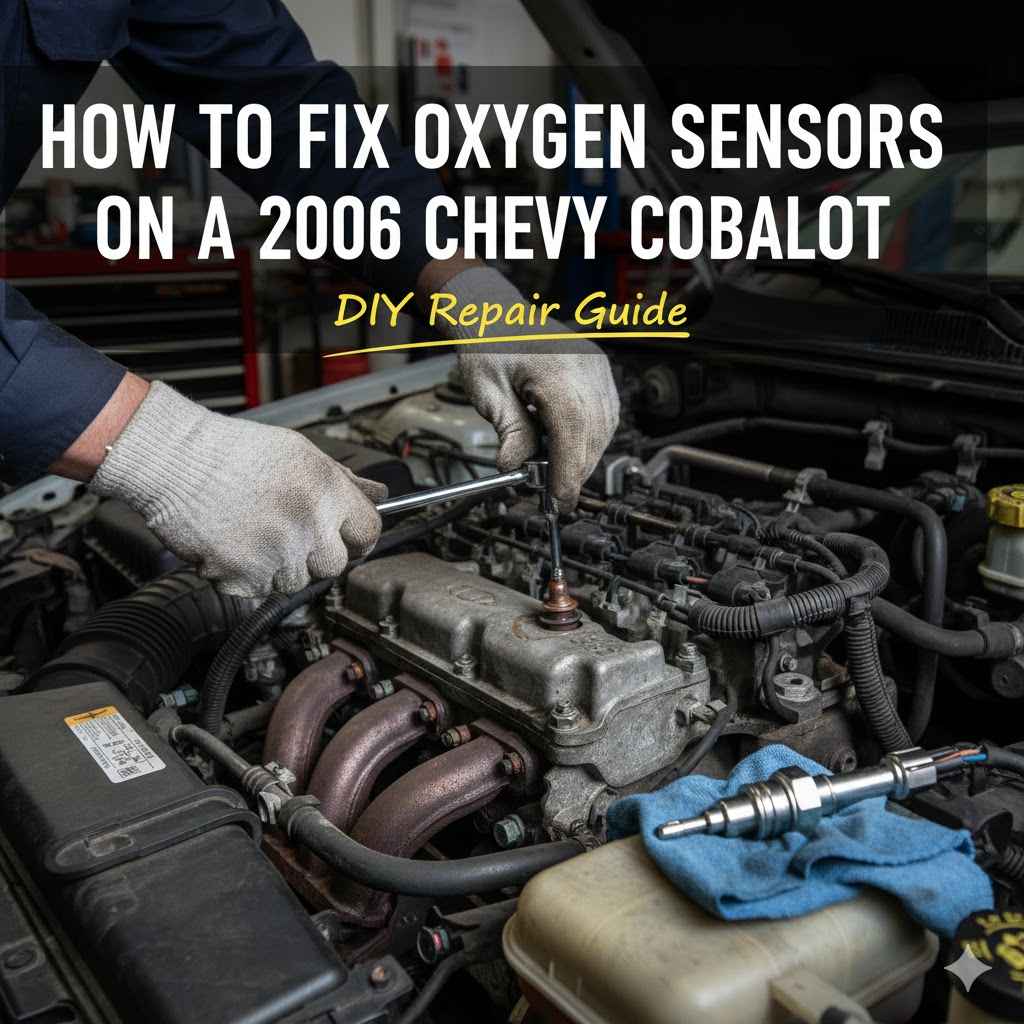
How to Fix Oxygen Sensors on a 2006 Chevy Cobalt
When your check engine light pops on, it can be a bit worrying, especially if you’re not a seasoned mechanic. Figuring out How to Fix Oxygen Sensors on a 2006 Chevy Cobalt might sound tricky at first. Many car owners find these repairs a little confusing because oxygen sensors are small but important parts.
But don’t worry, this guide will make it easy. We’ll walk you through each step so you can get your car running smoothly again.
Understanding Oxygen Sensors
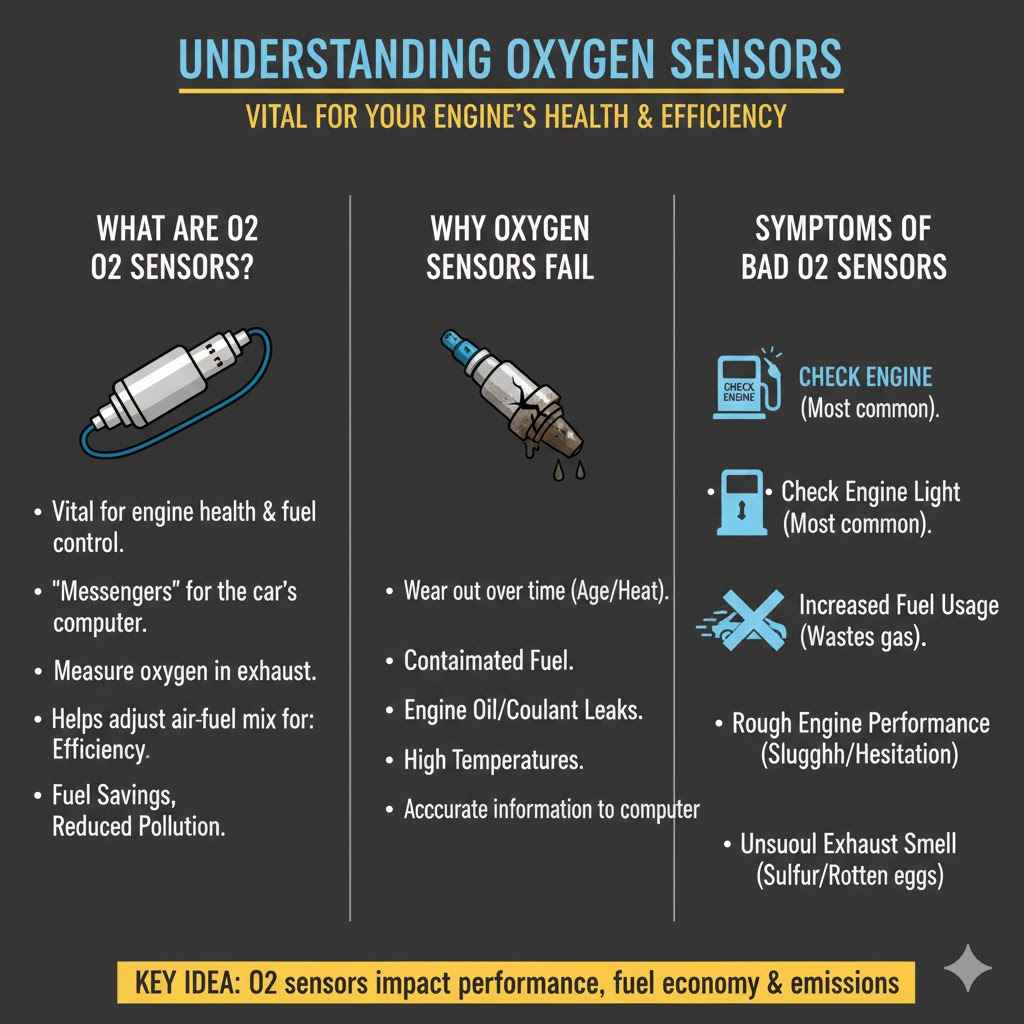
Oxygen sensors, often called O2 sensors, are vital for your car’s engine to run well. They help control how much fuel your engine uses. Think of them as tiny messengers that tell your car’s computer if there’s too much or too little oxygen in the exhaust. This information helps the computer adjust the air and fuel mix. A good air-fuel mix means your engine runs efficiently, saves gas, and pollutes less.
Why Oxygen Sensors Fail
Oxygen sensors don’t last forever. They can get worn out over time. Other things can cause them to fail too.
Contaminated fuel can damage the sensor.
Engine oil leaks can get onto the sensor.
Coolant leaks can also harm the sensor.
Age and high temperatures in the exhaust system can make them stop working.
When an O2 sensor isn’t working right, your engine’s computer doesn’t get accurate information. This can lead to several problems.
Symptoms of Bad Oxygen Sensors
You might notice a few signs if your oxygen sensors are failing. Your car might not drive the same.
Your check engine light will probably turn on. This is the most common sign.
Your car might use more gas than it used to. Because the air-fuel mix is off, the engine wastes fuel.
You might notice your car running rough. It could feel sluggish or hesitate when you press the gas.
Sometimes, you might smell a difference in your exhaust. It might smell a bit like rotten eggs.
Your car might fail an emissions test if the sensors aren’t working.
How to Fix Oxygen Sensors on a 2006 Chevy Cobalt
Fixing the oxygen sensors on your 2006 Chevy Cobalt is a task you can do yourself with the right tools and a little patience. We’ll break it down into manageable steps.
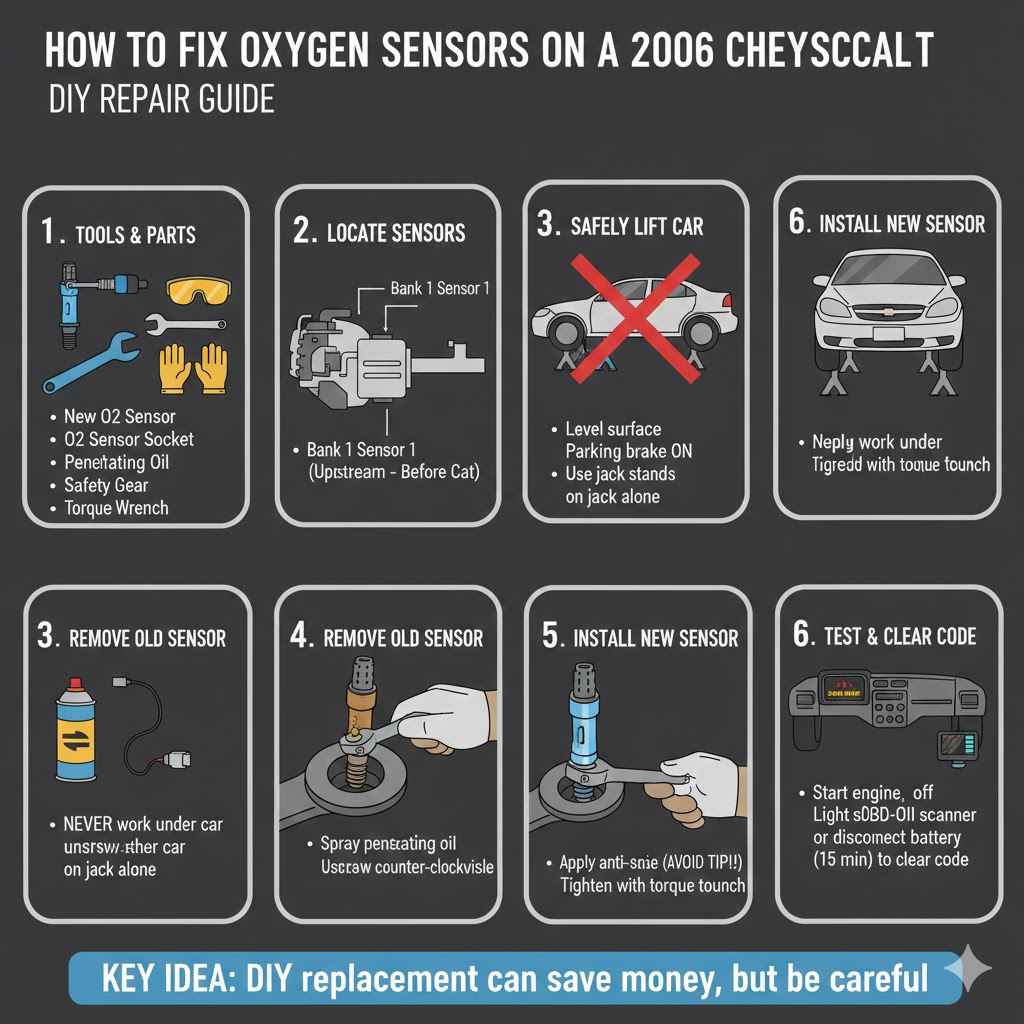
Gather Your Tools and Parts
Before you start, make sure you have everything you need.
New oxygen sensor(s): Make sure you get the correct ones for your 2006 Chevy Cobalt. There are usually two. One is before the catalytic converter, and one is after. They might have different part numbers.
Socket wrench set: You’ll need a special O2 sensor socket, which has a slit to fit around the wire.
Penetrating oil: This helps loosen stubborn bolts.
Safety glasses: Always protect your eyes.
Gloves: To keep your hands clean.
Jack and jack stands: To safely lift your car.
Torque wrench: For tightening the new sensor correctly.
Wire brush: To clean the threads.
Locate the Oxygen Sensors
Your 2006 Chevy Cobalt has at least two oxygen sensors.
Bank 1 Sensor 1: This is the upstream sensor. It’s usually located on the exhaust pipe before the catalytic converter.
Bank 1 Sensor 2: This is the downstream sensor. It’s usually located on the exhaust pipe after the catalytic converter.
Look under your car. You’ll see the exhaust pipe coming from the engine. The catalytic converter looks like a metal box in the exhaust system. The sensors screw into this pipe.
Safely Lift Your Car
Make sure your car is parked on a level surface. Engage the parking brake. Use your jack to lift the front of the car. Place jack stands under the frame at the recommended points. Lower the car onto the jack stands. Never work under a car supported only by a jack.
Remove the Old Oxygen Sensor
This step can be tricky if the sensor is old and stuck.
Spray penetrating oil on the old sensor. Let it soak for about 15-20 minutes. This helps loosen any rust or corrosion.
Find the electrical connector for the O2 sensor. Unplug it. There’s usually a clip you need to press.
Using your O2 sensor socket and a wrench, try to unscrew the old sensor. Turn it counter-clockwise.
If it’s very tight, you might need to apply steady pressure. Sometimes, a little heat from a propane torch can help, but be very careful not to damage surrounding parts or start a fire. Only do this if you are comfortable and know what you are doing.
Once it’s loose, unscrew it by hand.
Prepare the New Oxygen Sensor
Before you install the new sensor, inspect it.
Some new sensors come with anti-seize compound already on the threads. If yours doesn’t, you’ll need to apply a small amount of high-temperature anti-seize compound to the threads. Do NOT get any anti-seize on the sensor tip.
Make sure the threads on the new sensor are clean and match the old one.
Install the New Oxygen Sensor
This is the reverse of removal.
Carefully thread the new sensor into the exhaust pipe by hand. Make sure it’s going in straight to avoid cross-threading.
Once it’s hand-tight, use your O2 sensor socket and wrench to snug it up.
Do not overtighten it. Overtightening can damage the threads in the exhaust pipe or the sensor itself. Check the new sensor’s instructions for a torque specification if you have a torque wrench.
Plug the electrical connector back in. Make sure it clicks into place.
Lower Your Car
Carefully jack up the car again. Remove the jack stands. Slowly lower the car to the ground.
Test Your Work
Once everything is back together and the car is on the ground, start the engine. The check engine light should turn off after a few minutes if the problem was indeed the O2 sensor. If it stays on, you might need to clear the code with an OBD-II scanner or there might be another issue.
Clearing the Check Engine Light
After replacing the sensor, the check engine light might stay on. This is because the car’s computer still remembers the old error code. You can try a few things to clear it:
Disconnecting the car battery for about 15 minutes. This resets the computer. Make sure to write down your radio presets first.
Using an OBD-II scanner. Many auto parts stores will scan your car for free, and some allow you to clear codes yourself.
Frequently Asked Questions
Question: How much does it cost to replace an oxygen sensor on a 2006 Chevy Cobalt?
Answer: The cost can vary. A single oxygen sensor part usually costs between $50 and $150. If you do the work yourself, your main cost is the part.
If you take it to a mechanic, you might pay an additional $50 to $150 for labor, depending on their hourly rate and how long it takes.
Question: Can I drive my 2006 Chevy Cobalt with a bad oxygen sensor?
Answer: Yes, you can usually still drive your car with a bad oxygen sensor. However, it’s not recommended for long periods. Your car will likely use more gas, run less efficiently, and could cause damage to other parts of your exhaust system, like the catalytic converter, which is very expensive to replace.
Question: How long does a new oxygen sensor last?
Answer: A new oxygen sensor typically lasts between 60,000 to 100,000 miles, but this can depend on driving conditions and how well your engine is maintained. Regular maintenance can help extend the life of your O2 sensors.
Question: Do I need to replace both oxygen sensors at the same time?
Answer: It’s often a good idea to replace both upstream and downstream sensors at the same time, especially if they are both old. If one has failed, the other might not be far behind. This can save you the trouble of doing the job again soon.
Question: What does an OBD-II scanner do for oxygen sensor issues?
Answer: An OBD-II scanner can read the error codes stored in your car’s computer that indicate a problem with the oxygen sensor. It will often tell you which specific sensor is faulty (e.g., Bank 1 Sensor 1). It can also be used to clear the check engine light after you’ve replaced the sensor.
Final Thoughts
Fixing the oxygen sensors on your 2006 Chevy Cobalt is a manageable DIY job. By gathering the right tools and following these simple steps, you can tackle this common car repair. You’ll save money and get your car back to running smoothly and efficiently. This guide provides the straightforward process to replace your O2 sensors.
Wrap Up
Replacing your oxygen sensors on a 2006 Chevy Cobalt is a practical repair. You now know how to identify the sensors, remove the old ones, and install new ones. This skill helps your car run better and saves you money. You can confidently get your car back in top shape.