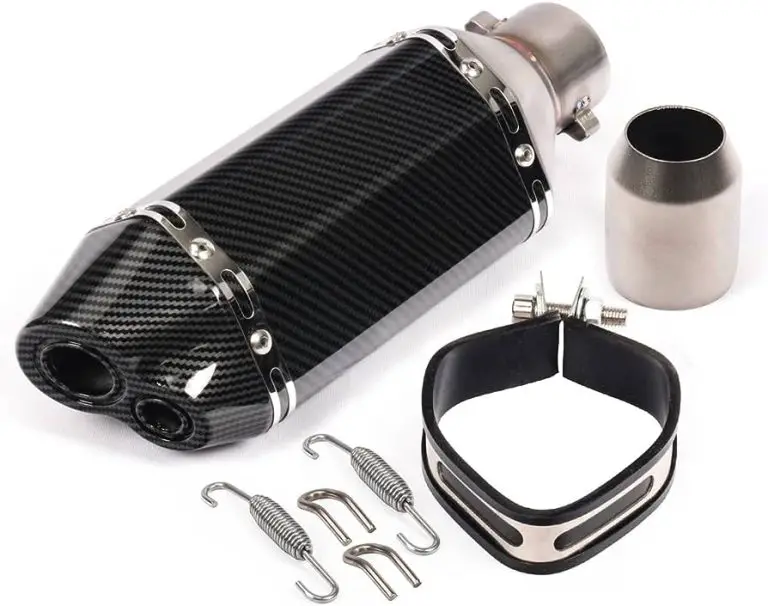
How to Add Resonance Arrows: Genius Mastery
Mastering how to add resonance arrows involves understanding their purpose and installing them correctly. These small but vital components enhance the exhaust note by fine-tuning sound waves, leading to a richer, more satisfying tone without compromising performance. This guide breaks down the process with simple steps anyone can follow.
Ever listen to a car with a deep, throaty exhaust note and wish yours sounded just as cool? You’re not alone! Many car owners dream of that perfect rumble. Sometimes, the difference between a mild hum and a powerful sound lies in the details – like resonance arrows. These aren’t the kind of arrows you shoot from a bow; they’re clever little additions to your exhaust system that can seriously boost its sound quality. Don’t worry if this sounds complicated. I’m here to make it easy for you. We’ll go through exactly what resonance arrows are, why they matter, and how you can add them to your ride to get that amazing exhaust sound you’ve been wanting. Let’s get your exhaust sounding its absolute best!
What Exactly Are Resonance Arrows?
Think of your car’s exhaust system like a musical instrument. It’s designed to channel gases, but it also creates sound. Resonance arrows, also known as Helmholtz resonators or simply “resonators,” are specifically designed parts that help shape this sound. They work by using a tuned air cavity to cancel out unwanted sound frequencies, particularly those that are annoying or cause drone. In simpler terms, they’re like a muffler’s best friend, cleaning up the sound and making it sound more focused and pleasing.
The goal of a resonance arrow is to target specific sound waves. When the exhaust gases flow through the pipe, they create a lot of noise. Some of this noise is the deep, satisfying rumble we like, but some of it can be a high-pitched whine or a low, droning hum that gets annoying on long drives. Resonance arrows are specifically tuned to those unwanted frequencies. When the sound waves hit the chamber within the resonator, they bounce around and create a counter-wave that effectively cancels out the unwelcome noise. It’s a bit like noise-canceling headphones for your car!
Why Bother with Resonance Arrows?
Adding resonance arrows isn’t just about making your car louder; it’s about making it sound better. Here’s why they’re a popular upgrade for enthusiasts:
Refined Exhaust Note: They help eliminate unwanted drone and rasp, leaving you with a cleaner, deeper, and more enjoyable exhaust tone.
Performance Tuning: While their primary role is sound, by optimizing flow and reducing certain vibrations, some argue they can indirectly support better exhaust gas scavenging, though this is a subtle effect.
Customization: They offer a way to fine-tune the exhaust sound to your personal preference without resorting to overly loud or obnoxious setups.
Drone Reduction: This is a big one. Many aftermarket exhaust systems can create an annoying drone at certain RPMs. Resonance arrows are excellent at combating this.
Understanding Your Exhaust System’s Sound
Before we dive into adding resonance arrows, it’s helpful to understand how your exhaust makes noise. The exhaust system starts at the engine’s cylinders, where combustion creates hot gases. These gases travel through:
1. Exhaust Manifold: Collects gases from each cylinder.
2. Catalytic Converter: Reduces harmful emissions.
3. Resonator(s): (Sometimes called a “primary muffler”) These can help reduce some of the initial noise.
4. Muffler: The main component designed to quiet the exhaust significantly.
5. Tailpipe: Where the gases exit the vehicle.
Sound is essentially waves of pressure. Your engine creates a chaotic mix of these waves. The factory exhaust system is designed to muffle this as much as possible for comfort and noise regulations. Aftermarket systems often aim for a sportier sound, but sometimes they miss the mark, introducing unwanted frequencies. Resonance arrows are a targeted solution for these specific sound issues.

Types of Resonance Arrows (Resonators)
There are a few ways resonance can be addressed in an exhaust system. When people talk about “adding resonance arrows,” they often mean adding specific devices.
1. Helmholtz Resonators
These are the classic “tuned chamber” resonators. They consist of a sealed chamber connected to the main exhaust pipe by a narrow opening or a perforated tube. The size and volume of the chamber are critical. They are specifically calculated to counteract a particular frequency.
Design: A hollow cavity with a specific volume.
Function: Cancels out a targeted sound frequency through resonance.
Effectiveness: Very effective for specific drone frequencies.
2. Expansion Chambers
These are less common as a standalone “arrow” but are part of many muffler designs or can be fabricated. They are areas where the exhaust pipe expands into a larger volume and then narrows back down. This change in volume can alter sound waves, including reducing intensity.
Design: A section of pipe that abruptly widens.
Function: Can reduce noise by slowing down and dissipating gas energy.
Effectiveness: Less targeted than Helmholtz resonators for specific frequencies.
3. Active Sound Systems
These are high-tech and not what we’re discussing for a DIY addition. They use speakers to generate counter-frequencies, common in premium vehicles to enhance or simulate exhaust sound electronically.
For our purposes, we’re focusing on the DIY application of adding a Helmholtz-style resonator.
Planning Your Resonance Arrow Installation
Before you grab a wrench, a little planning goes a long way. This isn’t just about slapping on a part; it’s about strategic placement and understanding what you want to achieve.
Step 1: Identify the Problem Frequency (The Drone)
The most common reason to add resonance arrows is to eliminate an annoying drone.
How to find it: Drive your car at different speeds, especially on the highway, and pay attention to when you hear that constant, irritating hum or vibration. Note the RPM range and speed at which it occurs. This is the frequency you’ll want to target.
Why it matters: A resonance arrow is tuned to a specific frequency. If you don’t know which frequency to target, you might install a resonator that doesn’t help or even makes things worse.
Step 2: Choose the Right Resonator
Resonators come in various sizes and lengths. The dimensions determine the frequency they will cancel.
Pre-made Resonators: Many performance exhaust companies sell universal resonators designed to tackle common drone ranges. These are often the easiest for beginners. Look for ones that specify the frequency they are tuned for, or are marketed for suppressing highway drone.
Custom Fabrication: A more advanced option is to have a custom resonator built. This requires precise calculations based on your exhaust diameter and the target frequency. This is best left to professional exhaust shops if you’re not experienced with acoustic calculations. You can find calculators online, but understanding the inputs can be tricky for beginners.
Here’s a general idea of how resonator tuning works, though precise formulas are complex and depend on many factors:
| Resonator Type | Description | Primary Function | DIY Friendliness |
|---|---|---|---|
| Helmholtz (Chamber) | A sealed chamber connected by a tube. | Cancels specific drone frequencies. | Moderate (with pre-made units). |
| Helmholtz (S-type) | A chamber with a perforated tube inside. | Broader frequency cancellation or deeper tone. | Moderate to High (with pre-made units). |
| Absorption Muffler | Uses baffles and fiberglass packing. | General sound damping. | Low (part of muffler design). |
Step 3: Determine Placement
Where you install the resonance arrow is crucial for its effectiveness.
Near the Source: Generally, resonators work best when placed closer to the area where the unwanted noise is generated. For exhaust drone, this is often in the mid-pipe section, after the catalytic converter but before the main muffler, or even between catalytic converters if you have dual exhaust.
Space Constraints: You’ll need to find a spot where there’s enough clearance around the exhaust pipe and no interference with other components of your car (like the driveshaft, fuel tank, or suspension).
Heat: The exhaust gets incredibly hot. Ensure the resonator and its mounting will not be too close to heat-sensitive parts.
Step 4: Gather Your Tools and Materials
You’ll need a few things to get the job done safely and effectively:
New Resonator: The one you’ve chosen.
Exhaust Clamps: High-quality, stainless steel clamps are essential for a secure fit.
Exhaust Pipe Section (if needed): You might need a short piece of pipe to adapt the resonator into your existing system.
Cutting Tool: An exhaust pipe cutter, a Sawzall with a metal cutting blade, or an angle grinder with a cutting wheel.
Measuring Tape: For precise measurements.
Safety Gear: Safety glasses, gloves, and ideally a mechanic’s creeper for comfort.
Jack and Jack Stands: To safely lift your vehicle. Never rely on a jack alone! For more on vehicle safety, check out resources like NHTSA’s guidance on vehicle safety.
Wire Brush: To clean the exhaust pipe ends.
Pen or Marker: To mark cut lines.
Optional: Welder (if you’re going for a permanent and robust installation and have the skills). For beginners, clamps are usually sufficient and easier.
Step-by-Step Guide: Adding Resonance Arrows
Ready to get to work? Follow these steps carefully. Remember, safety is paramount when working under a vehicle.
Step 1: Safely Lift and Secure Your Vehicle
Park your car on a level, hard surface.
Engage the parking brake firmly.
Use your jack to lift the vehicle at the manufacturer’s specified jacking points.
Place sturdy jack stands under the designated support points on the frame or suspension.
Slowly lower the vehicle onto the jack stands. Give the vehicle a gentle push to ensure it’s stable.
Remove the jack or leave it as a backup, but never work under a vehicle supported only by a jack.
Step 2: Locate and Mark Where to Cut
Once under the car, find the exhaust pipe section where you’ve decided to install the resonator.
Measure the outer diameter of your existing exhaust pipe.
Measure the length of the resonator you plan to install, including any inlet/outlet pipes.
You’ll typically need to cut out a section of your existing exhaust pipe that matches the length of the resonator you’re adding.
Use a marker to draw a clean, straight line around the pipe where you will cut for removal. Do the same on the opposite side for the second cut. Be precise!
Step 3: Cut and Remove the Exhaust Section
Wearing your safety glasses and gloves, carefully use your chosen cutting tool (pipe cutter, Sawzall, or angle grinder) to cut through the exhaust pipe at your marked lines.
Take your time and make sure your cuts are as straight and clean as possible.
Once both cuts are made, the section of pipe should be removable. You might need to gently pry it out.
Step 4: Prepare the Pipe Ends
Use a wire brush to thoroughly clean the ends of the remaining exhaust pipe where the new resonator will attach. This ensures a good seal.
If your new resonator has inlet/outlet pipes that are a slightly different diameter than your existing exhaust, you might need an exhaust adapter or reducer to ensure a snug fit.
Step 5: Position and Install the Resonator
Slide the new resonance arrow into the gap you’ve created. Ensure it’s oriented correctly (check manufacturer instructions for inlet/outlet).
Make sure the resonator is centered in the gap, with equal spacing on both sides.
If you are using clamps, slide the exhaust clamps over the ends of the existing exhaust pipe and the inlet/outlet of the new resonator.
Align the resonator so it sits straight and doesn’t interfere with any other parts of the vehicle.
Step 6: Secure the Resonator with Clamps
Tighten the exhaust clamps snugly. You want a tight seal to prevent exhaust leaks, but avoid overtightening to the point of crushing the pipes or clamps.
Check the alignment again. Make sure the resonator and pipes are parallel and centered.
If your resonator came with new piping to connect, ensure those connections are also secured with their own clamps.
Step 7: Final Checks and Testing
Lower your vehicle carefully off the jack stands.
Visually inspect the entire installation one last time. Look for any signs of leaks, proper alignment, and secure fit.
Start your engine. Listen carefully for any signs of exhaust leaks (hissing or puffing sounds). You can sometimes use a bit of soapy water on the connections; if bubbles form, you have a leak.
Take your car for a test drive. Pay attention to the exhaust sound at different RPMs and speeds, especially in the range where you previously noticed drone.
You should notice a significant reduction in the unwanted drone and a cleaner, deeper sound.
Troubleshooting Common Issues
Even with careful planning, you might encounter a few snags:
Exhaust Leaks: If you hear hissing or a rougher sound, your clamps might not be tight enough, or the pipe ends might not be perfectly clean/aligned. Re-tighten clamps or check for debris. Sometimes, exhaust sealant can help seal minor gaps.
Resonator Rattling: If the resonator is touching another part of the car’s undercarriage, it can rattle. Ensure there’s adequate clearance all around.
Still Not the Sound You Want: If the drone persists or the sound isn’t quite right, it could be that the resonator’s frequency tuning isn’t a perfect match for your specific exhaust note or the drone frequency. You might need a different type or size of resonator, or professional tuning.
Advanced Considerations and Professional Help
While adding resonance arrows with clamps can be a great DIY project, there are more permanent and potentially more effective methods:
Welding vs. Clamping
Clamping: Easier, reversible, and good for beginners. Can sometimes develop leaks over time if not properly maintained.
Welding: Provides a leak-proof, permanent, and often cleaner-looking installation. Requires welding equipment and expertise. If you choose this route, and aren’t a welder, it’s best to have an exhaust shop do it. They have the tools and experience.
Professional Exhaust Shops
If you’re unsure about any part of this process – from identifying the correct frequency to safely cutting and fitting parts – an exhaust specialist is your best bet. They can:
Diagnose your specific sound issues.
Fabricate custom resonators perfectly tuned to your vehicle.
Weld the resonator for a professional, durable finish.
Ensure the installation meets all safety and regulatory standards.
For instance, reputable exhaust shops often have specialized equipment and knowledge. You can find local shops through online searches and read reviews to gauge their expertise.
Legal and Emission Considerations
It’s important to remember that modifying your exhaust system can have implications.
Emissions: Resonance arrows (Helmholtz resonators) primarily affect sound and are generally not considered emissions control devices. However, ensure you don’t alter or remove your catalytic converter, which is crucial for emissions. For information on emissions regulations, consult your local Environmental Protection Agency (EPA) resources.
Noise Ordinances: Be aware of local laws regarding vehicle noise levels. While resonance arrows aim for a refined sound and often reduce noise, extremely loud or modified exhausts can be illegal.

Frequently Asked Questions (FAQ)
Q1: Do resonance arrows actually make my car louder?
A1: Typically, no. Resonance arrows are designed to cancel out specific unwanted sound frequencies, like drone or rasp. The goal is to make the exhaust sound better and cleaner, not necessarily louder.
Q2: Can I use a regular muffler as a resonance arrow?
A2: Not effectively. Mufflers are designed for broad sound reduction, containing chambers and baffles that work on a wider range of frequencies. Resonance arrows are specifically tuned to very narrow frequency bands.
Q3: How do I know which frequency my car’s drone is?
A3: The best way is to listen for it while driving. Note the RPM and speed. Online forums for your specific car model might also have discussions where owners have identified drone frequencies. Some advanced diagnostic tools can also measure sound frequencies if you have access to them.
Q4: Is it okay to have multiple resonance arrows on my exhaust?
A4: Yes, it’s possible. Some complex exhaust systems might use multiple resonators tuned to different frequencies to achieve a very specific sound profile or eliminate multiple drone points. However, for most beginners, one well-placed resonator is sufficient.
Q5: Can I just weld a straight pipe section in place of the resonator?
A5: You can, but this will generally make your exhaust louder and potentially introduce more unwanted noise or drone, depending on the exhaust system’s design. If your goal is a better sound, replacing a section with a straight pipe is usually counterproductive.