How To Achieve Resonance In Singing: Essential Guide
Achieving resonance in singing is about using your body’s natural amplifiers—your chest, throat, and head cavities—to make your voice louder and richer without straining. Focus on relaxed breathing, open throat posture, and proper placement of sound. Mastering resonance transforms your singing from weak to powerful and beautiful.
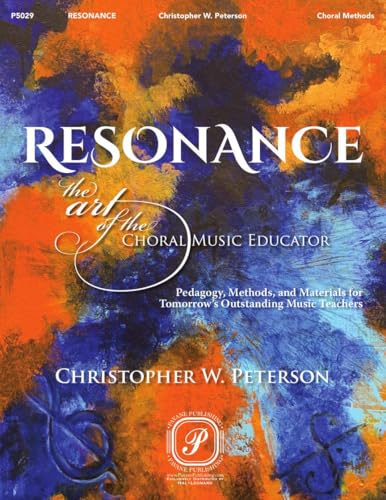
As an Amazon Associate I earn from qualifying purchases.
Have you ever sung a note and felt it just float away, lacking that satisfying fullness? Or maybe you’ve heard other singers whose voices seem to fill the room effortlessly, rich and vibrant. That special quality is called resonance, and it’s a key ingredient for a powerful and beautiful singing voice. Many beginners find it tricky to grasp, but getting that sound to really “ring” is totally achievable. Think of it like tuning a musical instrument; you’re learning to use your own body as a natural amplifier. We’ll break down exactly how you can tap into this amazing power, step-by-step, so your voice can truly sing.
Understanding the Basics: What is Singing Resonance?
Resonance in singing is the process where your vocal cords produce a sound, and then that sound is amplified and colored as it vibrates through the open spaces in your body. These spaces are called resonators. They’re like the body of your guitar or the chamber of a trumpet, making the initial sound much bigger and more interesting. Without good resonance, your voice might sound thin, breathy, or weak, even if you’re technically singing the right notes.
Think of it this way: your vocal cords are the initial source of sound, like a small buzzer. Your resonating cavities—your chest, throat, mouth, and nasal passages—are what make that buzzer sound like a full orchestra. When these cavities are open and relaxed, they allow the sound waves to bounce around and grow stronger, projecting outward with more power and beauty.
Learning to control and direct this amplification is what separates an amateur singer from a seasoned performer. It’s not about shouting louder; it’s about making your existing sound much more efficient and pleasing to the ear. This guide is designed to help you understand and harness this power naturally and safely.

The Three Main Resonating Cavities
Your body has several areas that act as natural amplifiers for your voice. Think of them as different rooms in a house, each with a unique sound quality. To achieve great resonance, you need to understand how to use these spaces effectively.
- Chest Resonance: This is the lowest resonating space, felt primarily in your chest and upper torso. It provides a warm, full, and powerful quality to the voice, especially noticeable in lower notes. When you feel a vibration in your chest, you’re likely engaging chest resonance.
- Throat/Pharyngeal Resonance: Located in the back of your throat (the pharynx), this space influences the richness and intensity of your tone. Keeping this area open and relaxed is crucial. It acts as a bridge, connecting the energy from your breath and vocal cords to the upper resonators.
- Head Resonance (Mask Resonance): This refers to the vibrations felt in the upper parts of your head, including your nasal passages, sinuses, and even the forehead. It adds brightness, clarity, and projection to your voice, helping your higher notes to ring and carry. Often, singers talk about “singing in the mask,” which refers to directing sound to this area.
The magic of singing resonance happens when you learn to blend these spaces rather than relying on just one. A balanced singer uses a combination of chest, throat, and head resonance to create a full, rich, and projected sound across their entire range.
Step-by-Step Guide: How to Achieve Resonance in Singing
Ready to make your voice resonate? Follow these steps to start feeling and hearing the difference. Remember, consistency is key, so practice these exercises regularly.
Step 1: Master Your Breath Support
Resonance starts with a solid foundation: your breath. Without proper breath support, you won’t have the consistent air pressure needed to make your resonators work effectively. Think of your breath as the fuel that powers your voice.
- Diaphragmatic Breathing: This is the most crucial element. Instead of shallow breaths into your chest, focus on deep breaths into your belly. Place your hand on your stomach. When you inhale, your stomach should expand outwards, not your shoulders rising.
- Controlled Exhalation: As you exhale, imagine a slow, steady flow of air. Try hissing on an ‘s’ sound, trying to make it last as long as possible. This teaches you to control the release of air, which is essential for sustained notes and resonant tone.
Practice Tip: Lie on your back and place a book on your stomach. Inhale slowly, aiming to lift the book with your expanding abdomen. Exhale slowly, letting the book fall. This helps you feel the diaphragm working.
Step 2: Relax Your Throat and Jaw
A tense throat is a constricted throat, and it kills resonance. Your throat needs to be open and relaxed, like a clear channel for sound. Tension here will make your voice tight and strained, preventing sound from vibrating freely.
- Yawn and Sigh: Mimic a big, luxurious yawn. Notice how the back of your throat opens up? Try to maintain that open feeling. Follow it with a relaxed sigh, letting the sound escape easily.
- Jaw Release: Gently massage your jaw muscles. Let your jaw hang loosely. Practice speaking or humming with a relaxed jaw, ensuring it doesn’t clamp shut.
- Tongue Position: Your tongue should rest naturally at the bottom of your mouth, not pushing against your teeth or arching upwards. A common helpful posture is to have the tip of your tongue lightly touching behind your lower front teeth.
Practice Tip: While humming, gently touch your throat. You should feel vibrations, but not tightness. If it feels tense, you might be forcing it.
Step 3: Find Your Vocal Placement
Vocal placement is about directing the sound to resonate in specific areas. This is where you start to feel the “ring” in your voice. You’re not pushing the sound “up”; you’re allowing it to vibrate in those chosen cavities.
- Humming for Chest Resonance: Hum on a comfortable note with an ‘M’ sound. Feel the vibration in your chest. Try to sustain the hum evenly. This is a great way to connect with your lower resonating space.
- Nasal Consonants for Mask Resonance: Sing on ‘N’ or ‘NG’ sounds. Feel the vibration in your nasal passages and around your cheeks and nose (your “mask” area). Try sliding up and down in pitch on these sounds. This helps you feel where your sound is projected. For more on vocal techniques, resources like The National Center for Voice and Speech offer valuable insights into vocal production.
- Vowel Exploration: Once you can feel chest and mask resonance, start applying it to vowels. Try singing an “Ah” sound, aiming to feel both the chest warmth and the mask buzz. This often requires a balance.
Practice Tip: Hum a simple melody and try to shift the sensation of vibration from your chest to your “mask” area without changing the loudness or forcing the sound.
Step 4: Explore Vowels and Their Resonances
Vowels are the carriers of melody and resonance. Each vowel sound naturally utilizes and emphasizes different resonating spaces. Learning to maintain consistency and resonance across vowels is crucial.
- “Ah” (as in father): Generally favors chest resonance and can open up the throat for a rich sound.
- “Ee” (as in see): Tends to favor head resonance and can feel brighter and higher in placement.
- “Oo” (as in too): Also tends to go towards head resonance but can feel rounder and fuller.
- “Oh” (as in go): A good blend, often utilizing both throat and head resonance.
- “Ay” (as in say): Mixes the openness of “Ah” with the brightness of “Ee.”
Practice Tip: Sing a single note and glide through the primary vowels: “Oo-Oh-Ah-Ay-Ee.” Try to keep the sensation of resonance consistent and avoid pinching or thinning the sound as you move between vowels. Notice where you feel the vibrations for each vowel.
Step 5: Connect and Blend Resonators
The goal isn’t to isolate sounds but to blend them seamlessly. A fully resonated voice feels connected from your chest to your head.
- Sirens and Slides: Starting on a low note, slide smoothly up to a high note and back down on a relaxed hum or a gentle “ng” sound. Focus on maintaining a consistent feeling of vibration and an open throat throughout the slide. Avoid any breaks or sudden changes in quality.
- Lip Trills (or Tongue Trills): Exhale air through relaxed, loosely flapping lips (or a rolled ‘R’ sound for tongue trills). This exercise helps maintain consistent breath flow and a relaxed vocal tract, which are vital for feeling resonance across your range. Try to make the sound consistent and “buzzy.”
Resource Link: For more on vocal exercises and their benefits, the Voices.com blog offers a variety of practical tips and techniques.
Step 6: Gentle Practice and Consistency
Like any skill, singing resonance improves with regular, mindful practice. Don’t push yourself too hard, especially when you’re starting. Listen to your body and your voice.
- Short, Frequent Sessions: 10-15 minutes of focused resonance exercises daily is more effective than one long, infrequent session.
- Listen to Yourself: Record yourself occasionally to hear the changes. Are you sounding fuller? Is the sound more projected?
- Be Patient: It takes time to develop muscle memory and new vocal habits. Celebrate small victories, like feeling resonance in a new way.
Common Pitfalls and How to Avoid Them
As you work on resonance, you might run into a few common issues. Knowing what to look out for can help you steer clear of them.
1. Pushing or Straining
Problem: Trying to force resonance by shouting or squeezing your throat. This leads to fatigue and vocal damage.
Solution: Always return to relaxed breathing. Focus on the feeling of vibration, not just volume. If it feels tight, ease up. Yawn-sigh exercises can help re-establish an open throat. Remember, resonance is amplified sound, not pushed sound.
2. Nasal “Twang”
Problem: Overusing nasal resonance, making the voice sound whiny or thin.
Solution: Ensure you’re not just resonating in your nose. Direct some energy into your chest for warmth and thickness, especially on lower notes. Test by gently pinching your nose briefly while singing a nasal sound like “N.” If the sound changes drastically, you’re relying too much on nasal resonance. If it stays relatively the same, you’re likely using your vocal cords and mouth more effectively.
3. Lack of Breath Support
Problem: Notes sound weak, breathy, or inconsistent.
Solution: Dedicate more time to diaphragmatic breathing exercises. Ensure you’re exhaling with control. Feel the abdominal muscles engaging to support the airflow.
4. Tension in the Neck/Shoulders
Problem: Your voice is tight, and you can’t access higher notes easily.
Solution: Regularly check in with your body for tension. Do gentle neck rolls, shoulder shrugs, and jaw massages before and during singing. Consciously relax these areas.
The Role of Vowel Modification
As you move into different parts of your vocal range, especially the higher notes, you might notice that pure vowels can become difficult to sustain with good resonance or may lead to strain. This is where vowel modification comes in. Vowel modification is slightly altering a vowel sound to make it easier to sing in a particular part of your range, helping to maintain a consistent resonant quality.
For instance, an “Ee” sound in a high range might naturally want to become brighter and thinner. To maintain resonance and prevent strain, a singer might slightly modify it to an “Ih” sound (like in “sit”) or even closer to an “Eh” (like in “get”), depending on the pitch and context. Similarly, a pure “Ah” in the upper range might be modified towards an “Uh” (like in “cup”) or “Oh” to keep it from spreading too wide and causing throat tension.
Table: Example Vowel Modifications for Resonance**
| Pure Vowel | Typical Higher Range Modification | Why it Helps Resonance |
|---|---|---|
| Ee (as in see) | Ih (as in sit) / Eh (as in get) | Helps maintain forward placement and prevents the pitch from feeling “pinched” or too thin; encourages a more focused, bright resonance. |
| Ah (as in father) | Uh (as in cup) / Oh (as in go) | Prevents “spreading” the sound, which can cause strain; helps keep the tone focused and supported, maintaining a strong resonance. |
| Oo (as in too) | Uh (as in cup) / Ow (as in cow, but sung) | Aids in maintaining a rounded but not overly wide sound, contributing to a rich, resonant tone without strain. |
The key is to experiment. These modifications aren’t rules set in stone but rather tools to help you achieve a more consistent, resonant, and comfortable sound across your entire vocal range. The goal is always to maintain a healthy, free-flowing sound that feels well-supported and resonant.

FAQ: Your Questions About Singing Resonance Answered
Q1: How can I tell if I’m resonating properly?
A: You’ll feel vibrations in different parts of your body – your chest for lower notes, and your “mask” area (around your nose, cheeks, and forehead) for higher or brighter notes. Your voice will also sound fuller, richer, and carry further without you feeling like you’re straining.
Q2: Is resonance just about singing loudly?
A: Not at all! Resonance is about using your body’s natural amplification to make your voice sound bigger and richer, not necessarily louder. It’s about efficiency and quality rather than brute force. A well-resonated soft sound can carry further than a poorly resonated loud sound.
Q3: Can I develop resonance if I have a naturally quiet voice?
A: Absolutely! Resonance can significantly enhance the perceived volume and richness of any voice, regardless of its natural starting point. The techniques we’ve discussed are designed to amplify the voice you have.
Q4: How long does it take to develop good resonance?
A: While you can start feeling the effects fairly quickly with focused practice, mastering resonance is a journey. It can take months or even years of consistent training to fully integrate these habits into your singing. Patience and regular practice are key.
Q5: Should I feel vibrations in my throat?
A: You will feel some sensation in your throat, as it’s a primary passageway for sound. However, you should not feel tightness, strain, or buzzing there. The primary vibration sensations for resonance occur in the chest and the “mask” area. If your throat feels tense, you’re likely constricting it, which hinders resonance.
Q6: Are there specific exercises to target head resonance?
A: Yes! Humming on “ng” or “n” sounds and feeling the buzz in your nasal passages is a great start. Singing scales or arpeggios on lighter “ee” or “oo” vowels, focusing on a bright, forward placement, also helps develop head resonance. Think of the sound “pinging” off the front of your face.
Conclusion: Unleash Your Voice’s Full Potential
Achieving resonance in singing is a beautiful process of learning to work with your body’s natural acoustic properties. By focusing on proper breath support, maintaining a relaxed throat and jaw, and understanding how to balance sound in your various resonating cavities, you can transform your voice. It’s about clarity, richness, and projection, all achieved without strain.
Remember that every singer’s journey is unique. Be patient with yourself, practice consistently, and listen to your body. These steps and exercises are your roadmap to unlocking a more powerful, beautiful, and resonant singing voice. So, take a deep breath, relax, and start letting your voice truly sing!
Related pick: Check today's price on Amazon