Does Midas Fix Exhaust Heat Shields?
Sometimes car issues pop up and you just want to know if a specific shop can help. A common question is: Does Midas Fix Exhaust Heat Shields? It can be a bit tricky to figure out for beginners because exhaust systems have many parts. Don’t worry though, we’ll make it super simple.
We’ll walk you through what you need to know step by step. Let’s get this sorted out so you know exactly what to do next.
Understanding Exhaust Heat Shields
What Is an Exhaust Heat Shield and Why It Matters
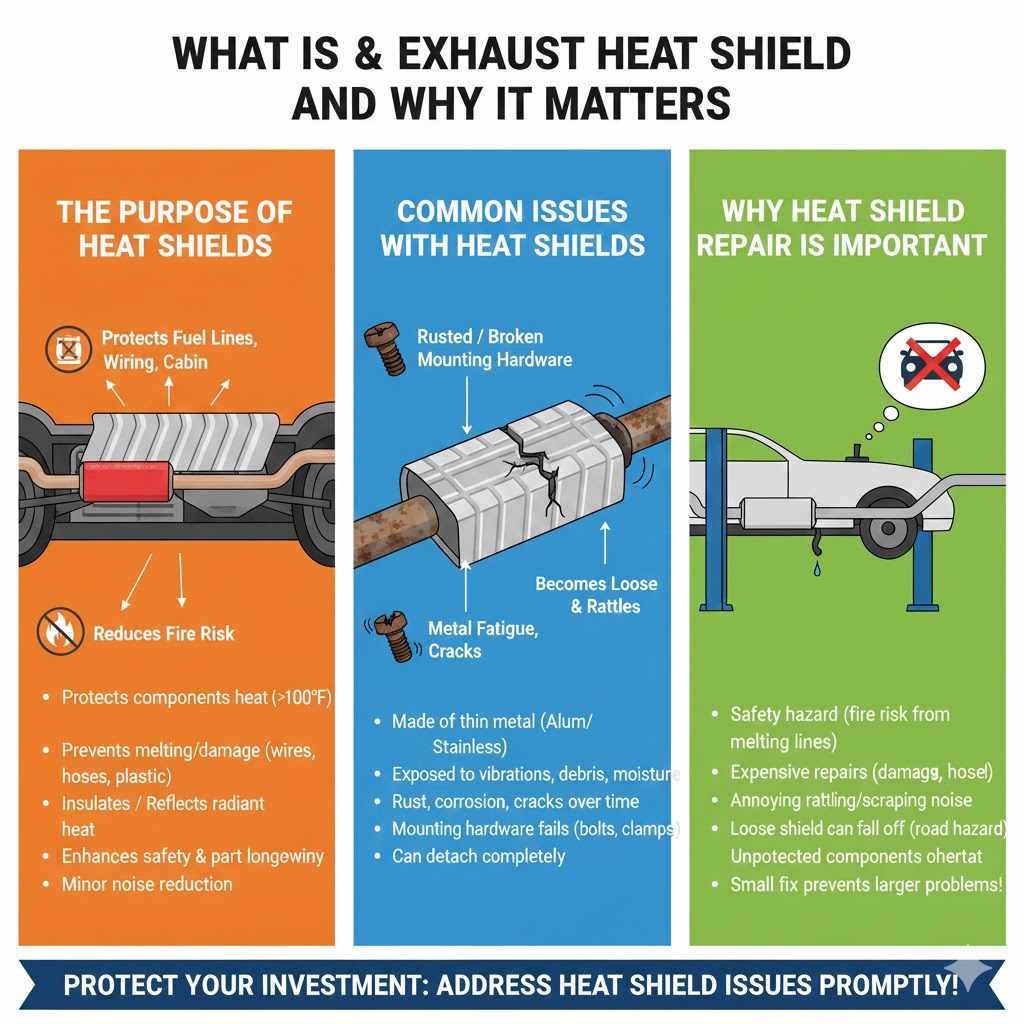
Exhaust heat shields are vital but often overlooked components of your vehicle’s exhaust system. Their primary job is to protect other parts of your car from the extreme heat produced by the exhaust gases. Think of them as a barrier, keeping things like your fuel lines, wiring, and even the passenger cabin from getting too hot.
When these shields become damaged or fall off, it’s not just an annoyance; it can create safety hazards and lead to further damage.
The Purpose of Heat Shields
The exhaust system in a car carries hot gases from the engine to the rear of the vehicle. These gases can reach very high temperatures, often exceeding 1000 degrees Fahrenheit (538 degrees Celsius). Without a shield, this intense heat could melt or damage nearby sensitive components.
These components include electrical wiring harnesses, rubber hoses for fuel and coolant, and plastic parts. The heat shield acts as an insulator, reflecting or absorbing the radiant heat.
This protection is crucial for the longevity and safety of your vehicle. It prevents premature wear and tear on other parts. It also reduces the risk of a fire, which can occur if heat-damaged components come into contact with flammable materials.
The shield also plays a role in noise reduction, helping to dampen some of the sound produced by the exhaust flow.
Common Issues With Heat Shields
Heat shields are typically made of thin metal, often aluminum or stainless steel, designed to be lightweight and effective. Over time, they are exposed to a lot of stress. This stress comes from engine vibrations, road debris, moisture, and extreme temperature changes.
All these factors can lead to issues like rust, corrosion, and cracks.
One of the most common problems is that the mounting hardware, like bolts and clamps, can rust and break. This can cause the heat shield to become loose and rattle. Eventually, a loose shield might detach completely from the exhaust system.
Sometimes, the shield itself can crack or become brittle due to constant heat cycles and age. These issues can manifest as a loud rattling or scraping noise, particularly when the engine is started or when driving over bumps.
Why Heat Shield Repair Is Important
Ignoring a damaged or missing heat shield is not a good idea. A rattling shield can be distracting and annoying. More importantly, a loose shield could fall off entirely, potentially causing a hazard for other drivers or getting caught in your car’s wheels.
The unprotected components that the shield was meant to guard are now exposed to damaging heat.
This exposure can lead to expensive repairs down the line. For example, damaged fuel lines could leak, posing a fire risk. Melted wiring can cause electrical malfunctions.
Overheating of nearby components can lead to their failure. Therefore, addressing heat shield issues promptly is a matter of safety, vehicle maintenance, and cost prevention. It’s a small fix that can prevent much larger problems.
Does Midas Fix Exhaust Heat Shields?
Midas Services for Exhaust Heat Shields
When you’re wondering, Does Midas Fix Exhaust Heat Shields?, it’s helpful to know how general auto repair shops like Midas handle these types of repairs. Midas is a well-known name in automotive services, specializing in brakes, tires, and exhaust systems. Because exhaust heat shields are an integral part of the exhaust system, Midas shops are generally equipped and trained to diagnose and repair them.
Their technicians are experienced with various exhaust components and common issues. They can inspect your vehicle for loose, damaged, or missing heat shields. If a problem is found, they can typically offer solutions ranging from securing a loose shield to replacing a damaged one.
The ability of a Midas shop to fix your heat shield depends on the specific damage and the availability of replacement parts.
Diagnostic Process at Midas
If you suspect your vehicle has an exhaust heat shield issue, bringing it to a Midas shop for an inspection is a good first step. The diagnostic process usually begins with a visual inspection. A technician will look under your car to examine the exhaust system.
They will specifically check the heat shields for signs of damage.
This inspection involves looking for rust, cracks, loose fasteners, or shields that are hanging down. They will also listen for any rattling or scraping noises you might have described. If the shield is loose, they might try to wiggle it to assess how secure it is.
If it’s badly damaged or missing, they will note that. This initial check helps determine the extent of the problem and what repair is needed.
Repair Options Available
Once the problem is identified, Midas technicians can offer repair options. For minor issues, like a loose shield, they might be able to re-secure it by tightening existing bolts or replacing missing fasteners. Sometimes, a shield can be bent back into place if it’s just deformed.
If the heat shield itself is significantly damaged, rusted through, or cracked, replacement is usually the best option. Midas shops can order and install new heat shields designed for your specific vehicle make and model. They can also address related issues, such as damaged hangers or brackets that attach the shield.
The goal is to restore the protective function of the heat shield to prevent further damage and ensure safety.
When Midas Might Not Be the Best Fit
While Midas can handle many exhaust heat shield repairs, there might be situations where it’s not the ideal solution. If your vehicle has a highly specialized or custom exhaust system, a standard Midas shop might not have the specific parts or expertise required. Similarly, if the heat shield damage is very complex or part of a larger, more intricate exhaust repair, you might need to seek out a specialist.
Another factor to consider is the age and condition of your vehicle. Older vehicles, especially those exposed to harsh weather conditions like salt on roads, can have heavily rusted exhaust components. In such cases, repairing or replacing a heat shield might involve dealing with severely rusted bolts and pipes, which can complicate the repair and increase labor time.
It’s always a good idea to get a clear estimate and understand the scope of work before proceeding.
Alternatives to Midas for Heat Shield Repair
Other Auto Repair Shops
If you’re exploring options beyond Midas, there are many other types of auto repair shops that can service your exhaust heat shield. Independent mechanic shops are often a great choice. These shops are typically run by experienced mechanics who may have specialized knowledge in certain areas, including exhaust systems.
Many independent shops offer a more personalized service. You can often speak directly with the mechanic who will be working on your car. This can provide a clearer understanding of the problem and the proposed solution.
Prices at independent shops can also be competitive, and they are often flexible with scheduling.
Dealership Service Centers
For specific makes and models, dealership service centers are another option. They have access to genuine manufacturer parts and can provide repairs that adhere strictly to the original equipment manufacturer (OEM) specifications.
Dealerships are particularly knowledgeable about your car’s specific systems and any known issues related to its make and model. This can be especially beneficial if your vehicle is newer or still under warranty. While dealership services might sometimes be more expensive, they offer a high level of expertise and assurance that the correct parts are used.
Specialty Exhaust Shops
For more complex exhaust system issues or if you have a high-performance vehicle, a specialty exhaust shop might be the best route. These shops focus exclusively on exhaust systems, mufflers, catalytic converters, and related components.
Specialty shops have advanced diagnostic tools and a deep understanding of exhaust dynamics and repairs. They can handle custom fabrication if a standard replacement part isn’t available or if you’re looking for an upgrade. If your heat shield damage is severe or involves other exhaust parts that need significant work, a specialist can provide comprehensive solutions.
The Repair Process for Exhaust Heat Shields
Inspection and Diagnosis
The first step in repairing an exhaust heat shield, no matter where you take your car, is a thorough inspection and diagnosis. A trained technician will lift your car on a lift to get a clear view of the underside. They will systematically examine the entire exhaust system, paying close attention to the heat shields.
This involves checking for any signs of damage, such as holes, rust, cracks, or deformation. They will also inspect the mounting points, bolts, clamps, and hangers that secure the heat shield to the exhaust pipe or chassis. Any loose components will be noted.
The technician will also listen for any rattling or vibrating sounds that might indicate a problem.
Common Repair Techniques
Once the diagnosis is complete, the technician will determine the best repair method. For a heat shield that is simply loose due to missing or rusted fasteners, the repair might be straightforward. The technician can clean the mounting points, install new, corrosion-resistant bolts or clamps, and securely reattach the shield.
Sometimes, a damaged bracket might need to be repaired or replaced.
If the heat shield itself is rusted through, cracked, or severely damaged, it will likely need to be
Materials and Tools Used
When repairing or replacing heat shields, mechanics use specialized tools. These can include wrenches and sockets for removing and tightening bolts, wire brushes for cleaning rust, and possibly cutting tools if any part of the old shield needs to be removed. For replacement, they will use new heat shields, often made of aluminized steel or stainless steel for durability.
New mounting hardware, such as bolts, nuts, washers, and clamps, will be used to ensure a secure and long-lasting installation. For certain repairs, high-temperature exhaust sealant or high-temperature wire might be used to secure a minor tear or reinforce a weak spot temporarily, though full replacement is always preferred for significant damage.
Sample Scenario: Loose Heat Shield
Imagine you notice a loud rattling noise coming from under your car, especially when you start the engine or drive over speed bumps. You take your car to a repair shop.
- The technician puts your car on a lift and finds that the heat shield above the muffler has rusted bolts.
- One bolt has completely broken off, causing the shield to sag and rattle against the exhaust pipe.
- The technician cleans the remaining bolt threads, applies a rust inhibitor, and installs a new bolt and washer to securely fasten the heat shield.
- They give the shield a good shake to confirm it’s now stable and no longer making noise.
- You drive away with a quiet car, having avoided a potentially more expensive problem.
Sample Scenario: Rusted-Through Heat Shield
Another scenario could involve a more advanced issue. You might have noticed a burning smell coming from your car, or perhaps you saw a warning light on your dashboard related to emissions.
- During inspection, the mechanic finds that the heat shield around your catalytic converter has rusted completely through in several places.
- This shield is crucial because the catalytic converter gets very hot. With the shield damaged, heat is radiating onto nearby plastic components and fuel lines.
- The mechanic informs you that the heat shield needs to be replaced entirely. They order the correct replacement part for your vehicle.
- Once the new shield arrives, they remove the damaged one, clean the mounting area, and install the new heat shield securely.
- This restores the protective barrier, preventing damage to other parts and mitigating safety risks.
Costs Associated with Heat Shield Repair
Factors Influencing Repair Costs
The cost to repair or replace an exhaust heat shield can vary quite a bit. Several factors play a role in the final price. The make and model of your vehicle is a primary driver of cost, as some cars have more complex exhaust systems or use more expensive materials for their shields.
The type of repair needed is also a big factor.
A simple re-tightening or replacement of fasteners will be much cheaper than a full shield replacement. The cost of the replacement part itself can range from $50 to $200 or more, depending on the vehicle. Labor costs also add to the total.
Most shops charge an hourly rate, and the time it takes to diagnose and complete the repair will influence the final bill.
Typical Price Ranges
For a minor repair, such as re-securing a loose heat shield, you might expect to pay anywhere from $50 to $150. This usually covers the technician’s time and any small hardware needed.
If a heat shield needs to be
Cost-Saving Tips
To save money on heat shield repairs, consider getting quotes from multiple repair shops. Comparing prices from Midas, independent mechanics, and potentially a specialty exhaust shop can help you find the best deal.
Also, address the issue promptly. A small problem, like a loose rattle, can become a bigger, more expensive repair if ignored. For instance, a loose shield could fall off and damage other components or cause you to need a tow.
Catching it early can mean a simpler and cheaper fix. Maintaining your car regularly can also help prevent issues from arising in the first place.
Statistics on Exhaust System Repairs
According to some automotive industry reports, exhaust system repairs are among the most common reasons drivers bring their vehicles to shops for service. While specific data on heat shields alone is scarce, general exhaust repairs can account for a significant portion of auto service expenditures.
For example, a study found that exhaust system issues, which can include mufflers, pipes, catalytic converters, and heat shields, represent about 10-15% of all vehicle repair costs. The average cost for an exhaust system repair can range from $200 to $1,500 or more, depending on the complexity of the job and the parts involved. This highlights the importance of addressing even seemingly minor exhaust component problems like heat shields.
Preventative Measures and Maintenance
Regular Inspections
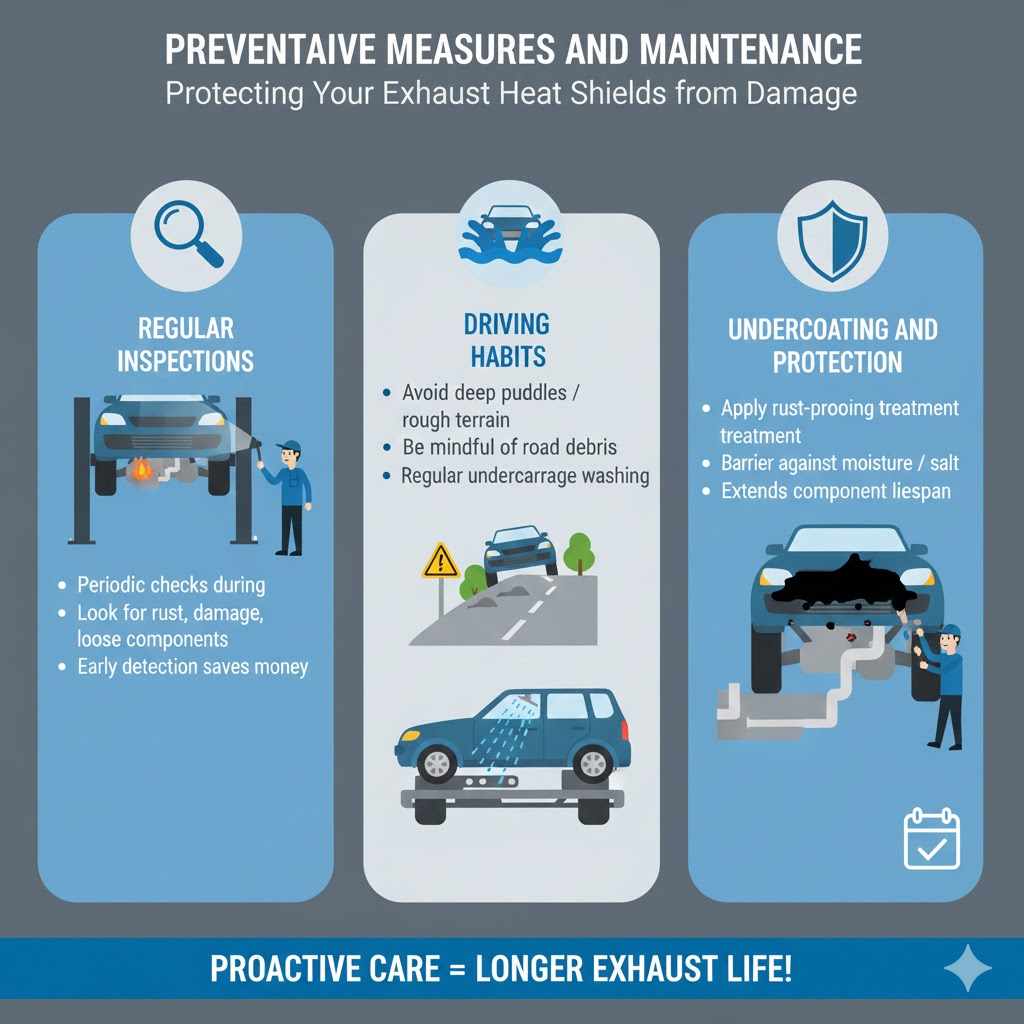
The best way to avoid costly heat shield repairs is through regular inspections and proactive maintenance. Many vehicle manufacturers recommend periodic checks of the exhaust system as part of routine maintenance. These checks, often done during oil changes or tire rotations, can help catch potential issues early.
During these inspections, a technician will look for any signs of rust, damage, or loose components in the exhaust system, including the heat shields. Catching a loose heat shield before it completely detaches or rust creates a hole can save you time and money. Early detection is key to preventing minor problems from escalating into major ones.
Driving Habits
Your driving habits can also impact the lifespan of your exhaust heat shields. Driving through deep puddles or over rough terrain frequently can expose your exhaust system to more stress from water and impacts. Hitting road debris can also cause damage.
While it’s not always possible to avoid these situations, being mindful of your surroundings can help. Driving cautiously over uneven surfaces and avoiding excessive speed through water can reduce the risk of damage. For those living in areas with harsh winters, where roads are treated with salt and chemicals, regular washing of your car’s undercarriage can help prevent rust and corrosion on the exhaust system.
Undercoating and Protection
In certain environments, applying an undercoating or rust-proofing treatment to your vehicle’s chassis and exhaust system can offer additional protection. These treatments create a barrier that can help shield metal components from moisture and corrosive elements.
While not a guaranteed fix for all exhaust issues, an undercoating can extend the life of components like heat shields by slowing down the rate of rust and corrosion. It’s an investment that can pay off in the long run, especially if you live in a region with challenging weather conditions. Always discuss undercoating options with a trusted mechanic to ensure it’s applied correctly.
Frequently Asked Questions
Question: Can I drive with a loose exhaust heat shield?
Answer: While you can often drive for a short period with a loose heat shield, it’s not recommended for long distances or extended use. A loose shield can rattle loudly, potentially fall off entirely, and cause damage to other parts of your car or create a hazard for other drivers. It’s best to get it inspected and repaired as soon as possible.
Question: How long does it take to fix an exhaust heat shield?
Answer: The time it takes to fix an exhaust heat shield can vary. A simple tightening or re-securing of a loose shield might take 30 minutes to an hour. Replacing a damaged heat shield typically takes about 1 to 2 hours, depending on the vehicle and the accessibility of the part.
Some more complex repairs might take longer.
Question: Will a loose heat shield fail an emissions test?
Answer: A loose or rattling heat shield itself typically won’t cause your vehicle to fail an emissions test. Emissions tests primarily check the performance of your engine and catalytic converter to ensure they are properly reducing pollutants. However, if the damage to the heat shield has led to other exhaust system problems that affect emissions, then it could contribute to a failed test.
Question: Can I fix a heat shield myself?
Answer: For minor issues like a loose shield, some DIY-savvy individuals can tighten bolts or replace fasteners themselves if they have the right tools and safety equipment. However, if the heat shield is severely damaged, rusted through, or needs replacement, it’s often best left to a professional mechanic. Working under a car requires proper safety precautions, and exhaust system repairs can be complex.
Question: Are exhaust heat shields universal?
Answer: No, exhaust heat shields are generally not universal. They are designed to fit specific makes, models, and even specific locations on the exhaust system of a vehicle. While some generic shielding material might be available for custom applications, most replacement heat shields are vehicle-specific to ensure proper fit and function.
Final Thoughts
So, to answer your question, Does Midas Fix Exhaust Heat Shields? Yes, they typically do. Midas and similar auto repair shops are equipped to diagnose and repair common heat shield issues like rattling or damage. If you hear noises or suspect a problem, a visit to Midas is a good starting point.