Do Oxygen Sensor Wires Need Air? A Guide for Car Owners
If you’re tinkering with your car, you might wonder, Do Oxygen Sensor Wires Need Exposure to Air? It’s a common question, especially for those just starting out with car repairs. The idea of electrical wires interacting with the air can seem a bit confusing. But don’t worry! This guide will break down everything in a simple way. We’ll explore exactly what oxygen sensors do and their wires, explaining the need for air (or lack thereof), and providing a step-by-step method to grasp the process. Let’s start and get you up to speed!
Oxygen Sensors and Their Purpose
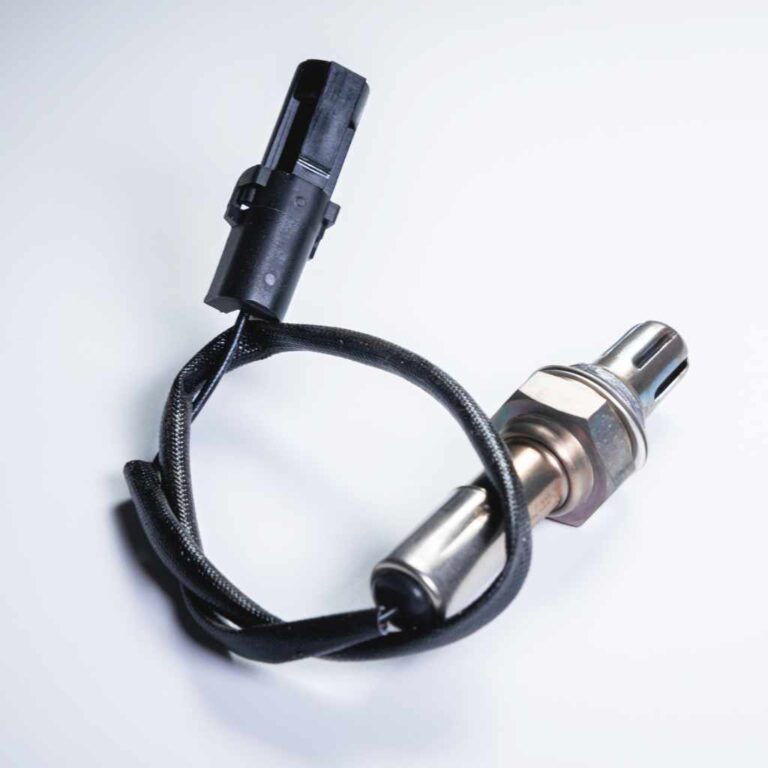
Oxygen sensors are tiny detectives in your car’s engine. They continuously monitor the amount of oxygen in the exhaust gases. This information is crucial because it helps the car’s computer, often called the Engine Control Unit (ECU), figure out how much fuel to inject into the engine. Keeping the air-fuel mixture just right is essential for optimal engine performance and low emissions. The sensor’s job is to send the signal to your car’s brain so that it can run smoothly.
How Oxygen Sensors Function
Oxygen sensors work by comparing the oxygen levels inside the exhaust pipe to the oxygen levels in the outside air. The sensor has a ceramic element, typically made of zirconia, which generates a voltage based on the oxygen difference. When the exhaust has little oxygen (rich mixture), the sensor sends a high voltage signal. When the exhaust has a lot of oxygen (lean mixture), the sensor sends a low voltage signal. Your car’s ECU uses these signals to adjust the air-fuel mixture. The entire function depends on the ability to detect and compare.
- Zirconia Element: The heart of the oxygen sensor. This ceramic material is sensitive to oxygen.
- Heater Element: Some sensors have a built-in heater to speed up their operation. They need to get hot to work correctly.
- Protective Sleeve: The sensor is protected by a metal sleeve, with small holes to let the exhaust gases reach the zirconia element.
- Electrical Contacts: These are the connections to the car’s wiring. They transmit the voltage signal back to the ECU.
Oxygen sensors are a critical part of a car’s emission control system. Their accurate readings directly impact the engine’s performance, fuel economy, and environmental impact. Replacing faulty oxygen sensors can significantly improve your car’s overall efficiency and reduce harmful emissions.
Types of Oxygen Sensors
There are two main types of oxygen sensors: narrowband and wideband. Narrowband sensors are the traditional ones, and they tell the ECU whether the mixture is rich or lean. They are generally less expensive. Wideband sensors, on the other hand, provide much more detailed information about the air-fuel ratio. They are used in more advanced engine management systems, and their cost reflects that. Understanding the kind of sensor in your vehicle is useful for troubleshooting.
- Narrowband Sensors: These sensors are the most common type. They are designed to switch quickly between rich and lean readings. They tell the ECU whether the mixture is close to the ideal air-fuel ratio.
- Wideband Sensors: Also called “air-fuel ratio sensors,” these sensors are more advanced. They provide a continuous, accurate reading of the air-fuel ratio.
- Heated Sensors: Most modern oxygen sensors are heated. They have an internal heating element to get up to operating temperature quickly.
Each type of sensor plays a vital role. Choosing the correct sensor depends on the year, make, and model of your vehicle, in addition to the sensor’s location in the exhaust system. Knowing these details can guide your troubleshooting efforts.

The Relationship Between Oxygen Sensor Wires and Air
Many beginners think about Do Oxygen Sensor Wires Need Exposure to Air? and the idea of wires needing to be exposed to open air is natural. The answer is not always straightforward. Oxygen sensor wires connect the sensor to the car’s ECU. They don’t typically need direct air exposure to function correctly. The sensor itself needs exposure to the exhaust gases, which is how it detects oxygen levels. The wires themselves are protected and insulated to transmit the electrical signal. Problems arise when wires are damaged or exposed to harsh environments.
The Role of Wiring Insulation
Oxygen sensor wires are insulated to protect them from heat, moisture, and physical damage. This insulation ensures that the electrical signals reach the ECU without interference or short circuits. The insulation is commonly made of materials that can withstand high temperatures. The quality of the insulation is a key factor in the long-term reliability of the sensor system. In older vehicles, the insulation can degrade, which leads to problems.
- Heat Resistance: Exhaust systems get extremely hot. Insulation must withstand these temperatures.
- Moisture Protection: Wires can get wet from rain or road spray. Insulation is needed.
- Physical Protection: Wires are routed close to moving parts. The insulation protects them.
Proper wire insulation is key to ensuring the sensor functions without any hiccups. This is very important if you want a properly functioning car.
Why Wire Damage Matters
Damaged oxygen sensor wires can cause a variety of problems. The most common issues are inaccurate sensor readings, which can cause the car to run poorly. A short circuit can damage the ECU or other car components. Open circuits mean no signal gets to the ECU. Wires that are exposed to extreme heat or damage from the outside cause the car to misbehave. Wire damage can lead to a lot of headaches, so it is best to check the wires.
- Inaccurate Readings: If the wire is damaged, the signal can be disrupted.
- Short Circuits: Exposed wires can contact other metal parts.
- Open Circuits: Wires can break, stopping the signal.
- ECU Damage: A faulty wire can ruin your ECU.
Regular inspections and quick repairs of any wire issues are a must. They prevent costly repairs down the line. It’s best to always be one step ahead to solve any issues before they become catastrophic.
Understanding Oxygen Sensor Placement and Airflow
Oxygen sensors are positioned within the exhaust system to measure the oxygen content of the exhaust gases. Their location is vital for accurate readings. The placement also relates to how air flows through the system. The sensor placement can vary based on the vehicle’s design and emission control strategy. The ideal location is where the sensor can get a good sample of the exhaust gases, which is also a location that has access to outside air.
Sensor Location in the Exhaust System
Oxygen sensors are usually found in the exhaust manifold (before the catalytic converter) and sometimes after the catalytic converter. The upstream sensor monitors the engine’s performance. The downstream sensor checks the catalytic converter’s effectiveness. Some cars have sensors in both places. Understanding sensor location is critical when diagnosing problems or replacing sensors. Getting the right location of the sensors is key to making sure that your car runs smoothly.
- Upstream Sensors: These sensors are before the catalytic converter.
- Downstream Sensors: These sensors are after the catalytic converter.
- Multiple Sensors: Many modern cars use multiple sensors.
- Placement Significance: Correct sensor placement affects performance.
The placement of oxygen sensors is important because they need to be in the exhaust gas stream. The wiring harness, which connects the sensor to the car’s computer, is usually routed away from the extreme heat of the exhaust system. The goal is to provide a good signal to the car’s computer so the engine will work as it should.
Exhaust Gas Flow and Sensor Performance
Proper exhaust gas flow is key for sensor performance. The exhaust system must be free of leaks and blockages. Leaks can cause outside air to enter the exhaust stream. This will corrupt the sensor readings. Blockages in the exhaust system can slow down the gas flow. This will also impact the sensor’s readings. The best gas flow leads to accurate readings. This supports optimal engine operation. Proper gas flow is very important.
- Leaks: Outside air can change sensor readings.
- Blockages: Blockages in the exhaust system can affect gas flow.
- Proper Flow: This ensures the sensor can work.
- Performance Impacts: Bad flow can reduce fuel economy.
Ensuring the exhaust system is in good condition will help ensure the longevity and effectiveness of your oxygen sensors. It also ensures the engine functions properly. Making sure there are no issues in the exhaust system helps with the functionality.
Practical Tips for Oxygen Sensor Wire Maintenance
Regular maintenance can help keep your oxygen sensor wires in good shape. This includes visual inspections, protecting wires from damage, and addressing any signs of wear. Knowing how to maintain these wires ensures reliable engine performance. It can also help you avoid costly repairs down the road. Simple maintenance goes a long way. This includes the wires and the sensor.
Visual Inspections of the Wires
Conducting regular visual inspections of your oxygen sensor wires is a key step. Look for signs of damage, such as cracks, cuts, or abrasion. Check for any melting or burning of the insulation. Also, make sure that the wires are securely connected and not dangling. Early detection of problems can prevent further issues. Simple inspections can often identify issues. These issues can then be fixed before they become bigger problems.
- Cracks and Cuts: Look for damaged insulation.
- Melting or Burning: High heat can destroy wires.
- Secure Connections: Make sure wires are attached correctly.
- Regular Checks: Do these inspections with oil changes.
A simple visual inspection can often pinpoint problems. Doing this routine check can save money in the long run. By quickly catching any problems, you can help to keep your car performing like it is supposed to.
Protecting Wires From Damage
Wires can be damaged by heat, moisture, and physical impact. Shielding the wires with heat-resistant materials can prevent them from melting. Keeping the wires away from moving parts reduces the risk of chafing and cutting. Using wire looms or conduits can add an extra layer of protection. Small steps can make a big difference in maintaining the lifespan of the sensor and its associated wires. It helps avoid premature replacements.
- Heat Shields: Prevent the wires from getting too hot.
- Secure Routing: Keep wires away from moving parts.
- Wire Looms: Add an extra layer of protection.
- Regular Maintenance: Replace any damaged protective covers.
Taking measures to safeguard the oxygen sensor wires makes sure they last. Prevention is key. This will minimize the need for repairs. Doing these simple steps will make sure your car runs well.
Troubleshooting Oxygen Sensor Wire Problems
If you suspect an oxygen sensor wire problem, it’s critical to perform proper troubleshooting steps. Start by checking the wires and connectors for damage. Then, use a multimeter to check for continuity and voltage. If you notice any unusual behavior, such as a check engine light or rough running, these actions can help you pinpoint the issue. Knowing how to find the problem is very helpful in this situation.
Diagnosing Wire Issues
You can identify many wire problems with a visual inspection. Look closely at the wires and connectors. If you see cracks, cuts, or corrosion, there is a good chance that you need to make some repairs. Checking the connections is crucial. Loose or corroded connections can cause signal issues. If visual inspection does not show the issue, use a multimeter. This device will tell you more about the wire’s health. Testing with a multimeter helps find the root of the problem.
- Visual Inspection: Check for cracks, cuts, or corrosion.
- Connector Checks: Make sure connections are tight and clean.
- Multimeter Testing: Use this to measure continuity.
- Symptom Matching: Try to connect symptoms to wire issues.
Finding a wire issue early stops further problems from happening. If you locate the source of the problem quickly, you can then make a plan to fix the problem. Finding the problem will help you fix it.
Using a Multimeter for Testing
A multimeter can test for voltage, continuity, and resistance in the oxygen sensor wires. Set the multimeter to the voltage setting and connect the probes to the sensor wires. When the sensor is warmed up, you should see a fluctuating voltage reading. This suggests the sensor is working. To check for continuity, set the multimeter to the continuity setting. Place the probes at each end of the wire. If the multimeter beeps, the wire has continuity. If it does not, the wire is broken. Use these tests to determine the condition of the wires. These readings will give you the most accurate results.
- Voltage Test: Check for voltage fluctuations.
- Continuity Test: Test the wire for breaks.
- Resistance Test: This can test the wire for damage.
- Safety First: Be sure you disconnect the battery.
Proper multimeter use can help diagnose problems with the wires. Using a multimeter helps you determine the cause of the problem. This will help you decide if it is a sensor problem or a wire problem.

FAQ
Question: What happens if oxygen sensor wires touch the exhaust?
Answer: If oxygen sensor wires touch the exhaust, they can melt or be damaged. This can cause short circuits, affect the sensor readings, and potentially harm your car’s computer.
Question: Can I use electrical tape to repair damaged oxygen sensor wires?
Answer: While electrical tape can provide a temporary fix, it is not recommended for oxygen sensor wires. The tape might melt from high temperatures. It is better to use heat-resistant wire connectors or replace the damaged section of the wire.
Question: What do different colors of oxygen sensor wires mean?
Answer: The colors of oxygen sensor wires do not have a standard meaning across all car manufacturers. The colors usually show what the wire does, such as power, ground, or sensor signal. Checking your car’s repair manual will give you the specific wire color codes.
Question: Do I need to disconnect the battery before working on oxygen sensor wires?
Answer: Yes, it’s generally a good idea to disconnect the battery’s negative terminal before working on any electrical components of your car, including oxygen sensor wires. This prevents accidental short circuits and helps keep you safe.
Question: Where can I find replacement oxygen sensor wires?
Answer: You can find replacement oxygen sensor wires at most auto parts stores or online retailers. They often sell complete wiring harnesses or individual connectors that you can splice into the existing wiring. Make sure you get the right parts for your vehicle’s make and model.
Final Thoughts
So, Do Oxygen Sensor Wires Need Exposure to Air? The answer is not in the way you might expect. The wires themselves are protected and insulated to transmit the electrical signal. Oxygen sensors need the exhaust gases to function. The wires connect the sensor to your car’s brain. The key is in the installation, the proper connections, and ensuring there are no issues. Knowing how to troubleshoot and perform maintenance can help. By keeping an eye on your oxygen sensor wires and performing basic upkeep, you can maintain your car’s engine performance, fuel economy, and lower emissions. So, go ahead and explore the engine compartment, and use this knowledge to make sure your car runs at its best!