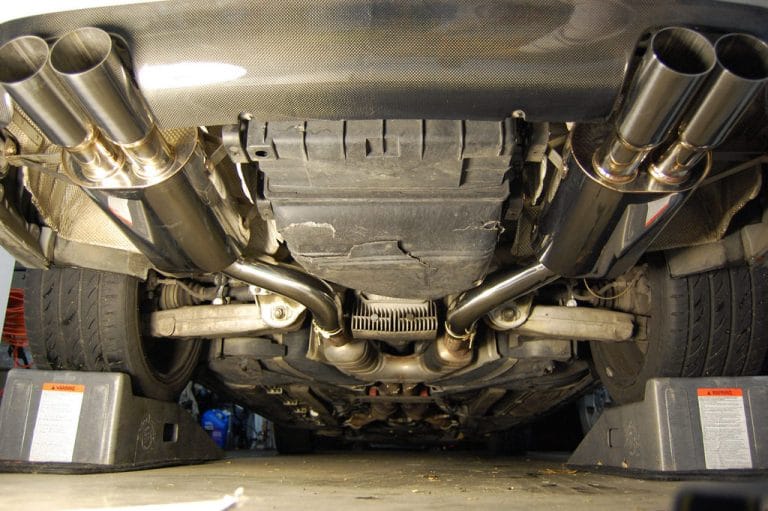
Do EVs Have Tailpipes? Exploring Electric Vehicle Emissions
The question of Do EVs Have Tailpipes? is often the starting point for folks new to electric vehicles. It’s a simple question that unlocks a bigger conversation. People are curious about how EVs work and if they contribute to pollution. It can be a little confusing at first, but don’t worry! We’ll break it down step-by-step. Let’s explore how EVs impact the environment and what sets them apart from gas-powered cars. We’ll examine the basics, focusing on emissions, and explain how these vehicles operate.
What Are Tailpipes and How Do They Work?
Tailpipes are the exhaust outlets found on most gasoline and diesel vehicles. These pipes are part of the exhaust system, which is designed to remove harmful gases produced during the combustion process in the engine. When fuel burns inside the engine, it creates a variety of pollutants, including carbon monoxide, nitrogen oxides, and particulate matter. The exhaust system, including the tailpipe, directs these gases away from the passengers and releases them into the atmosphere.
The purpose of the tailpipe is straightforward: It is a vital component for getting rid of dangerous emissions that would be poisonous to humans. Modern tailpipes are paired with catalytic converters to decrease the pollutants. These converters change dangerous gases into less harmful ones before they are expelled. The size and shape of a tailpipe can vary, but its basic function remains constant. They also aid in noise reduction, muffling the sound of the engine.
The Anatomy of a Tailpipe
Tailpipes might seem simple, but their design is more complex than it appears. The materials used in construction must resist high temperatures, corrosion, and wear. Stainless steel is a common material. The shape and diameter can vary. The diameter impacts the engine’s performance. A larger diameter lowers back pressure, helping the engine breathe better. The design of the tailpipe includes bends and curves to fit the vehicle. These bends are carefully calculated to optimize airflow. Proper design ensures that exhaust gases are expelled efficiently while minimizing noise.
- Material Composition: Tailpipes are primarily made from steel alloys. These materials can withstand high temperatures and resist rust. The quality of materials used impacts the tailpipe’s lifespan.
- Shape and Size: The shape and size of the tailpipe impact the engine’s performance. Larger diameters allow for better airflow. The tailpipe’s design is also influenced by the vehicle’s design.
- Location and Installation: The tailpipe’s position is important. It must direct exhaust gases away from the vehicle’s occupants and components. Proper installation ensures a tight seal.
- Catalytic Converter Integration: Modern tailpipes are often integrated with catalytic converters. This combination reduces harmful emissions. The catalytic converter changes pollutants into less toxic substances.
Gasoline vs. Diesel Tailpipes
Gasoline and diesel tailpipes share the same primary function of expelling exhaust gases, but they differ in design and the composition of the emissions they handle. Gasoline tailpipes typically produce emissions that include carbon dioxide, carbon monoxide, hydrocarbons, and nitrogen oxides. The catalytic converter is designed to reduce the levels of these pollutants. Diesel engines, on the other hand, produce emissions that contain different and often more complex compounds, including particulate matter (soot) and nitrogen oxides. These engines frequently use diesel particulate filters (DPFs) and selective catalytic reduction (SCR) systems to manage emissions, resulting in different tailpipe designs and output.
Both gasoline and diesel tailpipes are crucial for reducing the environmental impact of vehicles, but they are designed to deal with distinct emission profiles. The main goal for both types is to release gases that are as clean as possible into the atmosphere.
The Environmental Impact of Traditional Tailpipes
Tailpipes in gasoline and diesel vehicles are significant contributors to air pollution and climate change. Traditional exhaust systems release pollutants that damage air quality and harm public health. These exhaust emissions include greenhouse gases, such as carbon dioxide (CO2), which contribute to global warming. Vehicle emissions are a major cause of smog and respiratory issues. The environmental impact also extends to the extraction, refining, and transportation of gasoline and diesel fuels.
- Greenhouse Gas Emissions: Vehicles that use gas release large amounts of CO2. CO2 traps heat in the atmosphere. This results in global warming and climate change. The higher the emissions, the bigger the impact.
- Air Quality Issues: Tailpipes release pollutants such as nitrogen oxides, and particulate matter. These pollutants contribute to smog. Smog can cause respiratory illnesses and other health problems.
- Resource Consumption: The production of gasoline and diesel requires significant resources. This includes the energy for refining and the impact of drilling and transportation. Renewable resources can help.
Answering the Question: Do EVs Have Tailpipes?
The answer to the question Do EVs Have Tailpipes? is a simple and definitive no. Electric vehicles (EVs) do not have tailpipes in the same way that gasoline and diesel vehicles do. EVs run entirely on electricity, and they don’t burn fuel. Because there’s no combustion engine, there are no exhaust gases to expel. The absence of a tailpipe is a key factor in EVs’ environmental benefits.
This difference is fundamental to how EVs operate. It reflects a complete departure from the way internal combustion engines (ICEs) function. The design of an EV is centered around an electric motor. The motor is powered by a battery, which provides energy to the wheels. This setup drastically changes the operational dynamics of the vehicle and its impact on the environment.
EV Technology: The Electric Motor
The heart of an EV is the electric motor. It operates differently compared to a gas engine. Electric motors convert electrical energy from the battery into mechanical energy. This mechanical energy then turns the wheels. Unlike gas engines, which require a spark to ignite fuel, electric motors have few moving parts. The motor’s design emphasizes efficiency. It uses magnets and coils to generate the rotational force that drives the vehicle.
- Efficiency: Electric motors are very efficient at converting electricity into motion. This results in less energy loss and better performance. High efficiency is a key advantage of EVs.
- Instant Torque: Electric motors provide instant torque. This means that the acceleration is strong. Drivers often like the quick responsiveness of EVs.
- Maintenance: Electric motors generally require less maintenance than internal combustion engines. There are fewer parts that need regular service or replacement. This reduces long-term ownership costs.
The Battery System
The battery system is a major component of an EV. This system stores the electrical energy needed to power the motor. Batteries are designed to store a lot of energy. This affects how far an EV can travel on a single charge. Lithium-ion batteries are often used because of their high energy density and capacity. The battery management system (BMS) controls the battery. It ensures that the battery operates safely and efficiently. The BMS monitors factors such as temperature and voltage. It ensures optimal performance and prevents damage.
The development of battery technology is essential for the future of EVs. Ongoing advances are making batteries more powerful, more affordable, and more durable. Research continues to produce lighter, longer-lasting batteries.
Environmental Advantages of EVs
The absence of tailpipes in EVs is a key factor in their environmental benefits. By not producing tailpipe emissions, EVs contribute to cleaner air. EVs help to reduce greenhouse gas emissions, mitigating the effects of climate change. The environmental advantages also include a smaller carbon footprint over the vehicle’s lifespan compared to gasoline-powered cars.
- Reduced Air Pollution: EVs emit no tailpipe emissions. This results in cleaner air in urban areas. This is a big improvement compared to gas vehicles. It reduces health problems linked to air pollution.
- Lower Greenhouse Gas Emissions: EVs contribute to fewer greenhouse gas emissions compared to gas-powered vehicles. This is especially true when EVs use electricity generated from renewable sources. They play an important role in combating climate change.
- Noise Reduction: EVs are generally quieter than gasoline cars. This lowers noise pollution in cities. Noise reduction helps to improve the quality of life in urban areas.
EVs and Environmental Impact Beyond Tailpipes
While EVs do not have tailpipes, their environmental impact goes beyond just the absence of emissions. EVs rely on electricity, and the source of that electricity is important. If the electricity comes from renewable sources like solar, wind, or hydro, the environmental benefits are even greater. The production of EVs, including the manufacturing of batteries, also has environmental implications.
Evaluating the complete environmental impact of EVs requires considering these factors. By exploring these areas, we can gain a clearer understanding of how EVs contribute to a more sustainable future.
Electricity Sources and Their Influence
The environmental impact of an EV is directly linked to the source of the electricity used to charge it. If the electricity comes from renewable sources, such as solar, wind, or hydropower, the environmental benefits are maximized. Using renewable energy significantly reduces greenhouse gas emissions. The carbon footprint of the EV becomes lower when charged with green energy.
When an EV is charged using electricity from coal-fired power plants, its environmental benefits are lessened. Coal plants produce more emissions. The choice of electricity source is an important factor in the overall environmental impact of EVs. Support for renewable energy sources is also crucial for boosting the overall sustainability of EVs.
Battery Production and Its Environmental Footprint
The production of EV batteries has an environmental impact. The mining of materials like lithium, cobalt, and nickel can have environmental consequences. Battery manufacturing is energy-intensive. It can create pollution if the manufacturing facilities use fossil fuels. Battery recycling is becoming increasingly important. Recycling helps to recover valuable materials and lessens the demand for new mining operations.
Efforts are being made to minimize the environmental footprint of battery production. Battery manufacturers are trying to use sustainable sourcing practices. They are also investing in new battery technologies. These new technologies could involve using less environmentally intensive materials. Recycling also has a large role in sustainability efforts.
The Overall Life Cycle Assessment of EVs
A life cycle assessment (LCA) analyzes the environmental effects of a product from start to finish. For EVs, this includes the extraction of raw materials, manufacturing, use, and disposal. LCAs can find out how EVs impact the environment throughout their lifetime. Research consistently shows that EVs have a lower overall environmental impact compared to gasoline cars. This is especially true when accounting for the reduced emissions during the vehicle’s operation. LCA also helps in identifying areas where further improvements can be made. This process aids in making EVs more sustainable.
Understanding the life cycle of EVs helps in a deeper exploration of their role. This helps in understanding the need to make batteries and electricity usage more sustainable.
Comparing EVs to Gasoline Vehicles
Comparing EVs to gasoline vehicles highlights the differences in emissions and operation. The environmental impact is a primary area for comparison. EVs produce no tailpipe emissions. This leads to cleaner air in areas where they are driven. Gasoline vehicles release exhaust fumes. These fumes add to air pollution and health problems. The cost of fuel versus electricity is another important area.
The comparison extends to driving experience and maintenance needs. Exploring these aspects gives a complete picture of the advantages of EVs compared to traditional vehicles.
Emissions: The Key Difference
The main difference between EVs and gasoline vehicles is emissions. EVs produce zero tailpipe emissions. This is one of the most important benefits. Gasoline vehicles produce carbon dioxide, nitrogen oxides, and particulate matter. These emissions are harmful. The impact of this difference is vast. EVs contribute to better air quality. They also play a part in minimizing greenhouse gas emissions. Gas vehicles contribute heavily to air pollution, which impacts human health.
The emissions profile of EVs contributes to reducing the overall environmental impact of transportation. EVs offer a pathway to a cleaner and more sustainable future.
Fuel vs. Electricity Costs
The costs of fuel and electricity vary. The cost of gasoline fluctuates. Prices can change based on global events and market factors. Electricity costs are usually more stable. They often vary based on time of day and region. Electric vehicle drivers often save money on fueling costs. Charging at home can be cheaper than filling a gas tank.
EV owners may also be eligible for rebates and tax credits. These incentives help to offset the higher upfront cost of purchasing an EV. Comparing these long-term expenses is crucial. It gives a complete picture of the financial benefits of owning an EV.
Driving Experience and Maintenance
EVs offer a unique driving experience. They give instant torque. Acceleration is quick and smooth. The quiet operation of EVs reduces noise pollution. Gas vehicles have a different driving experience, with slower acceleration and more noise. EVs often require less maintenance. There are fewer moving parts in an electric motor. This reduces the need for frequent servicing.
EVs also provide a smoother and quieter ride. The driving experience and reduced maintenance are key attractions for many people. These characteristics make EVs a great choice for various drivers.
| Feature | EVs | Gasoline Vehicles |
|---|---|---|
| Tailpipe Emissions | Zero | Present (CO2, NOx, PM) |
| Fuel Cost | Lower, electricity | Higher, gasoline |
| Maintenance | Lower | Higher |
The Future of EVs and Tailpipe Elimination
The growth of the EV market and the decline of tailpipes are parts of the future. Ongoing innovations in technology are enhancing the appeal and capabilities of EVs. New developments in battery technology, charging infrastructure, and sustainable manufacturing methods are setting the stage for a sustainable future. Government policies and incentives also promote EV adoption. The goal is to reduce emissions.
These trends are driving a revolution in the auto industry. They’re changing how we think about transportation. EVs are poised to take a central role in shaping a cleaner, more sustainable future for transportation.
Advancements in Battery Technology
Battery technology is improving rapidly. Researchers are developing new battery chemistries. They are trying to enhance energy density. This leads to longer driving ranges. Faster charging capabilities are also being developed. These innovations are making EVs more practical and user-friendly. Solid-state batteries are showing great promise. They have the potential to boost performance. They can also improve safety. Battery technology is essential for the wide adoption of EVs.
These advances will make EVs more efficient, affordable, and practical for daily use.
Expanding Charging Infrastructure
Expanding the charging infrastructure is essential for the success of EVs. More public charging stations are being built. These stations are being placed in convenient locations. Fast-charging stations are reducing charging times. Investments in renewable energy sources help charge EVs. Smart charging systems are being developed. They manage energy consumption. These initiatives are making EV ownership easier.
The expansion of charging infrastructure is critical. It helps to overcome range anxiety. It supports the widespread adoption of EVs.
Government Policies and Incentives
Government policies and incentives play a key role in boosting EV adoption. Tax credits and rebates help to decrease the upfront cost. Governments are also setting goals. They are also implementing regulations to encourage the adoption of EVs. Subsidies, tax breaks, and grants are essential for making EVs accessible. Policies that support charging infrastructure growth also assist.
These initiatives help to improve consumer adoption. They also aid in establishing a more sustainable transportation system.
Frequently Asked Questions
Question: Do EVs have any emissions at all?
Answer: EVs have zero tailpipe emissions, but their overall environmental impact depends on the source of electricity used to charge them.
Question: Are EVs really better for the environment?
Answer: Yes, EVs generally have a lower environmental impact, especially when powered by renewable energy, compared to gasoline vehicles.
Question: Where does the electricity for EVs come from?
Answer: Electricity can come from various sources, including fossil fuels, nuclear power, and renewable sources like solar and wind.
Question: How long does it take to charge an EV?
Answer: Charging times vary depending on the battery size and the type of charging station, from a few hours with a Level 2 charger to around 30 minutes with a fast-charging station.
Question: What’s the main benefit of owning an EV?
Answer: The primary benefit is the reduction of emissions, contributing to cleaner air and reducing the impact on climate change.
Final Thoughts
So, Do EVs Have Tailpipes? The answer is a clear no. Electric vehicles are a huge step forward in reducing emissions. EVs operate without the exhaust systems found in gas vehicles. They help lower greenhouse gas emissions and improve air quality. The use of electricity from renewable sources further boosts their positive impact. As battery tech and charging systems advance, EVs will continue to become more practical and popular. Understanding how EVs work, and the impact they have, gives us a bigger view of sustainable transportation. Embrace the chance to drive a cleaner tomorrow. Explore the possibilities of electric vehicles.