

Do Downpipes Cause Smell: Proven Essential
Yes, downpipes can cause smells, especially when the car is turned off, due to residual exhaust gases, lingering heat, and potential leaks. Our guide will help you identify and fix these issues to ensure a fresh-smelling vehicle.
Ever noticed a strange smell coming from your car, especially after you’ve turned it off? It can be a bit concerning, right? Many car owners wonder, “Do downpipes cause smells?” The answer is often yes, and understanding why is the first step to fixing it. You’re not alone in this; exhaust systems can be a bit mysterious. But don’t worry, I’m here to break it down for you in simple terms. We’ll explore what might be causing those odors and how you can easily get rid of them. Let’s dive in and get your car smelling fresh again!
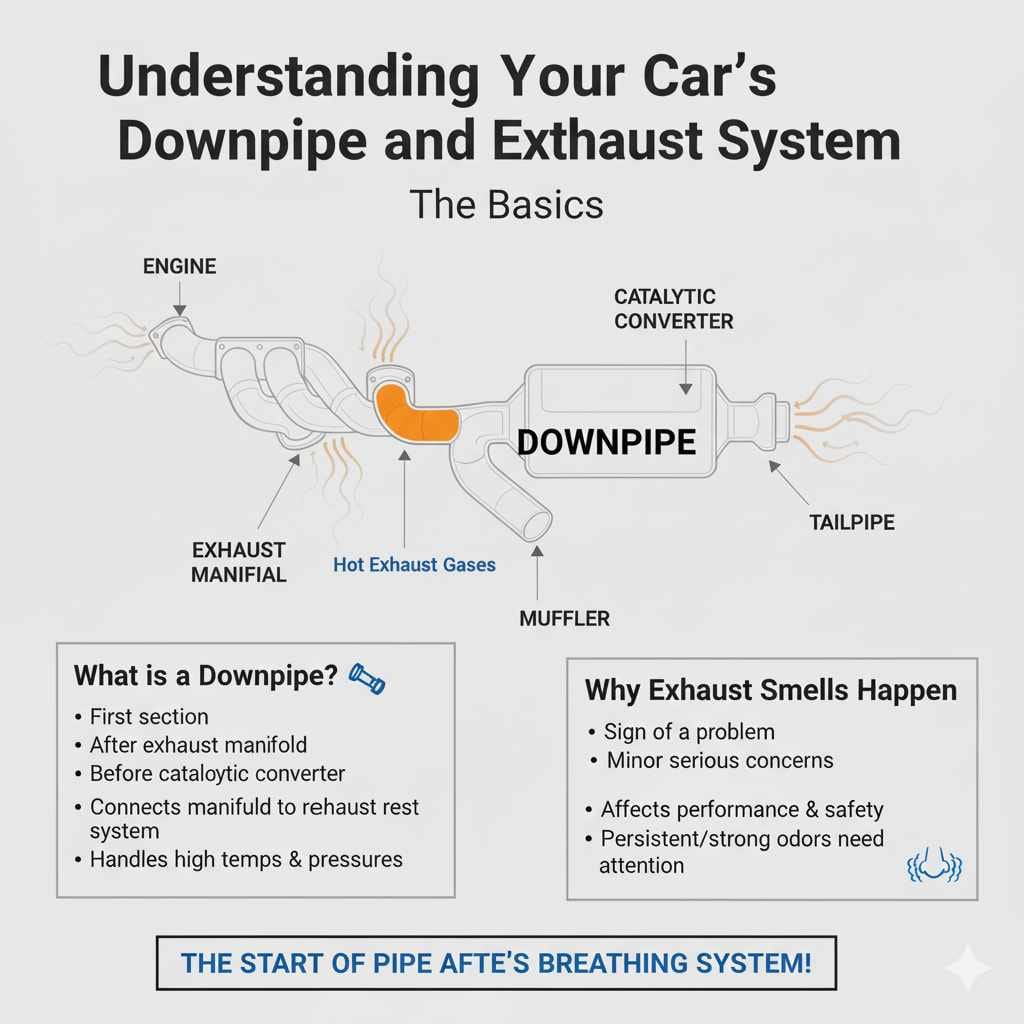
Understanding Your Car’s Downpipe and Exhaust System
Think of your car’s exhaust system as its way of breathing out. It takes the burnt fuel gases from the engine and safely pushes them out the back. Your engine works hard, burning fuel to create power. This process creates exhaust gases, which are hot and contain various compounds. The exhaust system’s job is to manage these gases. It includes several parts, and the downpipe is a crucial one.
What is a Downpipe?
The downpipe is one of the first sections of your exhaust system, located right after the exhaust manifold (where the engine’s exhaust gases collect) and before the catalytic converter. Its main job is to connect the manifold to the rest of the exhaust. It’s typically a large, well-built pipe designed to handle very high temperatures and pressures. It’s a key player in directing exhaust flow efficiently.
Why Exhaust Smells Happen
Exhaust smells aren’t just unpleasant; they can sometimes be a sign that something isn’t quite right with your car. While a faint, fleeting smell right after turning off the engine can be normal due to residual heat, persistent or strong odors often point to a problem. These problems can range from minor issues to more serious concerns that affect your car’s performance and your safety.
Common Smells from Your Exhaust and What They Mean
Different smells can tell you different stories about your exhaust system. Learning to identify them is like giving your car a check-up just by using your nose. Here are some common exhaust smells and their potential causes:
- Rotten Egg Smell (Sulfur): This is often the most distinctive and concerning smell. It usually means your catalytic converter is having trouble doing its job. The catalytic converter is designed to turn harmful gases, like sulfur compounds in gasoline, into less harmful ones. When it malfunctions, these gases can escape, creating that classic rotten egg odor.
- Burning Oil Smell: If you notice a smell like burning oil, it could mean that oil is leaking onto hot parts of your engine or exhaust system, such as the manifold or the downpipe itself. When oil hits hot metal, it burns and creates a strong, acrid smell. This is something to address quickly to prevent further damage.
- Rich Fuel Smell (Gasoline): A smell of raw gasoline, especially when you start your car or after it’s been running, can indicate that your engine is running too rich. This means it’s burning more fuel than it needs to. This could be due to a number of reasons, including faulty fuel injectors or system issues.
- Acrid or Chemical Smell: This can sometimes be related to the catalytic converter working overtime or, in some cases, a failing component within the exhaust system that is overheating or degrading. It might also indicate an issue with the exhaust gas recirculation (EGR) system.
- Sweet Smell (Antifreeze): If you smell something sweet, like maple syrup or burnt sugar, it could be a sign of a coolant leak. Antifreeze is sweet and if it leaks onto hot engine or exhaust components, it will burn and produce a distinct sweet odor. This is a serious issue potentially affecting your engine’s cooling system.
Do Downpipes Cause Smell When the Car is Turned Off?
Yes, downpipes can definitely contribute to smells, especially once the car is turned off. Here’s why:
Residual Heat and Gases
When your car is running, the exhaust system, including the downpipe, gets incredibly hot. After you shut off the engine, the heat doesn’t vanish instantly. The downpipe retains a significant amount of heat for a while. Any small amount of exhaust gas that might be trapped or is slowly escaping can vaporize tiny amounts of moisture, oil, or other residue that might have accumulated on the hot pipe. This vaporization can release odors into the air around your car, even after the engine is off.
Minor Leaks and Seepage
The downpipe connects to other parts of the exhaust system using flanges and gaskets. Over time, these connections can become worn, corroded, or loose. A very small, almost imperceptible leak might not produce a noticeable smell while the engine is running at full power and pushing gases out rapidly. However, when the engine stops, the pressure drops, and residual gases can slowly seep out of these tiny gaps. If there’s any oil or grime on the outside of the downpipe near the leak, it can burn off the hot metal, creating an smell.
A common place for a leak is where the downpipe connects to the exhaust manifold or the catalytic converter. Think of it like a leaky faucet; while the water is running hard, you might not notice a drop. But when it slows down or stops, those slow drips become apparent.
Condensation and Moisture
Exhaust systems, especially in colder climates, experience condensation. As hot exhaust gases cool down inside the pipes, moisture can form. This moisture can mix with soot and other particles that accumulate in the exhaust. When you turn the car off and the downpipe is still hot, this moisture and residue can be heated up, producing a steamy or slightly metallic smell. It’s usually temporary and not a cause for concern unless it’s accompanied by other symptoms.
Foreign Substances
Sometimes, external elements can cause smells. If your car has driven through something that has adhered to the downpipe (like plastic debris, mud, or even road tar), the intense heat generated by the downpipe can cause these materials to burn or melt, releasing odors. This is a temporary issue but can be quite noticeable.
How to Diagnose and Fix Downpipe Smells
Identifying the source of the smell is the first step to fixing it. Because the downpipe is so central to the exhaust system, issues here can sometimes be mistaken for problems elsewhere. Here’s a systematic approach:
Step 1: Safety First!
Always work on your car in a well-ventilated area, preferably outdoors. Allow the exhaust system to cool down completely before touching any parts. Exhaust components can remain extremely hot for a long time after the engine is turned off. Wear gloves and eye protection.
Step 2: Visual Inspection
Once the system is cool, get under your car (using proper jack stands if you need to lift it) and visually inspect the downpipe and its connections. Look for:
- Soot marks: Black, sooty trails often indicate a leak where exhaust gases have escaped. Check around the flanges where the downpipe connects to the manifold and the catalytic converter.
- Corrosion or damage: Look for rust holes, cracks, or dents in the downpipe itself.
- Loose or damaged gaskets: Gaskets are seals that prevent leaks. If they look crushed, torn, or missing, they need replacing.
- Fluid leaks: Check for any signs of oil or coolant leaking onto the exhaust components.
Step 3: The Soapy Water Test (for Leaks)
This is a great trick for finding small leaks that might not be obvious. You’ll need a spray bottle filled with a dish soap and water mixture. With the engine running (and you positioned safely away from moving parts and hot exhaust), spray the soapy water around the suspected leak areas (flanges, connections). If you see bubbles forming and growing, you have a leak.
Tools you might need for the soapy water test:
- Spray bottle
- Dish soap
- Water
- Gloves
- Safety glasses or goggles
- Car jack and jack stands (if needed for access)
Step 4: Check the Catalytic Converter
The downpipe leads directly to the catalytic converter. A failing catalytic converter is a common source of rotten egg smells. If your downpipe looks fine but you have that sulfur smell, the problem is likely further down the line. Modern catalytic converters are essential for emissions control and can be expensive to replace, so diagnosing correctly is key. According to the U.S. Environmental Protection Agency (EPA), catalytic converters are designed to last for many years but can be damaged by engine misfires or contamination.[1]
Step 5: Investigate Burning Smells
If you smell burning oil or plastic, try to pinpoint the source. Is there oil dripping onto the downpipe? Is something touching the hot exhaust? Sometimes a plastic bag can get stuck underneath your car and melt onto the exhaust. If it’s oil, you’ll need to find the oil leak and fix it. This might involve checking valve cover gaskets, oil pan gaskets, or oil filter seals. A burning smell due to something stuck on the exhaust will usually go away once it burns off, but ensure it’s not lodged in a dangerous spot.
Step 6: Addressing Rich Fuel Smells
A persistent gasoline smell often points to an engine management issue rather than the downpipe itself having a smell problem. This could be an issue with the fuel system (like leaky fuel injectors) or air intake problems. If you suspect this, it’s best to consult a mechanic.
Common Downpipe Issues and Solutions
Let’s get specific about problems related to the downpipe and what you can do about them.
Leaky Flanges and Gaskets
The connection points between the downpipe, the exhaust manifold, and the catalytic converter are sealed with gaskets. These are typically made of metal or composite materials designed to withstand heat and pressure. Over time, vibrations, corrosion, and heat cycles can cause these gaskets to fail.
Signs: Soot around the connection, audible exhaust leaks (a puffing sound), and smells particularly when the car is first started or shut off.
Solution: Replacing the gasket is usually straightforward. You’ll need to unbolt the flange, remove the old gasket, clean the mating surfaces thoroughly, install a new gasket, and re-bolt the flange. It’s often recommended to replace the bolts as well, as they can become corroded.
Cracked or Rusted Pipes
Downpipes are exposed to moisture, road salt (in winter), and road debris. This makes them susceptible to rust and corrosion, which can eventually lead to cracks or holes.
Signs: Louder than usual exhaust noise, visible rust holes or cracks, and strong exhaust smells leaking directly from the pipe.
Solution: For small holes or cracks, temporary repairs using exhaust repair putty or wraps might be possible, but these are rarely long-term solutions. For significant rust or large cracks, the downpipe will need to be replaced. This is a common repair best left to a qualified exhaust shop or mechanic, as it often requires specialized tools (like lifts and pipe cutters) and knowledge of exhaust system fitting.
Detached or Damaged Hangers
The exhaust system is supported by hangers that allow it to hang safely under your car. If a hanger breaks or becomes loose, the exhaust system can sag. This can put stress on the connections, including the downpipe, and lead to leaks.
Signs: Rattling noises, exhaust hanging too low, and potential stress-related leaks at connections.
Solution: Replacing or repairing exhaust hangers is usually a relatively simple fix, often involving bolting a new hanger into place or welding a bracket. If stress has caused a leak, fixing the hanger is the first step, followed by repairing the leak.
Table: Common Exhaust Smells and Their Likely Causes
Here’s a quick reference chart to help you identify what that smell might be:
| Smell Type | Likely Cause(s) | Action Recommended |
|---|---|---|
| Rotten Egg (Sulfur) | Faulty Catalytic Converter | Inspect catalytic converter and exhaust system for leaks. Replace converter if necessary. |
| Burning Oil | Oil leak onto hot exhaust components. | Find and fix the oil leak. Clean affected exhaust parts. |
| Raw Gasoline | Engine running too rich (fuel system issue). | Check fuel injectors, sensors, air intake. Consult a mechanic. |
| Sweet (Antifreeze) | Coolant leak onto hot engine/exhaust. | Find and fix coolant leak. Check hoses, radiator, water pump. |
| Acrid/Chemical | Overheating exhaust components, EGR issues, or catalytic converter problems. | Inspect exhaust system for damage, check engine temperature, consider EGR system. |
| Burning Rubber | Something (like a belt or rubber hose) touching hot exhaust. | Inspect engine bay and undercarriage for loose or touching rubber parts. |
When to Call a Professional Mechanic
While some exhaust system issues can be tackled by a DIYer, others require specialized tools, lifting equipment, and expertise. Don’t hesitate to call a professional if:
- You cannot safely access the underside of your vehicle.
- You suspect major components like the catalytic converter are failing.
- You find significant rust, cracks, or damage to the downpipe or other exhaust parts.
- You are dealing with persistent fuel or oil smells that suggest engine or fuel system problems.
- You’re unsure about the diagnosis or the repair process.
A good mechanic can quickly diagnose the problem, ensure the repair is done correctly, and make sure your car is safe and compliant with emissions standards. For more information on exhaust system health, you can refer to resources from automotive experts like those found on sites dedicated to vehicle maintenance and repair.
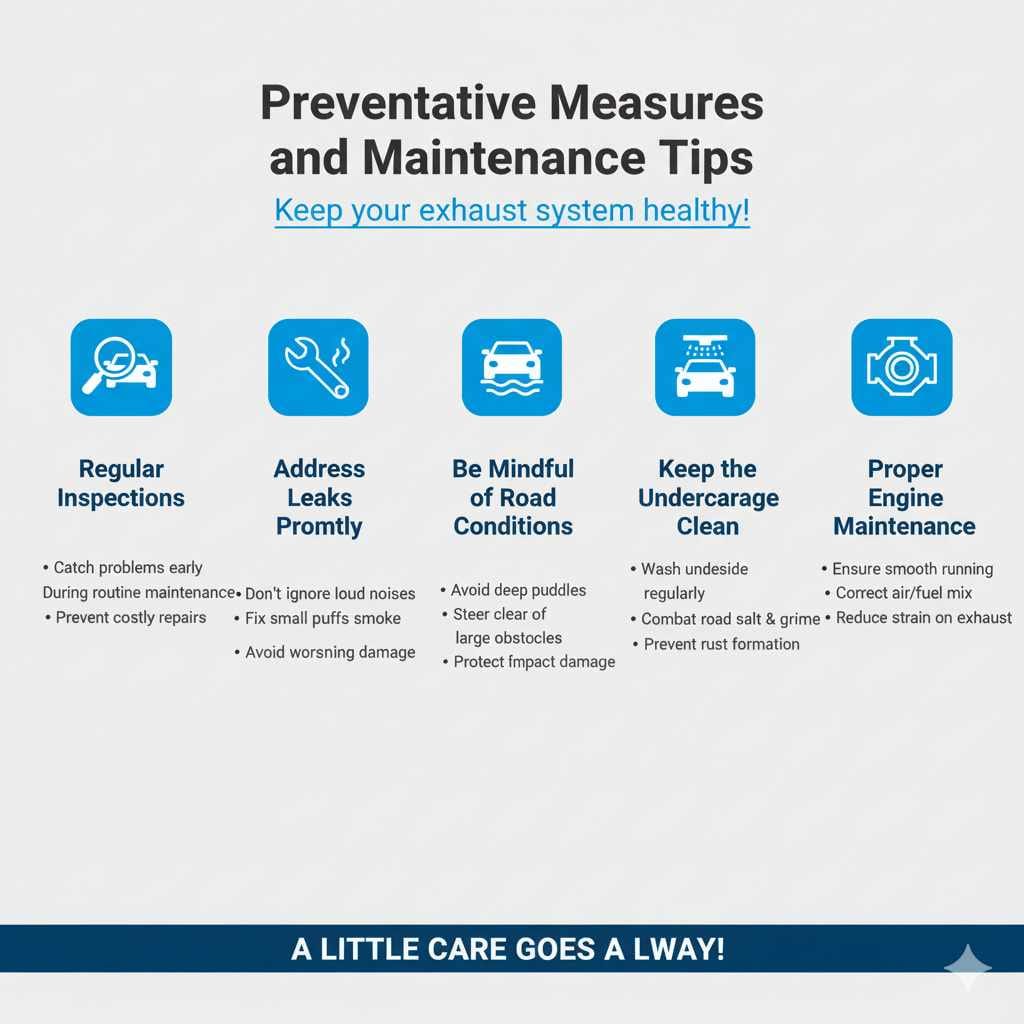
Preventative Measures and Maintenance Tips
Keeping your exhaust system in good shape can help prevent smells and costly repairs down the line.
- Regular Inspections: Even if you don’t notice smells, having your exhaust system inspected during regular maintenance checks can catch small problems before they become big ones.
- Address Leaks Promptly: Don’t ignore small puffs of smoke or louder exhaust noises. These are often early signs of leaks that can worsen.
- Be Mindful of Road Conditions: Avoid driving through deep puddles or over large obstacles that could damage your exhaust system.
- Keep the Undercarriage Clean: Especially if you live in an area that uses road salt in winter, washing the underside of your car can help prevent rust from forming on exhaust components.
- Proper Engine Maintenance: Ensuring your engine is running smoothly (no misfires, correct air/fuel mixture) reduces the strain on your exhaust system and catalytic converter, which can help them last longer and prevent unusual smells.
Frequently Asked Questions (FAQ)
Q1: Is it normal for my car to smell like exhaust sometimes?
A: A very faint, brief smell right after shutting off the engine can be normal due to residual heat. However, a strong, persistent, or unusual smell is not normal and should be investigated.
Q2: Can a hole in my exhaust pipe cause a smell?
A: Yes, absolutely. A hole or leak in any part of your exhaust system, including the downpipe, will allow exhaust gases to escape into the cabin or around the vehicle, leading to smells.
Q3: How do I know if the smell is coming from the downpipe specifically?
A: It can be tricky to pinpoint. If the smell is strongest near the front of the car, close to where the engine meets the exhaust, it might be related to the downpipe or exhaust manifold. Visual inspection for soot marks around these connections is a good indicator.
Q4: Do aftermarket downpipes cause smells differently than stock ones?
A: Aftermarket downpipes, especially those designed for performance, might not have a catalytic converter or might have a high-flow one. If they lack a catalytic converter altogether (often for off-road use), they will likely produce stronger, more noticeable exhaust smells and are not legal for road use in most places. A well-designed stock or compliant aftermarket downpipe should not intrinsically cause more smells than intended.


