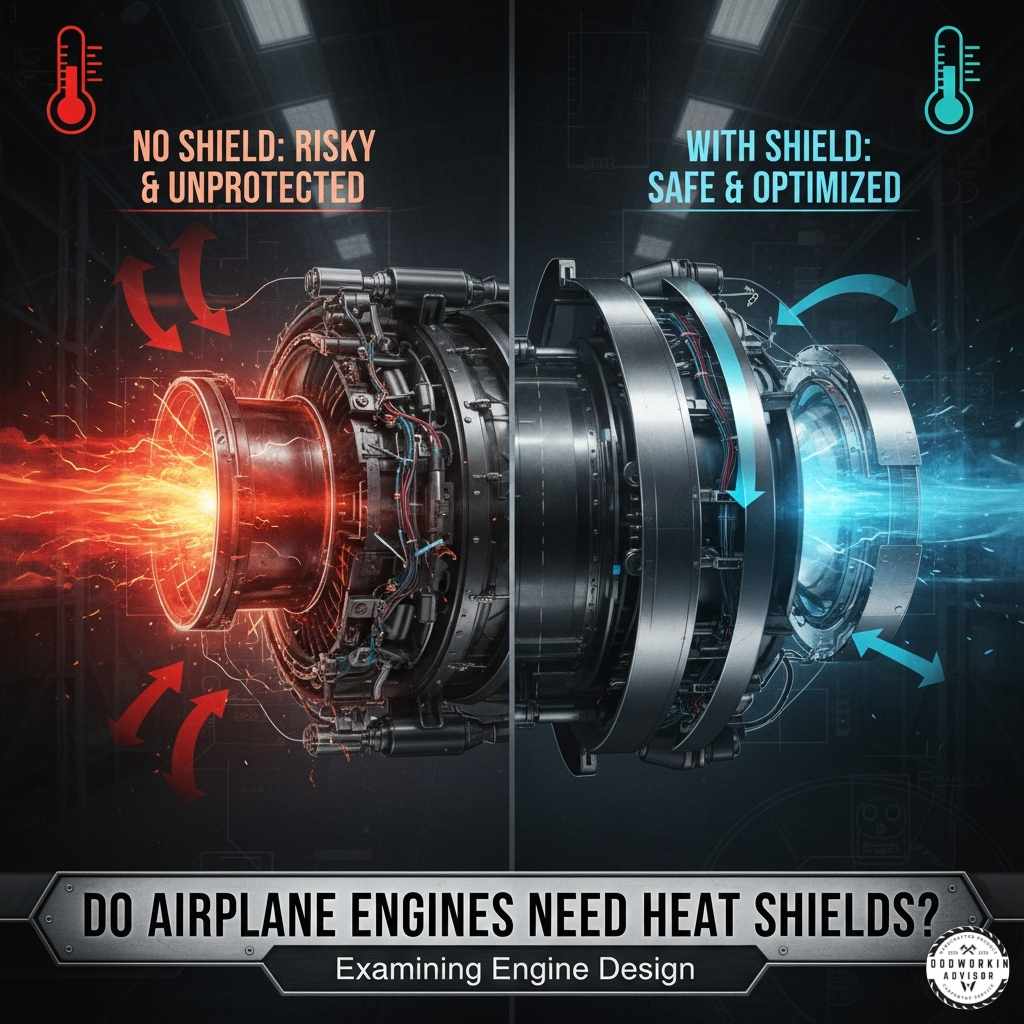
Do Airplane Engines Need Heat Shields? Examining Engine Design
If you’re wondering, Do Airplane Engines Need Heat Shields?, you’re not alone! This question often pops up for people new to aircraft engineering and how planes work. The idea of extreme temperatures around jet engines is a bit tricky to grasp at first. Don’t worry, though; we’ll break it down into simple terms. We’ll explore why heat shields are important and how they function, guiding you through a step-by-step exploration of airplane engine design. We will also discover the details in the coming sections.
Understanding Aircraft Engine Heat and Its Impact
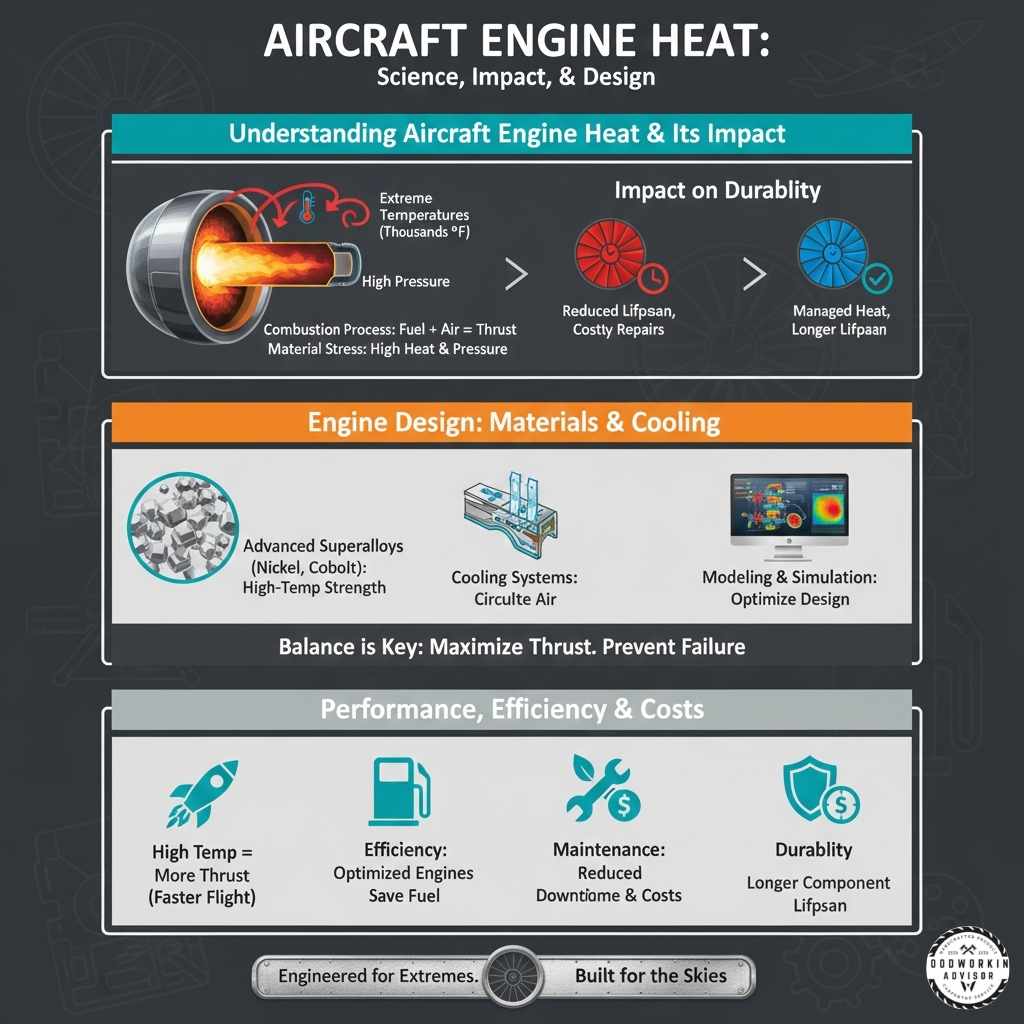
Aircraft engines, especially jet engines, get incredibly hot during operation. The core of a jet engine is a combustion chamber, where fuel mixes with air and ignites. This process generates massive amounts of heat. The extreme temperatures can reach thousands of degrees Fahrenheit. This intense heat is necessary for thrust. However, it can also cause damage to engine components if not managed properly. This is where the concept of heat management becomes critical. Furthermore, the engine design must address how to cope with the tremendous stress of the heat and pressure.
The Science Behind Extreme Engine Heat
The high temperatures inside a jet engine are a result of the rapid burning of fuel. As the fuel burns, it releases a vast amount of energy. The hot gases expand rapidly and are forced out the back of the engine, creating thrust. It’s a very efficient system but one that generates extreme temperatures. Think of it like a controlled explosion. The pressure inside the engine is also very high, adding to the stress on engine parts. The combination of heat and pressure requires very strong and heat-resistant materials.
- Combustion Process: The rapid and continuous combustion process is what generates the heat. This is due to the chemical reactions.
- Thrust Production: The high-temperature gases are expelled to generate thrust. This energy release is harnessed.
- Material Limitations: Engine parts are exposed to these conditions. This places significant stress on the materials.
- Importance of Cooling: Cooling systems and heat shields are essential to protect the engine components. This helps maintain the engine’s integrity.
Engine designers must consider heat resistance. They employ advanced materials like superalloys, which are able to withstand high temperatures. These alloys, made of materials such as nickel, cobalt, and chromium, maintain strength even under extreme heat. These materials are also resistant to oxidation and corrosion. The design of cooling systems also plays a role in managing heat. These systems help to circulate cool air around critical engine parts to help regulate the temperature. These cooling mechanisms are extremely important.
The Role of Heat in Engine Performance and Durability
Heat affects both the performance and the lifespan of an aircraft engine. The hotter the gases, the more thrust the engine can generate. This is also why engineers are constantly looking for ways to make engines operate at higher temperatures. However, excessive heat can cause components to fail. This leads to downtime and costly repairs. The extreme heat can cause materials to degrade, crack, or even melt. A well-managed thermal environment extends the life of engine parts. It also allows the engine to run more efficiently. This careful balance is key in aircraft engine design.
- Thrust Generation: Higher temperatures lead to more thrust. This allows faster flight.
- Material Degradation: Overheating can cause components to wear out prematurely. This reduces the engine’s lifespan.
- Efficiency: Engines optimized for high temperatures are more efficient. This saves fuel.
- Maintenance Costs: Proper heat management decreases maintenance costs. This makes the aircraft cheaper to operate.
Aircraft engineers use advanced modeling and simulation tools to understand how heat affects their designs. They use these tools to test and refine engine designs before they ever build a physical prototype. They can simulate a variety of operating conditions. Engineers can find weak points and optimize cooling systems. This helps to ensure that the engine can operate safely and efficiently under all circumstances. This testing is also crucial to guarantee that an engine will work for its expected life cycle.
The Function of Heat Shields in Aircraft Engines
Heat shields play a critical role in protecting aircraft engines. These shields help to manage and mitigate the impact of the intense heat produced by jet engines. They act as barriers. They prevent excessive heat from damaging critical engine components and nearby aircraft structures. The placement and materials used for heat shields are very carefully chosen.
What Heat Shields Are and How They Work
Heat shields are designed to absorb or deflect the heat generated by the engine. They’re typically made from materials that can withstand high temperatures. They’re often made of ceramic, metallic alloys, or a combination of both. These shields are positioned around hot engine components. Their goal is to prevent the heat from reaching other parts of the aircraft. By absorbing or reflecting the heat, heat shields reduce the overall temperature. This helps to preserve the structural integrity of the engine and the surrounding systems. It also increases the lifespan of engine components.
- Heat Absorption: Heat shields can absorb some of the heat. This lowers the temperature of surrounding components.
- Heat Reflection: The shields can reflect heat away from sensitive areas. This helps to keep components cool.
- Insulation: Heat shields may provide insulation. This reduces the heat transfer from hot parts to cooler ones.
- Material Properties: Materials like ceramic and metallic alloys are used for their high-temperature resistance. This helps keep the engine safe.
The design of the heat shield is very important. It can take on various forms. It can be a simple plate or a complex, multi-layered structure. The shape and the materials depend on the specific engine. They also rely on the location within the engine. Some shields are designed to channel the heat away from sensitive areas. Others are made to provide insulation, reducing the temperature transfer. These elements work in concert to protect the engine.
Materials Used in Heat Shield Construction
The choice of materials is crucial for effective heat shielding. Engineers select materials that can withstand extreme temperatures. They also need to be light enough to avoid adding too much weight to the aircraft. Common materials include advanced alloys. These alloys are often used because they can handle high temperatures without losing their strength. They’re able to withstand oxidation and corrosion, which can occur at high temperatures. In addition, ceramic materials are frequently used. They have excellent thermal resistance and can act as insulators.
- Superalloys: Nickel-based alloys are strong and heat-resistant. This makes them ideal for engine components.
- Ceramic Materials: Ceramics offer excellent insulation and heat resistance. These are great for high-temperature zones.
- Composite Materials: Composites blend various materials to improve performance and reduce weight. This is important for efficiency.
- Coatings: Heat-resistant coatings are applied to components to extend their life. They’re also there to improve thermal protection.
Engineers are always looking for materials with improved properties. They’re trying to find materials that can withstand higher temperatures. They also want them to be lighter and more durable. The development of new materials is critical. It allows for the design of more efficient and reliable engines. For example, materials like silicon carbide are used in newer engines. Silicon carbide is capable of withstanding very high temperatures. This allows engines to operate more efficiently, which reduces fuel consumption and increases performance.
Specific Areas Where Heat Shields Are Used
Heat shields are not used randomly in aircraft engines. They are placed in critical areas to protect vulnerable components. These include sections that are close to the combustion chamber, exhaust nozzles, and engine casings. Their strategic placement prevents damage. They maintain the structural integrity and efficiency of the aircraft engines.
Combustion Chamber Protection
The combustion chamber is where fuel is ignited. This process generates the highest temperatures within the engine. Heat shields are essential in this area to protect the chamber walls. The shields help to prevent the walls from overheating and potentially failing. These shields help to maintain the combustion process. They also extend the life of the engine components. The shields also often include advanced cooling systems. These cooling systems work in tandem to manage the heat efficiently. This design is crucial for engine reliability.
- High Temperatures: The combustion chamber is exposed to very high temperatures. This is a crucial area.
- Shield Placement: Shields are placed around the combustion chamber walls. This is to absorb and reflect heat.
- Material Choice: High-temperature-resistant materials are used, like superalloys and ceramics. These protect the engine.
- Cooling Systems: These are integrated to remove excess heat. This improves engine performance.
The design of the heat shields in the combustion chamber is a complex challenge. Engineers must consider both the thermal load and the mechanical stress. They may use several layers of shielding. Each layer has a specific function. Some layers may absorb heat. Others may reflect it. Engineers may add insulation to reduce heat transfer to the engine casing. They also may include cooling features that circulate air or a liquid coolant. These elements work together to ensure that the combustion chamber operates safely and efficiently.
Exhaust Nozzle and Turbine Protection
The exhaust nozzle and turbines are other areas where heat shields are very important. The exhaust nozzle is where the hot gases are expelled. It is subjected to very high temperatures and pressures. Heat shields protect the nozzle from these conditions. They also help to prevent the heat from damaging the aircraft’s structure. The turbines are also exposed to these high temperatures and pressures. They drive the engine’s compressor. Heat shields and cooling systems are crucial to keeping the turbine blades and surrounding structures within safe temperature limits.
- Exhaust Nozzle: The nozzle is exposed to extremely hot exhaust gases. This requires heat protection.
- Turbine Blades: These blades are constantly exposed to high heat and stress. They need protection.
- Cooling Systems: Air is often circulated through the blades. This cools the metal and prevents damage.
- Shield Materials: High-temperature alloys and ceramic coatings are used. These prevent damage.
The materials used in the exhaust nozzle and turbine heat shields are designed to withstand thermal stress. They must also withstand the effects of erosion. The high-velocity gases can wear down the materials over time. Engineers use coatings to improve the durability and heat resistance of the shields. They also often use cooling systems. These systems help to circulate air or coolants through the blades and surrounding components. They are designed to manage the heat effectively. This helps to extend the life of the engine and the surrounding aircraft structures.
Engine Casing and Nearby Components
Heat shields also protect the engine casing and the components around it. The engine casing houses the core engine parts. It must withstand high temperatures. The surrounding components are also sensitive to heat. This includes fuel lines, electrical wiring, and hydraulic systems. The heat shields prevent excessive heat transfer. They keep these components from failing. They also ensure the safety and reliability of the aircraft. Proper heat shielding is crucial for overall aircraft safety.
- Casing Protection: Shields are placed around the casing. This reduces heat transfer to the exterior.
- Component Safety: Delicate systems like fuel lines are shielded to prevent damage. This ensures aircraft safety.
- Material Choices: High-temperature-resistant and insulating materials are used. These ensure protection.
- Airflow Considerations: Shield designs also consider airflow. This is to dissipate heat and cool components.
The design of the heat shielding around the engine casing and other components is important. Engineers must consider the placement of the shields. They must consider the need for airflow. They must ensure that the heat shields do not interfere with other systems. They often use a combination of different types of heat shields and insulation. These can include reflective shields, insulating blankets, and air gaps. These design elements work in concert. They protect the engine and surrounding aircraft systems from the effects of extreme heat.
Real-World Examples and Case Studies
To really appreciate the importance of heat shields, it helps to look at some real-world examples. Examining situations where heat shields made a difference helps demonstrate their effectiveness in aircraft operation. These case studies highlight the impact heat shields have on engine performance and safety.
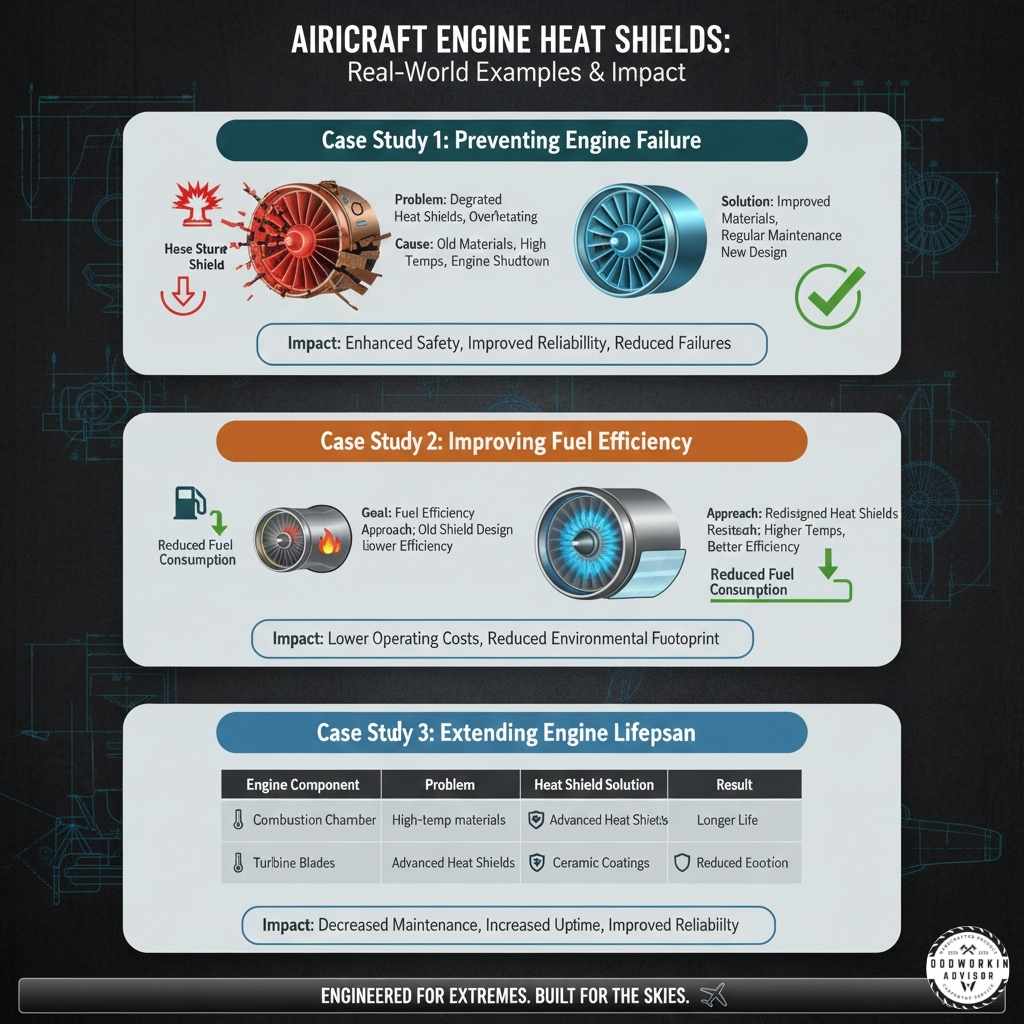
Case Study 1: Preventing Engine Failure
In one case, an older aircraft experienced a sudden engine failure during flight. This failure was later traced to damage in the turbine section. Upon inspection, engineers found that the heat shields had degraded. The degradation caused excessive heat exposure to the turbine blades. This, in turn, led to blade failure and, ultimately, engine shutdown. Replacing the heat shields with improved, more heat-resistant materials prevented further failures. It also improved the overall reliability of the aircraft. This showed how important it is to maintain heat shields.
- Problem: Degradation of heat shields. This led to overheating.
- Cause: Older, less durable materials. Exposure to high temperatures.
- Result: Turbine blade failure. Engine shutdown.
- Solution:
This situation emphasized the importance of regular inspections and maintenance of heat shields. It also showed the importance of using high-quality materials. It highlighted the value of constantly improving design. This is to ensure the durability of engine components. Aircraft maintenance teams now pay close attention to the condition of heat shields. They schedule replacements as needed. They also use advanced materials to reduce the risk of failure.
Case Study 2: Improving Fuel Efficiency
Modern jet engines are constantly being optimized for fuel efficiency. One example involves redesigning the heat shielding around the combustion chamber. This optimization resulted in improved combustion efficiency. It allowed the engine to operate at a slightly higher temperature without damaging the components. This led to a measurable reduction in fuel consumption. This not only lowered operating costs but also reduced the aircraft’s environmental impact. This is an example of the many benefits that can be seen.
- Goal: Improve fuel efficiency and performance. This is always a priority.
- Approach: Redesigning heat shields in the combustion chamber.
- Result: Improved combustion efficiency and higher operating temperatures.
- Outcome: Reduced fuel consumption and lower environmental impact.
This case study illustrates the economic and environmental benefits of efficient heat management. It underlines the importance of heat shields. It also shows the importance of engineers developing engines that are both efficient and sustainable. It is also an example of the continuous improvement that is a standard in the aerospace industry. The changes have led to advancements. They have helped reduce both fuel consumption and emissions.
Case Study 3: Extending Engine Lifespan
Engineers improved the lifespan of a certain jet engine. They did this by using advanced heat shields in the turbine section. These new shields provided a more even distribution of heat across the turbine blades. This greatly reduced thermal stress and the risk of cracking and failure. By extending the life of key engine parts, maintenance costs were cut. This improved the reliability of the aircraft. It also led to increased operational uptime. All of these factors highlighted the value of proper heat management.
- Challenge: Extend the lifespan of turbine blades. This decreases costs.
- Solution: Implementation of advanced heat shields. This creates even heat distribution.
- Outcome: Reduced thermal stress, decreased maintenance needs. It also improved uptime.
- Impact: Extended engine lifespan. This reduces costs and improves reliability.
This example shows how heat shield design affects the financial aspect of aircraft operation. It also shows how the technology can improve efficiency. Regular inspection and maintenance are essential for ensuring the performance of heat shields. Engine manufacturers use new materials and designs to improve the durability of these components. This ongoing innovation ensures that aircraft engines remain safe, reliable, and cost-effective.
| Engine Component | Problem | Heat Shield Solution | Result |
|---|---|---|---|
| Combustion Chamber | Overheating, potential failure | High-temperature-resistant materials, cooling systems | Increased chamber life, better fuel efficiency |
| Turbine Blades | Thermal stress, cracking | Advanced heat shields with even heat distribution | Reduced stress, longer blade lifespan |
| Exhaust Nozzle | Excessive heat, structural damage | High-temperature alloy and ceramic coatings | Reduced erosion, extended nozzle life |
Frequently Asked Questions
Question: Why are heat shields necessary on airplane engines?
Answer: Heat shields are important to protect engine components from extreme temperatures. They extend the life of these components and help keep the engines running safely.
Question: What materials are typically used for heat shields?
Answer: Engineers often use superalloys, ceramic materials, and advanced coatings. These materials can withstand high heat and stress.
Question: Where are heat shields placed in an aircraft engine?
Answer: Heat shields are used in critical areas. These include the combustion chamber, exhaust nozzles, and around the engine casing.
Question: How do heat shields improve engine efficiency?
Answer: Heat shields help to reduce heat loss. This allows the engine to run more efficiently and use less fuel.
Question: How often are heat shields inspected and replaced?
Answer: Heat shields are regularly inspected during aircraft maintenance. They are replaced based on wear and tear or scheduled maintenance intervals.
Final Thoughts
The question, “Do Airplane Engines Need Heat Shields?” has a clear answer: absolutely. These aren’t just an extra; they’re key components. They’re essential for the safety and smooth operation of aircraft engines. From protecting the combustion chamber to extending the life of turbine blades and preventing damage to surrounding systems, heat shields are a vital part of aircraft design. The choice of materials, the design of the shield, and their placement are meticulously planned to cope with the extreme conditions inside a jet engine.
Next time you’re on a plane, remember the engineering behind it, including the important function of the heat shields. It’s a reminder of the amazing technology that allows us to fly safely. If you’re interested in aviation, keep exploring. Study the advancements of these technologies. There’s always something new to learn in this exciting field!