Can an Oxygen Sensor Cause a Check Engine Light?
Yes—an oxygen sensor can turn on the check engine light, but a sensor code like P0130–P0167 often means the sensor signal is bad, while fuel, exhaust, or wiring faults may be the real cause. Ignoring the wrong diagnosis can waste money on parts and leave the actual engine problem unfixed. This guide explains the decision tree, the code patterns, and what to check before you replace an oxygen sensor.
Can an oxygen sensor cause a check engine light?

- Works with iPhone, Android, or Windows devices
- Reads live data and clears check engine lights
- Supports popular apps and enhanced OEM coverage
Yes. The engine control unit, engine control module, or PCM uses oxygen sensor data to adjust air-fuel ratio and emissions control, so a faulty reading can set a diagnostic trouble code and turn on the MIL/CEL. But the light may also be warning about a different fault that the sensor only reports, such as a misfire, vacuum leak, or exhaust leak.
The check engine light tells you the engine computer has seen an emissions fault or a condition that can affect emissions. A steady light usually points to a fault that needs diagnosis soon, while a flashing light usually points to a misfire severe enough to risk catalytic converter damage.
How the sensor fits the decision tree
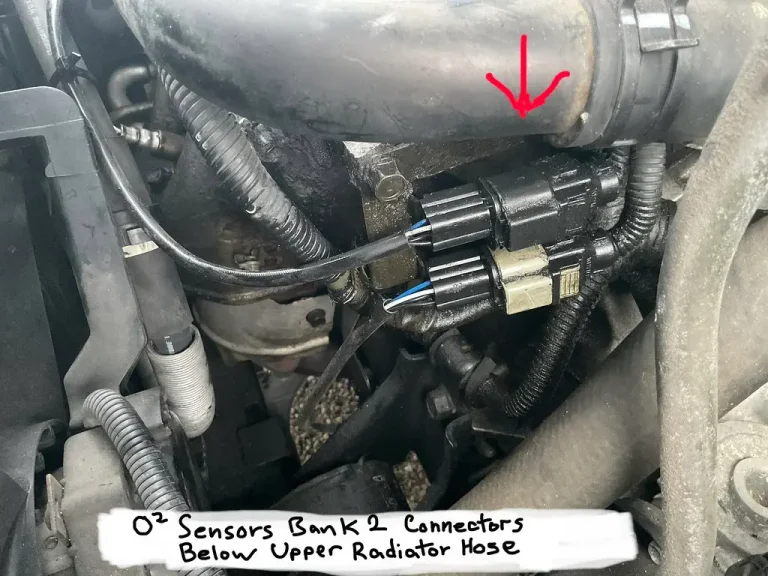
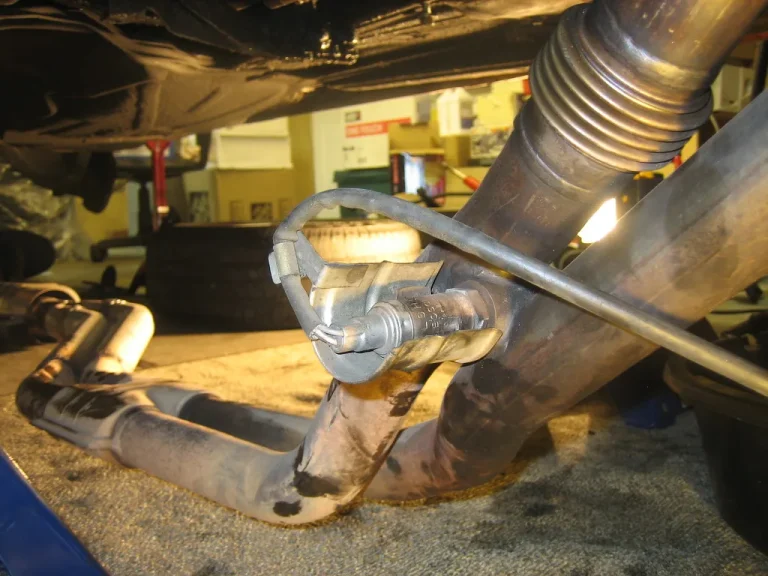
An oxygen sensor measures oxygen content in exhaust gas and sends that signal to the engine computer. Upstream O2 sensors are located before the catalytic converter and are used for air-fuel control. Downstream O2 sensors sit after the catalytic converter and are used mainly to judge catalyst efficiency.
Some vehicles use narrowband sensors, while others use wideband or air-fuel ratio sensors, especially for upstream control. The naming changes, but the diagnostic logic stays the same: check the code, check the sensor location, then check whether the sensor is lying or simply reporting another engine problem.
Oxygen sensor code table
| CEL scenario | Most likely oxygen-sensor role | What else could be wrong | First verification step |
|---|---|---|---|
| Steady light with P0130-P0167 | Sensor circuit, heater, or response fault | Wiring damage, bad connector, blown fuse, exhaust leak, PCM issue | Scan live data and inspect power, ground, and connector condition |
| Steady light with P0420/P0430 | Downstream sensor is part of the catalyst-efficiency test | Weak catalytic converter, exhaust leak, upstream fueling problem, misfire | Compare upstream and downstream sensor behavior before replacing parts |
| Flashing light with misfire codes | Sensor may report the misfire, but is usually not the main fault | Bad spark plug, coil, injector, vacuum leak, mechanical compression issue | Address the misfire first and confirm P0300-series codes |
| No-code symptoms like poor MPG | Possible slow or contaminated sensor | Vacuum leak, fuel pressure problem, dragging brake, dirty MAF, thermostat fault | Check fuel trims and sensor switching or response rate |
Which codes point to an oxygen sensor?
P0130 through P0167 are commonly used for oxygen-sensor circuit and response codes. They can point to sensor failure, heater circuit faults, wiring issues, or exhaust leaks. P0420 and P0430 are different: they usually point to catalyst efficiency problems, where the downstream sensor helps the computer make the judgment but is not always the failed part.
P0300, P0301, P0302, P0303, or P0304 can also make an oxygen sensor look guilty. A misfire changes exhaust oxygen content fast, so the PCM may log sensor-related data that looks wrong even though the spark, fuel, or compression fault is upstream of the sensor.
What P0130-P0167 usually mean
These codes often cover “signal too low,” “signal too high,” slow response, heater fault, or circuit failure. That means the sensor itself may be bad, but the wiring and heater circuit deserve equal attention. A sensor cannot report accurately if its heater never brings it up to temperature or if the signal wire is open, shorted, or corroded.
Exhaust leaks ahead of the upstream sensor can also create lean-looking data. Fresh air entering the exhaust fools the PCM into seeing extra oxygen, so the code can point toward the sensor while the true fault is a leak in the pipe, manifold, or gasket.
Why P0420 and P0430 are different
P0420 and P0430 commonly get blamed on an oxygen sensor, and faulty oxygen sensors commonly trigger them. Still, these codes are catalyst-efficiency codes first. The downstream sensor is part of the test, but the real cause can be a tired catalytic converter, an upstream fueling problem, an exhaust leak, or a misfire that overheats the converter.
Do not replace the downstream sensor just because the code mentions catalyst efficiency. Compare the upstream and downstream waveforms or live data first. If both sensors behave oddly, the problem may be upstream of the converter.
Why misfire codes change the diagnosis
Flashing CEL behavior usually points to an active misfire, not an oxygen sensor failure. A bad spark plug can cause a check engine light to flash and generate P0300-series codes. In that situation, the oxygen sensor is often reading the aftermath of the misfire, not causing it.
Say your scan tool shows P0302 and the light flashes under load at 45 mph. Replace or diagnose the cylinder 2 ignition problem first, because continuing to drive can damage the catalytic converter. The oxygen sensor data may normalize once the misfire is fixed.
Can a bad O2 sensor cause a flashing check engine light?
Usually no. A flashing check engine light almost always means an active misfire or a condition that can damage the catalytic converter quickly. A bad oxygen sensor can contribute to poor mixture control, but the flash warning is typically about combustion trouble, not the sensor itself.
If an oxygen-sensor code appears at the same time, treat it as secondary until the misfire risk is handled. The sensor may be reacting to unburned oxygen from the misfire, or the PCM may be using poor data because the engine is already running badly.
When to stop driving
If the light flashes, reduce load and pull over soon if the engine runs rough, smells of fuel, or loses power. Continued driving can overheat the converter. A steady CEL tied to a sensor code is usually less urgent than a flashing CEL tied to misfire codes, but it still needs a scan before parts are replaced.
How to confirm the sensor before replacement
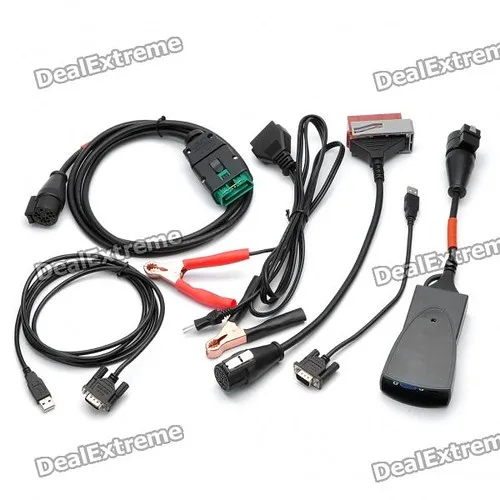
Start with the code. A scan tool is the first verification step because you need the DTCs and live data before replacing parts. The PCM stores the code, and the scan tool can identify which bank and which sensor is involved. A code by itself does not necessarily prove the sensor is bad.
Check the data in order
Read the stored codes. Record every DTC, including pending codes and freeze-frame data. That snapshot tells you engine speed, load, coolant temperature, and fuel-trim conditions when the fault set.
Identify the sensor location. Confirm whether the code points to an upstream or downstream sensor. Upstream sensors are used for mixture control; downstream sensors are used mainly for catalyst monitoring.
Inspect wiring and connectors. Look for melted insulation, loose terminals, corrosion, and harness contact with the exhaust. A sensor can be fine while the circuit is not.
Check heater power and ground. A heater circuit fault can set an oxygen sensor code even when the sensing element still works. Verify power, ground, and fuse or relay supply before replacing the sensor.
Review fuel trims. Look at STFT and LTFT on the scan tool. Large positive trims suggest the engine is adding fuel to correct a lean condition, which can come from a vacuum leak or exhaust leak rather than the sensor itself.
Compare sensor response. Watch how the upstream sensor switches or how the wideband sensor responds. Slow or flat response can point to contamination, aging, or a heater issue. If the data is erratic only at idle or only under load, look at engine conditions around that moment.
A common first-timer mistake is replacing the downstream sensor after a P0420 code without checking for a misfire or exhaust leak. That can leave the true cause untouched and the light right back on after the repair.
Picture a car with poor fuel economy, a steady light, and LTFT near +18%. That trim pattern points more toward a lean condition than a simple dead sensor. A vacuum leak, low fuel pressure, or exhaust leak can distort sensor readings and the PCM will still blame the circuit it sees as abnormal.
Can a dirty or slow sensor cause poor MPG?
Yes, a contaminated or slow oxygen sensor can contribute to poor fuel economy, rough idle, stalling, poor acceleration, and even black exhaust smoke. But those symptoms do not prove the sensor is the root cause. They can also come from vacuum leaks, injector problems, bad spark plugs, or exhaust leaks.
Slow response matters because the PCM depends on quick feedback. If the sensor is lazy, the computer may overcorrect fuel delivery. On some vehicles, especially those using wideband sensors, the fault can appear as poor trim control before a simple “bad sensor” code appears.
What dirty or slow usually looks like
Contamination from oil burning, coolant intrusion, or silicone sealants can coat the sensing element and slow the signal. Heater failure can mimic that by delaying warmup. The sensor may still produce data, but the data arrives late enough that the PCM cannot keep the mixture where it should be.
If the only symptom is poor MPG, do not jump straight to replacement. Check for fuel trims, misfires, thermostat issues, intake leaks, and tire or brake drag first. The sensor may be reporting the result of another problem rather than causing it.
Frequently asked questions
Can an oxygen sensor cause a check engine light to come on?
Yes. A faulty oxygen sensor can cause the PCM to store a DTC and turn on the MIL/CEL. That said, a code can also point to a wiring fault, heater failure, exhaust leak, or mixture problem that the sensor only reports. The code pattern matters more than the guess.
Can a bad O2 sensor cause a check engine light?
But P0420 or P0430 often involves the catalyst-efficiency decision, not just the sensor. Use a scan tool and live data before replacing anything, or you may fix the wrong part.
Can an O2 sensor cause a flashing check engine light?
Usually no. A flashing light usually points to a misfire severe enough to threaten the catalytic converter. The oxygen sensor may be reading the misfire, but the main fault is more likely spark, fuel, or compression related. Address the flashing condition first.
Will a bad oxygen sensor cause a check engine light?
Yes. A bad oxygen sensor can trigger the light when its signal is slow, biased, or out of range. It can also set a heater or circuit code. The key question is whether the sensor failed or whether another fault made the signal look wrong.
Which O2 sensor causes the check engine light?
Either one can. Upstream sensors are more likely to affect mixture control and trigger driveability complaints, while downstream sensors are more often tied to catalyst-efficiency codes like P0420 and P0430. The code and bank number tell you which sensor the PCM is watching.
How do you get rid of a check engine light for an O2 sensor?
Scan the vehicle, identify the exact code, inspect wiring and connectors, verify heater power and ground, and check fuel trims and exhaust leaks before replacing the sensor. Then repair the actual fault, clear the code, and confirm the repair with a road test and a rescan.