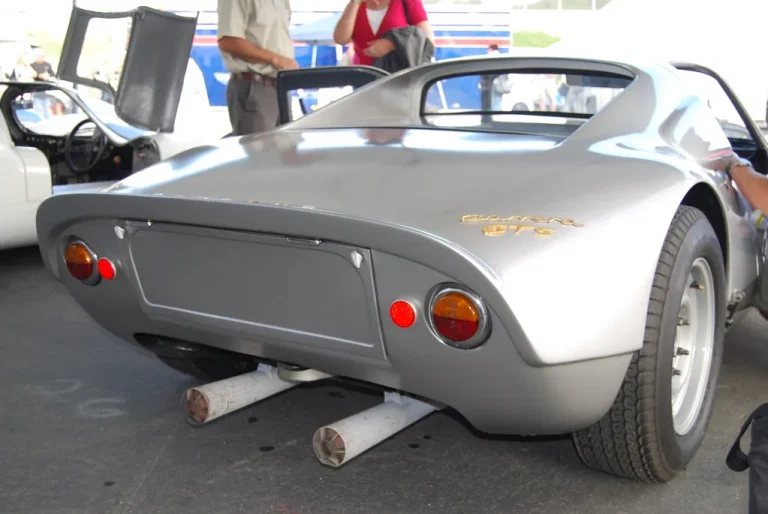
How to Choose an Exhaust for Daily Driving
Choose a cat-back or resonated axle-back with stock-sized piping and verified emissions and noise compliance. For daily driving, the best setup is usually the quietest legal option that keeps highway drone under control and leaves the catalytic converter untouched where required. Sound clips and peak-number claims can be misleading; the right system depends on engine type, cruising rpm, cabin sensitivity, and local rules. This guide covers fitment, sound control, legality, and reversible exhaust upgrades.
What should daily driving prioritize?
Daily driving should prioritize comfort, legality, fitment, and reversible changes before chasing maximum volume. On many cars, the right setup is the one that stays pleasant on the highway, avoids inspection problems, and does not force you to undo the upgrade later. Exhaust note is subjective, but drone and compliance problems are not.
So your first filter is not peak horsepower. It is whether the cabin stays quiet enough for conversation, whether the system fits your exact car, and whether the catalytic converter stays in place when local rules require it. EPA rules restrict tampering with emissions controls on road vehicles, and California requires CARB-approved parts for many modified vehicles sold or used there. Noise limits also vary by jurisdiction. EPA transportation emissions guidance, CARB aftermarket parts overview, 40 CFR Part 86.
Daily-driver exhaust decision table
| Commute profile | Engine type | Desired loudness | Drone risk | Legal risk | Recommended exhaust type |
|---|---|---|---|---|---|
| City stop-and-go, short trips | Natural aspiration | Low to moderate | Low if muffled; higher with straight-through tubing | Low if catalytic converter stays untouched | Axle-back or quiet cat-back |
| Mixed city and suburban use | Natural aspiration or turbo | Moderate | Medium unless resonated or valved | Medium; verify local noise rules and emissions limits | Cat-back, preferably resonated |
| Highway-heavy commute | Natural aspiration | Low | High with aggressive mufflers or large pipe diameter | Low to medium depending on kit approval | Valved system or quiet cat-back |
| Turbo daily with weekend back roads | Turbocharged | Moderate | Medium; turbo cars can still drone with poor muffler choice | Medium to high if downpipe or catalyst changes are noncompliant | Valved cat-back or compliant turbo-back only where legal |
Simple scoring rule
Score each option from 1 to 5 in three areas: comfort, legality, and reversibility. Add them up. For city drivers, axle-back usually wins on reversibility and comfort. For mixed use, cat-back usually wins because it balances tone and restraint. For highway-heavy drivers, a valved system scores best because you can keep it quiet when the road gets long.
Use this as a practical rule: if drone matters more than sound, pick the quietest legal setup that preserves your stock catalytic converter and leaves room to reverse the change later.
Common daily-driving tradeoffs
Suppose you commute 38 miles each way, with 26 miles on the interstate. A louder rear section may sound better at idle, then turn into a steady boom at cruise. In that case, a resonated cat-back or valved system is a better fit than an open, straight-through design.
A common first-timer mistake is choosing the loudest clip on the product page. That clip rarely shows the drone you hear at 2,000 rpm in top gear, which is where many daily drivers spend the most time.
What is the best exhaust for daily driving?
For most daily drivers, the best exhaust is a resonated cat-back or a quiet axle-back, depending on how much sound change you want. A cat-back replaces the exhaust from the catalytic converter rearward, while an axle-back replaces only the rear muffler and tailpipe section. Power gains are usually modest and vehicle-dependent: many naturally aspirated cars see small improvements, while turbocharged cars can respond differently depending on the rest of the setup, tune, and catalyst restriction. Published manufacturer guidance often describes cat-backs as moderate sound and modest performance upgrades rather than universal horsepower figures. MagnaFlow performance exhaust systems, Borla exhaust systems.
If you want the most balanced upgrade, start with cat-back systems on cars where you want a fuller tone and modest performance gain without touching emissions hardware. If you mostly want a cleaner note and easier resale, axle-back is usually the calmer choice.
When axle-back is enough
Choose axle-back if you want a tone change without opening the rest of the system. It is the budget-friendly option, and it is usually easier to reverse. That matters if you lease the car, plan to sell it soon, or live where inspection standards are strict.
Based on published product details and buyer feedback, quiet axle-back systems tend to suit drivers who want less exhaust rasp and less cabin boom without changing the car’s character. The tradeoff is smaller sound change and smaller performance potential than a full cat-back.
When cat-back is worth the extra cost
Choose cat-back if you want the best all-around daily upgrade. It usually gives the deeper tone most drivers want, it can add modest power, and it still keeps the catalytic converter in place. For street use, that is often the right balance between sound and compliance.
The drawback is cost. You pay more for the full rear section, and some systems can still drone if the muffler and resonator design are poor. Quiet touring versions are the safer buy for highway use.
When header-back or turbo-back is too much
Header-back systems start at the exhaust manifold or header and extend rearward through the rest of the exhaust path. Turbo-back systems begin at the turbo outlet and include the downpipe and downstream sections. They are usually more aggressive and more legally sensitive than axle-back or cat-back options, especially when emissions hardware is altered. On many street cars, the gains are highly vehicle-dependent and can require supporting changes to avoid check-engine lights, noise issues, or drivability problems. 40 CFR Part 86.
For a daily driver, they can create more heat, more cabin noise, and more legal exposure. If your area checks catalyst placement or sound output, these systems can create inspection trouble fast.
How do you keep drone low?
Drone stays low when the system is designed for cruise rpm, not just wide-open throttle. Pipe diameter, resonator choice, and muffler construction all affect whether the cabin gets a steady boom at highway speed. If your commute includes long freeway stretches, that matters more than a half-second louder start-up note.
Valved systems help because they give you two personalities: quieter for the highway, louder when you want it. That is useful when your route changes through the week or when one car has to do both errands and long trips.
Why pipe diameter and muffler design matter
Large, straight pipe can make the car louder without making it better. In many daily drivers, especially naturally aspirated ones, an oversized exhaust can increase cabin boom without a meaningful street-driving benefit. Muffler design, internal packing, and resonator placement often matter more than raw pipe size.
Resonated systems are worth a close look if you know your car tends to boom at one road speed. The resonator helps cancel the harsh frequencies that travel into the cabin.
Why resonators help on highway commutes
how resonators reduce highway drone often shows up at a narrow rpm band. A resonator can smooth that band enough to make the car tolerable again. That is why many street-focused cat-backs include one, and why some axle-backs with better mufflers still feel calmer than louder full systems.
If your daily route is mostly interstate, this is one of the best places to spend money. Sound that is pleasant at idle can still become tiring after 20 miles at constant throttle.
Why valved systems suit changing routes
Valved systems are the best compromise when your driving changes day to day. Open them for a back road, close them for a morning commute. That flexibility is useful for drivers who want less risk of regret after the novelty wears off.
The drawback is complexity. More parts can mean more cost and more installation detail, so you should confirm fitment and warranty terms before you buy.
What materials and finishes last
For street use, stainless steel is the safest long-term choice. Common 304 and 409 stainless are both used in performance exhausts, but 304 generally offers better corrosion resistance in harsh environments, while 409 is widely used as a more economical stainless option and can show surface oxidation sooner in salt-heavy climates. Titanium is lighter and high-strength, but it usually costs more than stainless. Ceramic coating is a high-temperature thermal barrier finish used on exhaust parts; it can reduce heat transfer and help manage underbody temperatures, but it is not a sound-control feature. 304 vs. 409 stainless steel overview, ceramic exhaust coating information.
The guide’s practical bias is simple: daily drivers should favor stainless steel with ceramic coating when heat management matters. Titanium makes sense when weight savings matter enough to justify the higher price.
Stainless steel for corrosion resistance
304 stainless is often the premium daily-driver choice, while 409 stainless is common in more affordable systems. Both can work well on the street. The difference is usually less about sound and more about long-term resistance to rust and the climate you live in.
If the car sees winter road salt or wet weather, stainless is usually worth the extra spend over basic steel.
Titanium for weight savings
Titanium is lighter and strong, but it is not the value pick for most commuters. It is best when you care about mass reduction and are willing to pay for it. On a normal street car, the cost can be hard to justify unless the rest of the build supports it.
Ceramic coating for heat management
Ceramic coating helps manage heat in a way that matters near the floor and underbody. It is not a sound mod. It is a thermal finish that can help protect nearby parts and reduce heat transfer from the exhaust to adjacent components.
That makes it a sensible add-on for cars that see long drives, frequent heat soak, or tight packaging around the exhaust path.
What fitment, emissions, and install checks matter?
Fitment is where many purchases go wrong. You need the exact make, model, and engine code, then you need to check state or country emissions rules before ordering. CARB-compliant or region-specific certified kits matter because local legality can depend on where the catalyst sits and whether the kit is approved for your region. If a setup changes or removes an emissions control device, it can be illegal for road use even if the part physically bolts on. EPA aftermarket defeat devices guidance, CARB aftermarket parts.
Catalytic converter changes may be restricted or illegal in some places, and the converter itself can be a major restriction. That does not mean every performance exhaust is off the table. It means you should verify the rules before you spend money.
Match the exact make, model, and engine code
Do not buy by body style alone. Two versions of the same car can have different hanger locations, pipe routing, or emissions layouts. The correct engine code is especially important on turbo and performance variants.
Check state, country, CARB, or Euro 5 rules
Emissions compliance is not one-size-fits-all. Some kits are legal in one region and unusable in another. If your area checks certification labels, buy the kit that carries the right approval from the start.
Budget for hardware, labor, and any rework
Hardware, clamps, hangers, and gaskets can add to the final bill. Professional installation commonly runs about $100-$300 in labor for straightforward exhaust work, but pricing varies by vehicle, rust level, and whether trimming or re-hanging is needed. DIY saves labor, but it can turn into a second trip if fitment is off. exhaust system replacement cost overview, Openbay service cost estimates.
Price the whole job, not just the kit. A cheaper exhaust that needs rework may end up costing more than a direct-fit kit with cleaner instructions.
Our picks by need
Budget tone change: Walker Quiet-Flow SS 50072 direct fit Exhaust muffler assembly

- Direct-fit replacement for listed vehicles
- Stainless steel construction resists corrosion
- OE-style hangers and routings simplify installation
Based on the manufacturer’s specs and published product details, this direct-fit muffler assembly suits drivers who want a restrained tone change without a full system swap. It uses stainless steel construction and OE-style hangers and routings, which help keep installation simpler on listed vehicles.
The drawback is scope. It is not a full cat-back, so it will not deliver the same tone change or power gain as a larger system. It is best when your priority is calm daily use and a cleaner replacement path.
Moderate daily sound: Flowmaster 50 Series Delta Flow muffler

- Moderate sound for daily driving
- Designed to keep in-cab drone low
- Universal fitment options for custom builds
This is a practical choice for a custom build when you want moderate sound and a design aimed at keeping in-cab drone low. Based on the listed specs, it is a muffler rather than a full exhaust kit, so it fits drivers who want tone control without replacing the entire rear system.
The tradeoff is universal fitment. That can help with custom projects, but it also means the install depends more on the rest of your exhaust layout and less on direct bolt-on simplicity.
Best all-around daily upgrade: MagnaFlow Performance Cat-Back Exhaust System Kit 19494

- Street Series sound suits a daily driver
- Direct-fit design eases installation
- Stainless steel construction with limited lifetime warranty
This cat-back is aimed at a street-focused daily driver. The Street Series sound suits everyday use, the direct-fit design helps installation, and the stainless construction is a plus for long-term street durability. It is a strong fit when you want a fuller note without jumping into a race-only setup.
The main drawback is cost. Like most cat-backs, it costs more than an axle-back, and you should still confirm exact fitment for your Camry trim and engine before buying.
Touring comfort: Borla cat-Back Exhaust System Touring – 140332BC

- Touring sound helps reduce cabin drone
- True dual split side exit styling
- Stainless steel construction and mandrel bends
According to the published product details, this Touring cat-back is built for reduced cabin drone and uses stainless steel construction with mandrel bends. That makes it a strong match for drivers who want a deeper tone but still care about long highway stretches.
The drawback is price. Touring systems usually cost more than simple rear muffler swaps, and the dual split side exit styling may not suit every sleeper-style daily driver.
Mistakes to avoid
- Do not choose sound level before comfort. Loud can feel exciting in a parking lot and tiring on the interstate.
- Do not assume a bigger tip or a wider opening fixes drone. The real problem usually lives in the muffler, resonator, or pipe layout.
- Do not buy a kit without checking emissions rules for your exact area.
- Do not ignore drone risk on long commutes.
- Do not treat tip style as a performance upgrade, because exhaust tips mostly affect appearance and exit style, not meaningful power on their own.
- Do not rely on loud sound clips alone; they rarely capture cruise-speed boom, which is what most daily drivers notice most.
Another common mistake is chasing a “better-sounding” system that is too loud for everyday use. That usually leads to one of three outcomes: you turn the music up, you drive the car less, or you replace the exhaust again.
Frequently asked questions
Should I choose cat-back or axle-back for a daily driver?
Choose axle-back if you want a mild tone change, lower cost, and an easy reversal. Choose cat-back if you want a deeper sound and a more complete upgrade with a typical modest gain that depends on vehicle, engine, and tune. For mixed use, cat-back is usually the better all-around pick.
How do I keep exhaust drone low on the highway?
Pick a resonated system, avoid oversized straight pipe, and favor touring-style mufflers over race-style straight-through setups. Valved systems help if your commute changes. If the car already drones at one rpm band, a resonator is often the most useful fix.
Will a louder exhaust hurt comfort every day?
Often, yes. A louder exhaust can increase cabin boom, make long trips tiring, and reduce the car’s calm feel in traffic. That does not mean every louder system is bad, but daily comfort should come before maximum volume if you drive the car often.
How much horsepower does a daily-driver exhaust usually add?
Most daily-driver exhaust gains are modest and depend on the vehicle, engine, restrictions upstream, and calibration. Cat-back systems can add small gains on many naturally aspirated street cars, while turbocharged vehicles may respond differently because the factory downpipe and catalytic converter often do more to limit flow than the rear section does. Treat any HP claim as a typical outcome, not a universal promise.
What exhaust material lasts longest for street use?
Stainless steel is the best durability choice for most street cars, especially with 304 or 409 alloy construction. Titanium lasts well and saves weight, but it costs more. Ceramic coating can help manage heat, though it is a finish rather than the base material.
Do I need a professional install for a daily driver exhaust?
Not always. A direct-fit axle-back or cat-back can be a DIY job if the fasteners are cooperative and the fitment is exact. Professional installation is worth considering when the hardware is rusty, alignment is tricky, or you want the work finished cleanly for a labor range that often lands around $100-$300 depending on vehicle and shop.
How do emissions rules affect my exhaust choice?
They can decide whether a kit is legal at all. Some regions require the catalytic converter to remain in place, and some require CARB-compliant or Euro 5 certified parts. Check the rules before you buy, not after the package arrives.
What type of exhaust sounds good without being too loud?
A touring cat-back or a quiet axle-back usually gives the best balance. Both can sound fuller than stock without turning the car into a constant drone machine. If you want a daily driver that still feels refined, avoid race-ready systems and straight-through setups.
Do exhaust tips make a difference?
Tips mainly affect appearance and the final exit style. They can slightly change the note at the tail end, but they do not create meaningful horsepower gains by themselves. For a real change in sound or comfort, focus on the muffler, resonator, and full system design.
How do you get higher from car exhaust?
If you mean more sound, you get it through a less restrictive muffler, a cat-back setup, or in some cases a turbo-back on a turbo car where legal. If you mean more power, keep expectations modest for daily use and stay focused on fitment, legality, and drone control first.
Final checklist
- Confirm the exact make, model, engine, and trim before ordering.
- Keep the catalytic converter in place unless your local rules and application specifically allow otherwise.
- Choose resonated or touring-style components if highway drone matters.
- Prefer stainless steel for year-round street use; use ceramic coating for heat management, not sound.
- Check CARB, EPA, state, and local noise requirements before purchase.
- Budget for clamps, gaskets, hangers, and possible labor.
- Pick the quietest legal setup that still gives you the tone you want.