Diesel Exhaust System Problems and Warning Signs
Most diesel exhaust system problems show up first as one of five signs: check-engine light, frequent regenerations, loss of power, diesel smell, or smoke. Start by inspecting the sensor or filter tied to the newest warning. Ignoring those clues can turn a small fault into derate mode, failed emissions parts, or a no-start condition. This guide maps each warning sign to the exhaust subsystem most likely at fault, so you know what to inspect first.
How exhaust flow works and why restriction hurts performance
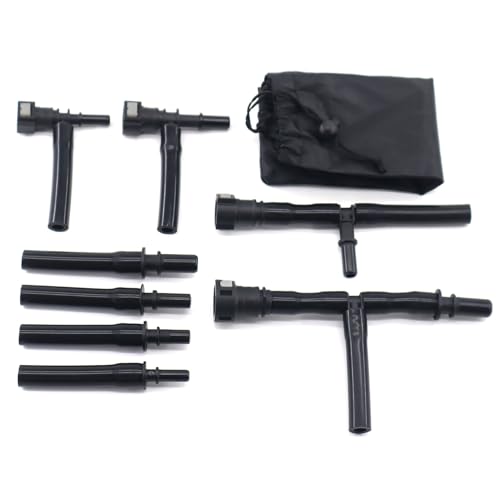

The diesel exhaust system routes spent gases away from the cylinders, lowers exhaust noise, and helps cut emissions through aftertreatment. On heavy trucks and many light diesels, the stack of parts includes the manifold, turbocharger, DOC, DPF, SCR, urea dosing, muffler, and pipes.
That stack matters because exhaust flow is part of engine breathing. When flow is clean and open, the turbo spools normally and the aftertreatment can do its job. When flow is restricted or leaks out early, backpressure can rise, power can drop, fuel use may climb, and emissions control may become less accurate.
How exhaust flow leaves the engine
Exhaust leaves each cylinder through the manifold, then moves through the turbocharger, diesel oxidation catalyst, diesel particulate filter, SCR section, muffler, and tailpipe. Sensors watch pressure, temperature, and oxygen data along the way so the engine and aftertreatment controller can adjust fueling, regeneration, and DEF dosing.
That means one symptom can point to more than one part. A ticking sound near the manifold points one way. Repeated regeneration points another. A DEF warning with no unusual sound often points toward dosing, tank quality, or sensor input instead of a cracked pipe.
Why restriction matters
Restriction increases backpressure. That can hurt turbocharger function, reduce boost, and make the engine work harder to move exhaust out of the cylinders. The result can be lower power, worse fuel economy, more heat in the exhaust path, and more soot loading in the DPF.
Suppose a towing diesel starts feeling flat on long grades, then shows a DPF warning after two more trips. That pattern fits a restricted flow problem more than a random dashboard fault, and it deserves a look at soot loading, pressure readings, and exhaust leaks before the turbo or DPF takes more stress.
Diesel exhaust triage table
Use this table as a first pass. It does not replace a scan tool or pressure test, but it helps you match the warning sign to the most likely subsystem before you start removing parts.
| Warning sign | Likely cause | Severity | What to check first | Keep driving? |
|---|---|---|---|---|
| Soot smell | Exhaust leak at manifold, gasket, flex joint, or pipe | Medium | Look for soot streaks, loose clamps, and heat marks | Cautiously, if no fumes in cab and power is normal |
| Ticking noise | Manifold crack or gasket leak | Medium to high | Inspect the manifold area on a cold start for puffing and soot | Short trips only until inspected |
| Low power | DPF restriction, exhaust backpressure, turbo leak, or EGR fault | High | Check for active regeneration, boost codes, and pressure readings | Only to reach a service point if the truck still responds normally |
| Frequent regeneration | DPF loading, failed regen, sensor drift, or exhaust leak upstream | High | Inspect soot load data, differential pressure, and temperature sensors | Yes, but do not keep delaying service |
| DEF warning | Low-quality DEF, low level, dosing fault, tank issue, or crystal buildup | High | Check DEF level, fill quality, cap seal, lines, and injector area | Drive only as allowed by the dashboard warning plan |
| Black smoke | Turbo underboost, EGR fault, fueling issue, or severe exhaust restriction | High | Check boost behavior, intake leaks, and exhaust restriction first | Usually no for heavy towing or highway use |
| Hissing leak | Cracked manifold, loose joint, failed clamp, or flex section leak | Medium to high | Listen near joints and inspect for soot or hot gas marks | Only if the leak is small and the engine still pulls normally |
| Check engine light | Sensor fault, emissions fault, DPF issue, SCR fault, or EGR problem | Varies | Read codes before parts are replaced | Depends on smoke, power loss, and whether the truck has derated |
How to read the table
Noise points to leaks and cracks. Smoke points to combustion, boost, or aftertreatment problems. Smell points to leaks or incomplete treatment. Dashboard warnings point to what the control system sees, but not always to the exact part.
That is why the newest warning matters. A fresh DEF warning after recent fill-up points toward dosing or fluid quality. A fresh ticking noise with soot on the manifold points toward a leak. A fresh power drop with repeated regenerations points toward DPF restriction or a sensor issue feeding bad data to the controller.
Keep driving or stop now
Stop driving if exhaust gas is entering the cab, if the engine is derating hard, or if the warning light is paired with a strong ticking leak and a noticeable loss of boost. Those signs point to a fault that can damage the turbo, cook nearby parts, or leave you stranded.
Drive cautiously only when the symptom is mild, the vehicle still makes normal power, and the issue is limited to a small leak, an early warning, or a planned service interval. Do not keep towing or hauling if the same fault gets worse with load.
What are the warning signs of exhaust trouble?
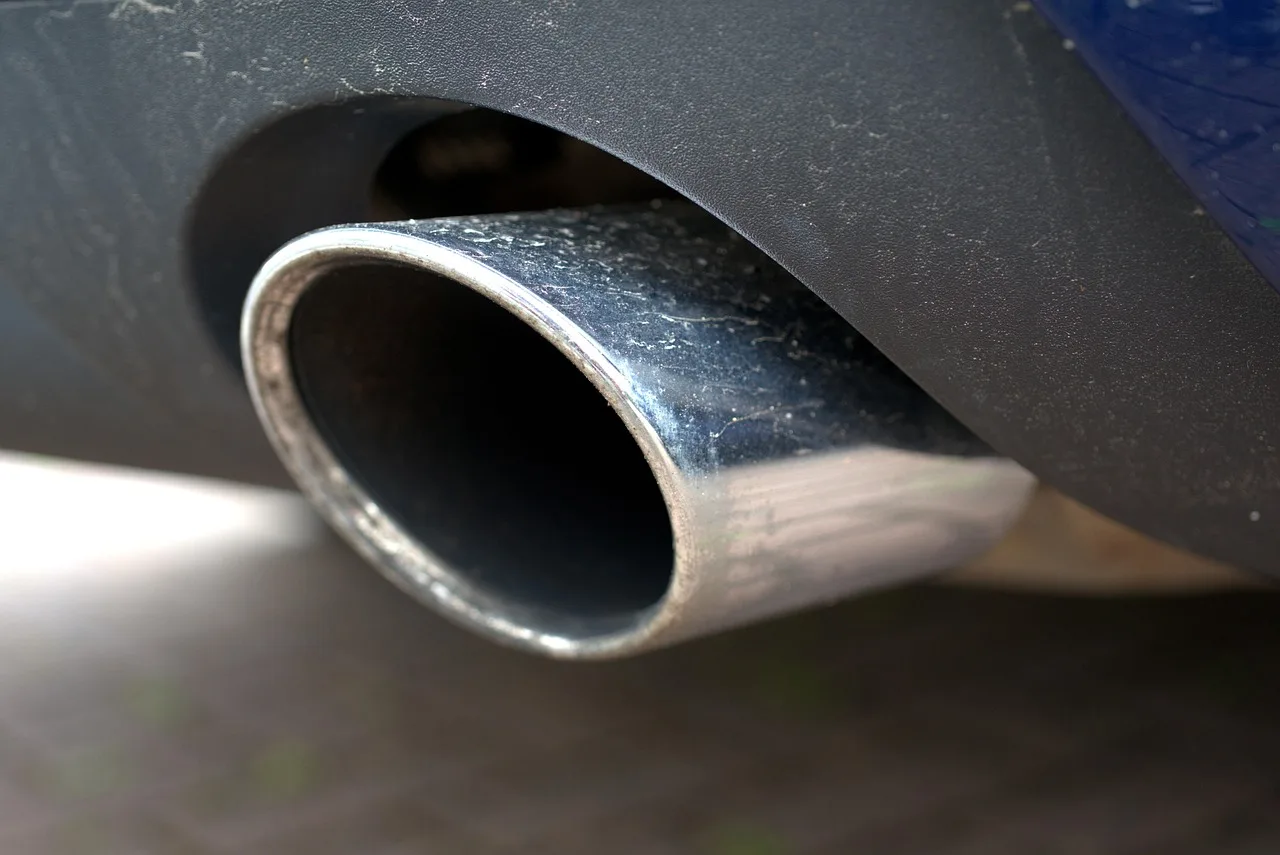
The main warning signs are smoke, smell, noise, low power, repeated regeneration, and dashboard alerts. The color and timing of the smoke, the location of the smell, and whether the noise changes under throttle help separate a manifold leak from a DPF, SCR, turbo, or sensor fault.
Smoke color and exhaust smell
Black smoke can point to poor combustion, underboost, or restricted exhaust flow. White or gray smoke can show up with aftertreatment faults, excess fuel, or a turbo problem that affects air delivery. A strong diesel smell or hot exhaust odor near the cab or engine bay usually points to a leak before the tailpipe.
The smell matters because the tailpipe should be the end of the system, not the place where exhaust is escaping under the hood. If the odor is strongest at the front of the engine or along the frame rail, inspect joints, gaskets, and flex sections first.
Noise changes and hissing leaks
Ticking at cold start is a classic manifold leak clue. Hissing under acceleration can point to a crack, a loose clamp, or a failed flex section. A whining or fluttering sound tied to boost changes can point to turbocharger trouble or an upstream leak that is changing turbine speed.
Leaking manifolds can create ticking noises and sooty deposits. That soot is often the easiest visual clue. A dark line around a gasket edge or stud area is a common sign that hot gas is escaping there.
Power loss, lag, and poor fuel economy
Loss of power can come from a clogged DPF, high backpressure, a turbo leak, or an EGR fault. Turbo lag under throttle is a clue that exhaust energy is not reaching the turbine as it should, or that the system is bleeding pressure before it gets there.
Can a bad diesel exhaust system affect fuel economy? Yes. Restriction and leaks can both increase fuel use, because the engine has to work harder to move exhaust out and make the same useful power. Repeated regenerations also burn fuel that would otherwise go to driving.
Dashboard warnings and limp mode
Warning lights can come from sensor faults, DPF loading, SCR faults, or a general emissions code. A light alone does not tell you which part failed. A light plus power loss, smoke, or repeated regeneration raises the risk level and narrows the likely subsystem.
Repeated start attempts can also be part of diesel trouble, especially when the engine is struggling to fire after a fault has already pushed the system out of normal control. That pattern is worth fast diagnosis rather than repeated cranking.
Which parts usually fail first?
The parts that usually show symptoms first are the manifold, DPF, DEF and SCR hardware, exhaust sensors, and the turbo or EGR system. The early clue often tells you which one needs attention before the problem spreads to other parts of the exhaust path.
Exhaust manifold and gasket leaks
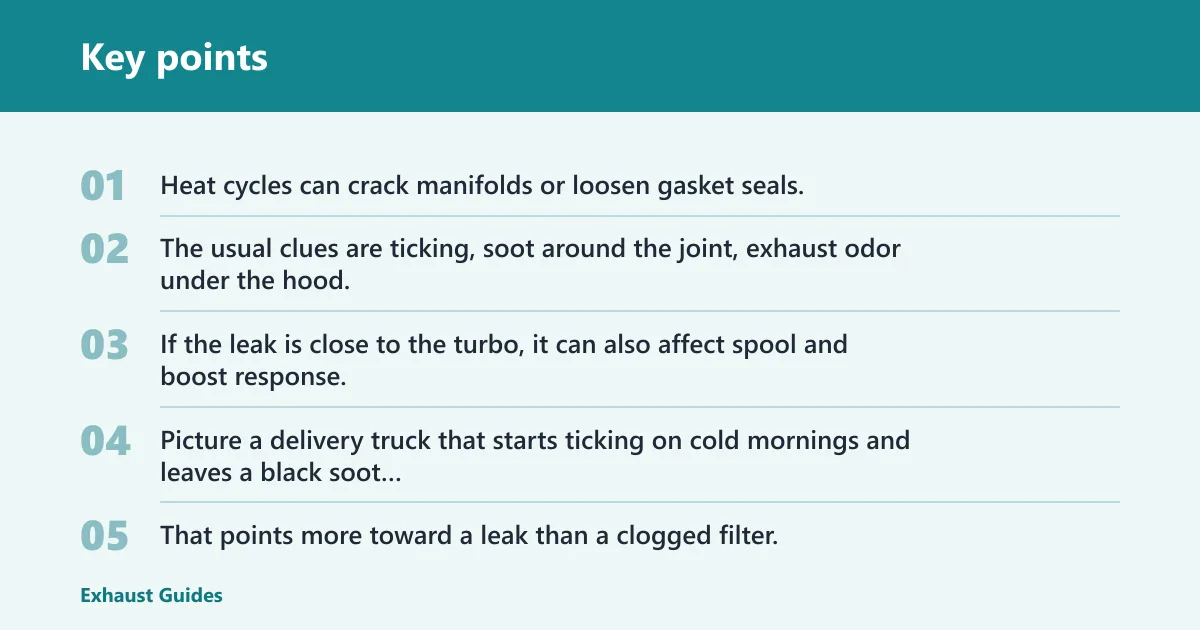
Heat cycles can crack manifolds or loosen gasket seals. The usual clues are ticking, soot around the joint, exhaust odor under the hood, and a small power drop that gets worse under load. If the leak is close to the turbo, it can also affect spool and boost response.
Picture a delivery truck that starts ticking on cold mornings and leaves a black soot line around the manifold flange. That points more toward a leak than a clogged filter, and the next check should be the manifold, gasket, and studs, not the DPF.
DPF restriction and repeated regenerations
A clogged DPF can make the engine feel less willing to pull while driving, especially on grades or under load. The truck may ask for repeated regeneration, fuel use may rise, and the exhaust brake or throttle response may feel dull.
DPFs trap soot. When they clog, the pressure rise through the exhaust can cut performance and increase fuel use. If a truck keeps asking for regens soon after the last one, the cause may be excess soot loading, a failed regen cycle, or a sensor problem that makes the controller think the filter is fuller than it is.
DEF, SCR, and sensor faults
DEF and urea dosing faults usually show up as emissions warnings, poor dosing control, or repeated alerts after a refill. Low-quality DEF, an empty tank, a bad injector, or crystal buildup in the lines can all interfere with SCR operation.
Exhaust sensors are part of the same chain. Pressure, oxygen, and temperature sensor faults can give the controller the wrong signal, so it may command the wrong regeneration or dosing action. That can cause false warnings, poor fuel use, and incomplete aftertreatment control.
Turbocharger and EGR problems
The turbocharger uses exhaust energy to spin a turbine. Exhaust leaks and excess backpressure can both change how it responds. The common signs are lag, whining, smoke under throttle, and reduced boost.
The EGR system recirculates exhaust to lower combustion temperature and NOx. When it sticks or flows badly, rough idle, power loss, and higher emissions are common. On some engines, EGR faults and DPF loading feed each other because poor combustion makes more soot.
Can exhaust problems affect fuel economy and power?
Yes. A restricted or leaking exhaust can cut fuel economy and reduce power at the same time. Backpressure makes the engine work harder, a clogged DPF can block flow, and a turbo leak can remove the boost needed for clean, efficient combustion.
How backpressure cuts efficiency
Backpressure is the exhaust-flow metric that tells you how hard the engine has to push spent gas out. Too much backpressure can make the engine lose response, run hotter in the exhaust path, and burn more fuel to maintain speed or load.
Why restricted flow hurts boost
When exhaust cannot leave cleanly, the turbocharger has less effective energy to work with and more resistance against it. That can show up as slow spool, lower boost, smoke on throttle, and a feeling that the engine is working against itself.
How aftertreatment faults raise fuel use
DPF and SCR systems need timely regeneration and DEF top-ups. If the system keeps missing those targets, fuel gets spent on repeated regens, the controller may limit power, and the truck may spend more time in a poor operating state.
That hidden fuel burn often matters more than the warning light itself. A fleet truck that keeps regenerating too often can lose fuel, time, and route reliability long before a part fails completely.
When should you stop driving?
Stop driving now if the exhaust fault is loud, smoky, or tied to strong power loss, cab fumes, or a hard derate. If the light is paired with black smoke, a strong ticking leak, or a turbo whistle that just started, the safest move is to get it inspected before more load goes through the system.
Signs that call for immediate inspection
- Heavy smoke under acceleration or while climbing.
- Strong exhaust odor inside the cab or around the firewall.
- Rapid power loss, limp mode, or repeated derate.
- Loud ticking, hissing, or a sudden new whistle from the exhaust side.
- High coolant or exhaust temperatures paired with loss of boost.
When a warning light plus smoke matters
A warning light by itself can be a sensor fault. A warning light with smoke, smell, or power loss is different. That combination means the control system has noticed a problem and the engine is also showing a physical symptom, which makes a real exhaust fault more likely.
Towing, heavy load, and fleet duty cases
Load changes the risk. Towing uphill, hauling on a route schedule, or running a truck with back-to-back shifts puts more heat and pressure through the exhaust. A marginal DPF, weak turbo seal, or small manifold leak can become a breakdown much faster under those conditions.
How to check the system first
Start with the easiest clues: soot, heat marks, loose clamps, cracked pipes, and unusual sounds. Then move to scan data and pressure checks so you can separate a leak from a restriction or sensor fault.
Visual checks for soot, cracks, and loose joints
Look at the manifold, turbo inlet and outlet, flex sections, clamps, hangers, and visible pipe seams. Black soot around a joint means exhaust has been escaping there. Rust, hanging pipes, or broken hangers can create a leak even when the pipe itself is still intact.
What to listen
Listen on a cold start, then again under light throttle. Ticking points toward a manifold leak. Hissing points toward a joint or crack. Whining or fluttering under boost points toward the turbo side or a restriction affecting turbine speed.
What scan data or pressure tests can confirm
Scan data can show DPF soot load, regeneration frequency, DEF system faults, and sensor drift. Pressure tests help confirm backpressure problems. If the data says the DPF is loading too fast, but the manifold is leaking or the pressure sensor is out of range, the real cause may be upstream of the filter.
What components should be checked in a diesel exhaust system?
Start with the manifold and gasket, then the turbocharger connections, EGR hardware, DOC, DPF, SCR and DEF dosing parts, sensors, muffler, pipes, flex joints, clamps, and hangers. Check the front of the system first when there is smoke, smell, or ticking. Check the DPF and sensors first when there is repeated regeneration or power loss.
The order matters because symptoms tend to show where the fault is greatest, not where it is easiest to see. A loud rear pipe is easy to notice. A cracked manifold or a sensor that is drifting just enough to confuse regeneration is harder, but often more important.
Frequently asked questions
What are the warning signs of diesel exhaust system problems?
The most common signs are smoke, diesel smell, louder exhaust, ticking or hissing noises, loss of power, repeated regeneration, and warning lights. If the symptom changes with throttle or load, that often helps point to a leak, restriction, turbo issue, or aftertreatment fault.
Can a bad diesel exhaust system affect fuel economy?
Yes. A restricted DPF, an exhaust leak, or a turbo problem can make the engine work harder for the same road speed. Repeated regenerations also waste fuel. If fuel use rises along with power loss or warning lights, the exhaust system should be checked early.
What does a clogged DPF feel like while driving?
It often feels like reduced pull, slower response, and more strain on hills or when towing. Some vehicles may ask for frequent regeneration, and the engine may feel less willing to rev cleanly. If that happens with a warning light, check soot load and differential pressure first.
How do I know if my diesel exhaust has a leak?
Look for soot around joints or flanges, listen for ticking or hissing, and check for exhaust odor near the engine bay or under the cab. A leak near the manifold often leaves a dark soot trail. A leak near a pipe or flex section may get louder under load.
What symptoms point to a faulty exhaust sensor on a diesel?
A bad sensor can trigger a warning light, repeated regeneration, poor DEF dosing control, or odd power changes without an obvious broken pipe. If the physical exhaust parts look normal but the codes keep returning, sensor drift or wiring faults are high on the list.
When should I stop driving and get a diesel exhaust inspection?
Stop driving if the truck is smoking heavily, losing power fast, derating hard, or pushing exhaust fumes into the cab. If a warning light appears with ticking, hissing, or strong exhaust odor, inspect it before more load or highway speed turns a small fault into larger damage.