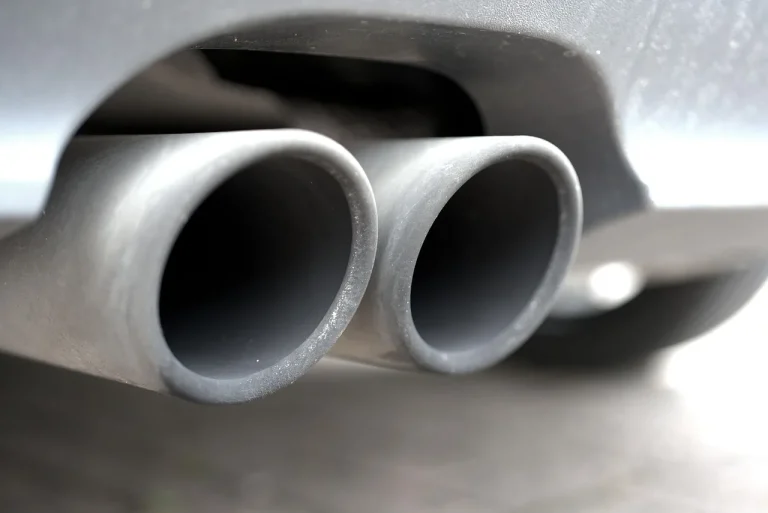
Best Exhaust Upgrades for Stock Diesel Trucks: We Compared
For a stock diesel truck, a 2.5- to 3-inch cat-back with a quality muffler is a common starting point for daily driving and towing. Consider 4-inch if more sound is desired or future tuning is planned. Bigger pipe, or too little muffler, can add drone, hurt low-speed drivability, and waste money. This guide sorts exhaust upgrades by use case, from towing and daily use to sound and future tuning.
By Exhaust Guides Editorial Team. Exhaust Guides focuses on diesel exhaust fitment, towing-oriented sizing, emissions-aware upgrade paths, and practical product comparisons for Cummins, Powerstroke, and Duramax owners. The editorial process emphasizes clear use-case segmentation, installation realities, and material tradeoffs so readers can match the part to the truck, not just the loudest option.
Quick comparison
| Image | Product | Badge | Best for | Price | Link |
|---|---|---|---|---|---|
 | Kucaruce Stainless Steel Exhaust Pipe Kit for 2011-2019Kucaruce | Our pick | 4-inch · stainless steel · diesel pipe kit | $397.99 Price as of 29 Oct 2026 | View |
 | MBRP S5259AL 4" Cat Back, Single Exhaust System (AluminizedMBRP | Also great | 4-inch · aluminized steel · cat-back system | $533.08 Price as of 29 Oct 2026 | View |
 | MagnaFlow 17115 Large Stainless Steel Performance ExhaustMagnaFlow Exhaust Products | Upgrade pick | large · stainless steel · performance kit | $494.00 Price as of 29 Oct 2026 | View |
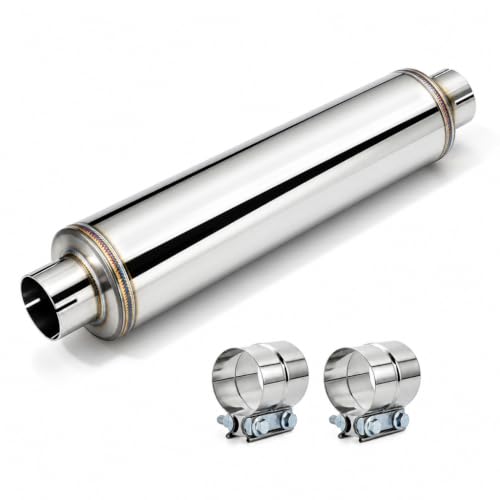 | 4" Inlet Diesel Muffler Exhaust with Clamp, StraightFortisArc | Budget pick | 4-inch · stainless steel · clamp-on muffler | $65.99 Price as of 29 Oct 2026 | View |
 | Upower Diesel Exhaust Tip 5" to 6" Stainless Steel Bolt-OnUpower | Pair with it | 5 to 6 inch · stainless steel · bolt-on tip | $39.99 Price as of 29 Oct 2026 | View |
Start with the job your truck does most often. Daily drivers usually do best with a cat-back system, towing rigs often fit 4-inch, and future tune plans are where a turbo-back starts to make sense.
How we chose
This guide weighs four things: use case, emissions and inspection risk, fitment difficulty, and material durability. That keeps the recommendation tied to your truck, not just to the loudest or biggest pipe.
It also separates stock trucks from tuned trucks. A freer exhaust helps a stock diesel, but the gain is usually smaller than it is on a truck with a tune, larger injectors, or more boost.
What changes most: sound, fitment, or flow
On a stock diesel, sound usually changes first, then fitment hassle, then flow. A cat-back changes tone without turning the truck into a drone machine. A turbo-back changes flow more, but it also brings more legal and installation baggage.
3-inch, 4-inch, and 5-inch at a glance
Three-inch is the safer quiet choice for stock daily use. Four-inch is the common heavy-duty performance size and the best middle ground for many stock or lightly modified trucks. Five-inch is louder and freer-flowing, but it is easy to overbuy for a truck that still has stock fueling and stock emissions equipment.
What is the best exhaust upgrade for a stock diesel truck?
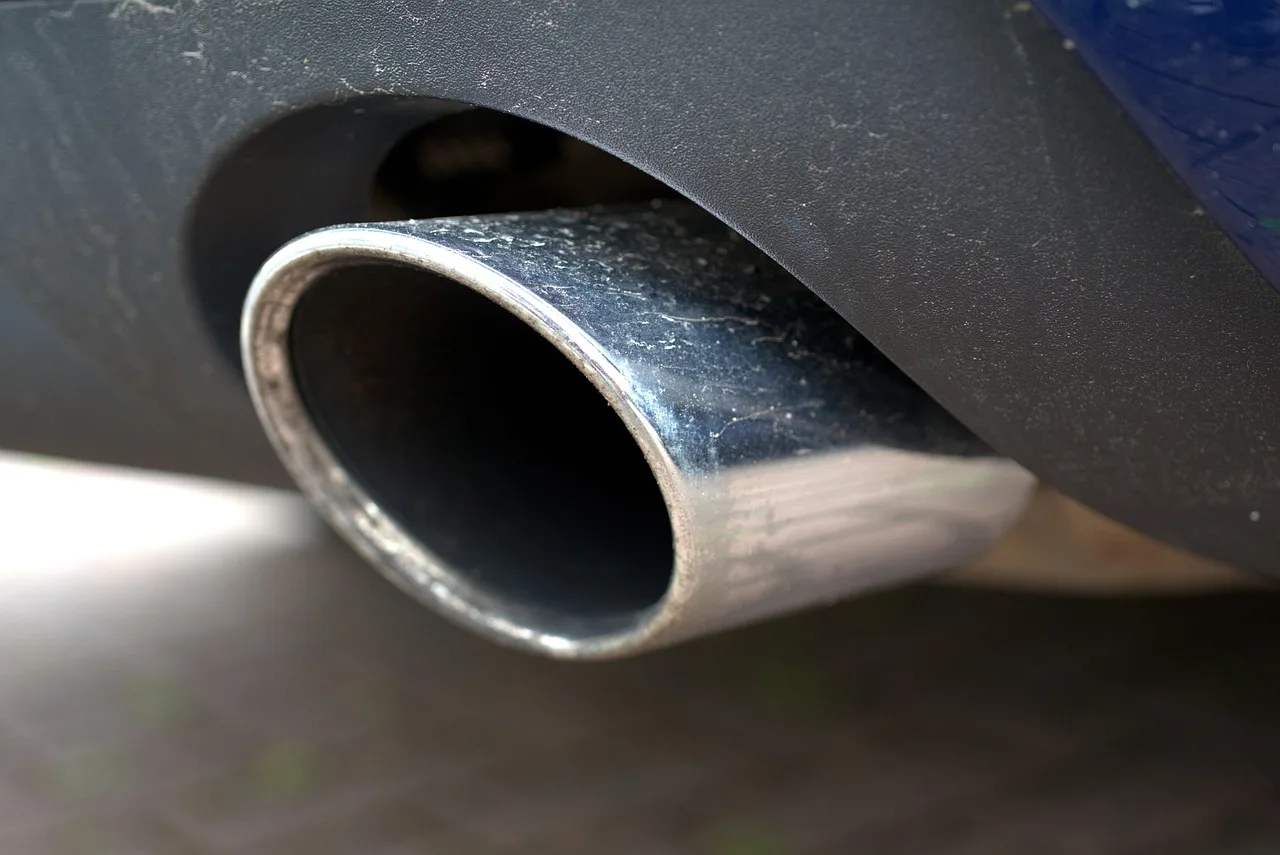
- Fits 2011-2019 F250/F350/F450 6.7L
- 409 stainless steel resists high temperatures
- Precision flanges aim for leak-free fit
A cat-back system in roughly 2.5- to 4-inch sizing with a good muffler is often considered a practical all-around upgrade for many stock diesel trucks. It improves flow and gives a cleaner tone with less emissions risk than a turbo-back system, and it is usually the easiest first exhaust upgrade to fit.
Best overall pick for daily driving
A cat-back exhaust is the safest first buy for a stock daily driver. It replaces exhaust after the catalytic converter, so the factory emissions hardware stays in place while sound and flow can still improve. That makes it the stock-friendly choice for most owners who want a better tone, not a louder truck at all costs.
The MBRP and MagnaFlow systems listed here show the two common directions. One leans toward a more affordable aluminized setup, while the other uses stainless construction and straight-through flow for a more durable, freer-breathing system.
Best pick for towing
For towing, the best choice is usually a 4-inch system with a muffler, not a muffler delete. A freer exhaust can reduce turbocharger backpressure, which helps spool and can support exhaust gas temperature control under load. On a stock diesel, that matters more than raw horsepower.
Do not expect night-and-day towing gains from exhaust alone. The truck may respond a little better on grades and may sound less strained, but the biggest towing improvement usually comes from keeping the turbo breathing easier, not from chasing the biggest pipe size available.
Best pick for future tuning
If tuning is likely later, a turbo-back system or a well-designed 4-inch cat-back is the smarter long view. A turbo-back replaces piping from the turbo outlet rearward, so it makes a bigger flow change and leaves more room for a future higher-output setup. It also carries more emissions and inspection risk.
That risk matters most on DPF-equipped trucks, where state inspection rules and local emissions checks can make a turbo-back a poor fit for a stock daily driver. If the truck still has full emissions hardware and you want low friction ownership, stay with a cat-back.
When a muffler change is enough
If your only goal is a different tone, a muffler swap may be enough. A straight-through muffler flows better than a stock muffler and usually adds less drone than a full muffler delete. That is often the best value for a stock truck that does not need more diameter.
A common first-timer mistake is buying a full 5-inch system for a truck that spends most of its life empty and stock. The result is often more noise than benefit, plus more attention to fitment and inspection details than the owner expected.
Cat-back exhaust: best for daily driving
- 16-gauge aluminized steel construction
- Welded-on hangers for installation support
- Tip included for 4-inch systems
A cat-back exhaust is the best stock-friendly upgrade for daily driving because it changes sound and flow without replacing the parts closest to the turbo or emissions system. That keeps install complexity lower and lowers the chance of inspection trouble compared with a turbo-back system.
Why it fits stock trucks well
Cat-back systems replace exhaust after the catalytic converter, so they are usually the easiest legal and fitment option on a stock diesel. They also avoid the tightest turbo-to-downpipe work. For a first upgrade, that matters as much as pipe size.
Sound level and tone changes
Expect a deeper diesel tone and more presence outside the truck. The change is usually moderate with a muffler in place, but it becomes much louder if you remove the muffler. Straight-through mufflers flow better than stock designs, yet they still keep the truck livable for commuting.
Noise depends more on muffler design than on diameter alone. A 4-inch system with a quality muffler can sound controlled. A 4-inch or 5-inch setup with little muffling can drone on the highway and make a stock truck tiring on long trips.
When to choose aluminized or stainless
Choose aluminized steel if price matters and the truck sees normal road use. The tradeoff is shorter life in harsh winter or salt use.
Choose stainless steel if you want the longer-term answer. It costs more, but it resists corrosion better and usually makes sense on a truck you plan to keep. That is especially true in rust-prone climates or if you expect the exhaust to stay on the truck through multiple ownership cycles.
Will a 4-inch exhaust help a stock diesel tow better?
- No welding required for installation
- Stainless steel construction
- Clamp bands included
A 4-inch exhaust can help a stock diesel tow better, though the gain is usually modest. The main benefit is lower turbocharger backpressure, which can help the turbo spool more easily and support lower exhaust gas temperatures under load. It is a middle-ground size, not a magic fix.
Backpressure and EGT basics
Stock diesel exhaust systems are often small and restrictive. A freer exhaust can improve efficiency, power, and reduce turbo stress. That matters while towing because the turbo is working harder, and a restrictive exhaust makes that job less comfortable for the engine.
Turbocharger backpressure is the resistance exhaust gas sees leaving the turbo. Less backpressure can help the turbo breathe, respond better, and shed heat. That is why a freer-flowing exhaust may help a tow rig feel less strained on hills.
Why 4-inch is the middle-ground size
Heavy-duty diesel pickup trucks can use a 4-inch exhaust system as a performance upgrade. It is common because it balances sound and flow without jumping straight to the louder end of the scale. For a stock truck, that balance matters more than sheer pipe diameter.
Four-inch also keeps the system from feeling excessive on a truck that still has factory fueling. A 5-inch system can be overkill when the truck is not tuned, especially if the owner wants a calm cabin and minimal drone.
What towing owners should expect
Expect a slightly freer spool, a deeper tone, and a little less heat buildup under sustained load. Do not expect the exhaust alone to turn a stock truck into a much stronger tow vehicle. The benefit is real, but it is measured in feel and durability, not in huge power jumps.
Suppose your stock Cummins pulls a trailer through rolling terrain and the driver hears the turbo working hard in third or fourth gear. A 4-inch cat-back with a straight-through muffler can reduce that strained feel without making the truck obnoxious on the highway.
Turbo-back exhaust: best for future tuning
A turbo-back exhaust is the more complete change. It replaces piping from the turbo outlet rearward, so it changes flow more than a cat-back does. That makes it better suited to future tuning, but it also brings more emissions and inspection questions.
What the system replaces
Turbo-back kits usually include the downpipe, mid-pipe, muffler, and rear section. The downpipe is the first restrictive section after the turbo, and it can be the hardest part to fit because clearance is tight around the firewall, frame, and surrounding hardware.
Mandrel bends are common in performance kits because they keep the pipe diameter consistent through bends. That helps flow compared with crushed or flattened bends, which can create a choke point in a system that otherwise looks free-flowing.
Downpipe fitment and clearance
Downpipe fitment is where many full systems become annoying on a stock truck. Clearances can be tight near the lower frame and rear shock, and the OEM exhaust may need to be cut in more than one place during removal. A patient installer is often rewarded here.
That is why a turbo-back should be chosen for a reason, not just because it sounds more complete. If the truck is staying stock and emissions-compliant, the added work may not pay off compared with a simpler cat-back.
Emissions and inspection cautions
Be careful with turbo-back systems on DPF-equipped trucks. They can trigger state inspection problems, emissions-law issues, or both, depending on where the truck is registered and driven. If the truck still needs to pass inspection as equipped, the safer path is usually to keep the factory emissions pieces in place.
That caution applies even when the exhaust appears to be a simple bolt-on performance part. The more hardware a kit removes from the factory path, the more careful you need to be about local rules, inspection readiness, and warranty implications. In practice, that means checking whether the truck must keep the catalytic converter, DPF, or both, then choosing the least invasive system that still meets the owner’s sound and towing goals. A cat-back is the low-risk answer for most stock trucks; a turbo-back is best reserved for builds where the truck’s emissions status, use case, and future modifications all point in the same direction.
Diesel exhaust decision matrix
- Bolt-on or weld-on installation options
- Stainless steel mirror-polished finish
- Rolled edge design
This matrix turns the choice into a use-case decision. It separates stock Cummins, Powerstroke, and Duramax trucks because fitment, towing use, and owner goals are similar in broad terms, but not identical in day-to-day ownership.
| Use case | Recommended diameter | Expected sound level | Likely fitment difficulty | Legal/emissions caution | Best material |
|---|---|---|---|---|---|
| Cummins stock truck | 4-inch for towing or future tuning; 2.5- to 3-inch for quiet daily use | Moderate with muffler; loud if muffler is deleted | Moderate, with downpipe clearance and axle routing to check | Keep factory emissions hardware if the truck is DPF-equipped and must pass inspection | Stainless for long-term ownership; aluminized for lower cost |
| Powerstroke stock truck | 4-inch if you want a common heavy-duty upgrade; 2.5- to 3-inch for a calmer tone | Moderate to loud depending on muffler design | Moderate to high, especially around the lower frame and rear shock area | Turbo-back changes deserve extra inspection review on emissions-equipped trucks | Stainless for corrosion resistance; aluminized for budget builds |
| Duramax stock truck | 4-inch for balanced flow; 5-inch only if sound is a major goal and the truck will be modified later | Moderate with muffler; high with 5-inch and less muffling | Moderate, with routing and hanger alignment to verify | DPF-equipped trucks need extra caution before any turbo-back or downpipe-heavy setup | Stainless for durability; aluminized for a lower entry price |
How to read the matrix
If your truck is mostly stock and you want fewer headaches, start on the left side of the table. If you tow and may tune later, move toward 4-inch. If you care most about quiet commuting, stay smaller and keep the muffler.
Do you need a full exhaust system or just a muffler delete?
- Straight-through mufflers for freer flow
- Mandrel-bent tubing helps smooth exhaust routing
- Stainless steel construction
For most stock diesel trucks, a muffler change is the better first step. A full exhaust system makes sense when you want a specific diameter, better flow throughout the path, or future tuning headroom. A muffler delete mainly trades comfort for noise.
What a muffler change actually does
The muffler is the main sound-control component in the system. A straight-through muffler flows better than stock and keeps noise more controlled than a delete. Remove it entirely, and the truck gets significantly louder, often with more drone on the highway.
That is why a muffler-only swap is often the cost-to-benefit sweet spot. It changes the sound enough to notice, but it avoids the expense and complication of replacing the entire exhaust path if the rest of the system is still acceptable.
When a full system is worth the cost
A full system is worth it when the factory exhaust is especially restrictive, rusted, or poorly sized for your goals.
If the stock system is still intact and you only want a slightly better tone, a muffler change can be smarter than replacing everything. If you want 4-inch flow, mandrel bends, and cleaner routing, then a full system begins to make sense.
Why 5-inch can be too much on stock trucks
Five-inch exhaust is louder and freer-flowing, but it is more common on higher-output builds than on stock trucks. On a stock diesel, the extra noise can outweigh the benefit unless the owner wants a very aggressive tone or plans to add more power later.
In plain terms: 5-inch is not automatically better. It can be the right answer for a modified truck, but on a mostly stock daily driver it often buys sound first and usable performance second.
Which one should you buy?
If you want the safest all-around choice, buy a cat-back with a quality muffler. If towing is the priority, choose 4-inch. If you want future tuning and can handle the legal checks, a turbo-back becomes more attractive. If budget is tight and your main goal is sound, a muffler-only change is the first stop.
Best choice on a budget
Choose an aluminized cat-back or a muffler-only upgrade. The tradeoff is shorter corrosion life than stainless, especially in salt-heavy regions.
Best choice for towing
Choose a 4-inch system with a muffler. That gives you a practical balance of reduced backpressure, manageable sound, and less risk of overbuying pipe size. For a stock tow rig, this is the most useful middle ground.
Best choice for sound
Choose a straight-through muffler or a 4-inch system with a less restrictive rear section. If you want a louder note, 5-inch can do it, but it is easy to go too far on a stock truck. Sound grows fast once the muffler is gone.
Best choice if you may tune later
Choose a turbo-back or a full 4-inch setup with mandrel bends and a better-flowing muffler. That gives you more room to grow, but it also asks more of you on fitment and emissions checks. If the truck must remain inspection-friendly, stay with the cat-back.
How much sound will a diesel exhaust upgrade add?
Sound gain depends on diameter, muffler design, and whether the factory muffler stays in place. A cat-back with a good muffler usually adds a deeper tone and more outside presence without turning the truck into a drone box. A muffler delete or 5-inch system can be much louder.
As a rule, the muffler does more to control drone than pipe diameter alone. Straight-through designs flow better than stock, but once you remove the muffler, the cabin can pick up more resonance at cruising speed.
Will an exhaust upgrade hurt emissions equipment on a stock diesel?
It can, if the upgrade removes or bypasses factory emissions hardware. A cat-back usually leaves the catalytic converter and related equipment alone, so it is the lower-risk choice. A turbo-back or downpipe-heavy setup deserves careful review on DPF-equipped trucks and in inspection states.
That does not mean every larger exhaust is illegal. It means you need to match the part to the truck’s emissions setup, the local inspection rules, and the exact path the kit changes.
Is aluminized or stainless steel better for a diesel exhaust system?
Stainless steel is better for long-term corrosion resistance and durability. Aluminized steel is cheaper and still common in budget systems. If the truck sees winter road salt or you plan to keep it for years, stainless usually makes more sense despite the higher price.
The better choice is not about looks. It is about how long you expect the system to survive before rust and clamp issues become a problem.
Can a stock diesel benefit from a high-flow downpipe or turbo-back exhaust?
Yes, but the benefit is smaller than many buyers expect on a stock truck. A high-flow downpipe and turbo-back can reduce restriction and help the turbo breathe, yet the gains are usually more noticeable once fueling and boost are raised. On a stock setup, the return is more about responsiveness than raw power.
That is why fitment and legality matter so much here. A stock truck may not need the extra flow enough to justify the extra install work, inspection risk, and emissions questions.
What size exhaust is best for a mostly stock Cummins, Powerstroke, or Duramax?
For a mostly stock Cummins, Powerstroke, or Duramax, 4-inch is the best general-purpose size if you want better sound and a little more flow. If the truck is mainly a commuter, 2.5- to 3-inch with a good muffler is quieter and usually enough. Five-inch is best reserved for louder, more modified setups.
Think in use cases, not in pipe size alone. Daily driver first, tow rig second, future tune third. That order keeps you from paying for noise or diameter you will not use.