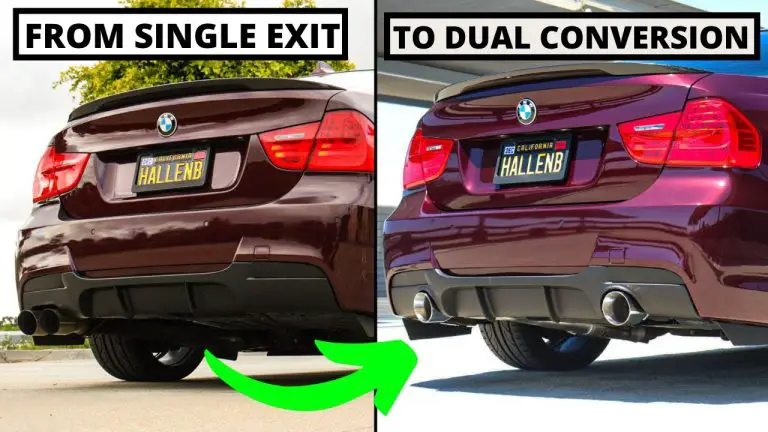
Best Exhaust for Cold Air and Winter Rust: Research Shows
For winter rust, choose a 304 stainless exhaust with stainless clamps, hangers, and fasteners; if budget matters, aluminized steel is the fallback, but expect a shorter service life in salted roads. Cheap steel rots fast, turns trips into repair bills, and can seize hardware so badly that the next repair becomes a cut-and-replace job. This guide compares exhaust materials, hardware, coating choices, and repair versus replacement for salt, slush, and short-trip condensation.
Why 304 stainless suits salt-belt driving
304 stainless is often a strong choice for salted winter roads because it tends to resist external rust better than mild steel and may outlast aluminized systems when salt spray reaches the pipes, seams, and hangers. If you drive in heavy road salt, short trips, and repeated freeze-thaw cycles, stainless gives you the longest repair interval and the least seized hardware.
That said, the best pick depends on the vehicle and the route. A daily driver in the salt belt needs a different answer than a garage-kept car that only sees a few cold starts a week.
Quick comparison
| Product | Badge | Best for | Price | ||
|---|---|---|---|---|---|
 | 5 Inch Stainless Steel Exhaust Pipe, 47.3 Inch Long, 2PCS |JY PERFORMANCE | Our pick | 5" OD · 47.3" Long · T304 Stainless | $91.99 Price as of 24 Oct 2026 | View |
 | Flowmaster 717892 FlowFX Cat-Back Exhaust Kit 2.5 Inch 409Flowmaster | Also great | 2.5" · Cat-Back · 409/304 Stainless | $519.95 Price as of 24 Oct 2026 | View |
 | 16PCS Exhaust Hanger 304 Stainless Steel 3/8"(10MM) RodGanluuree | Pair with it | 16PCS · 304 Stainless · 3/8" Rods | $46.99 Price as of 24 Oct 2026 | View |
 | 2PCS Car Exhaust Gasket,2" 2-Bolt Exhaust Flange GasketSalior | Pair with it | 2" · 2-Bolt · High Temp Gasket | $4.79 Price as of 24 Oct 2026 | View |
 | Magnaflow 17984 Pro Series Stainless Steel 5" SingleMagnaFlow Exhaust Products | Upgrade pick | 5" · Single Filter-Back · Stainless | $744.00 Price as of 24 Oct 2026 | View |
Use the table below to compare rust resistance, hardware life, and maintenance burden before you spend money on tone or flow. Winter corrosion starts on the outside first, then moves into welds, clamps, hangers, and muffler shells.
How we chose
The comparison here is based on corrosion resistance, repairability, hardware life, winter maintenance needs, and fitment. The fitment part matters because an exhaust that does not match your vehicle, engine, and chassis can create more labor than it saves.
Cold-weather use also changes the decision. Short trips leave more condensation inside the system, while road salt attacks the outside, so material choice has to handle both sides of the same problem.
For a winter buyer, the better question is simple: which material and hardware still come apart cleanly after two salted winters?
Stainless steel exhaust systems: best for long winter life
304 stainless is the strongest winter pick for corrosion resistance. 409 stainless is still a meaningful upgrade over mild steel, but it usually gives up some rust resistance to keep cost lower, which is why many factory systems use it in winter markets.
Weld quality matters as much as the base metal. Poor welds, thin seams, and unfinished cut edges are common rust starts, especially where salt spray collects at hanger tabs, slip joints, and the rear axle area.
304 vs 409 stainless
304 stainless is the better long-life choice where winter salt exposure is heavy and where you want the best chance of freeing fasteners later. 409 stainless is a common compromise for a cat-back or factory-style replacement because it balances cost with better corrosion resistance than aluminized steel.
Research and product specs consistently point the same way: when the material stays stainless all the way through the visible pipe and the hardware, the system tends to tolerate winter abuse better than coated carbon steel. The tradeoff is cost, and 304 stainless usually sits above 409 stainless for price.
Weld quality and seam protection
Weld seams are where rust often begins first. Look for clean bead coverage, no thin spots at the edges, and no rough cut ends left exposed to salt spray.
If the seam is bare or poorly finished, the pipe can still rust even when the main tube is stainless. Good finish quality delays the first weak point, and that delay matters in snowy climates where slush stays on the underbody for weeks.
Where stainless still needs care
Stainless is not maintenance-free. Road salt still sticks to it, hangers and clamps can corrode if they are made from cheaper steel, and heat cycling can still stress welds and joints.
Wash the underside after winter driving, especially if the roads use heavy salt brine. Clean the tips, the rear muffler area, and the lower edges of the catalytic converter housing so corrosion does not start at trapped grime.
Aluminized steel exhaust systems: best budget replacement
Aluminized steel is the budget-friendly replacement path, and it is common in OEM-style exhausts where price matters more than long winter life. It offers better protection than plain mild steel, but salt, slush, and repeated wet-dry cycles still wear through the coating over time.
For a driver that needs a practical fix now, aluminized steel makes sense when the vehicle is older, the sale price is low, or the goal is to keep the truck or car legal and quiet without paying for full stainless.
Typical OEM use
Many factory replacement systems use aluminized steel because it keeps initial cost down while still giving acceptable service in milder regions. In the salt belt, that same material often lasts long enough to be reasonable, but not long enough to ignore inspection points.
Expect the rear sections, seams, and flange areas to show rust before the center pipe does. Hangers and clamps often fail sooner than the pipe itself because they sit in direct spray and trap moisture.
Winter rust limits
Aluminized coating slows rust, but it does not stop it once chips, scratches, or weld heat zones expose bare steel. Short winter trips make the problem worse because condensation inside the pipe does not fully evaporate before shutdown.
If the system already has flaky rust at the seams, the coating has likely been breached. At that point, a patch may buy time, but it is usually not a long-term answer for a vehicle that sees daily salt exposure.
When it makes sense to buy
Buy aluminized steel when the vehicle is a daily commuter, the budget is tight, and you want a straightforward OEM-style replacement. It is also sensible when the rest of the vehicle is nearing its own end-of-life and you only need a few more seasons of service.
For a garage-kept car that only sees occasional winter use, aluminized steel can be acceptable if you stay on top of cleaning and underbody inspection. For a truck that tows in slush all season, stainless is the safer spend.
Winter exhaust material decision table
| Material | Rust resistance | Typical winter use case | Repairability | Hardware lifespan | Winter maintenance needs |
|---|---|---|---|---|---|
| 304 stainless | Best of the three for salt exposure and repeated wet-dry cycling | Salt-belt daily driver, truck, or long-term keeper | Good if welds and flanges stay clean; expensive to cut and refit if hardware is seized | Longest, especially with stainless clamps, hangers, and fasteners | Wash underside, inspect welds, clean tips, check heat shields after storms |
| Aluminized steel | Moderate; coating slows rust until it is scratched or heat-affected | Budget OEM replacement or short-to-medium ownership window | Fair, but rusted joints and flanges can make repair labor heavy | Medium; clamps and hangers often fail before the pipe is gone | Frequent washing, inspect seams and hangers, touch up exposed spots where practical |
| Coated mild steel | Lowest once the coating chips or burns away | Low-cost temporary repair in a mild climate or short hold period | Poor once rust reaches the pipe wall or flange face | Shortest in salted winter use | Frequent inspection, rust cleaning, coating touch-up, and early replacement planning |
Replace-or-repair checklist
| Condition | Best move | Why |
|---|---|---|
| Surface rust only | Repair and coat | Metal is still intact, so cleaning, coating, and washing can slow further damage |
| Pinholes | Repair if isolated; replace if multiple | One small hole may be patchable, but several holes mean the wall is thinning out |
| Flange failure | Usually replace the affected section | Sealing surfaces and fasteners tend to keep rusting, and leaks often return after a patch |
| Muffler shell perforation | Replace | Shell rust usually means the internal structure is also near failure |
5 inch stainless steel exhaust Pipe, 47.3 inch Long, 2PCS: best for straight-pipe sections
- Made of T-304 Stainless Steel
- 17 Gauge thickness for durability
- Includes two straight exhaust pipes
This JY PERFORMANCE pipe pair is for a buyer building or replacing a straight section and wanting 304 stainless instead of coated steel. The 17 gauge construction and two-piece format fit a repair path where winter corrosion has already reached the pipe wall, but the surrounding routing still allows a direct replacement.
What stands out is the material choice: T304 stainless is the winter-friendly part, not the diameter alone. The drawback is fitment freedom without the convenience of a vehicle-specific kit, so you need the right cutting, welding, or adapter plan before buying.
Flowmaster 717892 FlowFX Cat-Back Exhaust Kit: best for a vehicle-specific winter upgrade
- Full stainless steel construction
- Includes all necessary hardware
- Uses factory hanger locations
This Flowmaster kit is for a Jeep Cherokee XJ owner who wants a complete, vehicle-matched exhaust with stainless construction and factory hanger location compatibility. The mix of 409 stainless tubing and a 304 stainless tip gives you a practical winter setup when you want better corrosion resistance than plain steel and a full hardware package.
Its strength is fitment. The drawback is that 409 stainless is not the same as a full 304 system, so it is a better long-term compromise than a pure corrosion-first answer for the harshest salt use.
16PCS Exhaust Hanger 304 Stainless Steel Set: best for hardware replacement
- Rods are 304 Stainless Steel
- Rubber insulators are EPDM material
- Universal set allows custom DIY welding
This hanger set is for the repair where the pipe is still usable but the support hardware has rusted first. 304 stainless rods and EPDM rubber insulators make sense in winter because hangers and isolators are often the first parts to seize, crack, or tear.
The advantage is obvious: replacing hardware before it snaps saves labor later. The drawback is that this is not a complete exhaust fix, so you still need to inspect clamps, flanges, and seam corrosion before you assume the rest of the system is healthy.
2PCS Car Exhaust Gasket: best for flange reseal work
- High-temperature resistant material
- Ensures tight seal between manifold
- Includes two replacement gaskets
This gasket set is for a flange repair where the pipe or manifold joint is still structurally sound but leaks from a tired seal. High-temperature gasket material helps stop exhaust leaks after you clean the flange faces and replace rusted fasteners.
The benefit is low cost and quick sealing work. The drawback is that a gasket cannot save a flange that has already rusted through or warped badly, so this is a repair part, not a corrosion cure.
Magnaflow 17984 Pro Series Stainless Steel Exhaust System: best for long-term stainless replacement
- Manufactured from heavy-duty stainless steel
- Reduces engine heat and back pressure
- Backed by a lifetime warranty
This MagnaFlow system is the strongest all-around winter choice in the list if you want a full stainless exhaust and a long ownership window. The heavy-duty stainless construction and lifetime warranty make sense for drivers who plan to keep the vehicle and want to cut down on rust-related replacement cycles.
The drawback is price. It also still needs a fitment check before you buy, because a corrosion-resistant system is only useful if it actually matches your vehicle and routing.
How do you keep an exhaust from rusting?
You keep an exhaust from rusting by choosing the right material, washing winter salt off the underside, and replacing rust-prone hardware before it fails. Stainless steel, stainless clamps, and stainless hangers slow external corrosion, while regular cleaning reduces the salt load that starts rust on seams, tips, and hanger tabs.
Road salt is the fastest outside threat. Short winter trips are the hidden inside threat because the exhaust never gets hot enough for long enough to dry out all the moisture from combustion and condensation.
Wash salt off the underside
Rinse the underbody after salted driving, especially around the muffler, rear axle area, heat shields, and catalytic converter housing. Salt left on the metal keeps pulling moisture onto the surface and speeds corrosion after every heat-cool cycle.
A common first-timer mistake is washing the body panels but skipping the underside. That leaves the worst corrosion in place, right where spray and slush sit longest.
Protect hangers, clamps, and seams
Hangers and clamps are corrosion-prone hardware because they trap grime and carry vibration. Stainless upgrades are worth it when you are already replacing a section, because they help the rest of the system come apart later without cutting.
Check weld seams at every oil change during winter. Those edges are where rust often begins, and once the seam opens, the pipe can fail much faster than the outer tube alone suggests.
Use coatings where they still make sense
High-temp paint can slow surface rust on mild steel or repaired sections, but it does not replace stainless. Ceramic coating is more useful where the part sees heat and road splash, while underbody corrosion protection helps the surrounding chassis and brackets more than the exhaust core itself.
Do not coat over loose rust and expect a lasting fix. Clean the metal first, then use coating only where there is still solid material left to protect.
Which one should you buy?
If you want the safest winter choice, buy 304 stainless with stainless hardware. If you want a lower-cost replacement for a vehicle you plan to keep only a few more years, aluminized steel can be the sensible middle ground, especially when the rest of the exhaust is still structurally sound.
For a daily driver in the salt belt, choose the most stainless hardware you can afford and replace the weakest sections first. For a truck that sees heavy slush and towing, look for full stainless or a stainless-heavy cat-back rather than a cheap patch chain.
For a garage-kept car with short winter trips, the decision changes. The inside of the system still sees condensation, so even limited use can rust a low-grade system if you store it wet. In that case, better material still pays off.
Does a cat-back exhaust rust less in salt? Usually yes, if it uses stainless tubing, stainless hangers, and quality welds. A cat-back does not magically avoid salt, but it often replaces more of the vulnerable mid and rear sections than a piecemeal repair does.
Say your pickup runs 6 miles to work, then idles in a cold parking lot all week. The outside gets brine spray, and the inside stays damp. In that case, a stainless replacement and stainless hardware will usually age better than a cheap patch and a painted clamp.
Frequently asked questions
What is the best metal for exhaust in winter?
304 stainless is the best metal for winter corrosion resistance because it stands up better to road salt, slush, and repeated wet-dry cycles. 409 stainless is a solid lower-cost alternative, while aluminized steel is the budget fallback when you want an OEM-style repair and can accept shorter life in salted roads.
How long does an exhaust last in snowy climates?
Life in snowy climates depends on material, salt use, and driving pattern. Stainless systems usually last much longer than aluminized or coated mild steel, but short trips, frequent brine exposure, and poor welds can shorten any system’s service life. Hardware often fails before the pipe itself.
Should I coat or replace a rusty exhaust?
Coat when the rust is only on the surface and the metal is still solid. Replace when rust has reached the pipe wall, flange face, or muffler shell, or when the hardware is seized beyond normal service. Coating slows damage; it does not restore lost thickness.
Does a cat-back exhaust rust less in salt?
A cat-back can rust less if it is built from stainless steel and uses stainless hardware, because it replaces much of the vulnerable rear section with better materials. It still needs washing and inspection, though. Salt does not care that the part is aftermarket.