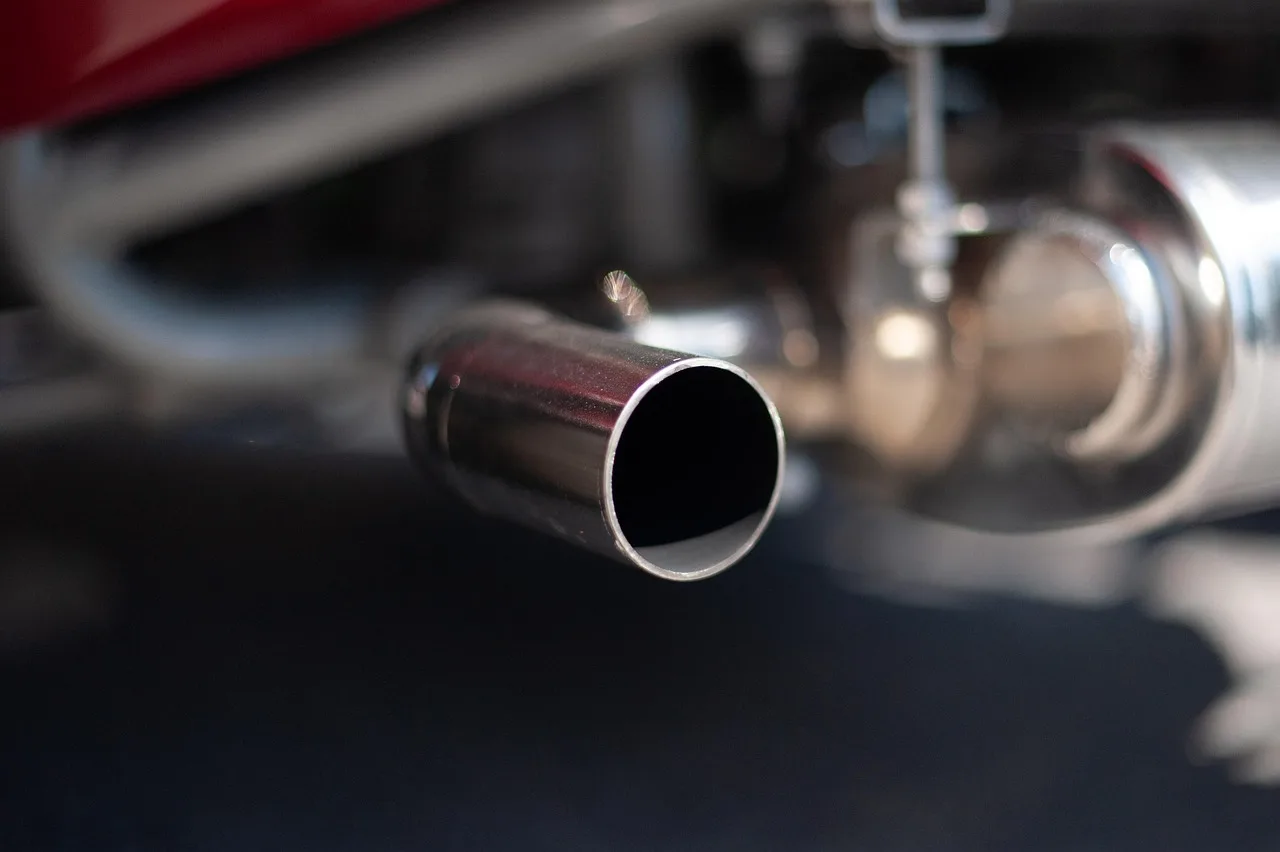
Best Exhaust Setup for Motorcycles
The best exhaust setup is the one that matches your riding, your bike, and your local rules: a slip-on for modest weight and sound changes, a full system for the largest power shift, and stock or approved quiet parts when street legality and low drone matter. Pick the wrong setup and you can lose power, trigger noise fines, add heat issues, and create tuning work you did not need. This guide compares street, touring, off-road, and track-style setups, plus legal and ECU-tuning needs, so you can choose by use case instead of brand hype.
Top pick by use case
For most riders, the best exhaust setup for motorcycles is a model-specific slip-on with homologation or E-mark approval when street use matters, because it balances sound change, modest weight savings, and easier installation. Choose a full system when you want the biggest power change and you are ready to handle fueling and legality checks.
What this guide covers
This guide starts with the two real choices: slip-on versus full system. It then matches each setup to bike segment, legal status, material choice, and tuning needs, because the right answer changes between a commuter naked bike, a touring bike, an enduro, and a 50cc two-stroke.
Who should choose sound, weight, or power first?
Choose sound first if your bike already has enough performance and you mainly want a deeper note. Choose weight first if the stock muffler is heavy and mounted high. Choose power first only if you are ready for higher cost, more complexity, and possible ECU remapping.
Quick picks by riding goal
- Best for daily riding: A homologated slip-on on a stock header, especially for commuters and touring riders who want less weight and a cleaner note without chasing tuning work.
- Best for maximum power: A full exhaust system with proper cat fitment where required, plus ECU remapping if the fueling changes are significant.
- Best for weight saving: Titanium on sport-focused bikes, or stainless steel if durability and cost matter more than shaving the last kilograms.
- Best for road legality: A model-specific system with E-mark or ECE approval, correct catalyst fitment, and local noise compliance.
Slip-on or full system?
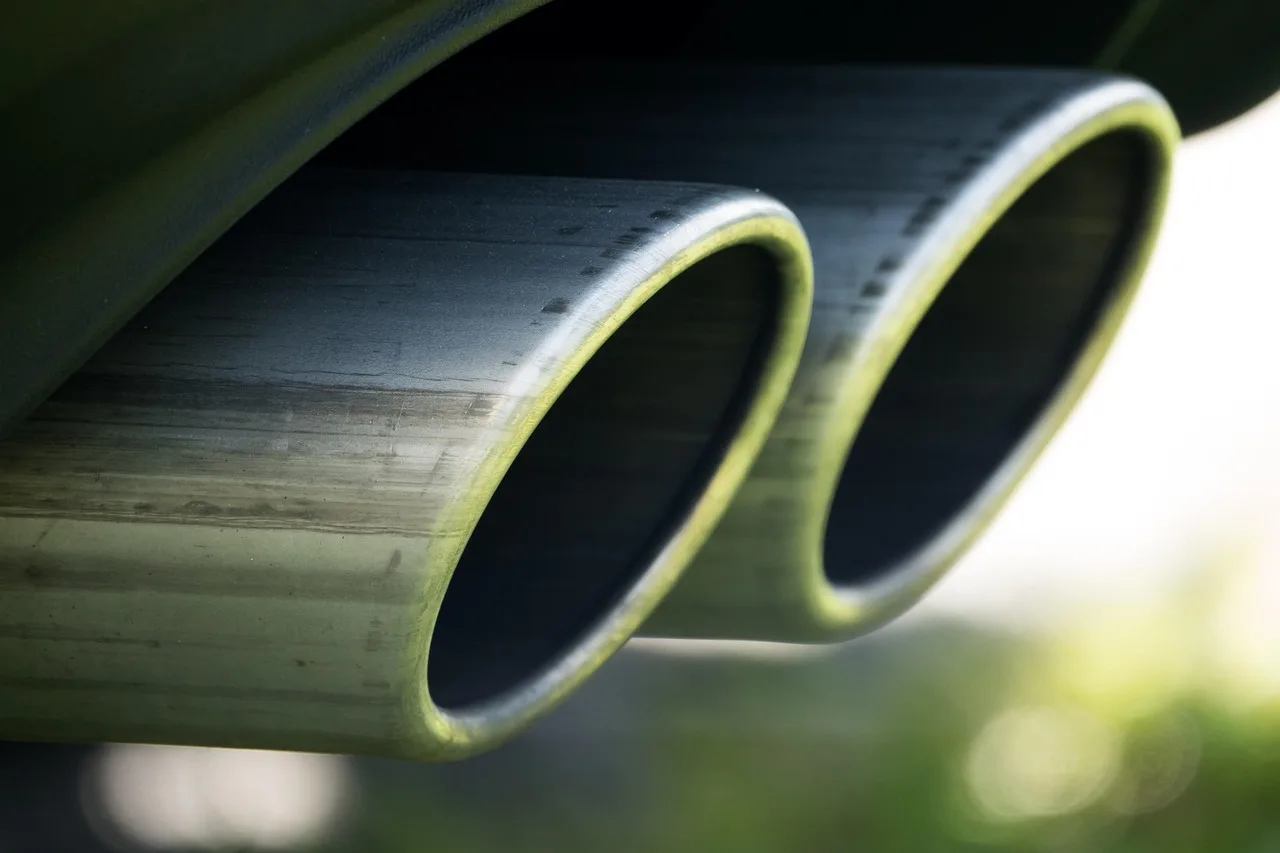
A slip-on replaces the muffler or end can only, so it mainly changes sound and weight, with limited performance gain. A full system replaces headers and muffler, so it has the largest potential performance gain and is the setup most likely to need ECU remapping or another fueling adjustment.
What a slip-on replaces
A slip-on keeps the original headers and usually the original catalytic layout, then swaps the rear can and sometimes the link pipe. That makes it easier to install, lighter than stock in many cases, and less likely to need tuning than a full system.
What a full system replaces
A full system replaces the headers and end can, which can change exhaust flow, scavenging, and heat management more than a slip-on can. That is why riders who want the biggest gain in power and throttle response usually start there, not with a muffler-only swap.
When headers matter more than the muffler
Headers matter when you want a real change in how the engine breathes. If the goal is stronger top-end pull, cleaner throttle response, or a system built around remapping, the header section is the part that makes the difference. A muffler swap alone usually cannot deliver that.
Which setup is easier to fit?
A slip-on is usually easier to fit because it uses fewer parts and fewer alignment points. A full system adds header alignment, gasket checks, mounting hardware, and more chances for leaks or vibration. Reusing old gaskets is a leak risk, and wrong torque can cause vibration or damaged threads.
Which exhaust setup suits your bike?
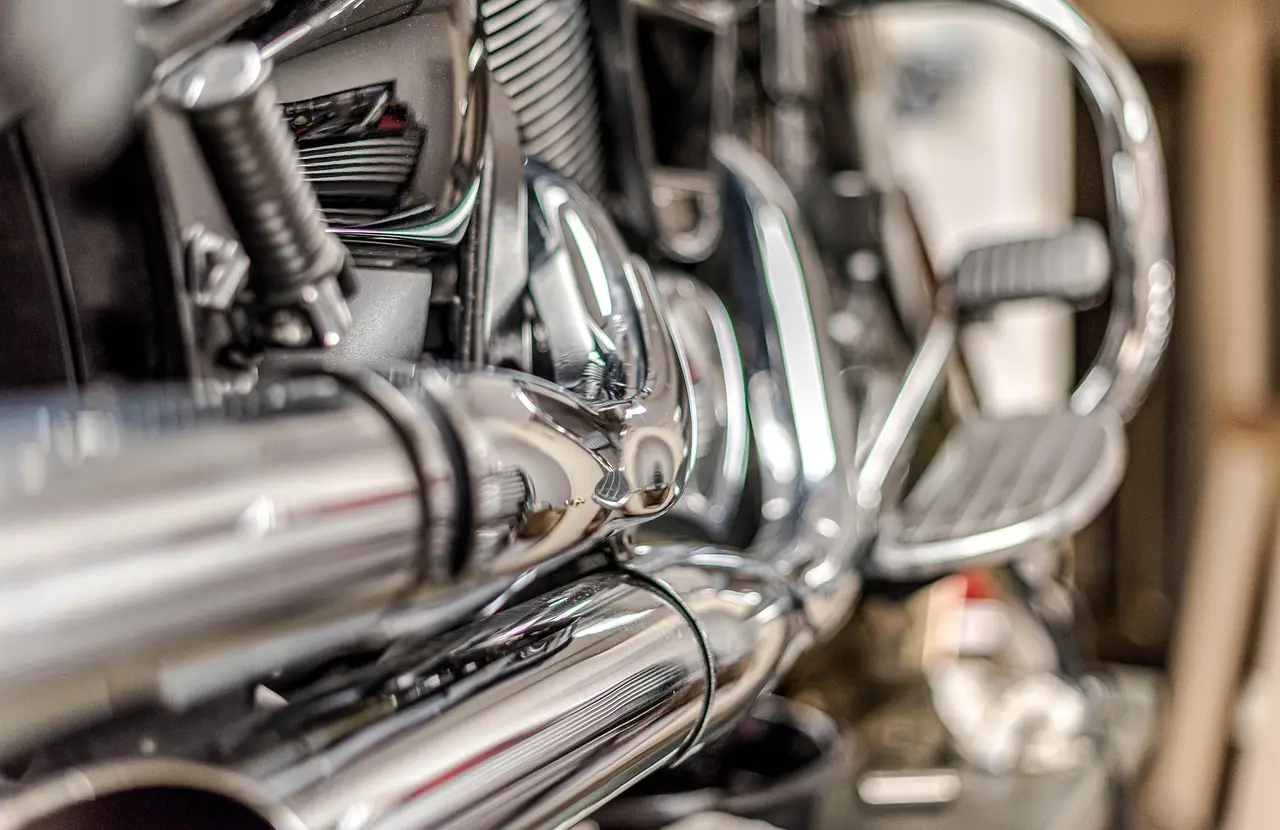
The right setup depends on the bike segment more than the brand name. Sportsbikes often benefit from lighter premium materials, cruisers need fit and heat control, touring bikes need quiet long-distance manners, and off-road bikes need a system that suits mud, stones, and frequent heat cycles.
Sportsbike
For a sportsbike, a full system makes sense when weight saving and peak performance matter. Titanium is the usual premium choice for serious weight reduction, while carbon can suit a high-end look. Akrapovič is positioned for mid-to-high-end sportsbikes and naked bikes, but the fit still has to match the exact model.
Naked or roadster
For a naked or roadster, a homologated slip-on is often the practical balance for street use. Riders get more character without turning the bike into a tuning project. Arrow, LeoVince, GPR, and MIVV are framed as value-for-money options in this space, but legality and fitment still decide the final choice.
Touring
For touring, quiet operation, low drone, and road legality matter more than peak dyno gains. A stainless steel slip-on or a compliant full system with the correct catalyst is often the safer choice. A loud pipe may sound good at idle and become tiring after an hour on the motorway.
Off-road or enduro
For off-road or enduro use, lighter systems and easier service access matter. FMF and Pro Circuit are identified for off-road use. Aluminium is often used in off-road applications because it is light and usually more affordable, though it is less heat resistant than stainless steel or titanium.
Cruiser or custom
For cruiser or custom bikes, fitment and heat management are often more important than peak horsepower. A slip-on can be enough if you want a deeper note and a cleaner rear profile. Full systems can work, but ground clearance, routing, and legal noise limits need careful checking.
50cc 2-stroke
For a 50cc 2-stroke, exhaust design can affect how the engine pulls, especially in the usable rev range. That is a case where the exhaust choice matters more than many riders expect. A model-specific setup is essential, because small engines are far less forgiving of poor fit or the wrong pipe shape.
Exhaust materials compared
Material choice affects weight, durability, heat behavior, and cost. Stainless steel is very durable and corrosion resistant. Titanium is ultra-light and premium. Carbon is very light and sporty-looking. Aluminium is light and usually more affordable. The right material depends on whether you want long life, low mass, or lower cost.
AISI 304 stainless steel
AISI 304 stainless steel is commonly used for many road systems because it resists corrosion well and tends to last. It is generally heavier than titanium or carbon, but it is a sensible choice when you want durability and a lower purchase cost than premium materials.
Titanium
Titanium is the premium weight-saving option. It is ultra-light and handles heat well, which is why it is favored for sportbike exhausts where every kilogram matters. The tradeoff is price. It usually costs more than stainless steel and asks for careful installation.
Carbon fiber
Carbon fiber is chosen for its light weight and sporty appearance. It is common on premium systems and can help trim mass at the rear. The downside is impact vulnerability, so it suits bikes and riders that are less likely to take knocks from debris or rough use.
Aluminium
Aluminium is light and usually more affordable, which is why it appears in some off-road applications. It is less heat resistant than stainless steel or titanium, so it is not always the best answer for high-heat road use or long motorway sessions.
Do you need a tune after fitting one?
Some exhaust changes need no fuel work, while others benefit from ECU remapping or a module to get the most out of the system. A slip-on may run fine without a tune, but a full system often changes airflow enough that fueling, throttle response, and heat can shift noticeably.
When ECU remapping is likely
ECU remapping is more likely after a full exhaust system, especially when headers change and the catalyst layout changes too. Some systems need an ECU tweak or module to get the most out of them. That is common when the goal is performance rather than sound alone.
When a slip-on may need no tune
A slip-on may not need a tune if it keeps the stock headers and cat arrangement and the bike runs cleanly with the new muffler. That is why many riders choose it for a simpler road upgrade. It is still worth checking for lean running, popping, or flat spots.
Signs the fueling is off
If the bike feels jerky on small throttle openings, runs unusually hot, pops aggressively on deceleration, or loses smooth low-end response, the fueling may be off. Those symptoms do not prove a problem by themselves, but they do mean the exhaust change should be checked against the bike’s setup.
What makes a road-legal exhaust?
Road legality depends on approval marks, catalyst fitment, and local noise and emissions rules. Homologation, E-mark, and ECE approval can help indicate whether a street setup is compliant or whether a part may be intended for off-road or track use only. The muffler alone is not the whole story.
Homologation and E-mark approval
Homologation and E-mark approval are used as road-use filters in many markets. They indicate that the exhaust has been approved for a certain model or application. The approval can depend on how the system is fitted, including whether the correct catalyst is present.
ECE approval checks
ECE approval is another sign that a system is intended to meet road-use standards in the relevant market. Even then, the exact bike model, the installed parts, and the local inspection rules matter. A marked canister does not automatically make every installation legal.
Catalyzed fitting and emissions compliance
Catalyzed fitting is optional on some systems and required for approval on some models. It affects both noise and polluting emissions compliance. If the original system used a catalyst and the replacement removes it, road legality can fail even when the muffler itself looks compliant.
Why a removable baffle is not enough
A removable baffle or dB killer can reduce sound, but it does not solve certification or catalyst issues by itself. That means a quieter exhaust can still be illegal if the approval does not match the bike or the local rules. Loud is not automatically better, and quiet is not automatically legal.
Decision matrix: 12 bike setups
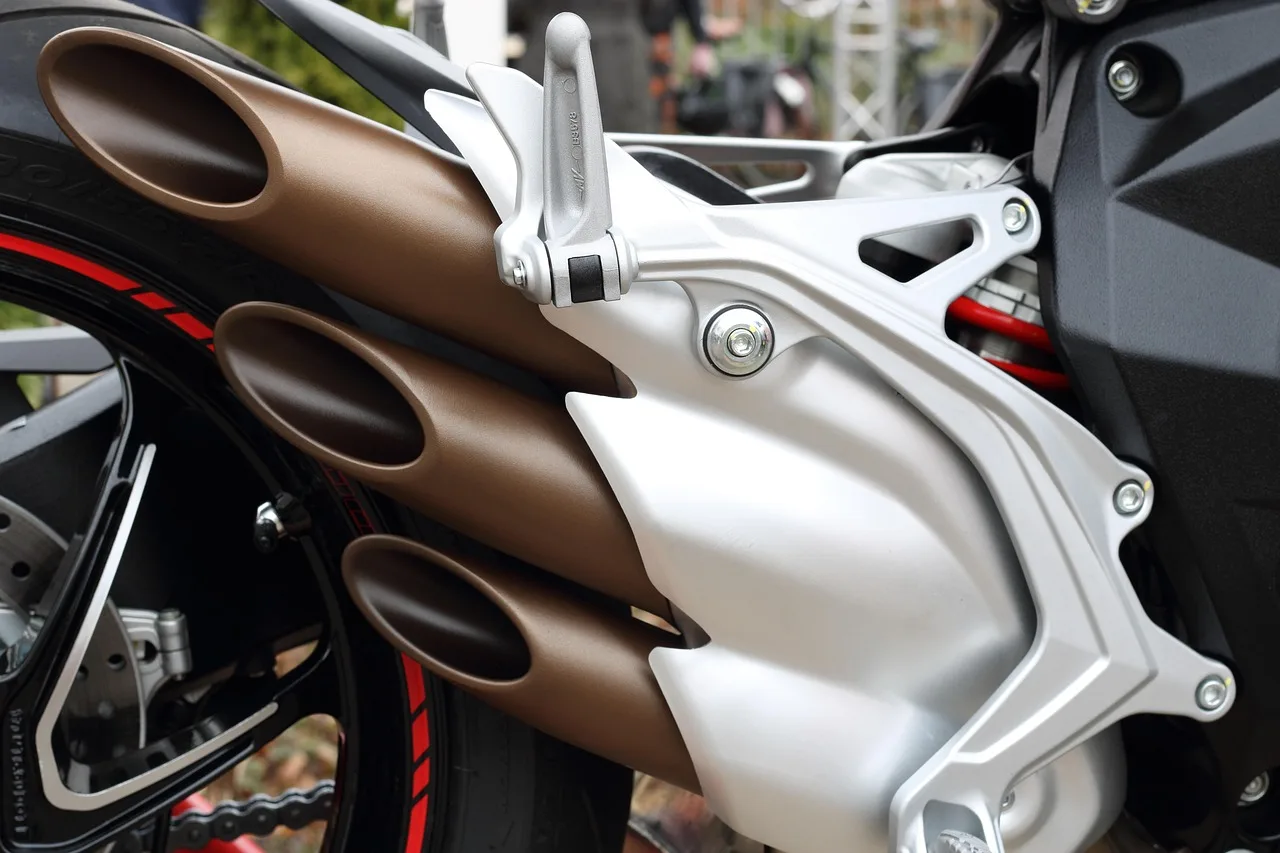
Use this matrix to match the bike, the goal, and the practical risk. The common mistake column matters as much as the setup type, because many bad exhaust choices fail on fit, legality, or tuning rather than on sound alone.
| Bike segment | Primary goal | Best setup type | Material | Legality risk | Tuning likelihood | Installation difficulty | Common mistake to avoid |
|---|---|---|---|---|---|---|---|
| Sportsbike | Maximum power | Full system | Titanium | Medium to high | High | High | Buying a non-matching header layout |
| Sportsbike | Sound and weight | Slip-on | Carbon fiber | Medium | Low to medium | Medium | Assuming the canister alone gives big power gains |
| Naked/roadster | Daily riding | Slip-on | AISI 304 stainless steel | Low to medium | Low | Low | Skipping the exact model fit check |
| Naked/roadster | Performance | Full system | Titanium | Medium | High | High | Ignoring the need for remapping |
| Touring | Low drone | Homologated slip-on | AISI 304 stainless steel | Low if certified | Low | Low | Choosing loudness over long-distance comfort |
| Touring | Weight reduction | Slip-on | Carbon fiber | Medium | Low | Low to medium | Ignoring heat around luggage and passenger areas |
| Off-road/enduro | Light weight | Full system | Aluminium | Low off-road, higher on-road | Medium | Medium | Using road-only approval as the main filter |
| Off-road/enduro | Durability | Slip-on | AISI 304 stainless steel | Low off-road | Low | Low | Choosing a fragile canister for rocky terrain |
| Cruiser/custom | Deeper sound | Slip-on | AISI 304 stainless steel | Medium | Low | Medium | Forgetting heat shields and mounting clearance |
| Cruiser/custom | Visual finish | Slip-on | Carbon fiber | Medium | Low | Medium | Choosing style without checking certification |
| 50cc 2-stroke | Stronger pull | Full system | AISI 304 stainless steel | Medium | Medium to high | Medium to high | Buying a universal pipe instead of the correct model |
| 50cc 2-stroke | Simple sound change | Slip-on | Aluminium | Low to medium | Low | Low | Expecting a muffler swap to fix pipe timing issues |
How to choose
Start with the riding goal, then check legality, then check fitment, then decide on tuning. That order avoids the most common mistake: buying the loudest or lightest part before confirming whether it fits the exact bike and market.
- Decide the main goal. Sound, weight, or performance should lead the decision, not branding.
- Check road legality. Look for homologation, E-mark, ECE approval, and the correct catalyst fitment if you ride on public roads.
- Match the bike segment. Touring, sportsbike, cruiser, off-road, and 50cc two-stroke bikes each need a different balance.
- Confirm exact fitment. Verify the model, year, engine, header layout, and mounting hardware before buying.
- Plan for tuning if needed. A full system may make ECU remapping more likely than a slip-on.
- Check install details. Use the correct fitment kit and mounting hardware, and do not reuse tired gaskets.
Picture a commuter naked bike rider who wants a cleaner note and less weight. A homologated slip-on with the correct mounting hardware is usually the sensible answer. Now suppose the same rider removes the catalyst and installs a louder can without checking approval. The bike may get noisier, but the legality risk rises fast.
A common first-timer mistake is choosing a universal-looking exhaust because the inlet size seems close enough. On motorcycles, fitment depends on the exact model, the pipe shape, and the mounting points. A part that almost fits can still leak, vibrate, or need extra hardware that was never in the original plan.
Frequently asked questions
Can you put any exhaust on a motorcycle?
No. Exhausts must match the bike’s header size, mounting points, packaging, and often the exact model year. A universal-looking pipe can still fail on fitment, clearance, or legality. For road use, approval and catalyst requirements matter just as much as physical compatibility.
What is the best exhaust setup for a motorcycle?
There is no single best exhaust for every motorcycle. For most road riders, a homologated slip-on is the practical choice. For riders chasing maximum performance, a full system is the better route because it replaces the headers and muffler, which is where the bigger gains come from.
Should I choose a slip-on or full system for my motorcycle?
Choose a slip-on if you want easier installation, a lighter rear end, and mainly a sound change. Choose a full system if you want the biggest performance change and are prepared for higher cost, higher installation complexity, and a greater chance of needing ECU remapping.
Do I need a fuel tune after installing an exhaust?
Not always. A slip-on may run acceptably without tuning if the rest of the exhaust stays close to stock. A full system more often needs an ECU remap or module because headers and catalyst changes can alter airflow enough to affect fueling, throttle response, and heat.
Which exhaust material is best for a motorcycle?
It depends on the goal. Titanium is best for light weight and premium sport use. AISI 304 stainless steel is best for durability and corrosion resistance at a lower cost. Carbon fiber is very light and sporty-looking, while aluminium is lighter and usually more affordable, often for off-road use.