Motorcycle Exhaust Header vs Slip-On Differences Guide
A slip-on mainly changes sound and weight; headers change exhaust flow, torque curve, and often require tuning. If you want the biggest performance shift, start with headers or a full system, not a muffler only. Pick the wrong parts and you can lose low-end response, trigger fault codes, or end up with pieces that miss noise and emissions rules. This guide compares sound, torque, tuning risk, legality, and install effort for slip-ons, headers, and full exhausts.
This guide is part of our Motorcycle exhaust mods guide series.
Motorcycle exhaust header vs slip-on differences: the core trade-off


| Decision factor | Motorcycle exhaust header | Slip-on differences | Winner |
|---|---|---|---|
| Sound change | Can change tone and volume, but the effect depends on the muffler that stays in place | Usually deeper and richer than stock, with a clear volume increase | Slip-on differences |
| Horsepower potential | Higher potential because primary length and collector design can improve scavenging | Usually a smaller gain; often more about feel than peak output | Motorcycle exhaust header |
| Tuning need | More likely to need an ECU remap or fuel controller | May run fine on stock mapping if the change is mild | Slip-on differences |
| Emissions and legality risk | Higher risk if the catalyst is removed or relocated | Often keeps OEM headers and the stock catalyst in place | Slip-on differences |
| Install difficulty | More invasive, since it starts at the cylinder head | Usually the simplest exhaust upgrade | Slip-on differences |
| Best rider use case | Riders chasing flow changes, midrange shape, or a full build | Riders who want a sound change with low risk | Tie, by use case |
Sound change
Slip-ons win here because they replace the muffler section, which is where a lot of the sound control happens. Headers can alter tone, but by themselves they are not the main sound part on most bikes, especially if the stock muffler remains.
Power and torque delivery
Headers have the higher upside because exhaust pulse timing is set by primary length and collector layout. That is where scavenging comes from, and that is why a header change can shift the torque curve in a way a muffler swap usually cannot.
Risk, legality, and effort
Slip-ons usually keep the OEM headers and mid-pipe, so they are simpler and less likely to upset emissions equipment. Header swaps are generally more involved, and if they move or delete the catalytic converter, the legality picture can change significantly.
What changes when you swap only the muffler
A slip-on usually replaces only the muffler section and keeps the original headers and mid-pipe. That makes it the easiest low-risk exhaust change for riders who want more sound, less weight, and a modest shift in throttle feel without rebuilding the whole system.
What stock hardware stays in place
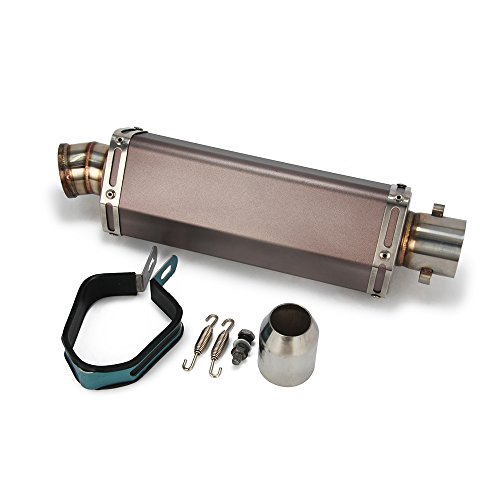
On most bikes, the header pipes, catalytic converter location, and much of the mid-pipe remain untouched. Slip-on kits commonly include mounting brackets and clamps, and some include an optional dB killer or removable baffle.
What you can expect on the road
The change is usually a deeper and richer exhaust note, with a small reduction in back pressure and pumping losses. Many riders notice quicker throttle response when they move from a stock can to a slip-on, but the result is often stronger acceleration feel rather than a large jump in peak horsepower.

What changes when you replace the headers
Headers replace the front pipes from the cylinder head, so the change can affect engine behavior more broadly than a muffler swap. Because primary length and collector design affect scavenging, headers can move power around in the rev range and sometimes make more useful midrange output.
Why headers can alter the torque curve
Back pressure is only part of the story. Header design also changes how exhaust pulses leave the cylinder and how the next pulse helps pull spent gas out, which can improve cylinder filling at selected rpm and hurt it at others if the design is a poor match.
Where the risk shows up
A header swap can move torque higher in the rev range, which may feel better on a bike that lives near redline. On a street bike that spends time below midrange, the wrong header can soften low-speed pull or create flat spots that a slip-on would not cause.
How a full system fits between those two
A full exhaust replaces the headers and muffler, so it usually produces a bigger change in sound and flow. It is also the most invasive and usually the most expensive option, which is why it makes sense mainly when you want a complete performance package or are already planning a tune and other mods.
When a full system makes sense
Choose it when the bike already has intake work, ECU changes, or a clear performance goal that a slip-on cannot reach. It is the most complete answer if you want to remove a restrictive stock layout and shape the whole exhaust path around one setup.
Does a slip-on replace the headers on a motorcycle?
No. A slip-on usually replaces only the muffler section and leaves the original headers and mid-pipe in place. That is the key difference: you are changing the outlet and sound control more than the exhaust flow architecture.
Parts a slip-on usually includes
A typical kit uses an inlet pipe sized to match the stock mid-pipe or muffler outlet, plus mounting brackets and clamps. Some versions also include a dB killer or removable baffle so you can trim volume and stay closer to local sound rules.
When a slip-on is not a simple bolt-on
If the bike uses a welded muffler, a catalyst inside the stock canister, or a nonstandard hanger layout, the job can take extra parts or fitting time. It is still simpler than a header swap, but it is not always universal.
Will headers make more horsepower than a slip-on exhaust?
Often yes, but only when the header design matches the engine and the rest of the setup. Headers can make more horsepower than a slip-on because they change flow, scavenging, and pulse timing; a slip-on usually changes the exhaust note and feel more than peak output.
Why header length and collector design matter
Primary length changes when exhaust waves return to the cylinder, and collector design changes how pulses merge. That is why headers can shift the torque curve, especially in the midrange, while a slip-on is usually limited by the stock front pipes that stay on the bike.
When a slip-on is mostly about sound
If the stock headers and catalyst remain, the main result is often more volume, a deeper tone, and slightly cleaner throttle response. That can be the right trade if the bike already pulls well and you do not want to disturb the factory balance.
Do you need a tune after headers or a slip-on?
Not always. Mild slip-ons may work with stock fueling, but headers or full systems often need an ECU remap or fuel controller because the airflow change is larger and the bike can run lean or uneven at some rpm.
When stock mapping may stay acceptable
If the change is limited to a muffler swap and the bike does not show popping on decel, surging, or hot-running behavior, many setups can stay as they are. That does not mean every bike will be perfect, only that a tune is conditional, not automatic.
How lean running shows up
Signs can include snatchy throttle, decel popping, uneven idle, or a flat spot as the revs climb. If those appear after headers or a full system, a fuel controller or ECU remap becomes a smart move instead of a guess.
What matters most: sound, legality, or install effort?
The right answer changes with the goal. If you want more sound with the least risk, pick a slip-on; if you want flow and torque-curve changes, headers matter more; if you want the biggest change and accept more work, a full system is the top step.
How a dB killer changes volume and compliance
A dB killer or removable baffle trims sound and can make an aftermarket muffler easier to live with in daily use. It does not turn a loud setup into stock, but it can move a system closer to local noise limits and reduce the chance of unwanted attention.
Why catalyst location changes the legality picture
Slip-ons often keep the stock catalyst in place because the headers and mid-pipe stay on the bike. Header swaps and some full systems remove or relocate the catalyst, which can create emissions and inspection problems depending on local rules.
Why headers usually add more install work
Headers bolt at the cylinder head and often require more disassembly, new gaskets, and careful alignment. A slip-on usually needs fewer steps, fewer heat cycles, and less chance of disturbing sensors or fasteners that have been in place for years.
Choose motorcycle exhaust header if… / choose slip-on differences if…
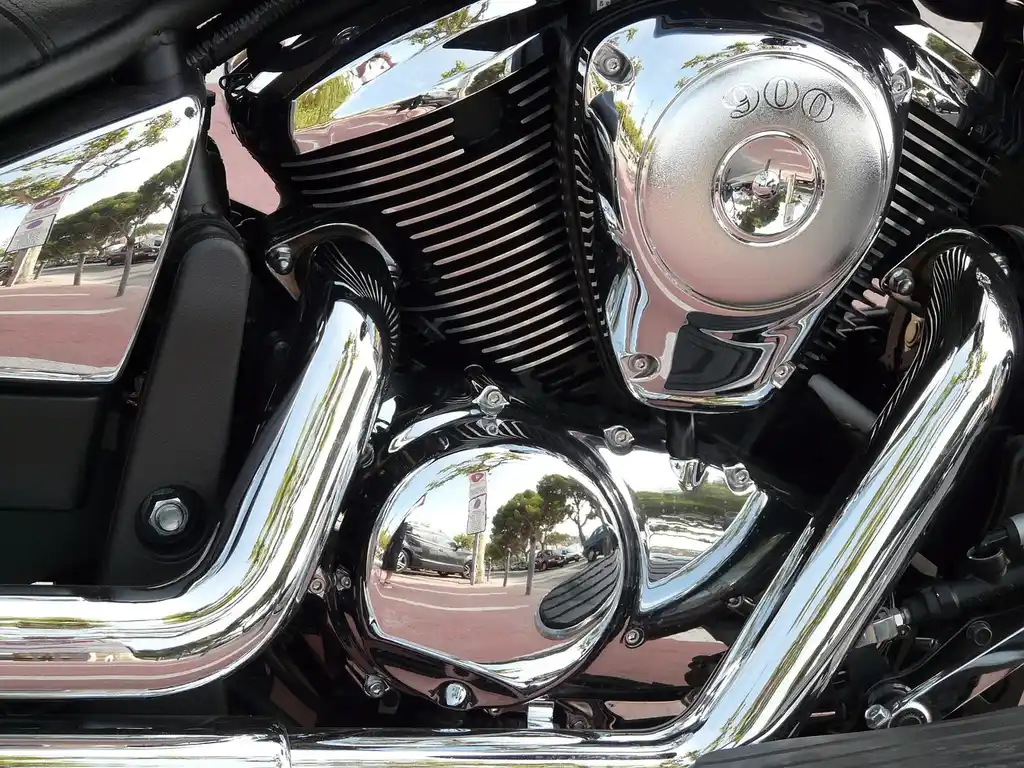
Choose headers if you want a real flow change, are chasing midrange or top-end shaping, and are prepared for a possible tune. Choose a slip-on if you want a simpler upgrade, more sound, less weight, and the best chance of keeping stock manners and emissions hardware intact.
Choose headers if…
- You want the exhaust change to affect scavenging and the torque curve, not just volume.
- Your bike already has intake or fueling changes, or you plan to tune afterward.
- You accept more install time and more legality risk if the catalyst moves or disappears.
- You care more about performance shape than about the easiest bolt-on path.
Choose a slip-on if…
- You want the quickest sound upgrade with the lowest risk.
- You want to keep the stock headers and, in many cases, the catalyst.
- You want a change that is usually easier to install than a full system or header swap.
- You prefer a deeper tone and a small response gain over a large horsepower change.
Choose a full system if…
- You want the largest change in sound and flow.
- You are already planning an ECU remap or fuel controller.
- You are building around intake mods, track use, or a specific rpm target.
- You are comfortable with the most invasive and expensive route.
Say your bike is a 600cc street bike with a healthy low end
Suppose you mainly want a deeper idle and a cleaner sound at cruise. A slip-on fits that goal better than headers, because the stock front pipes keep the bike civil while the muffler swap gives you the sound change you want.
Say your bike feels flat from 5,000 to 8,000 rpm
A common first-timer mistake is buying a loud muffler and expecting a torque fix. If that middle range is the real complaint, header design is the part that can change it, while a slip-on may only make the bike louder.
Is a full exhaust worth it instead of headers or a slip-on?
A full exhaust is worth it when you want the biggest combined change in sound, flow, and tuning potential. It is not the best answer for a rider who just wants a nicer tone, because a slip-on is cheaper, simpler, and usually far less disruptive to the bike.
When it beats both alternatives
It makes sense on a build that already needs fueling changes, weight reduction, or a complete rework for track or performance use. In that case, the extra cost and effort buy a system that is designed as one package, not as a compromise around stock parts.
Which exhaust upgrade is easier to install on a motorcycle?
A slip-on is often easier to install than headers or a full system. It normally reuses the factory headers and mid-pipe, so the job is shorter, less invasive, and less likely to turn into a gasket or alignment problem.
Why headers take longer
Headers start at the cylinder head, so they require more removal, more fitment checks, and more care around seals and heat shields. A full system adds the same work plus the muffler side, which is why it sits at the top of the difficulty scale.
Simple installation rule
- If you want the shortest, cleanest job, start with a slip-on.
- If you want measurable flow changes, expect header-level work.
- If you want the most complete change, plan for a full system and a possible tune.
Frequently asked questions
What is the difference between motorcycle exhaust headers and a slip-on?
Headers replace the front pipes from the cylinder head and can change scavenging, torque delivery, and the need for tuning. A slip-on usually replaces only the muffler section, keeps the stock headers and mid-pipe, and is mainly used for sound, weight, and a modest response change.
Does a slip-on replace the headers on a motorcycle?
No. A slip-on typically keeps the original headers and mid-pipe in place. That is why it is usually the easiest exhaust upgrade and why its effects are smaller on airflow than a header swap or full system.
Will headers make more horsepower than a slip-on exhaust?
Often they can, because header length and collector design influence scavenging and the torque curve. A slip-on may improve feel and sound, but it usually does less to peak horsepower because the stock headers remain the main flow path.
Do I need a tune after installing headers or a slip-on?
Not always. Mild slip-ons may not need one, but headers and full systems change airflow more and more often benefit from an ECU remap or fuel controller, especially if you see popping on decel, surging, or uneven running.
Which exhaust mod changes sound more, headers or slip-on?
A slip-on usually changes sound more because it replaces the muffler, which does most of the noise control. Headers can change tone and volume too, but the result is often less dramatic unless the rest of the system also changes.
Can I keep the stock headers and still upgrade the exhaust?
Yes. That is exactly what a slip-on does on most motorcycles. It lets you keep the factory headers, often keep the catalyst in place, and still get a deeper tone and a simpler install.