Do Resonators Make Exhaust Quieter? The Proven Answer
Yes, resonators make your exhaust quieter, but not by reducing overall volume like a muffler. Instead, they cancel out specific, unpleasant sound frequencies—the annoying “drone” or “rasp” you hear at certain speeds. A resonator refines your exhaust note, making it smoother and more pleasant without significantly silencing the engine’s rumble.
Ever notice that annoying hum or buzz from your car’s exhaust while cruising on the highway? It’s a common issue, especially if you’ve upgraded your exhaust system. Many car owners get confused about what causes it and how to fix it. They hear terms like “muffler” and “resonator” and wonder what the difference is. It can feel overwhelming, but don’t worry. You’re in the right place to get clear, simple answers.
I’m Monowar Shohag, and I’m here to guide you through the world of exhaust systems without the confusing jargon. In this guide, we’ll break down exactly what a resonator does, how it works, and whether it’s the right solution for making your car sound better. Let’s solve this puzzle together and get your car sounding just the way you want it.
What Exactly Is a Car Resonator?
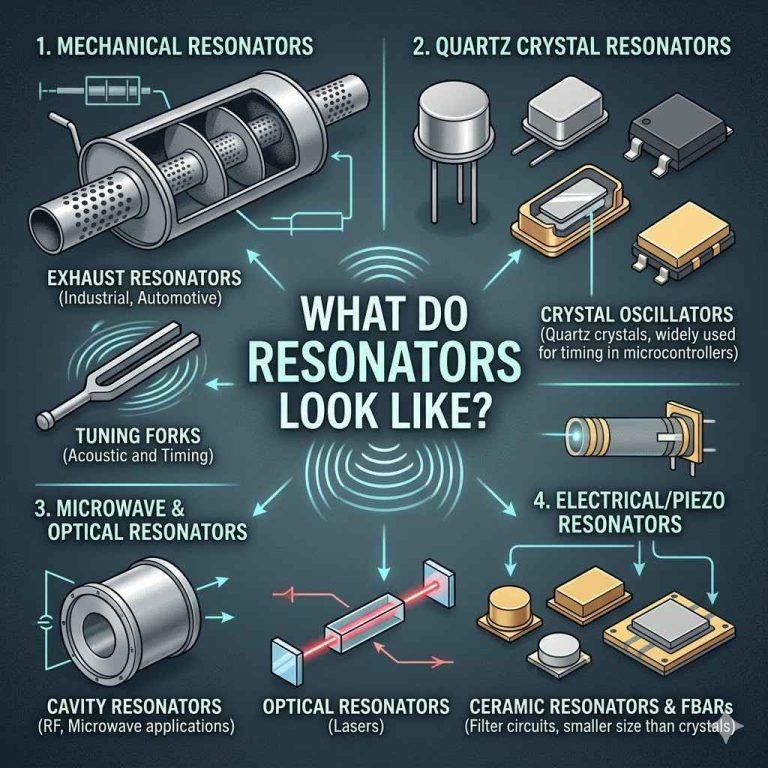
Before we dive into whether a resonator makes your exhaust quieter, let’s first understand what it is. Think of a resonator as a sound-tuning device for your exhaust system. It’s typically a simple-looking metal cylinder located in the exhaust pipe, usually before the muffler. Its one and only job is to target and eliminate specific, undesirable sound frequencies.
Your engine produces a wide range of sounds as it runs. While you might enjoy the deep, rumbling notes, there are other frequencies that are just plain annoying. The most common one is “exhaust drone”—that low, monotonous hum that fills the cabin when you’re driving at a constant speed, like on the freeway. Another is “rasp,” a high-pitched, metallic sound that can make your car sound cheap or tinny.
A resonator is designed specifically to cancel out these irritating noises. It acts like a fine-tuning fork for your exhaust, cleaning up the sound before it reaches the muffler and exits the tailpipe. It doesn’t just muffle all sounds; it selectively removes the bad ones, leaving you with a cleaner, more refined exhaust note.
Think of It Like This…
Imagine you’re listening to your favorite song, but there’s a constant, annoying buzzing sound in the background. You wouldn’t want to turn the whole volume down to get rid of the buzz; you’d just want to eliminate that one sound. A resonator does exactly that for your car’s exhaust. It’s the audio engineer that removes the feedback and static, letting the good music (your engine’s purr) shine through.

How a Resonator Works: The Simple Science of Sound
You don’t need a degree in physics to understand how a resonator works. The concept is actually quite simple and is based on the principles of sound wave cancellation. It’s a process called destructive interference.
Inside the resonator’s shell is a straight, perforated tube that the exhaust gas flows through. Surrounding this tube is a larger chamber filled with air. As sound waves from the engine travel down the exhaust pipe, they enter the resonator. Here’s what happens next:
- Sound Waves Enter: The sound waves, which are essentially pressure waves, pass through the perforations in the inner tube and enter the outer chamber.
- Waves Bounce Back: These waves bounce off the outer walls of the resonator’s chamber.
- Cancellation Occurs: The resonator is built to a specific size and shape. This precise design causes the reflected sound waves to travel back into the main exhaust stream exactly out of sync with new, incoming sound waves of the same target frequency.
- Silence: When a wave peak meets a wave trough, they cancel each other out. This process effectively eliminates that specific frequency—the drone or rasp—from the exhaust note.
This is why a resonator is so effective at removing drone. It’s not just absorbing sound; it’s actively canceling it out. This is a much more targeted approach than a muffler, which uses baffles and sound-absorbing materials to reduce the volume of all frequencies across the board.
Resonator vs. Muffler: Solving the Great Exhaust Debate
This is one of the most common points of confusion for car owners. Many people use the terms “resonator” and “muffler” interchangeably, but they perform very different jobs. Understanding the distinction is crucial to achieving the sound you want from your car.
The muffler’s primary goal is to reduce the overall volume of the exhaust. It’s the main component responsible for keeping your car from sounding like a race car. It does this by forcing the exhaust gases through a complex series of chambers, tubes, and baffles. This process slows down the gases and dissipates the sound energy, significantly lowering the decibel level.
The resonator, on the other hand, is all about sound quality and tone. It doesn’t focus on making the car quieter overall. Instead, it targets and cancels out those specific, irritating frequencies we discussed earlier. It refines the sound, making it smoother and more pleasant to the ear.
Here’s a simple table to help you see the difference at a glance:
| Feature | Resonator | Muffler |
|---|---|---|
| Primary Job | Tunes exhaust tone; cancels specific frequencies (drone/rasp). | Reduces overall exhaust volume (decibels). |
| How It Works | Uses an echo chamber to cancel out specific sound waves. | Uses baffles and chambers to slow exhaust gas and absorb sound. |
| Effect on Sound | Makes the exhaust note smoother and cleaner. | Makes the entire exhaust system significantly quieter. |
| Design | Typically a simple, straight-through design with a chamber. | Often larger and more complex with multiple internal chambers. |
| Impact on Performance | Minimal impact on exhaust flow; can even improve it slightly. | Can be restrictive, potentially reducing performance slightly. |
A car can have a resonator, a muffler, or both. Most modern passenger cars come from the factory with both to create an exhaust system that is quiet, smooth, and free of any annoying drones. In performance applications, car enthusiasts often mix and match components to achieve a very specific sound.
The Proven Answer: Do Resonators Actually Make Exhaust Quieter?
Now we get to the heart of the matter. The direct answer is yes, but with an important clarification. A resonator makes the exhaust quieter by eliminating the loudest and most intrusive frequencies, which our ears often perceive as the main source of noise. When you remove that irritating drone at 2,500 RPM on the highway, the entire driving experience feels much quieter and more comfortable.
However, if you were to measure the overall decibel level of an exhaust system with and without a resonator, you might not see a massive drop. The muffler is the component that makes the big dent in total volume. The resonator’s job is much more subtle and targeted. It’s less about brute-force sound reduction and more about sophisticated sound shaping.
Think about it this way: removing a muffler will make your car dramatically louder across the entire RPM range. Removing a resonator, however, will primarily introduce harshness, rasp, and drone. It might make the exhaust sound a bit louder, but the most noticeable change will be in the quality of the sound. It will sound less refined and more raw.
The Key Takeaway: Tone, Not Just Volume
The most important thing to remember is that resonators are for tuning the tone of your exhaust. If your goal is simply to make your car as quiet as possible, you should be looking at a high-quality muffler. If your goal is to get rid of that annoying highway drone or make your aftermarket exhaust sound less harsh, a resonator is the perfect tool for the job.
4 Key Benefits of Using a Resonator
Adding or keeping a resonator in your exhaust system offers several distinct advantages, especially for the daily driver who wants a pleasant but engaging sound.