Do Harley Heat Shields Really Help With Heat?
Thinking about Harley-Davidson heat shields? It’s a common question for anyone who’s felt the burn from their bike. Many riders wonder if these add-ons are just for looks or if they actually make a difference. The truth is, figuring out if Do Harley Heat Shields Actually Work? can feel tricky, especially if you’re new to motorcycles. Don’t worry, though! We’ll explore the ins and outs of heat shields and what they do. We’ll examine different types, materials, and how they help. Let’s start and uncover some useful information.
What Exactly Is a Heat Shield and Why Use One?
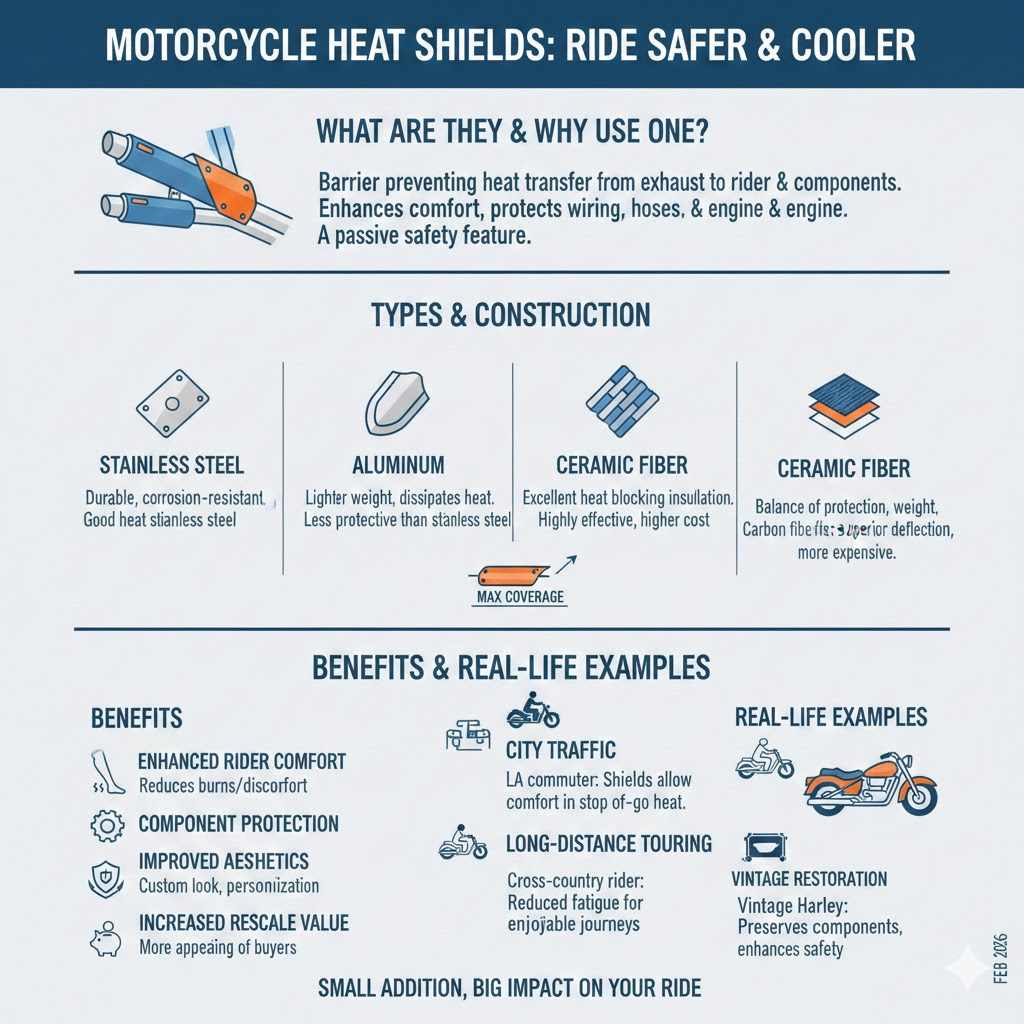
Heat shields, often simple-looking metal or composite panels, are crucial components of a motorcycle’s exhaust system. They are specifically positioned to act as a barrier, preventing direct heat transfer from the exhaust pipes and catalytic converters to the rider’s legs, feet, and nearby components. The primary objective is rider comfort and protection. Beyond comfort, heat shields also help safeguard the bike itself, protecting sensitive components like wiring, hoses, and even the engine from excessive heat.
They are a passive safety feature. The use of a heat shield is usually linked to increased engine efficiency. Without them, the high temperatures emanating from exhaust systems could cause discomfort for the rider and could potentially cause damage to the motorcycle itself.
Types of Heat Shields and Their Construction
Heat shields come in a variety of styles and are constructed from various materials. The most common type is a simple metal shield, often made of stainless steel or aluminum. These are frequently found on stock motorcycles and offer a basic level of heat protection. Another common type is an insulated heat shield. These often have a layer of insulation, such as ceramic fiber or fiberglass, sandwiched between an outer metal layer and the exhaust pipe. This insulation significantly increases the shield’s ability to block heat. Aftermarket options offer customization and enhanced performance. There are also wrap-around shields that completely encircle the exhaust pipe, providing maximum coverage.
- Stainless Steel Heat Shields: Stainless steel is a popular choice for heat shields due to its durability, resistance to corrosion, and relatively low cost. It can withstand high temperatures without warping or degrading. The downside is that stainless steel can still transfer heat, just less than an unprotected exhaust pipe.
- Aluminum Heat Shields: Aluminum is another commonly used material, often favored for its lighter weight. However, it doesn’t handle heat as well as stainless steel. Aluminum is more efficient at dissipating heat into the air, but the protection factor is not the highest.
- Ceramic Fiber Heat Shields: Ceramic fiber is often used as insulation in heat shields. This material excels at blocking heat transfer, preventing heat from reaching the outer metal layer. Ceramic fiber is highly effective, but it can be more expensive.
- Composite Heat Shields: Composite materials blend different substances, like fiberglass or carbon fiber. These can provide a balance of heat protection, light weight, and aesthetic appeal. Carbon fiber can be especially effective at heat deflection, which also makes the product more expensive.
Selecting the right heat shield depends on the desired level of protection, the bike’s style, and the rider’s budget. Aftermarket heat shields often offer increased protection and aesthetic upgrades compared to stock options.
Benefits of Installing a Heat Shield
Installing a heat shield can significantly improve the riding experience. Beyond the immediate comfort benefit, the protection extends to the mechanical components of the motorcycle. The reduction in heat exposure can lengthen the lifespan of vital parts. Heat shields are not just about comfort; they contribute to the overall reliability and performance of the motorcycle. This small addition to your bike can have a noticeable impact. This part of the motorcycle helps create a safer, more enjoyable riding experience, which is why they are often chosen. The protection provided by these components helps riders focus on the ride.
- Enhanced Rider Comfort: The primary benefit is improved comfort. Heat shields block radiant heat from the exhaust, reducing the chance of burns or discomfort on long rides. This is especially helpful in hot weather or heavy traffic conditions.
- Component Protection: Heat shields help to protect vital parts of the bike. They help prevent damage to wiring, fuel lines, and other temperature-sensitive components. This extends the lifespan of these parts and reduces the chance of breakdowns.
- Improved Aesthetics: Many aftermarket heat shields enhance the look of the motorcycle. They come in various finishes and designs, providing a custom touch to the bike. This can improve the appearance of the bike and make it more personalized.
- Increased Resale Value: By protecting the bike’s components and maintaining its overall condition, heat shields contribute to a better resale value. A well-maintained bike with added protection features is often more appealing to potential buyers.
Real-Life Examples of Heat Shield Effectiveness
The effectiveness of heat shields is evident in numerous real-world situations. Riders who frequently commute in stop-and-go traffic often appreciate the added comfort. Many riders also report that their riding gear lasts longer due to the reduced heat exposure. Heat shields are especially helpful on bikes with exhaust systems that run close to the rider’s legs. The practical advantages of heat shields are also very apparent during long-distance rides.
- Commuting in City Traffic: Consider a rider in a city like Los Angeles, stuck in rush hour. Without heat shields, the rider’s legs and feet would be exposed to intense heat from the exhaust. With shields, the rider can withstand the heat with much greater comfort.
- Long-Distance Touring: A rider embarking on a cross-country trip. Over long distances, the constant heat from the exhaust pipes can become tiring. With heat shields, the rider can experience reduced fatigue, ensuring a more enjoyable ride.
- Older Motorcycle Restoration: Someone restores a vintage Harley-Davidson and wants to ensure the bike is safe to ride. They install heat shields to preserve components and reduce wear and tear. This also protects the rider and enhances the bike’s overall performance.
Do Harley Heat Shields Actually Work? Examining the Evidence
The core question, Do Harley Heat Shields Actually Work? requires a comprehensive look at the evidence. The most straightforward answer is a resounding “yes.” Heat shields are designed to and do reduce the amount of heat transferred from the exhaust system. The level of effectiveness depends on the shield’s design, material, and the riding conditions. The type of shield plays a big role in how well it performs. The shield’s design has a direct impact on the safety of the rider. The benefits in terms of comfort and component protection are well-documented. Heat shields are beneficial for all Harley riders.
Testing and Scientific Validation of Heat Shields
The effectiveness of heat shields is not based on guesswork. Manufacturers conduct rigorous testing to validate their products. This includes temperature measurements using thermal sensors. Testing is carried out in laboratory and real-world conditions. These tests assess the heat shield’s performance under various riding scenarios. Research validates the efficiency of heat shields.
- Temperature Measurement: Temperature sensors (thermocouples) are placed on the exhaust pipe and other areas. Readings are taken with and without the heat shield to measure the temperature reduction. This scientific method delivers concrete data.
- Riding Simulations: Testing involves simulating real-world riding conditions. This testing includes stop-and-go traffic and high-speed highway runs. The aim is to assess the shield’s performance across different scenarios.
- Material Analysis: Heat shield materials are put through tests. These tests determine their thermal resistance and durability. The analysis proves the effectiveness of the material.
- Customer Feedback: User feedback provides further validation. Riders’ experiences with the product provide insight into how well it works. Reviews and testimonials provide data.
The results of these tests and analysis frequently demonstrate significant temperature reductions. This validates the design and effectiveness of heat shields.
Comparative Analysis: Heat Shields vs. No Heat Shields
A direct comparison of riding with and without heat shields highlights their importance. This evaluation provides clear insights into the advantages. When comparing these, the rider’s comfort and the longevity of bike components are the main areas of focus. Riders who have experienced both situations can usually easily identify the differences. Comparing these two situations illustrates the advantages of heat shields.
| Factor | Without Heat Shields | With Heat Shields |
|---|---|---|
| Rider Comfort | High chance of discomfort and burns. | Improved comfort and reduced heat exposure. |
| Component Protection | Increased risk of damage to sensitive components. | Significantly reduced risk of component damage. |
| Riding Conditions | Difficult in hot weather and heavy traffic. | More enjoyable in all conditions. |
| Maintenance Needs | Potential for higher maintenance needs. | Helps prevent early part failure. |
The information in this table shows the advantages of heat shields, showing how they improve the riding experience.
Common Myths and Misconceptions About Heat Shields
Misunderstandings surrounding heat shields are common, often leading to confusion. It’s helpful to clarify common myths to gain a full understanding of what heat shields do. One myth is that heat shields trap heat and cause the engine to overheat. Another misconception is that heat shields are only cosmetic. Dispelling these myths helps riders make informed decisions.
- Myth: Heat Shields Cause Overheating: This is untrue. Heat shields are designed to prevent heat from reaching the rider and the bike’s components. They do not restrict airflow and will not cause an engine to overheat.
- Myth: Heat Shields Are Only for Looks: Heat shields offer several benefits, from enhancing rider comfort to protecting parts. Aesthetics is a bonus, but the primary reason to use them is for functionality.
- Myth: All Heat Shields Are the Same: There’s a wide range of heat shields available, from basic metal shields to insulated or composite ones. Each type offers different levels of protection and varying aesthetic features.
- Myth: Heat Shields Are Unnecessary for Short Rides: While the benefits are more noticeable on long rides, the protection offered by heat shields is valuable. They protect components and offer a more comfortable riding experience on short rides.
How to Select the Right Heat Shield for Your Harley
Choosing the correct heat shield for your Harley-Davidson involves considering several factors. Matching the shield with your bike model is very important. Aftermarket options should fit the bike’s existing exhaust system. The material used and the intended riding conditions also influence the choice. This will ensure that the selected shield will provide the best performance.
Fitment and Compatibility with Harley Models
Compatibility is crucial when choosing a heat shield. The shield must match your Harley-Davidson model to guarantee a perfect fit. Exhaust systems vary across Harley models, so the heat shield must be compatible. Check the specifications for compatibility. This will ensure an easy installation and optimal performance.
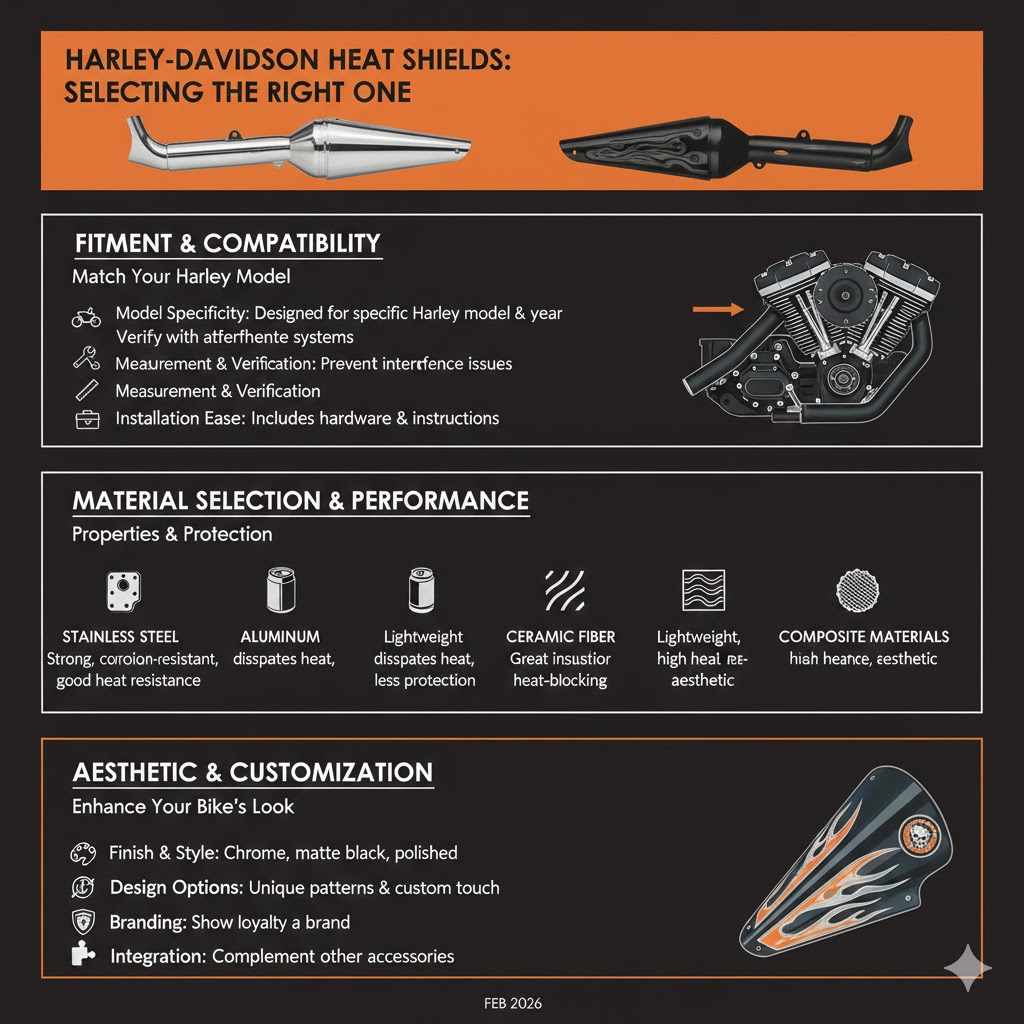
- Model Specificity: Always find a heat shield designed for your specific Harley model and year. This guarantees that the shield will fit properly and mount safely.
- Exhaust System Compatibility: If you have an aftermarket exhaust system, verify that the heat shield is compatible. Some shields are made specifically for particular exhaust configurations.
- Measurement and Verification: Compare the heat shield’s dimensions with your exhaust system. This prevents any potential interference or fit issues.
- Installation Ease: Consider how easy the heat shield is to install. Look for shields that include all necessary mounting hardware and clear instructions.
Material Selection and Performance Characteristics
The material of the heat shield significantly impacts its performance. Stainless steel is a popular and durable option. Aluminum is lighter, but may not offer the same level of heat protection. The properties of the material affect the shield’s ability to block heat. Insulated shields usually have better performance.
- Stainless Steel: Stainless steel offers good heat resistance. It is strong and corrosion-resistant, making it a reliable option for all riding conditions.
- Aluminum: Aluminum is light and dissipates heat. However, it may not provide as much protection as stainless steel. It is still a good choice for general use.
- Ceramic Fiber: Ceramic fiber is a great insulator, often used to line heat shields. It offers superior heat-blocking capabilities, keeping the outer layer cooler.
- Composite Materials: Composites, like carbon fiber, combine lightweight with great heat resistance. These are a good choice for both performance and aesthetics.
Aesthetic Considerations and Customization Options
Besides functionality, heat shields are available in various styles. This can enhance the appearance of your Harley-Davidson. A range of finishes and designs are available to add a unique aesthetic. The visual elements can complement the overall style of your motorcycle. Customization options provide riders with options.
- Finish and Style: Heat shields are available in various finishes, like chrome, matte black, and polished. Choose a style that matches your bike’s overall aesthetic.
- Design Options: Look for heat shields that offer unique designs and patterns. This adds a custom touch.
- Branding: Some riders enjoy the look of branded heat shields. This can show your loyalty to a particular brand or style.
- Integration: Consider how the heat shield will integrate with other accessories on your bike. Make sure it complements other features.
Frequently Asked Questions
Question: Can heat shields make my Harley run hotter?
Answer: No, heat shields are designed to deflect heat away from the rider and nearby components, not trap it. They don’t restrict airflow and won’t cause your engine to overheat.
Question: Are all heat shields made from the same material?
Answer: No, heat shields are made from several materials, including stainless steel, aluminum, and ceramic fiber. Each material provides different levels of heat protection and durability.
Question: Do heat shields improve my Harley’s appearance?
Answer: Yes, heat shields come in various finishes and designs, which can enhance your bike’s aesthetics. Many riders choose heat shields for both functionality and style.
Question: Are heat shields difficult to install?
Answer: Installation difficulty varies, but many heat shields are designed for easy installation with basic tools. Be sure to follow the manufacturer’s instructions carefully.
Question: What’s the main benefit of installing a heat shield?
Answer: The primary benefit is rider comfort, reducing heat exposure. Heat shields also protect your bike’s components from heat damage.
Final Thoughts
So, Do Harley Heat Shields Actually Work? They absolutely do! From rider comfort to protecting vital components, heat shields serve a valuable purpose. The type of shield, its material, and your riding conditions influence its efficiency. They provide a practical way to enjoy your ride more safely. They are a good addition for any Harley-Davidson. Consider your specific needs and preferences.
Look at the range of available options and select the shield that best suits your bike and riding style. Whether you’re commuting, touring, or just enjoying a weekend ride, a heat shield can significantly improve your experience. Investing in a heat shield is a proactive step toward a more comfortable and enjoyable Harley-Davidson ownership.