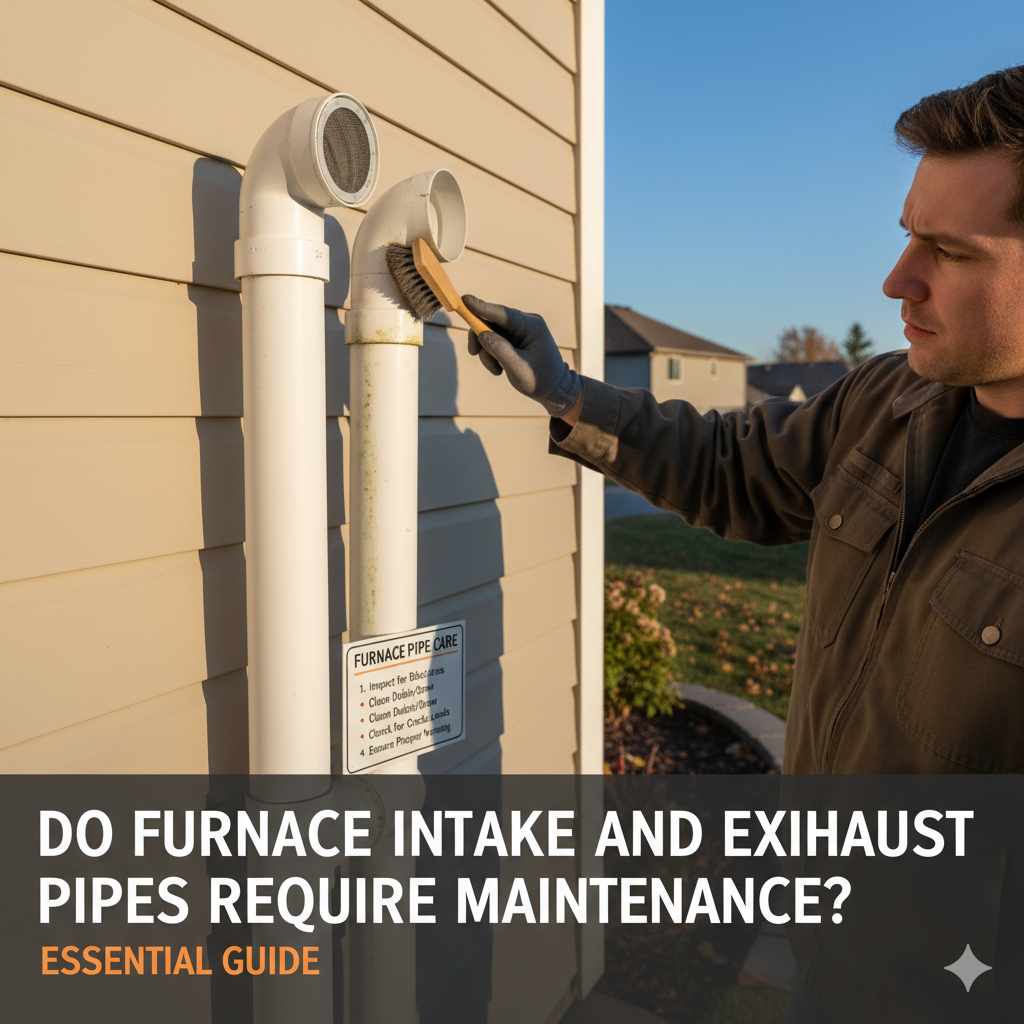
Do Furnace Intake and Exhaust Pipes Require Maintenance? Essential Guide
Yes, furnace intake and exhaust pipes absolutely require maintenance. Regular checks and simple cleaning can prevent serious issues, improve efficiency, and ensure your heating system runs safely and reliably all winter long.
Ever wonder about those pipes sticking out of your furnace? You know, the ones that bring fresh air in and carry the burnt stuff out? Many homeowners completely overlook them, yet they’re super important for your furnace to work well and safely. Ignoring them can lead to big headaches, like your furnace not heating your home or, even worse, dangerous gas leaks. But don’t worry, keeping these pipes in good shape is easier than you might think! This guide will walk you through everything you need to know to keep your furnace running smoothly and safely, without any confusing jargon.
We’ll cover what these pipes do, why they need attention, and exactly how to check them. You’ll feel confident knowing you’re taking care of a critical part of your home’s heating system. Stick around, because we’re about to demystify your furnace pipes!
Understanding Your Furnace’s Intake and Exhaust Pipes
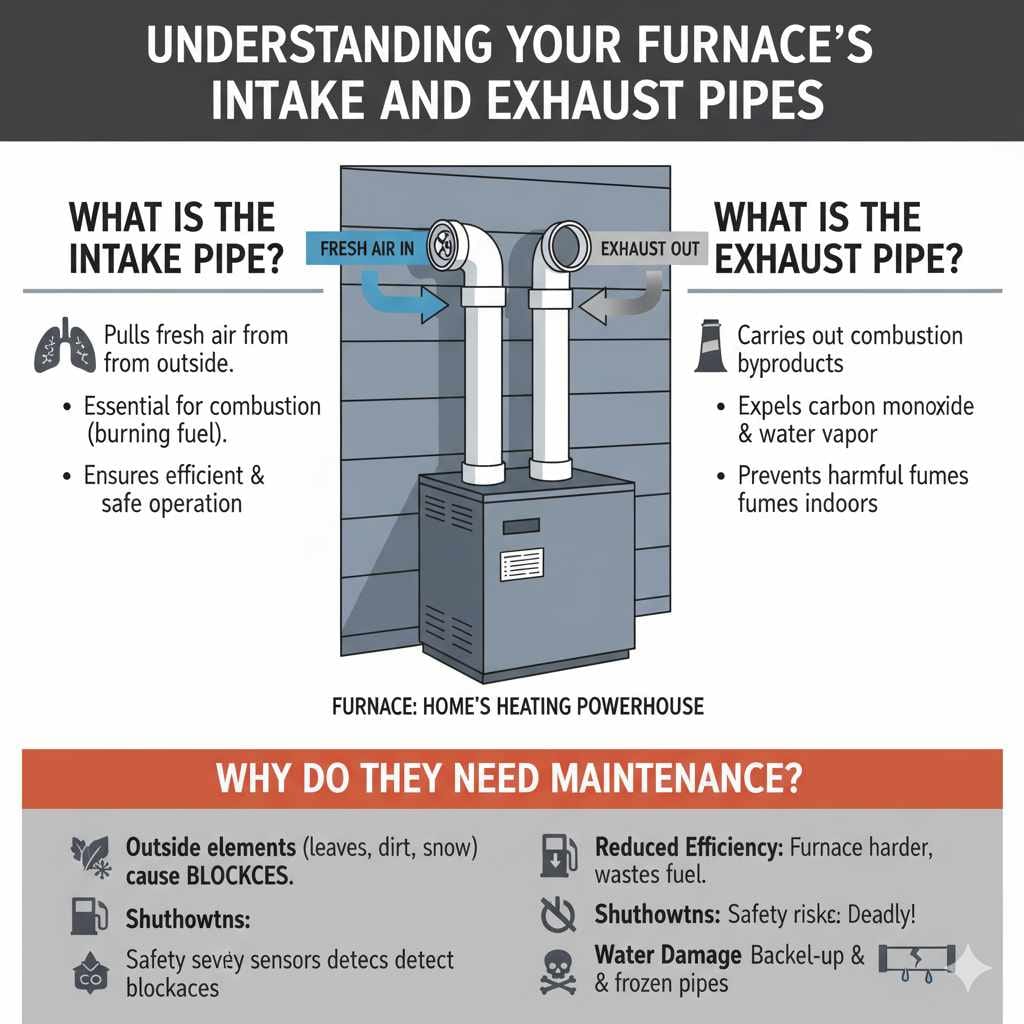
Think of your furnace like a car engine. It needs air to burn fuel and it needs to get rid of the fumes. That’s where the intake and exhaust pipes come in. They are the vital “lungs” and “ventilation system” for your home’s heating powerhouse.
What is the Intake Pipe?
The intake pipe’s job is pretty straightforward: it pulls in fresh air from outside your house. This oxygen is essential for the burning process inside your furnace. Without enough fresh air, the combustion wouldn’t be complete, and your furnace wouldn’t run efficiently – or safely.
What is the Exhaust Pipe?
Once the fuel is burned, the exhaust pipe’s mission is to safely carry all the byproducts of combustion – like carbon monoxide and water vapor – out of your home. It’s crucial that this pipe is clear and connected properly, so no harmful fumes can creep back into your living space.
Why Do They Need Maintenance?
Over time, outside elements can cause trouble for these pipes. Think about it: rain, snow, leaves, dirt, even bird nests can find their way to or into these pipes. If they get blocked, your furnace can’t get the air it needs, or the dangerous exhaust can’t escape. This can lead to:
- Reduced Efficiency: A blocked intake means less oxygen, making the furnace work harder and use more fuel.
- Shutdowns: Many modern furnaces have safety sensors that will shut the system down if they detect a blockage in the exhaust.
- Carbon Monoxide Leaks: This is the most serious risk. If the exhaust pipe is blocked or damaged, deadly carbon monoxide could leak into your home.
- Water Damage: Blocked exhaust pipes can sometimes cause water to back up and freeze, damaging the pipe or your home.
Common Issues with Furnace Intake and Exhaust Pipes
These pipes are exposed to the elements, so they can encounter a variety of problems. Knowing what to look for is the first step in preventing them.
Blockages
This is probably the most common issue. Things like:
- Leaves and Debris: Especially in the fall, leaves can get sucked into intake pipes or block exhaust openings.
- Animal Nests: Birds, squirrels, or rodents might decide these pipes are cozy spots for their homes.
- Snow and Ice: In colder climates, snow can pile up and block the openings, and ice can form.
- Dirt and Dust Accumulation: Over months, dust and grime can build up, restricting airflow.
Corrosion and Rust
Many furnace pipes, especially older metal ones, are susceptible to rust. This can weaken the pipe, create holes, and lead to leaks. The vapors carried through the exhaust pipe can be corrosive, contributing to this over time.
Loose Connections
The pipes are usually connected to your furnace and sometimes to each other. If these connections become loose, it can allow exhaust gases to escape into your home or reduce the efficiency of the airflow.
Damaged Pipes
Physical damage from falling branches, lawnmowers, or even just wear and tear can crack, dent, or puncture the pipes, compromising their function.
Do Furnace Intake and Exhaust Pipes Require Maintenance? Essential Guide to Checks and Care
So, to answer the big question clearly: Yes, furnace intake and exhaust pipes definitely need maintenance! It’s not a complex job, and most of it can be done by you with just a few simple tools and a bit of care. Regular checks are key to prevent issues before they become serious problems.
How Often Should You Check Them?
A good rule of thumb is to inspect your furnace’s intake and exhaust pipes at least twice a year. The best times are typically in the spring, after the heating season ends, and again in the fall, before you start using your furnace regularly. This ensures they’re clear and ready for action.
Step-by-Step Guide: Checking Your Furnace Pipes
This guide is designed for beginners. Safety first! If you’re uncomfortable with any step or notice anything seriously wrong, call a professional HVAC technician immediately.
Step 1: Preparation and Safety
Before you start, make sure your furnace is turned OFF. Find the power switch, which is usually a light switch near the furnace itself, or the breaker for the furnace in your electrical panel. It’s also a good idea to wear gloves to protect your hands.
Step 2: Locate the Pipes
These pipes are usually located on the side or back of your furnace. Modern high-efficiency furnaces often have two PVC pipes sticking out:
- One pipe is slightly larger and often white (the intake pipe).
- The other is usually smaller, often gray or black (the exhaust pipe).
Older furnaces might have a single, larger metal pipe for the exhaust.
Step 3: Visual Inspection of the Exterior
Walk around the outside of your home where the pipes terminate. Look for:
For Intake Pipes: