
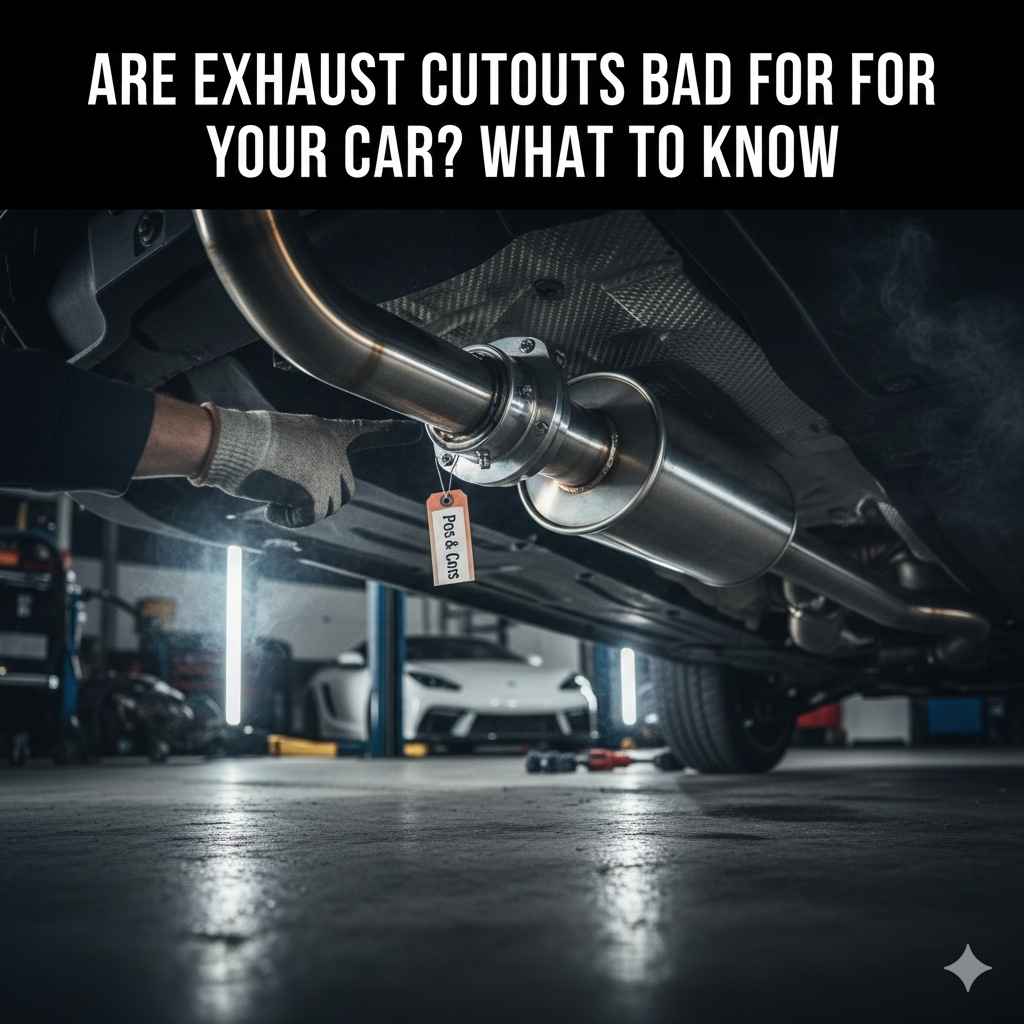
Are Exhaust Cutouts Bad for Your Car? What to Know
Thinking about adding an exhaust cutout to your car? You’re not alone! Many car fans want to improve their vehicle’s sound and performance. But, it can be tricky for beginners to decide if it’s a good idea. There’s lots of conflicting info out there. Don’t worry, we’re here to help! This guide breaks down everything about Are Exhaust Cutouts Bad for Your Car? What to Know in simple steps, so you can decide what’s best for you and your ride. Let’s get started and explore the details!
Exhaust Cutouts Explained and How They Operate
Exhaust cutouts are a modification to your vehicle’s exhaust system, designed to redirect exhaust gases. Essentially, they provide a secondary path for exhaust fumes to escape before they reach the main muffler. This bypass often results in a louder, more aggressive exhaust note. Cutouts can be manual, requiring you to physically open or close them, or electronic, where you control them with a switch. The primary goal is usually to enhance engine sound and potentially improve performance by reducing backpressure. The system’s effectiveness and impact depend on factors like the engine type, cutout size, and overall exhaust setup. The installation process can range from a DIY project to a professional job, impacting costs and the vehicle’s long-term aspects.
Types of Exhaust Cutouts: Manual vs. Electronic
There are two main types of exhaust cutouts: manual and electronic. Manual cutouts are typically more budget-friendly and straightforward. They often involve a lever or valve that you manually open or close to change the exhaust flow. This gives you control, but you have to get out of the car to adjust it. Electronic cutouts, on the other hand, offer more convenience. They use an electric motor to control the valve, allowing you to open and close the cutout with a switch inside the car. This provides on-the-fly adjustment and a more user-friendly experience, although they are generally more expensive and require more complex wiring.
- Manual Exhaust Cutouts. These use a mechanical system that requires manual adjustments. The driver must physically interact with a lever or similar mechanism to switch between the standard exhaust route and the cutout. This simplicity reduces costs, but it means you can’t change the exhaust flow while driving.
- Electronic Exhaust Cutouts. These use an electric motor that’s controlled by a switch within the car. They give you the flexibility to open or close the cutout without stopping. They offer convenience but require electrical wiring and a power source.
- Durability of Components. Whether manual or electronic, the durability of components should be considered. Components are often exposed to high temperatures, moisture, and road debris. Frequent checks and maintenance are critical.
- Ease of Installation. Installation complexity differs. Manual cutouts might be easier for DIY projects. Electronic systems require electrical expertise, adding complexity. Professional installation may be needed.
The Impact of Exhaust Cutouts on Engine Sound
The change in sound produced by exhaust cutouts is often the most noticeable effect. When the cutout is open, exhaust gases bypass the muffler, leading to a much louder and often more aggressive exhaust tone. This change in sound can significantly alter the driving experience and how the vehicle is perceived by others. The exact sound depends on your engine type, the cutout design, and your exhaust system. Some people love the enhanced sound, while others might find it too loud or disruptive. Understanding this impact is key when deciding if this modification is right for your car.
- Increased Loudness. Exhaust cutouts remove the noise reduction of the muffler. This results in a louder exhaust note, which can be thrilling or unwanted. The volume level is also influenced by the vehicle’s engine size and the cutout’s location.
- Changes in Tone. The tone of the exhaust can also change, resulting in a more raw, aggressive sound. This change is because exhaust gases are no longer filtered through the muffler.
- Sound Consistency. A high-quality cutout will produce a consistent sound with no annoying rattles or vibrations. A poorly built one can make distracting sounds at certain engine speeds.
- Subjective Experience. Sound is a personal preference. Some drivers seek a loud, aggressive exhaust sound, while others prefer a more refined tone. Consider how this change aligns with your needs.

Performance and Potential Risks: Are Exhaust Cutouts Bad for Your Car? What to Know
While exhaust cutouts are often associated with sound changes, their impact on your vehicle’s performance is a key aspect to explore. They can potentially boost horsepower and torque, mainly by reducing backpressure in the exhaust system. However, this is not always the case, and there are potential risks, including legality and mechanical issues. The effects differ by engine type and the cutout’s design and size. It’s essential to carefully think about the potential effects on your vehicle’s performance and if it’s worth it. When looking into Are Exhaust Cutouts Bad for Your Car? What to Know, this balance of benefits and risks is essential.
Performance Gains and Potential Drawbacks
Exhaust cutouts can offer performance gains by decreasing exhaust backpressure, which can boost horsepower and torque. Less backpressure enables the engine to breathe more freely, which is especially effective at higher RPMs. However, the gains are often not huge and may only be apparent in certain driving situations. Conversely, there are also potential drawbacks to consider. Improper installation can cause exhaust leaks or reduced performance. Also, some vehicles might experience changes in the engine’s fuel mixture, which can impact performance or cause engine problems. It is, therefore, crucial to weigh the advantages against the risks.
- Increased Horsepower and Torque. By allowing exhaust gases to escape more freely, cutouts can lead to a small increase in horsepower and torque, particularly at higher engine speeds. The level of gain depends on factors such as engine design and the overall exhaust system.
- Potential for Decreased Backpressure. The primary benefit of a cutout is to reduce backpressure, which can restrict engine performance. A cutout offers a less restrictive exhaust path, allowing the engine to function more efficiently.
- Potential Issues with Fuel Mixture. A change in backpressure can impact the air-fuel ratio. This can cause the engine to run lean or rich, potentially affecting performance and leading to engine problems.
- Impact on Engine Management Systems. Modern vehicles feature complex engine management systems (EMS). Cutouts might interfere with these systems, leading to errors or decreased efficiency.
Legal Considerations and Vehicle Inspections
Before installing exhaust cutouts, you must consider the legal implications, as noise regulations vary by region. Excessive noise can violate local laws and lead to fines or vehicle inspection failures. Vehicle inspections often include checks on exhaust systems to ensure compliance with emission and noise standards. If a cutout makes your vehicle’s noise levels too high, it may not pass the inspection. Always explore the regulations in your area before considering this modification to avoid any legal issues. Checking local laws is a crucial part of Are Exhaust Cutouts Bad for Your Car? What to Know.
- Noise Regulations. Most areas have noise restrictions for vehicles. Cutouts, especially when open, can violate these regulations. It’s important to be aware of local noise limits and how they affect your vehicle.
- Emissions Compliance. While cutouts do not directly affect emissions, they can affect backpressure. This could lead to emissions-related issues depending on the area.
- Vehicle Inspections. Exhaust systems are often inspected to check for illegal modifications or excessive noise. A cutout that produces too much noise or isn’t installed properly may fail an inspection.
- Consequences of Non-Compliance. Violating regulations can lead to fines, required repairs, or even the vehicle being taken off the road. Prior research and awareness of the laws are critical.
Choosing and Installing Exhaust Cutouts
Choosing and installing exhaust cutouts involves several steps, from picking the correct type to ensuring a secure and reliable fit. The best cutout for your car depends on factors like engine type, exhaust system design, and your performance and sound goals. Both manual and electronic cutouts have pros and cons, and the correct choice depends on your needs. For installation, you can decide whether to do it yourself or hire a professional. DIY installation can save money but requires some mechanical knowledge and skills. A professional ensures proper installation and can help you avoid potential problems.
Selecting the Right Exhaust Cutout for Your Vehicle
When selecting an exhaust cutout, several key factors need consideration to ensure a good fit and performance. First, consider the size of your exhaust pipe, since the cutout must match the diameter. Decide whether you prefer a manual or electronic system, keeping in mind ease of use and cost. The material also matters; stainless steel is often preferred for its resistance to corrosion and heat. The placement of the cutout on your exhaust system is also important, as it can affect performance and sound. Do your research, compare products, and read reviews to ensure you select a product that best fits your car and your needs. When selecting, think about Are Exhaust Cutouts Bad for Your Car? What to Know about material choices, size, and type.
- Exhaust Pipe Diameter. The cutout must match the diameter of your exhaust pipe. Measure your pipe carefully before ordering to get the right fit.
- Manual vs. Electronic. Choose between a manual and an electronic cutout, depending on your needs for convenience and budget. Manual cutouts are cheaper, while electronic cutouts offer more convenient adjustments.
- Material Quality. Stainless steel is an ideal material. It is more durable and resistant to rust and heat. Lower-quality materials might not last as long.
- Placement. The location of the cutout on your exhaust system can affect sound and performance. Common positions include right after the catalytic converter or before the muffler.
Installation Process: DIY vs. Professional
You have two main choices for installing exhaust cutouts: DIY or professional installation. Doing it yourself can save money, but it needs some mechanical skills and knowledge. You will need to cut the exhaust pipe, weld the cutout in place, and install any electrical components if you are going with an electronic model. Professional installation guarantees proper installation and can help you avoid problems such as leaks or improper fit. A pro has the right tools and experience, and the installation is usually backed by a warranty. Weigh the pros and cons of each option based on your skills, budget, and comfort level with car repairs. The installation process is key in considering Are Exhaust Cutouts Bad for Your Car? What to Know.
- DIY Installation. The do-it-yourself process often begins with safely lifting the car, cutting a section of the exhaust pipe, and then welding the cutout in place. Wiring the electrical components of electronic models needs care.
- Professional Installation. Professional installation involves the same basic steps but is done by trained mechanics. They can guarantee the job is done correctly and safely.
- Tools Required. Both DIY and professional installations need some tools. These include a welding machine, cutting tools, and hand tools. Electronic models also need electrical wiring tools.
- Safety Precautions. When working with vehicles, safety is critical. Use safety glasses, gloves, and follow all safety protocols, especially when welding or working under the car.
Maintenance, Troubleshooting, and Safety Considerations
Once your exhaust cutouts are installed, proper maintenance will ensure they perform well and last for a long time. This involves regular checks for leaks, corrosion, and the proper operation of the cutout’s moving parts. If you have electronic cutouts, it’s also important to check the electrical components. Troubleshooting issues like leaks or problems with the valve mechanism should be done promptly. Safety is always a key consideration when working on or driving a vehicle with modifications. Proper use and regular maintenance will help to keep you safe and ensure that the cutouts work as intended.
Maintaining Your Exhaust Cutouts
Regular maintenance can extend the life of your exhaust cutouts and ensure they work efficiently. First, check your cutouts for any signs of exhaust leaks, which can happen over time. Inspect the valves, hinges, and other moving parts. If you have electronic cutouts, check the wiring and make sure the motor is running smoothly. Clean the cutout components when needed to remove any dirt or debris. By following a regular maintenance schedule, you can catch problems early and maintain your system’s performance. Routine checks are key to managing Are Exhaust Cutouts Bad for Your Car? What to Know from a maintenance perspective.
- Check for Leaks. Leaks can cause loss of performance and increase noise. Regularly check the connections for any signs of exhaust leaks. Tighten any loose bolts or clamps as needed.
- Inspect the Valves and Moving Parts. Examine the valves and other moving parts. Ensure that they are functioning smoothly and not sticking or binding. Lubricate them to keep them working properly.
- Electronic Component Checks. For electronic cutouts, inspect the wiring and electrical components for any damage or wear. Make sure the motor is running smoothly and that the switch functions correctly.
- Cleaning. Clean the cutout components regularly to remove any dirt, debris, or rust. This helps to prevent corrosion and ensures proper function.
Common Problems and Troubleshooting
Even well-maintained exhaust cutouts can have problems. Some of the most common issues are exhaust leaks, where exhaust fumes escape from the system. Valve malfunctions are also common, where the cutout valve gets stuck or doesn’t open or close properly. Noise problems, such as rattling or excessive volume, are also issues. To troubleshoot, start by checking all connections for leaks and tightening any loose bolts or clamps. Inspect the valve and its mechanism for proper movement and lubrication. If you have electronic cutouts, check the wiring and power supply. If you’re still having problems, consult a professional mechanic or the manufacturer.
- Exhaust Leaks. Common causes are loose connections, damaged gaskets, or cracks in the weld. Check the connections and tighten any loose bolts or clamps. If the problem persists, you may need to replace the gasket or repair the weld.
- Valve Malfunctions. Problems like a stuck valve, or a valve that won’t open or close properly, are often caused by corrosion or mechanical issues. Inspect the valve mechanism, lubricate the parts, and clean them. Replacing the valve might be required.
- Noise Problems. Rattling or excessive noise can stem from loose components or poor installation. Check all the components for any loose parts. Re-tightening and re-positioning of the system might be needed to eliminate these noises.
- Electrical Issues (for Electronic Cutouts). Problems such as wiring issues, motor failures, or a faulty switch are common in electric models. Check wiring for corrosion or damage. Test the motor’s operation and ensure it has a good power supply.

Frequently Asked Questions
Question: Are exhaust cutouts street legal?
Answer: It depends on local regulations. Many areas have noise limits, and cutouts, when open, can easily violate these. Check your local laws before installation.
Question: Will exhaust cutouts damage my engine?
Answer: If not installed correctly or if used in a way that disrupts the air-fuel mixture, cutouts can lead to engine problems. However, they are usually safe if used responsibly and installed correctly.
Question: How much do exhaust cutouts cost?
Answer: The cost of exhaust cutouts varies. Manual cutouts are usually less expensive than electronic ones. Expect to spend from under $100 to several hundred dollars for the system, plus installation costs.
Question: How long does it take to install exhaust cutouts?
Answer: Installation time depends on experience and the vehicle. DIY installations can take a few hours. Professional installations usually take less time due to their experience and tools.
Question: Can I install exhaust cutouts myself?
Answer: Yes, if you are comfortable with basic vehicle repair, it is possible. However, proper welding and understanding of exhaust systems are needed. If in doubt, professional installation is best.
Final Thoughts
When thinking about Are Exhaust Cutouts Bad for Your Car? What to Know, it comes down to carefully considering what you want to achieve. Exhaust cutouts can improve your car’s sound and, in some cases, performance. However, they come with potential risks, such as legal issues related to noise regulations and potential mechanical problems if not installed or maintained correctly. Selecting the correct type of cutout for your car, installing it correctly, and keeping up with maintenance is very important. Think about the local noise laws, and whether you are comfortable with the maintenance needed. Decide if the benefits of enhanced sound and potential performance boosts outweigh any risks. With good planning and care, you can make the right decision for your car!


