
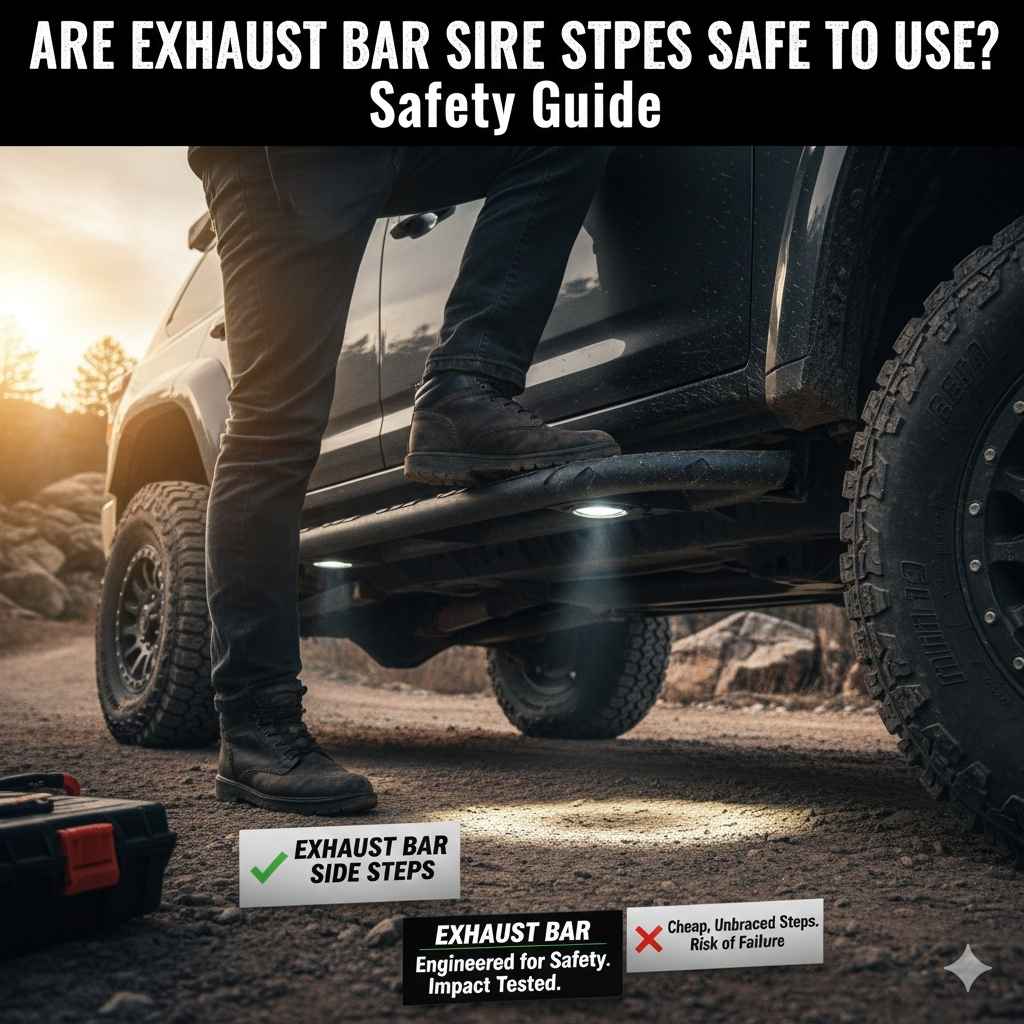
Are Exhaust Bar Side Steps Safe to Use? Safety Guide
Thinking about exhaust bar side steps? You’re not alone! Many folks wonder, Are Exhaust Bar Side Steps Safe to Use? It’s a question beginners often ask because there are many different types of steps out there. Don’t worry, though; it doesn’t have to be confusing. We’ll break down everything you need to know in simple terms. This guide will help you see if these steps are right for your ride. Let’s get started and explore the important factors.
Exploring the Safety of Exhaust Bar Side Steps
Exhaust bar side steps are an add-on many people consider for their trucks and SUVs. However, a major concern is their safety. Several factors contribute to this, including how they’re made, how they’re mounted, and how they interact with other vehicle parts. Getting into a vehicle with these steps feels natural, but it’s important to think about the long-term effects and safety measures. Knowing these features will assist in determining if exhaust bar side steps are a good fit for your vehicle.
Construction and Materials
The strength of exhaust bar side steps comes from the materials and build. Cheaper materials might break under pressure, while stronger materials can survive rough use. It’s key to look for steps made from sturdy materials like steel or aluminum. These materials can withstand more weight and resist damage from impacts. The welding and assembly are important, too. Well-made steps will have strong welds and a tight construction, so they won’t wobble or come apart easily. Make sure to check the weight capacity to see how much they can handle.
- Steel Steps: Steel is a popular option. It is strong, can handle lots of weight, and is usually cheaper than aluminum. However, steel can rust if it isn’t properly treated, so look for steps with a good finish to prevent corrosion.
- Aluminum Steps: Aluminum is a lighter material, making it a good choice for those who want to save on vehicle weight. It resists rust, which is a plus, especially if you drive in areas with rain or snow. But, aluminum might be less strong than steel, so check the weight ratings carefully.
- Welding Quality: Examine the welds carefully. High-quality welds show the steps are built well. They should be smooth and even, without any gaps or weak spots. Poor welds can lead to failure under stress.
- Weight Capacity Ratings: Always check the weight capacity rating. This tells you how much weight the steps can safely support. Pick steps with a capacity greater than what you need, including your weight and anything you might be carrying.
Choosing the right materials and construction can make a massive difference in the safety and how long they last. Think of it like this: if you build with weak blocks, the whole structure may fail, whereas strong materials support more weight and last longer. The right choice supports people and enhances the vehicle’s appearance.
Installation Techniques and Vehicle Compatibility
How the exhaust bar side steps are attached to your vehicle is just as important as what they are made of. Proper installation is critical for safety. The steps must be properly secured to the frame of your vehicle. If installed improperly, steps can detach during use. You’ll also need to consider the make and model of your vehicle. Not all steps are made to fit every vehicle. Choosing steps that specifically fit your vehicle model is the best way to get a safe and secure installation. The correct fit ensures that the steps will work correctly and won’t cause any damage to your vehicle.
- Frame Attachment: Steps should attach directly to the vehicle’s frame, rather than to the body panels. The frame is much stronger and can handle more stress.
- Bolt-On vs. Weld-On: Bolt-on steps are typically easier to install and don’t require any special tools or skills. Weld-on steps, on the other hand, provide a more permanent and robust connection, but you’ll need the proper welding equipment.
- Professional Installation: If you’re not comfortable with DIY installation, think about getting a professional to do it. Professionals have the tools, skills, and knowledge to install the steps securely.
- Vehicle-Specific Fit: Ensure the steps are designed for your vehicle’s make and model. This includes matching the correct mounting points, which are where the steps connect to the frame.
Correct installation secures the steps, ensuring they don’t shift or come loose when used. It is like building a house – a strong foundation keeps the structure safe. Choose steps that fit your car and use proper mounting techniques to stay safe.
Potential Hazards and Risks
Even the best-made steps come with potential hazards. These include where they’re positioned, and how they are used. Make sure you understand the potential risks before installing them. Steps that stick out too far can get caught on things when driving off-road. Also, the exhaust system’s heat may pose a risk. The exhaust can get extremely hot. When installed incorrectly, steps can change how the vehicle performs. Knowing these possible problems means you can take steps to stay safe.
- Ground Clearance: If the steps sit too low, they can get damaged when driving over bumps, rocks, or other obstacles. This can cause the vehicle to get stuck or damage your side steps.
- Exhaust Proximity: Side steps that sit too close to the exhaust pipes can be damaged by heat. This heat can reduce the life of the steps and possibly harm passengers.
- Slip Hazards: Steps that have a smooth surface can become slippery when wet. Look for steps with a textured surface to improve grip and reduce the chance of slipping.
- Obstacle Interference: Steps that stick out can catch on objects, like tree branches or parking barriers. This can damage the steps, or your vehicle.
Being aware of these hazards allows you to pick the right steps and use them safely. Think of it like watching for traffic before you cross the street. Being alert and taking precautions makes sure you can enjoy your ride.

Evaluating the Impact of Exhaust Bar Side Steps on Vehicle Performance
Side steps are more than just a convenience. They affect how your vehicle works. They can impact ground clearance, weight distribution, and aerodynamics. Adding side steps changes how the vehicle handles and how it performs. Understanding these impacts is important for maintaining optimal performance. Knowing what to expect lets you make smart choices when choosing and using these steps.
Effects on Ground Clearance and Off-Road Capability
One of the main impacts side steps have is on ground clearance. Adding steps reduces the space between your vehicle and the ground. This can impact your ability to drive off-road or navigate uneven terrain. If you’re used to driving in rocky areas or over obstacles, steps might limit how far you can go. Carefully think about how often you will be driving off-road to ensure the steps will work for you.
- Reduced Clearance: Side steps hang down, decreasing the distance from the vehicle’s undercarriage to the ground. This means you have less space to clear obstacles.
- Obstacle Interaction: Steps can get caught on rocks, roots, or other uneven surfaces, potentially causing damage to the steps or the vehicle.
- Approach and Departure Angles: Side steps can also affect the angles at which you can approach or leave an obstacle. The lower your step is, the steeper you must drive over it.
- Off-Road Driving: If you frequently drive off-road, consider steps that are designed to withstand off-road use, or ones that can be removed for off-road excursions.
The impact of steps on ground clearance influences where you can drive your vehicle. Imagine your vehicle like a mountain climber. Without obstacles, a mountain climber can reach any destination. If you add obstacles, it can impact how far they can climb. Choosing the right steps for the terrain matters.
Weight Distribution and Fuel Efficiency
The added weight of side steps can also influence vehicle performance. Extra weight affects your vehicle’s fuel efficiency, handling, and acceleration. Steps can add to the total weight of your vehicle. Weight changes can also impact fuel use, so steps that are lighter could make a noticeable difference in miles per gallon. Being mindful of these effects will assist in planning for how you drive and use your vehicle.
- Increased Weight: Steps add weight to your vehicle, which can slightly reduce fuel efficiency. The amount of weight depends on the material and the design of the steps.
- Fuel Consumption: Heavier vehicles generally consume more fuel. Over time, the added weight of the steps could increase your fuel costs.
- Handling Changes: The added weight can slightly change your vehicle’s handling. This is more noticeable with heavier steps.
- Aerodynamic Effects: Side steps can impact aerodynamics, but the impact is usually minor, unless the steps are poorly designed.
The weight of the steps is a key aspect of how they affect your vehicle. Think of it like carrying a backpack. A light backpack does not slow you down, but a heavy one can reduce your speed. Taking weight into consideration assists in determining the best steps for your driving needs.
Impact on Vehicle Handling and Stability
The placement and construction of side steps can have an effect on your vehicle’s handling and stability. Side steps change the center of gravity. This affects how the vehicle behaves during turns and on uneven surfaces. This small shift in the center of gravity could increase the chance of rolling over. It’s important to choose steps that fit your vehicle and are installed properly, to minimize these effects.
- Center of Gravity: Adding weight lower down can help lower the center of gravity, which can improve handling. Steps may slightly lower the center of gravity, depending on where they are mounted.
- Roll Stability: The design and installation can affect the vehicle’s roll stability. Improperly installed steps, or steps that stick out too far, can make a vehicle less stable.
- Turning Performance: Depending on the steps’ design, they might change how the vehicle turns. Steps that extend outward can affect how the vehicle corners.
- Suspension: The suspension of your vehicle bears the burden of the additional weight. If your suspension is not up to the task, your ride might be affected.
Considering the effects on handling and stability assists you in picking the steps that are best for your vehicle and driving style. It is like balancing on a tightrope, the center of gravity impacts your balance. Keeping this in mind can ensure your vehicle’s safety.
Assessing the Durability and Longevity of Exhaust Bar Side Steps
The durability and longevity of exhaust bar side steps are critical factors to consider. You want steps that will last and handle daily wear and tear. Several elements can affect how long the steps will last, including material quality, environmental factors, and routine maintenance. Knowing how to maintain your steps can extend their lifespan, guaranteeing they remain functional and safe for as long as possible.
Material Quality and Corrosion Resistance
The materials used to make the steps directly affect their durability and resistance to corrosion. High-quality materials like steel and aluminum are designed to withstand the elements. However, even the best materials need proper protection. Corrosion can reduce the life of your steps, so it’s essential to understand which materials offer the best protection. Regularly cleaning the steps helps protect them from corrosion and keeps them looking good.
- Steel Grades: The kind of steel used influences how well the steps last. Steel that is more resistant to corrosion is important.
- Aluminum Advantages: Aluminum is known for its resistance to rust, making it a good choice in rainy areas.
- Protective Coatings: Look for steps with protective coatings like powder coating, which helps to protect the steps from rust, scratches, and the sun.
- Salt Exposure: If you live in a location that uses salt on the roads in winter, make sure the steps are properly protected, because salt speeds up corrosion.
Picking the correct materials and taking care of the steps will assist in extending their life. Imagine your car like a metal sculpture; if you don’t take care of it, it could rust and decay. Taking care of your side steps keeps them looking good and ensures they stay strong.
Environmental Factors and Maintenance Tips
The lifespan of exhaust bar side steps is affected by environmental conditions, and regular maintenance helps protect them. Exposure to things like rain, snow, salt, and sunlight can cause the steps to degrade. Regular cleaning, inspections, and timely repairs will keep the steps in good condition. Taking care of your steps protects your investment and ensures they remain safe.
- Cleaning Frequency: Clean your steps regularly, especially after driving in harsh conditions, such as after rain, snow, or mud.
- Rust Inspection: Check the steps regularly for rust, paying close attention to welds and mounting points.
- Protective Products: Consider using products designed to protect metal from rust and corrosion. These products create a barrier against the elements.
- Professional Servicing: Have a professional inspect the steps from time to time to make sure they are in good condition.
Thinking about environmental factors and following a maintenance plan will help the steps last longer. Taking care of your steps is like caring for a pet. Regular checkups and keeping it clean means it’ll stay strong and healthy for years to come.
Common Problems and Their Solutions
Even with good care, exhaust bar side steps can have problems. These can range from minor issues to more serious ones that affect safety and function. Knowing these potential issues and how to fix them will assist in keeping the steps in good condition. Addressing problems early stops small issues from becoming big problems, and makes the steps last longer.
- Rust and Corrosion: Rust can weaken metal steps. Sand away any rust and apply a rust inhibitor, and touch up the finish with matching paint.
- Loose Mounting Bolts: Bolts can come loose from vibration. Check them regularly and tighten as needed. Using thread locker can help to keep them from coming loose.
- Surface Damage: Scratches and dents can damage the coating and expose the metal to corrosion. Touch up scratches with paint or consider a protective coating.
- Wear and Tear: Steps may show wear and tear over time. Replacing worn parts and making necessary repairs is key to keeping the steps in good condition.
Knowing common problems and how to deal with them will help keep the steps safe and functional. Think of it like repairing a bicycle. Regular checkups will help prevent bigger issues. Taking the time to fix problems keeps things running smoothly and keeps you safe.
Exploring the Safety of Side Steps
Side steps can be a great addition to your vehicle, but you need to know how to use them safely. Improper use can lead to accidents and injuries. Knowing the steps to take will help you to enjoy the benefits of side steps while minimizing risks. Simple steps like how to step in and out of the vehicle can reduce the chance of accidents. Think about the tips to stay safe.
Safe Entry and Exit Techniques
How you use side steps influences your safety. Using the steps correctly lessens the chance of slips, falls, and other accidents. Always keep your hands on the vehicle and step down slowly. Using safe techniques every time you get in and out of your vehicle is key. Think about using a safety plan when using side steps.
- Use Both Hands: Always use both hands to hold onto the vehicle. This helps to keep your balance as you step up or down.
- Face the Vehicle: Face the vehicle when entering and exiting. This reduces the risk of tripping or falling.
- Step Slowly: Take your time and step slowly. Rushing can make you lose your balance.
- Check Your Footing: Before stepping, make sure the step is clean and dry. Avoid stepping onto icy or slippery surfaces.
Practicing safe entry and exit techniques can reduce the chances of accidents. Think about it like a dance; good steps and practice help prevent trips and falls.
Considerations for Children and Elderly
The safety of kids and older folks who use side steps requires extra care. Children and the elderly may have a harder time using side steps than adults. Consider steps that make it easier for them to get in and out of the vehicle. Choosing the right steps for their needs makes it easy and safe for everyone to get in and out of the car. Making these considerations makes sure the steps are practical for all passengers.
- Step Placement: Make sure the steps are in a spot that is easy to reach for kids and older folks.
- Grip: Steps that offer good grip stop slips and falls.
- Assistive Devices: Think about using an assistive device, such as a handrail, if needed.
- Supervision: Supervise young children when they are using the steps, and make sure they know how to enter and exit the vehicle safely.
Thinking about specific needs helps keep everyone safe. If you have kids or older folks, it is like designing a playground; you think about their needs.
Regular Inspections and Maintenance
Regular inspections and maintenance are essential for ensuring the safety and performance of your side steps. Routine checks can help you find small problems before they become big ones. Checking the steps frequently and making necessary repairs keeps them working correctly. Routine upkeep extends the life of the steps and keeps the people using them safe.
- Visual Inspection: Check the steps frequently for signs of damage, wear, or loose parts.
- Mounting Hardware: Regularly check the mounting bolts and make sure they are tight.
- Cleaning: Keep the steps clean and free of dirt, mud, and other debris that can make them slippery.
- Professional Checks: From time to time, have a professional check the steps to ensure everything is working correctly.
Routine checks and maintenance are key to keeping your side steps safe and reliable. It is like taking your car to a mechanic for checkups; they help to identify and fix issues early on.
Are Exhaust Bar Side Steps Safe? Real-World Examples and Case Studies
To fully answer the question, Are Exhaust Bar Side Steps Safe to Use?, examining real-world examples and case studies can be helpful. This information will help you to get a clearer picture of how these steps perform in real-world situations. We’ll look at situations where side steps have been effective, as well as cases where problems have happened. Analyzing these cases offers valuable insights into the benefits and possible issues of these steps.
Successful Case Studies
Successful cases highlight how side steps improve vehicle functionality and user safety. These examples demonstrate that steps are a worthwhile addition. Some drivers who use steps every day and frequently get in and out of their vehicles say side steps are very valuable. In these cases, the right steps, combined with proper installation and safe driving habits, have made a big difference.
- Family Vehicles: Several families report that side steps have made it easier for kids to get in and out of their SUVs. The steps make it simple and safe for young children to climb into the vehicle.
- Commercial Use: Businesses that use trucks for work often find that steps boost worker safety. These steps help employees get in and out of the truck quickly and safely, even while carrying tools or equipment.
- Off-Road Adventures: Some off-roaders say their side steps have protected their vehicles from damage. The steps act as a barrier to prevent the side of the vehicle from hitting rocks or other things on the trail.
Successful case studies demonstrate the positive impact of side steps on users. They show that side steps, when chosen and used properly, can greatly improve everyday life. It is like seeing a good movie. It demonstrates a positive outcome.
Potential Issues and Risks
Even though side steps can be helpful, it is important to understand the possible issues and risks. Some drivers have had problems when the side steps were made poorly, installed wrong, or got damaged. These cases offer important lessons about the precautions that users should take. Understanding these potential issues will help you make more informed choices about whether side steps are right for you.
- Loose Installation: Some people have reported problems when side steps came loose because of incorrect installation. This could lead to a fall.
- Damage from Obstacles: Drivers sometimes report damaging side steps when driving over rocky or uneven terrain. This damage makes the steps less safe and could cost money.
- Poor Material Quality: Cheap side steps made from low-quality materials may break. This is a safety issue.
Understanding potential problems will help you make safe choices. It is like learning about a disease. Knowing the risks assists in taking precautions.
Safety Tips and Recommendations from Experts
To help users make safe choices, experts offer advice and guidance on how to pick and use side steps. These tips help people choose the right steps and use them correctly. Experts stress the importance of research, proper installation, and maintenance. Knowing these recommendations will assist users in safely enjoying the advantages of the side steps.
- Research: Read reviews and compare models. Make sure you select high-quality steps.
- Proper Installation: Have a professional install the steps.
- Regular Inspections: Regularly check your steps for signs of wear or damage.
- Safe Usage: Always use both hands when entering and exiting the vehicle.
- Weight Capacity: Make sure the steps can handle your weight.
Following expert tips helps keep users safe. Think of this as getting a doctor’s advice; it helps you remain healthy. Considering all these steps improves the safety and usefulness of side steps.

Frequently Asked Questions
Question: Are exhaust bar side steps legal to install?
Answer: Yes, installing exhaust bar side steps is generally legal as long as they meet local regulations and do not obstruct any vehicle components or pose a safety risk.
Question: How often should I inspect my exhaust bar side steps?
Answer: Inspect your exhaust bar side steps at least monthly and before any off-road trips. Check for loose bolts, rust, and damage.
Question: Can exhaust bar side steps affect my vehicle’s gas mileage?
Answer: Yes, adding exhaust bar side steps might slightly reduce gas mileage due to the added weight and potential changes in aerodynamics. The impact is usually minimal.
Question: What’s the best material for exhaust bar side steps?
Answer: Both steel and aluminum are good options. Steel is strong and affordable, while aluminum is lightweight and resists corrosion. The best choice depends on your needs.
Question: How do I clean my exhaust bar side steps?
Answer: Wash your exhaust bar side steps with soap and water. Use a brush to remove any dirt or debris, and rinse thoroughly. Dry them to prevent rust.
Final Thoughts
So, Are Exhaust Bar Side Steps Safe to Use? It is all about the choices you make. Properly designed and correctly installed side steps can be a useful and safe addition to your vehicle. The key is to choose the correct steps, and make sure that they fit your car. Always install them properly, and maintain them. Thinking about these factors, you can enjoy the benefits of side steps while reducing any potential safety problems. Do your homework, select the right steps for your needs, and take the time to install them correctly. When installed and maintained, these steps make getting in and out of your vehicle much easier. With the right care and the proper practices, they can improve safety and your vehicle’s look, making your trips much more convenient.


