Are Downpipes Legal In Virginia: Essential Virginia Laws
Yes, under most circumstances, downpipes are legal in Virginia for passenger vehicles, provided they meet established emissions standards and noise regulations. Virginia follows federal EPA guidelines and has specific state laws regarding vehicle modifications that affect emissions.
Worried about your car’s exhaust system and what you can change? You’re not alone! Many car owners wonder if adding or changing parts like a downpipe is okay. It can seem confusing, especially with so many rules and regulations out there. We’re here to break it down in simple terms. Let’s figure out exactly what Virginia law says about downpipes so you can drive confidently and legally.
Understanding Vehicle Emissions and Regulations in Virginia
When we talk about car parts like downpipes, it’s mostly about how they affect what comes out of your exhaust. This is known as vehicle emissions. Virginia, like other states, has rules to keep our air clean. These rules are set by both the federal government and the state itself.
The Environmental Protection Agency (EPA) sets the big picture for emissions. Virginia then makes sure to follow these standards. They also add their own details if needed. The main goal is to make sure cars aren’t putting too much pollution into the air. This is important for everyone’s health and the environment.
Think of your exhaust system as a pathway for gases leaving your engine. The downpipe is a key part of this pathway, connecting the turbocharger (if your car has one) or exhaust manifold directly to the rest of your exhaust system. Modifying it can change how your car performs and how much pollution it releases.
What is a Downpipe?
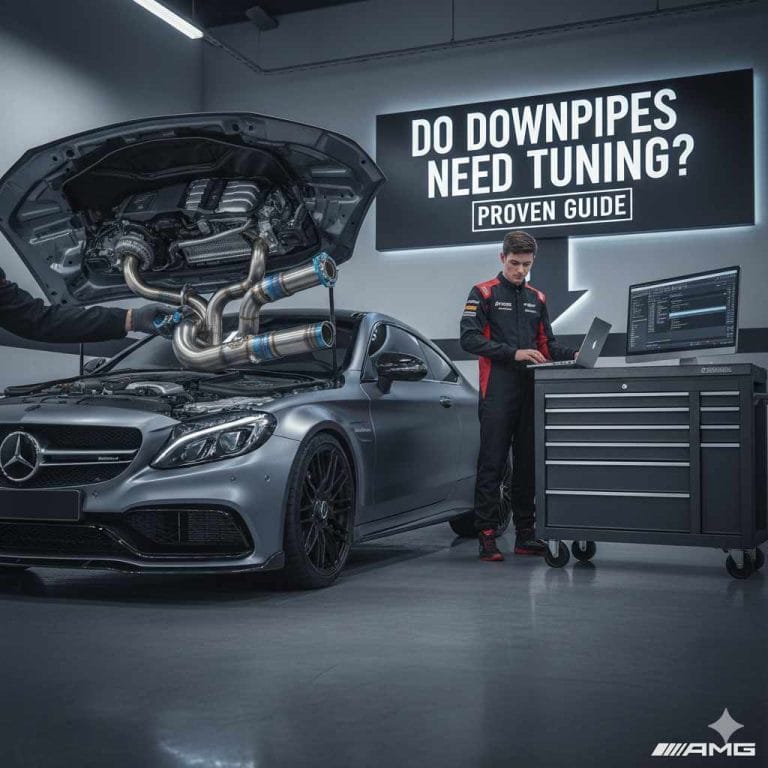
In simple terms, a downpipe is a crucial component in a turbocharged vehicle’s exhaust system. It’s the pipe that connects the turbocharger’s exhaust outlet to the rest of the exhaust, usually leading to the catalytic converter and then the muffler. For naturally aspirated (non-turbo) engines, a similar, though less common, part might be referred to in its place, often as part of the exhaust manifold system.
Why is it called a “downpipe”? Because it typically angles downwards from the turbo or manifold. Its design can significantly influence how quickly exhaust gases can escape the engine and turbo. This, in turn, can affect turbo spool time, engine performance, and even the sound of your exhaust.
Why Do People Modify Downpipes?
Enthusiasts often look to upgrade their downpipes for a few main reasons:
- Performance Boost: Aftermarket downpipes are often designed with a larger diameter and smoother bends. This allows exhaust gases to flow more freely, which can help the turbocharger spin up faster (spool) and reduce backpressure. A less restricted flow can contribute to more horsepower and torque.
- Improved Sound: Different downpipe designs, especially those without a catalytic converter (a “catless” downpipe), can alter the exhaust note, making it deeper or louder.
- Weight Reduction: Some performance downpipes are made from lighter materials than stock parts.
However, these modifications bring us back to the big question: Are they legal in Virginia?
Virginia Laws Regarding Vehicle Modifications and Emissions
Virginia has specific laws and regulations that govern vehicle modifications, particularly those affecting emissions and noise. Understanding these is key to staying compliant.
The primary governing body for emissions testing in Virginia is the Department of Motor Vehicles (DMV). Virginia operates an emissions inspection program in certainnorthern counties and cities. If you live in one of these areas, your vehicle will be subject to regular emissions testing.
The laws are designed to ensure that vehicles on the road meet certain environmental standards. This means that modifications that significantly increase pollution output are generally not allowed. The Virginia Department of Environmental Quality (DEQ) also plays a role in setting and enforcing these standards.
Virginia’s Emissions Control Laws
Virginia adheres to the Clean Air Act, which is the federal law governing air pollution. For vehicles, this means that any modifications to emissions control systems are heavily scrutinized.
Key Points to Consider:
- Catalytic Converters: The catalytic converter is a vital part of your emissions control system. It converts harmful exhaust gases into less harmful ones. Tampering with, removing, or replacing a catalytic converter with a non-compliant one is illegal in Virginia. Many aftermarket downpipes are designed to work with the OEM (Original Equipment Manufacturer) catalytic converter or include a high-flow catalytic converter that is still EPA-approved.
- Tampering with Emissions Equipment: Virginia law, as outlined in the Virginia Code § 46.2-1094, prohibits the removal, alteration, or disabling of any device or element of design that is installed on or in a motor vehicle in compliance with regulations issued pursuant to Title II of the Clean Air Act. This directly applies to emissions control devices.
- Aftermarket Parts: When choosing aftermarket parts, especially downpipes, it’s crucial to ensure they are designed to be emissions-compliant and do not render your vehicle in violation of federal and state clean air laws. Some aftermarket downpipes are designed to be “direct bolt-on” replacements that retain the factory catalytic converter or use a CARB (California Air Resources Board) compliant high-flow cat.
Noise Pollution Regulations
Beyond emissions, Virginia also has regulations concerning vehicle noise. While not directly related to emissions, a modified downpipe (especially a catless or muffler delete) can significantly increase exhaust noise.
Virginia law, such as Virginia Code § 46.2-1060, addresses exhaust systems. It generally requires that exhaust systems be in good working order and equipped with mufflers to prevent excessive, raucous, or unusual noise. What constitutes “excessive” can be subject to enforcement discretion, but a drastically louder exhaust is more likely to draw attention and potential penalties.
Are Downpipes Legal in Virginia in Practice?
This is where understanding the nuance comes in. For most car owners in Virginia, the answer is generally yes, with important caveats.
Crucial Factors for Legality in Virginia:
- Emissions Compliance: The most significant factor is whether the downpipe allows your vehicle to meet the emissions standards required by Virginia law. This typically means keeping the catalytic converter functional and compliant.
- Location: Virginia’s emissions inspection program is confined to specific Northern Virginia counties and cities (Arlington, Fairfax, Loudoun, Prince William, and Stafford counties, and the cities of Alexandria, Fairfax, Manassas, Manassas Park, and Fredericksburg). If you reside and register your vehicle in these areas, you are subject to emissions inspections. Vehicles registered elsewhere in Virginia are generally not subject to mandatory emissions testing, though they are still required to comply with anti-tampering laws.
- Type of Downpipe: A “catless” downpipe, which removes the catalytic converter, is almost certainly illegal for on-road use in Virginia, especially in emissions-tested areas, as it directly violates anti-tampering laws. A downpipe that replaces the factory catalytic converter with one that is EPA-certified or CARB-compliant (which often exceeds federal standards and is thus acceptable in Virginia) may be permissible.
For vehicles registered outside the mandated inspection areas, the legal landscape is less about passing a test and more about avoiding tickets for tampering or excessive noise. While you might not get an immediate emissions failure, law enforcement can still issue citations if they determine the modified system violates noise or anti-tampering laws.
Emissions Testing and Downpipes
If you live in an area requiring emissions testing, a faulty or removed catalytic converter (often associated with a catless downpipe) is a guaranteed failure. Even a high-flow, non-OEM catalytic converter might cause issues if it doesn’t meet specific OBD-II (On-Board Diagnostics) readings or isn’t certified by the EPA for use as a replacement.