Are Denso Oxygen Sensors Mopar OEM: Unveiling the Truth
Have you ever found yourself tangled in the web of auto parts terminology, trying to decipher which components are truly original equipment manufacturer (OEM) and which are not? When it comes to your vehicle’s performance, understanding this can save you time, money, and potential headaches.
If you’ve landed here, you’re likely questioning whether Denso oxygen sensors are considered Mopar OEM parts. This detail might seem minor, but it can have significant implications for your vehicle’s longevity and efficiency. We’ll unravel this mystery for you, providing clarity and confidence in your next car maintenance decision.
Stick around to discover what truly makes an OEM part and why it matters to you.
Denso And Mopar: Brand Overview
Denso and Mopar are renowned brands in the automotive industry. Both have established themselves with quality and innovation. In this section, we will explore their histories and contributions. Understanding these brands helps in making informed decisions about car parts.
Denso: A Global Leader In Automotive Parts
Denso is a Japanese company known worldwide. It was founded in 1949 and specializes in automotive components. Denso is famous for its high-quality oxygen sensors. These sensors help improve fuel efficiency and reduce emissions. Denso’s commitment to innovation sets it apart in the industry. Their products are trusted by many car manufacturers globally.
Mopar: The Iconic Chrysler Brand
Mopar stands for “Motor Parts” and is part of the Chrysler brand. Established in 1937, it provides genuine parts for Chrysler vehicles. Mopar is synonymous with reliability and performance. It offers a range of parts, including oxygen sensors. Mopar parts are specifically designed for Chrysler models, ensuring compatibility and quality.
Denso And Mopar Collaboration
Denso supplies oxygen sensors that are compatible with Mopar vehicles. This collaboration ensures that Chrysler vehicles maintain optimal performance. Denso sensors in Mopar vehicles enhance efficiency and reduce emissions. Car owners trust this partnership for reliable vehicle maintenance.
Oxygen Sensors: Functionality
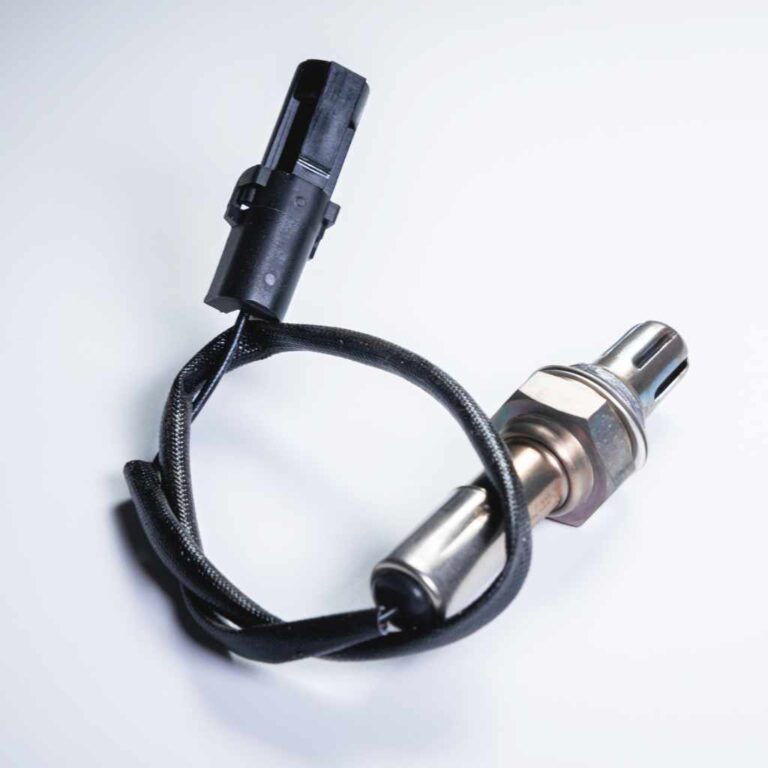
Oxygen sensors play a vital role in modern vehicles. They monitor the oxygen levels in exhaust gases. This information helps the engine control system adjust fuel injection. Efficient fuel management boosts performance and reduces emissions.
Role In Vehicle Performance
Oxygen sensors help engines run smoothly. They ensure the right air-fuel mixture. This balance enhances acceleration and fuel economy. Without proper sensor function, engines may misfire or stall. Regular checks keep your vehicle’s performance optimal.
Importance In Emission Control
Oxygen sensors reduce harmful emissions. They help maintain strict environmental standards. By monitoring oxygen levels, sensors ensure clean combustion. This reduces pollutants like carbon monoxide. Healthy sensors help keep the air cleaner.
Oem Parts: Definition And Significance
OEM stands for Original Equipment Manufacturer. It refers to parts made by the original producer of a vehicle. These parts fit and function the same as factory-installed components. They ensure your vehicle maintains its original performance and safety standards.
OEM parts, like Denso oxygen sensors, are crucial in the automotive industry. They ensure your car runs smoothly and efficiently. Choosing OEM parts can prevent unnecessary repairs and costs. Let’s explore what makes a part OEM and the advantages they offer.
What Makes A Part Oem
OEM parts are created by the same company that made your car. They are designed to match the exact specifications of your vehicle. This guarantees a perfect fit and optimal performance. OEM parts are often more reliable than aftermarket options.
Manufacturers rigorously test OEM parts for quality and durability. This ensures they meet the high standards set by the original car maker. Using OEM parts helps maintain the integrity and value of your vehicle.
Advantages Of Oem Components
OEM components offer several benefits. First, they ensure compatibility with your vehicle. This reduces the risk of installation issues or malfunctions. Second, they come with a warranty from the manufacturer. This provides peace of mind and potential savings on repairs.
OEM parts are also more durable and reliable. They maintain the performance and safety of your vehicle. Using OEM components can extend the lifespan of your car. This makes them a wise investment for any car owner.
In summary, OEM parts like Denso oxygen sensors are essential. They ensure your vehicle runs at its best. Choosing OEM parts helps protect your investment and ensures reliability.

Denso Oxygen Sensors: Features And Benefits
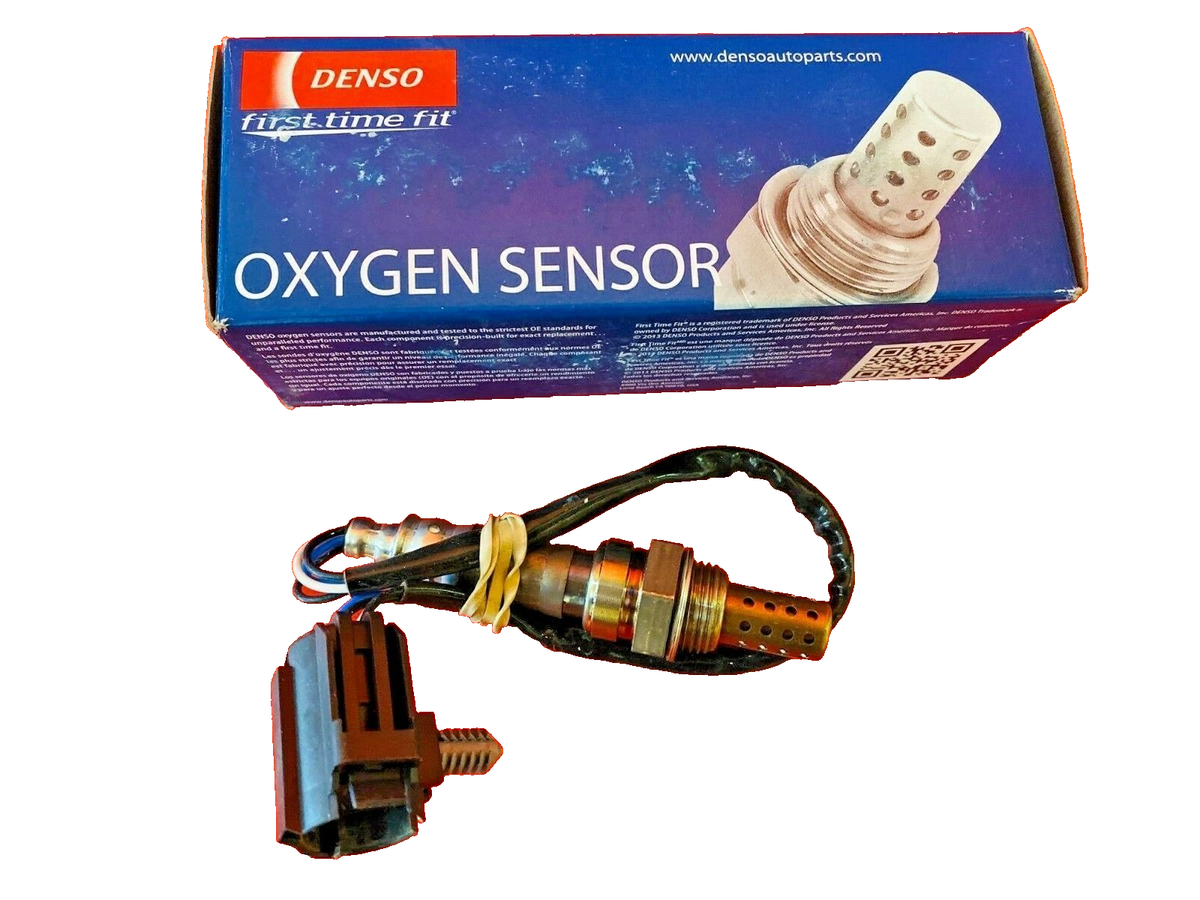
Denso oxygen sensors are renowned for their precision and efficiency. These components play a vital role in the vehicle’s exhaust system. They help maintain optimal engine performance by monitoring oxygen levels. Choosing Denso means opting for advanced technology and reliability.
Technological Innovations
Denso integrates cutting-edge technology in their oxygen sensors. Each sensor ensures accurate readings through advanced ceramic materials. This technology reduces emissions and improves fuel efficiency. Denso sensors also feature a fast response time. This quick reaction helps in real-time engine adjustments.
Reliability And Durability
Durability is a hallmark of Denso oxygen sensors. They withstand extreme temperatures and harsh conditions. This resilience ensures long-lasting performance and fewer replacements. Reliability is another key benefit. Denso sensors maintain consistent performance over time. This consistency ensures optimal engine functionality.
Mopar Oem Parts: Compatibility And Quality
Mopar OEM parts are known for their compatibility and quality. Many car owners trust these parts to keep their vehicles running smoothly. But why choose Mopar OEM parts? Understanding their standards and compatibility can help you make an informed decision.
Mopar’s Oem Standards
Mopar follows strict standards to ensure quality. Their parts undergo rigorous testing. This guarantees they meet high industry standards. Durability is a key focus. Mopar parts are made to last. They use quality materials to ensure strength. Every part is crafted to fit perfectly.
Precision in manufacturing is crucial. Mopar parts are designed to match original specifications. This ensures they function correctly. The attention to detail is unmatched. Mopar takes pride in their commitment to excellence.
Compatibility With Various Brands
Mopar OEM parts are not limited to one brand. They are compatible with various vehicle brands. This versatility makes them a popular choice. Denso oxygen sensors, for example, fit seamlessly into Mopar systems. This ensures your car runs efficiently.
Many brands benefit from Mopar parts. Their compatibility expands options for car owners. Mopar’s wide range allows flexibility in maintenance. Choose Mopar for reliable, quality parts that fit many vehicles.

Comparing Denso And Mopar Oxygen Sensors
Deciding between Denso and Mopar oxygen sensors can be a bit like picking a favorite ice cream flavor. Both options have their unique strengths, but the best choice depends on what you value more in an oxygen sensor. Whether it’s reliability or performance, each brand offers something distinct. Let’s break down the comparison, focusing on what matters most to you.
Performance Metrics
Performance is a key factor in choosing the right oxygen sensor. Denso sensors are renowned for their precision and durability. They boast advanced technology that ensures your vehicle runs smoothly. On the other hand, Mopar sensors, designed specifically for Chrysler, Dodge, Jeep, and Ram vehicles, promise compatibility and optimal performance.
Think about how your vehicle responds on the road. Does it accelerate smoothly? Are fuel consumption rates as expected? Denso’s cutting-edge designs might offer an edge in some scenarios, especially if you are driving a non-Mopar vehicle. However, if you’re a Mopar loyalist, their OEM sensors are crafted to sync perfectly with your car’s system, ensuring reliable performance.
Customer Reviews And Feedback
Customer reviews provide invaluable insight into the real-world performance of these sensors. Many drivers swear by Denso for its longevity and consistency. Stories of Denso sensors lasting over 100,000 miles are not uncommon, making them a favorite for those who prioritize long-term reliability.
Mopar enthusiasts, however, often highlight the seamless integration of Mopar sensors with their vehicles. They appreciate the peace of mind that comes with using OEM parts, noting fewer issues and better overall performance. You might find Mopar sensors a worthwhile investment if you drive one of their vehicles and value simplicity and compatibility.
Have you ever had a repair that didn’t quite fix the problem, leaving you frustrated? Choosing the right sensor can prevent such headaches. Consider what reviews say about installation ease and compatibility. Are you ready to make an informed choice that suits your needs?
Ultimately, your choice between Denso and Mopar comes down to balancing performance and compatibility. Whether you’re prioritizing cutting-edge technology or a perfect fit for your vehicle, understanding customer experiences and performance metrics can guide you to the right decision.
Market Perception: Denso As Mopar Oem
When it comes to the automotive industry, the perception of Denso oxygen sensors as Mopar OEM (Original Equipment Manufacturer) parts is quite interesting. Many car enthusiasts often wonder about the quality and compatibility of these components. Understanding how the market views Denso’s role as a Mopar OEM can help you make informed decisions for your vehicle.
Industry Views
In the automotive world, Denso is recognized as a reputable brand known for its high-quality parts. Industry experts often view Denso’s collaboration with Mopar as a strategic move that ensures top-notch performance. They believe that Denso’s engineering expertise complements Mopar’s robust standards, providing you with reliable and efficient oxygen sensors.
However, some critics argue about brand loyalty. They suggest that Mopar should focus solely on in-house manufacturing. Despite this, the prevailing sentiment is that such collaborations enhance product offerings and improve customer satisfaction.
Consumer Insights
As a consumer, you might have wondered whether Denso oxygen sensors are worth your investment. Many car owners share positive experiences, emphasizing the sensors’ longevity and precise fit. These testimonials often highlight improved fuel efficiency and reduced emissions, reflecting Denso’s commitment to quality.
On the flip side, some consumers express concerns about price. They feel that OEM parts, including those from Denso, can be slightly more expensive. Yet, the consensus is that the performance benefits outweigh the cost, leading to long-term savings.
Have you ever experienced any difference in performance after installing a Denso oxygen sensor? Your insights could add valuable perspectives to this ongoing discussion. As you consider your options, remember that informed decisions are key to maintaining your vehicle’s health.
Final Verdict: Denso Oxygen Sensors And Mopar
Denso oxygen sensors are not Mopar OEM, but they are known for reliability and compatibility with many vehicles. Mopar parts are typically original equipment for Chrysler, Dodge, Jeep, and Ram vehicles, making them distinct from Denso products. Users appreciate Denso’s performance, though Mopar remains the go-to for genuine parts.
Final Verdict: Denso Oxygen Sensors and Mopar Choosing the right oxygen sensor for your vehicle can feel daunting. You want reliability and performance without breaking the bank. So, how do Denso Oxygen Sensors stack up against Mopar OEM? Let’s dive into the details and find out.
Analysis Of Evidence
Denso Oxygen Sensors are known for their precision and durability. Many users report smoother engine performance after installation. In contrast, Mopar OEM sensors are the go-to for Chrysler, Dodge, and Jeep vehicles. They ensure compatibility and maintain warranty integrity. Both brands have a strong presence in the market. Each offers distinct advantages, making the decision heavily reliant on specific needs and preferences.
Expert Opinions
Automotive experts often praise Denso for its advanced technology and precise readings. This ensures your engine runs efficiently and reduces emissions. However, Mopar has its loyalists who swear by its perfect fit and factory-grade performance. If you drive a Chrysler or Jeep, Mopar is a safe bet. So, should you opt for Denso or Mopar? It depends on your vehicle’s brand, your budget, and how much you value OEM parts. Which matters more to you—advanced technology or brand consistency? Your answer could lead you to your ideal oxygen sensor.
Frequently Asked Questions
Are Denso Oxygen Sensors Compatible With Mopar?
Yes, Denso oxygen sensors can be compatible with Mopar vehicles. They are high-quality and widely used in the automotive industry. However, always verify compatibility with your specific vehicle model to ensure proper fit and function. It’s crucial to maintain vehicle performance and efficiency.
What Makes Denso Sensors Reliable For Mopar?
Denso sensors are known for their precision and durability. They offer accurate readings essential for engine performance. Their high-quality construction ensures long-lasting service. Denso’s reputation for innovation and reliability makes them a preferred choice for many vehicle brands, including Mopar.
How Do Denso Sensors Improve Vehicle Performance?
Denso sensors help optimize the air-fuel ratio. This enhances engine efficiency and reduces emissions. By providing accurate data, they ensure the engine runs smoothly. Improved performance and fuel economy are key benefits of using Denso sensors in your vehicle.
Why Choose Oem Sensors Over Aftermarket Ones?
OEM sensors, like those from Denso, are designed for specific vehicle models. They ensure perfect fit and function. Aftermarket sensors may not meet the same quality standards, potentially affecting performance. Choosing OEM guarantees compatibility and reliability, maintaining vehicle efficiency.
Conclusion
Denso oxygen sensors can fit Mopar vehicles. They offer reliable performance. Many car enthusiasts trust Denso for quality. But, ensure compatibility with your model. Check your vehicle’s specifications first. Proper fit ensures optimal engine function. Choosing the right sensor means better fuel efficiency.
It also helps reduce emissions. Always consult with a professional if unsure. This can prevent costly mistakes. Your car deserves the best care. A well-chosen sensor supports longevity. Invest time in making the right choice. Your engine will thank you.