Is a Muffler Delete Worth It? Cost, Noise, and Laws
A muffler delete is worth it only if louder exhaust sound is your main goal, you can tolerate drone, and you do not need a quiet, inspection-friendly street car. Done poorly, it can make daily driving tiring, draw tickets, and add little usable performance. This guide covers sound, drone, legality, cost, and better alternatives so you can decide quickly.
Muffler delete decision guide
A muffler delete is the right call only when louder sound matters most and you can accept the tradeoffs in comfort and legality. For a daily driver, the usual answer is no. For a weekend toy, track car, or off-road build, it can make sense if drone and compliance risks are acceptable.
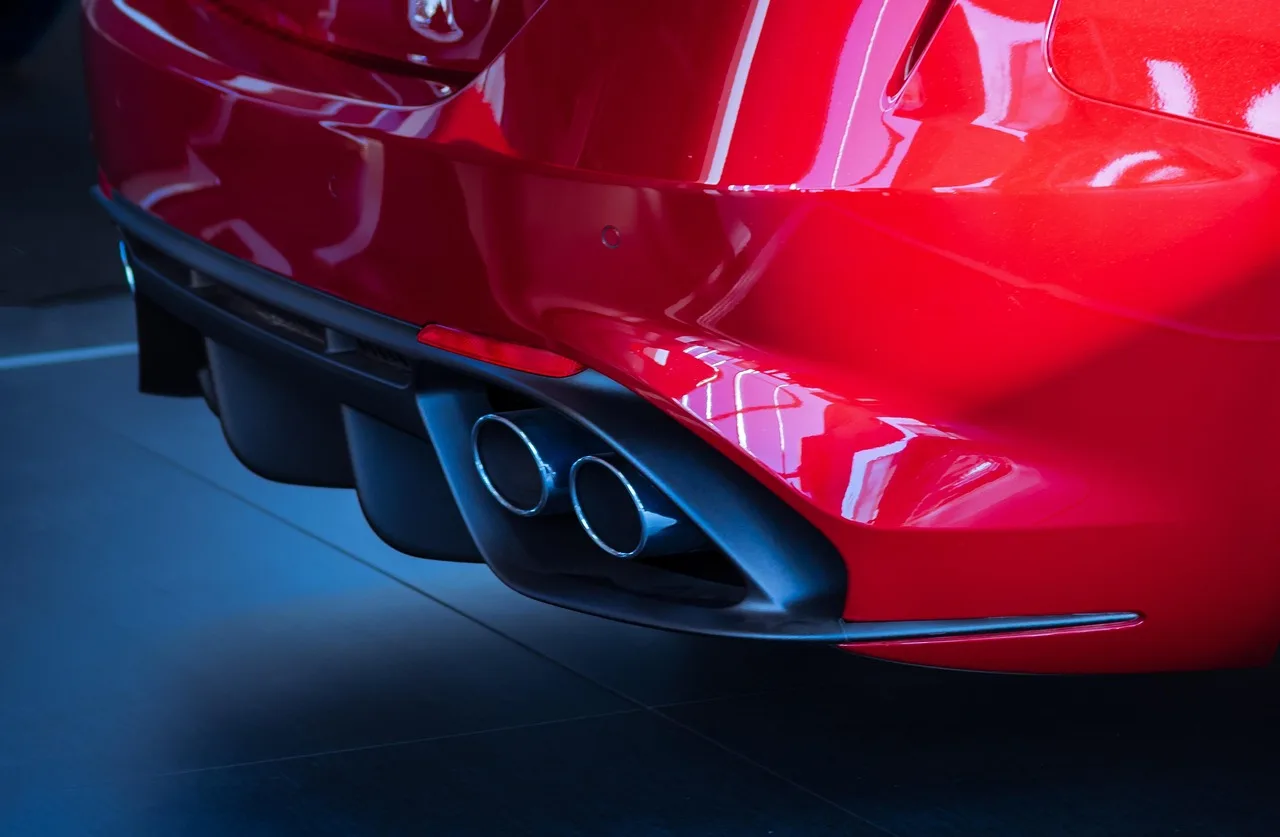
A muffler delete removes the factory muffler and replaces it with straight pipe or replacement tubing. The muffler sits near the tailpipe and uses chambers and baffles to cut engine noise. Removing it usually changes exhaust volume and tone right away.
What a muffler delete changes
Expect more exhaust volume, a sharper tone, and a stronger presence at light throttle. The sound change is vehicle-specific, though. Some cars become deeper and more purposeful, while others turn thin, harsh, or boomy at cruise.
What does not change is just as important. A muffler delete does not remove emissions equipment by itself. Catalytic converters, oxygen sensors, and other emissions parts remain unless they are removed separately, which is a different and more serious issue.
When the trade-off makes sense
It makes the most sense on vehicles that are not expected to be quiet, refined, or fully street-compliant. If the car is mostly for fun drives, off-road use, or occasional events, the noise trade-off may be acceptable. If the car must commute, idle in traffic, and pass local checks, the downside grows fast.
Say your coupe already has a loud intake, a short exhaust, and little rear sound insulation. A muffler delete may push it past “fun” into “drone-prone,” especially at steady highway speed. The same modification on a weekend car may feel fine because comfort matters less.
When it does not
It is usually a poor value for a daily driver. Cabin drone, noise citations, and inspection issues can outweigh the novelty of a louder exhaust. If the goal is a better driving experience, a resonator change or a quieter cat-back setup is often the smarter path.
How a muffler delete works
A muffler delete changes the exhaust path by removing the muffler and putting in straight pipe or replacement tubing. That leaves fewer sound-damping surfaces in the system. The result is louder exhaust output, less filtering of sharp pulses, and often a more abrupt tone on acceleration.
What the muffler does
The muffler is there to cut engine noise. It uses chambers and baffles to disrupt and absorb sound waves before they reach the tailpipe. Because it sits near the end of the exhaust system, it has a major effect on what you hear outside and inside the cabin.
Some mufflers also influence backpressure. That does not mean a stock muffler is “good” or “bad” by itself; it means the part is part of the whole exhaust design. Remove it, and the engine may breathe differently depending on the vehicle.
Straight pipe versus replacement tubing
In practice, the delete can be done by cutting the muffler out or unfastening it where the system allows. Straight pipe usually means a direct replacement section with no muffler body. Replacement tubing does the same job while matching the exhaust routing more cleanly.
For some vehicles, a proper replacement section avoids rattles and fitment issues better than a rough cut-and-weld job. For others, the fit is simple either way. The final result still comes down to sound, legality, and how the rest of the exhaust is tuned.
How exhaust flow and backpressure can change
Exhaust flow may improve slightly after a muffler delete, but that is not the same as a guaranteed power gain. Backpressure may decrease, and that can affect low-end torque on some cars. On modern street vehicles, the tradeoff is often more noise than measurable performance.
A common first-timer mistake is assuming less restriction always means better drivability. A turbo hatchback, for example, may sound louder and freer, yet feel less pleasant below midrange if the rest of the exhaust was designed around the original muffler.
Will it sound better or just louder?
Usually, both happen. A muffler delete raises volume and changes tone, but “better” is subjective and depends on the engine, exhaust size, and whether the rest of the system was tuned for noise control. Some cars gain a deeper note; others become raspy or hollow.
Tone change by vehicle type
On naturally aspirated cars, the change often sounds more direct and raw. On turbocharged cars, the turbo itself already dampens some noise, so the delete may produce more whoosh and bark than a dramatic volume jump. V-6s and small-displacement four-cylinders can be the least predictable.
One competitor says the delete can slightly improve exhaust flow, while another says it adds almost zero horsepower. Those two claims are not actually in conflict. Better flow can exist without a meaningful seat-of-the-pants gain.
Cabin drone and steady-speed buzzing
Cabin drone is the deep buzzing you feel at steady RPM. One competitor notes it often shows up around 2000 RPM, and that is exactly why many drivers regret the mod after the first highway trip. Drone is not just noise; it is fatigue, conversation loss, and long-drive annoyance.
If a car drones at 2000 RPM in top gear, highway cruising becomes tiring fast. The effect is worse in hatchbacks, sedans with thin rear insulation, and cars with short exhaust paths. A resonator can sometimes reduce that resonance without putting the muffler back in place.
Why some cars sound worse than expected
Sound quality depends on exhaust length, pipe diameter, engine firing pattern, and rear body shape. A delete on one platform can sound deep and clean, while the same change on another can create a tinny rasp or a loud boom at a narrow speed band. That is why clips online are a poor predictor.
Suppose a turbo sedan sounds great at idle after a delete. Then it hits a steady 60 mph cruise and fills the cabin with a low-frequency hum. That same car may be acceptable for short back-road drives and miserable for commuting.
Muffler delete cost
The cost can be low or surprisingly high, depending on parts, labor, and how easily the system can be returned to stock. One listicle says it can be a very cheap modification and that a shop can finish it in about one hour. Another estimates the total can exceed $300 including labor.
Parts and labor
Basic parts are usually just tubing, clamps, or weld-in sections. The labor cost depends on whether the shop needs to cut, weld, align hangers, or fabricate a clean replacement section. Rust, cramped underbody packaging, and unusual exhaust routing all add time.
The price also changes with vehicle type. A simple rear muffler replacement on an older car may be quick. A newer car with tight packaging and sensors near the rear section may take longer to fit properly and avoid rattles.
DIY removal versus shop work
DIY can save money if the owner has the tools and the car has an easy-to-remove rear section. The risk is uneven cuts, poor hanger alignment, and exhaust leaks. A shop is usually faster and cleaner, but labor can erase the “cheap mod” appeal.
Cost to return to stock
Reverting matters because many owners end up wanting the muffler back. If the original muffler was cut out and discarded, returning to stock may require buying a replacement muffler, clamps, and possibly another labor bill. That reversion cost should be part of the decision from the start.
Muffler delete legality
Legality depends on state and local rules, and noise compliance is separate from emissions compliance. A muffler delete may trigger citations or fix-it tickets in some places, particularly for street-driven vehicles. It does not remove emissions equipment by itself, but it can still violate local noise rules.
Noise laws and local rules
Some areas care about whether the vehicle still has a muffler. Others focus on measured noise or whether the vehicle is plainly too loud. That means a setup may be fine in one county and illegal in the next. Street use is where the risk usually lives.
Fix-it tickets and inspection risk
Even where officers do not stop every loud car, a muffler delete can make a vehicle more noticeable. That raises the chance of a ticket or an inspection failure if the local rules require a muffler or enforce sound limits. A loud exhaust can also complicate selling the car later.
Emissions rules versus noise rules
Do not treat the two as the same problem. A muffler delete changes sound control, not catalytic conversion. That means a car may still be emissions-compliant in one sense while failing noise or equipment rules in another. Modern cars may also store faults if the exhaust change affects sensor behavior.
Muffler delete value matrix
This table helps separate vehicle use from the modification’s actual value. The same muffler delete can be acceptable on one build and a bad idea on another. The key is whether sound matters more than comfort, legality, and long-term livability.
| Use case | Sound gain | Drone risk | Legality risk | Comfort loss | Likely value-for-money |
|---|---|---|---|---|---|
| Daily driver | Medium to high | High | High | High | Poor |
| Weekend car | High | Medium | Medium | Medium | Moderate |
| Track-only | High | Low | Low | Low | Good |
| Turbocharged car | Medium | Medium to high | Medium | Medium to high | Mixed |
For daily use, the table leans against the mod because drone and legality risks are too high. For a weekend car, the decision becomes personal. For track-only use, the sound benefit can outweigh comfort concerns. Turbo cars sit in the middle because the result depends heavily on the rest of the exhaust.
Is a turbo muffler delete worth it?
A turbo muffler delete is usually about sound, not guaranteed power. On some turbo cars it can sharpen the exhaust note and let turbo noise come through more clearly, but the effect depends on turbo size, downpipe design, resonators, and ECU calibration. It is rarely a free horsepower mod.
Sound gain versus power gain
Turbocharged systems already use the turbine to disturb exhaust pulses, so the muffler delete may not transform the car as much as owners expect. One gas-mileage article claims a muffler delete may increase horsepower by 2-5% in some vehicles, but that is not a promise you can apply across the board. Vehicle-specific evidence matters.
Does a turbo muffler delete make sense? Only if sound is the main goal and you accept that the result may be small on a car that already has strong exhaust restriction elsewhere.
Modern ECU and Check Engine light risk
Some modern cars may trigger a Check Engine light after exhaust changes, especially where ECM or O2 sensor behavior is sensitive to flow and pressure differences. One competitor specifically notes that a muffler delete may trigger a Check Engine light on modern vehicles. That does not happen on every car, but the risk is real enough to consider.
When a resonator is the better fix
If the car drones, a resonator is often the better fix. Resonators are used to manage drone and resonance without making the exhaust silent. They can be a smarter middle ground when you want more sound than stock but less cabin buzz than a straight muffler delete.
Muffler delete vs straight pipe
A muffler delete removes the rear muffler and leaves the rest of the exhaust in place. A straight pipe setup usually removes more of the sound control, sometimes including additional sections. Straight pipe is typically louder, less refined, and more likely to create drone and legal trouble.
What each setup removes
With a muffler delete, you are mainly removing the last major noise-damping part near the tailpipe. With a straight pipe setup, the exhaust path may lose even more damping and restriction. That often turns a loud car into a much louder one, with fewer compromises for noise control.
How each affects drone and legality
Both can trigger drone, but straight pipe is usually the worse offender. Both can also raise legality risk in street use. If your local rules are strict, neither option is a great fit for a daily-driven car.
Why a resonator can split the difference
A resonator can keep some volume while reducing resonance that causes cabin buzz. For a driver who wants better sound without the full downside of a delete, that middle path often makes more sense. It is not as loud, but it is usually easier to live with.
Frequently asked questions
Is a muffler delete worth it?
It is worth it only if louder sound matters more than comfort, legal simplicity, and long-trip drivability. For a daily driver, the trade usually looks bad. For a weekend car, track build, or off-road use, it can be worth considering if drone and inspection risk are acceptable.
Is a turbo muffler delete worth it: usually, only?
Usually, only for sound. A turbo muffler delete may change tone and volume, but it is not a guaranteed power upgrade. On some cars it can also bring drone or a Check Engine light, so it makes more sense when the goal is auditory character rather than performance.
Is a muffler delete bad?
It can be bad for the wrong use case. On a commuter, it often creates drone, more noise, and possible legal trouble without meaningful performance gain. On a track-only or enthusiast-only car, it may be a reasonable trade if the owner wants the louder exhaust note.
What are the benefits of a muffler delete?
The main benefits are more volume, a sharper exhaust tone, and in some setups a small improvement in exhaust flow. Some drivers also value the lower parts cost compared with a full cat-back system. Those benefits matter most when sound is the priority and comfort is secondary.
Does a muffler delete increase horsepower?
Not in a reliable, vehicle-wide way. One page claims it adds almost zero horsepower, while another says it may increase horsepower by 2-5% in some vehicles. The honest answer is that any gain is highly vehicle-specific and often too small to justify the tradeoffs on a street car.
Will a muffler delete cause drone?
It often can, and that is one of the biggest downsides. Drone is the deep buzzing you notice at steady RPM, with one competitor noting it often shows up around 2000 RPM. If your driving includes highway cruising, assume drone is a serious possibility.