Exhaust Tape vs Clamp vs Weld for Leak Repair Guide
Use exhaust tape for very small pinholes in cooler, straight sections of pipe; a clamp can suit a clean crack or small gap where the pipe still holds its shape; welding is generally for a more permanent repair on sound metal. Wrong picks usually mean the leak returns, the joint warps, or you pay twice. This guide sorts tape, clamp, and weld by leak size, pipe condition, and heat zone.
This guide is part of our Exhaust leak diagnosis guide series.
Match Repair Method to Leak Size, Heat, and Pipe Condition
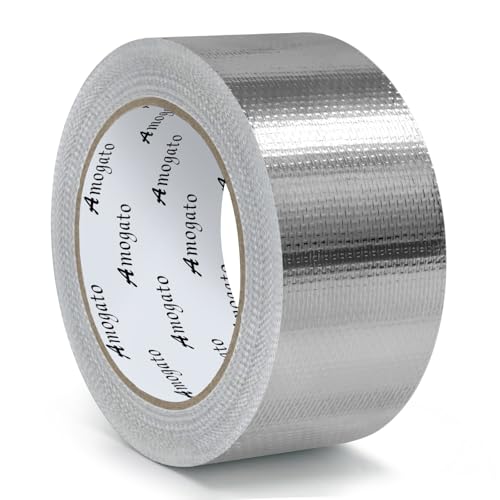


The trade-off is direct: tape is a short-term fix, clamps sit between temporary and permanent, and welding is the lasting option when the pipe is still healthy. Heat, rust, overlap length, and vibration can change that answer fast.
| Decision factor | Exhaust tape | Clamp vs weld for leak repair | Winner |
|---|---|---|---|
| Heat tolerance | Best in cool rear sections, not near the hottest zones | Clamp is usable in more zones; weld is the only fit for permanent hot-area repairs on sound pipe | Clamp vs weld for leak repair |
| Durability | Temporary | Clamp can be temporary or semi-permanent; weld is described as permanent | Clamp vs weld for leak repair |
| Removability | Removes easily, but usually as failed wrap | Band clamps and some V-band setups are easier to remove; weld is hard to undo | Clamp vs weld for leak repair |
| Fit on damaged pipe | Needs clean, stable, mostly intact surface | Clamp needs overlap, sleeve, or slip-fit support; weld needs thick enough, aligned metal | Clamp vs weld for leak repair |
| Best use case | Tiny pinhole on cool, straight pipe | Crack, seam split, overlap joint leak, or tailpipe repair with enough healthy metal | Tie |
Heat tolerance
Exhaust tape is weakest near the engine end of the system. The manifold and catalytic converter area are typically the hottest parts, so tape is usually better used farther back, if at all. Clamp repairs reach more areas because they do not depend on adhesive, while welding works only when the pipe can handle the heat without thinning or warping.
Durability
Temporary and permanent are not the same thing here. Tape is a stopgap, clamps can be temporary or semi-permanent, and welded joints are treated as permanent when the pipe is fit for it. If the leak sits in a stressed joint, durability matters more than a quick seal.
Removability
Clamps win for service work because you can remove them later; some band clamps are sold for easy removal, and V-band setups are built for service access. Tape does not give you a reusable joint. Welded pipe is the hardest to separate, which makes later exhaust work more expensive.
Fit on damaged pipe
Fit decides a lot. Clamps rely on even pressure around the joint, and they work best on slip-fit or butt connections with sleeves. Welding needs metal that is still thick enough to fuse cleanly; thin rust and bad alignment turn a repair into a weak spot.
Best use case
Tape wins only when the leak is tiny, the pipe is cool enough, and the wrap can sit on stable metal. Clamps and welding cover the repairs most drivers actually need, especially where the joint must survive heat cycles and engine movement. Say your tailpipe has a clean seam split 10 inches from the rear bumper: a clamp or sleeve repair is the practical middle ground. Say the crack is in a thin flange near the front of the system: welding may be the only repair worth paying for, if the pipe is still sound.
How leak location changes the repair
Location matters because exhaust temperature and access are not the same everywhere. The manifold and catalytic converter area are the hottest and usually the tightest to reach. Mid-pipe and muffler sections give you more room for sleeves and band clamps. Tailpipe and rear sections run cooler, but vibration and rust still punish weak repairs.
Manifold and catalytic converter area
This is the least forgiving zone for tape. Heat is highest here, and access is often poor, so a weak seal can fail fast. If a joint in this area needs repair, the pipe condition has to be good enough for a clamp or weld, and the repair must survive repeated heat cycles.
Mid-pipe and muffler
Mid-pipe and muffler sections are where clamp repairs make the most sense for DIY work. There is usually enough room for a sleeve, band clamp, or split clamp, and the pipe is often less heat-stressed than the front of the system. A sound overlap length matters here.
Tailpipe and rear sections
Tailpipe joints are cooler, so they are the best place for non-weld repairs to last. Rust and hanger movement still matter, though. A tailpipe that shakes because support is poor can open a marginal repair even if the clamp is tight.
Can exhaust tape fix a leak?
Exhaust tape may seal a very small pinhole in a cooler, straight section of pipe, but it is generally a temporary repair rather than a structural one. It stops being appropriate when the metal is hot, the joint moves, the rust is thin, or the gap opens under heat cycles. Near the manifold or catalytic converter, tape is the wrong tool.
Surface prep and adhesion
Tape needs a clean, dry surface. Soot, oil, flaky rust, and scale keep it from bonding or wrapping tightly enough to hold pressure. The pipe should be brushed to solid metal, and the wrap should cover enough sound pipe on both sides of the leak to stay put.
Failure modes
The common failures are predictable. A moving joint flexes and tears the wrap. Thin rust lets the leak grow under the tape. Heat cycles shrink and relax the material until the seal loosens. That is why tape is a stopgap, not a durable fix for rust holes or split seams.
Which exhaust clamp works best?
The best clamp depends on the joint, not just the leak. Band clamps seal more evenly than U-bolts, sleeve repairs help with overlap joints, split clamps can work where service access matters, and V-bands are best when alignment and repeat removal are priorities. Clamp choice changes the result a lot.
U-bolt clamp
U-bolt clamps are cheap and common, but they can crush and distort pipe if tightened too hard. That makes them a poor fit for thin-wall or heavily rusted sections. They are usually the least refined option when you need a clean seal.
Band clamp and sleeve repair
Band clamps work by spreading pressure more evenly around the joint, which is why they are better on slip-fit or butt connections with sleeves. Some band clamps are sold in multiple sizes, and some are advertised as stainless steel. A band clamp may be tightened to a specified torque range, and the key is even compression, not brute force.
Split clamp and V-band
Split clamps can suit serviceable sections where you want easier access than welding allows. V-band clamps are a stronger choice where alignment needs to stay precise and the connection may be removed later. Neither one fixes bad pipe fit, and neither one belongs on badly collapsed rust.
Tightening practice
Clamp repair depends on even pressure around the joint. Tighten gradually, keep the load even, and avoid crushing the pipe. After the first heat cycle, recheck the clamp because fresh metal settles and the joint can loosen slightly.
When should you weld instead of clamp an exhaust leak?
Weld instead of clamp when the pipe is structurally sound, well aligned, and worth making permanent. MIG and TIG are both common exhaust welding techniques, and welding fuses metal into one sealed piece. If the pipe is thin, badly rusted, or out of alignment, welding can create more problems than it solves.
MIG vs TIG
MIG is often the more practical choice for a straightforward exhaust patch because it is faster and more forgiving on routine steel work. TIG gives finer control and a cleaner bead, but it demands more skill and tighter prep. Either way, welding is a permanent method of joining exhaust pipes.
When the pipe is too damaged
Do not force welding on pipe with deep rust pitting, poor wall thickness, or a gap that cannot be brought into alignment. Heat-affected zones matter here: added heat can weaken already thin metal around the weld. If the pipe tears next to the repair, the weld did not solve the real problem.
Why welding beats clamping in some cases
Welded joints are permanent, and some exhaust joints are described that way for a reason. On a sound mid-pipe crack or flange area with enough metal left, welding gives the cleanest long-term result. It also avoids the service-life uncertainty that comes with a clamp on fatigued material.
Decision table: leak type, pipe condition, and repair choice
This table is the repair ladder. Match leak type, pipe condition, and exhaust zone before you pick tape, clamp, or weld. The rating tells you whether the repair is temporary, semi-permanent, or permanent, and the failure-risk note explains what usually goes wrong.
| Leak type | Pipe condition | Exhaust zone | Best repair | Rating | Failure-risk note |
|---|---|---|---|---|---|
| Pinhole | Solid wall, light surface rust, good support | Tailpipe or cool mid-pipe | Exhaust tape or small band clamp | Temporary | Tape can lift at the edge; clamp works only if the hole sits under enough intact metal |
| Seam split | Good wall thickness, straight alignment | Mid-pipe or muffler | Band clamp over sleeve | Semi-permanent | Split can reopen if the joint shifts or the sleeve is too short |
| Slip joint leak | Enough overlap length, moderate rust only | Mid-pipe or rear section | Band clamp or V-band if designed for it | Semi-permanent | Poor overlap or ovalized pipe breaks the seal |
| Rust hole | Thin wall, pitting present | Rear section only if the rest is healthy | Patch, sleeve, or replacement; clamp only if enough sound metal remains | Usually temporary | Thin metal can crumble under clamp load |
| Cracked flange | Sound surrounding pipe, good access | Front, mid, or rear depending on design | Weld, or replace the flange if badly damaged | Permanent if welded well | Heat and load can reopen the crack if the metal is too thin |
| Overlapped joint leak | Clear sleeve or overlap, stable alignment | Mid-pipe or tailpipe | Sleeve plus band clamp | Semi-permanent | Misalignment or short overlap lets exhaust bypass the seal |
How to read the table
If the leak sits in the hottest zone, the bar is highest. If the pipe is thin or badly pitted, clamp load can make the defect worse. If the overlap is long enough and the joint is stable, a sleeve and band clamp often give the best balance of serviceability and sealing.
Choose exhaust tape if… / Choose an exhaust clamp if… / Choose welding if…
Choose exhaust tape if the leak is tiny, the pipe is cool, the surface is clean, and you need a short-term stopgap on straight rear pipe. Choose an exhaust clamp if the pipe still holds shape, the joint can accept a sleeve or overlap, and you want a repair that can be removed later. Choose welding if the pipe is structurally sound, the leak is in a repairable section, and you want the most permanent result.
A common first-timer mistake is using tape on a joint that moves. That usually fails fast. Another is tightening a U-bolt until the pipe flattens, which creates a new leak beside the old one. A better path is to match the fix to the metal that is actually left.
Frequently asked questions
clamping exhaust vs welding
Clamping is the better choice when you need a removable repair, a lower-cost fix, or a joint you may service again later. Welding is better when the pipe is sound and you want a permanent seal. The deciding factor is not just price; it is whether the metal can accept a lasting joint.
Is exhaust tape good for a leak repair?
Exhaust tape is good only for tiny pinholes in cool, stable pipe. It is not a durable answer for rust holes, moving joints, or high-heat zones near the manifold or catalytic converter. Think of it as a stopgap that buys time, not a final repair on damaged metal.
Can a clamp permanently fix an exhaust leak?
A clamp can hold for a long time, and some repairs are treated as semi-permanent, but a clamp is not the same as a fused joint. It may last well on a clean sleeve or overlap repair, yet vibration, rust, and heat cycles can still loosen it. Permanent usually belongs to welds.
What type of exhaust clamp works best on a leak?
Band clamps are usually the best all-around choice for a leak on a slip-fit or sleeved joint because they apply more even pressure. U-bolts are cheaper but harsher on thin pipe. V-bands are best when the joint is designed for them and service removal matters.
How do I know if the pipe is too rusted to clamp?
If the pipe wall flakes, dents easily, or shows deep pitting around the leak, it may be too rusted for a clamp to hold. A clamp needs enough healthy metal to compress without crushing the tube. When the pipe no longer has reliable thickness or overlap, replacement or welding prep is the safer path.
Is exhaust tape safe near the manifold or catalytic converter?
No. That area runs hottest, and tape is not a good choice where temperatures are highest. The front of the exhaust also sees more thermal cycling and often less room to wrap properly. Use a more durable repair there, or replace the damaged section if the metal is compromised.
Do I need to cut the pipe to use a clamp repair?
Not always. Many clamp repairs work on existing slip-fit or overlap joints, and sleeve repairs can bridge a crack without cutting off the whole section. You may need to cut the pipe if the joint is badly rusted, misaligned, or too short to give the clamp enough healthy overlap.
Which repair lasts longest on a tailpipe joint?
On a healthy tailpipe joint, welding lasts longest because it fuses the metal into one sealed piece. If you want future removability, a properly fitted band clamp over a sleeve is the next best option. Tape is the shortest-lived choice and should stay in the temporary category.
Can I use a clamp and weld together on the same repair?
Yes, but only when the clamp is serving as a fit-up aid, a sleeve retainer, or part of a repair design that still leaves weldable metal exposed. Do not treat clamp pressure as a substitute for poor weld prep. If the pipe is too thin or badly rusted, combining methods will not rescue it.