Black Exhaust Tips vs Polished Tips: Maintenance Guide
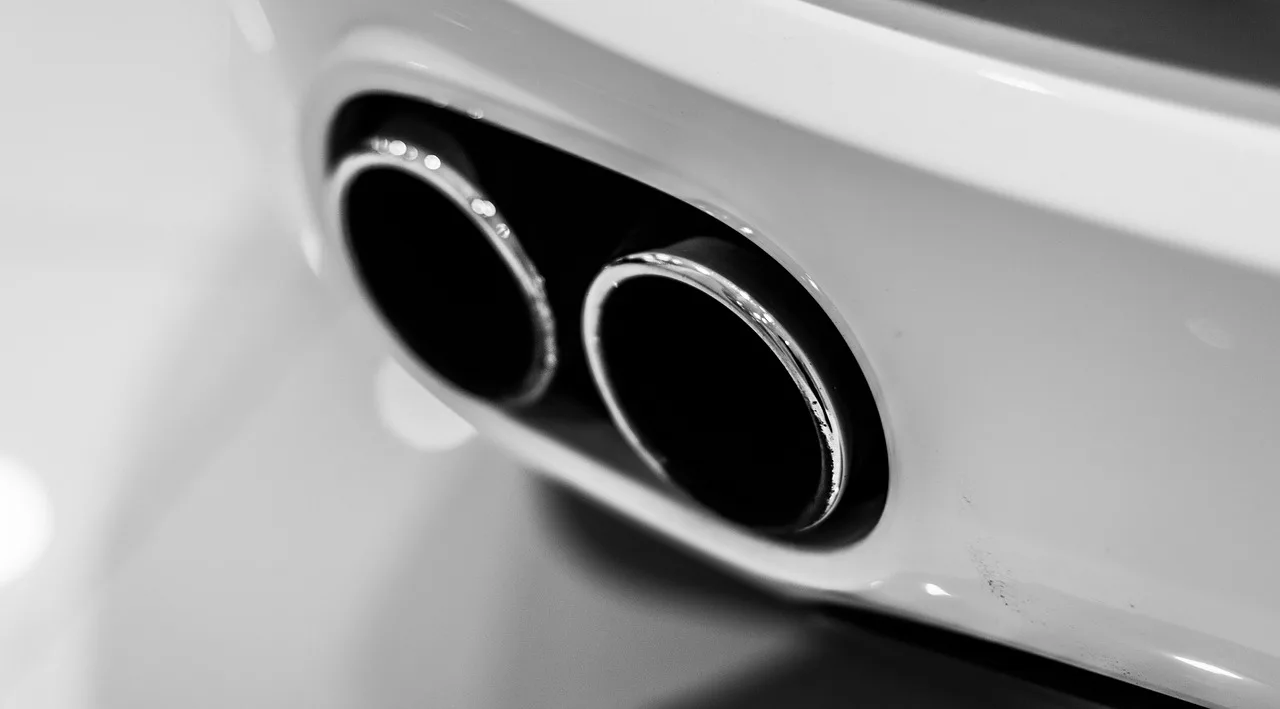
Black exhaust tips are usually easier to keep clean because soot and heat tint hide better on them, while polished tips need more frequent wiping to stay bright. Leave tip care alone and soot hardens, water spots stick, and scratches stand out fast. This guide compares black versus polished tips in a maintenance matrix for soot removal, water spots, scratch risk, and product compatibility.
| Decision factor | Black exhaust tips | polished tips | Winner |
|---|---|---|---|
| Routine cleaning frequency | Usually lower; soot and light heat tint are less obvious | Usually higher; fingerprints, haze, and water spots show quickly | Black exhaust tips |
| Safe cleaners | Mild soap, diluted APC, soft detailing brush; finish-dependent on coated or PVD tips | Soap, microfiber, non-abrasive metal polish for stainless or chrome-like surfaces | Tie |
| Unsafe products | Abrasives, harsh solvents, polishing compounds on coated black finishes, aggressive pads | Heavy abrasives, steel wool, harsh acids, anything that leaves fine swirls | Tie |
| Visible defect risk | Scuffs, chips, fading, and peel are easier to hide at first but coating damage can spread visually | Swirls, fingerprints, and water spots are easy to see; scratches stand out in sunlight | Black exhaust tips |
| Heat-related failure risk | Higher on painted, powder-coated, and some PVD finishes if exhaust temps repeatedly run hot | Lower on bare stainless, but heat tint can still form and need polishing | polished tips |
Black exhaust tips vs polished tips: which is easier to maintain?


Black exhaust tips are often easier to maintain because they tend to hide soot, light staining, and mild heat tint better than polished tips. Polished tips often need more frequent wiping to stay bright, especially on daily drivers and diesel setups. The trade-off is simple: black hides dirt longer, while polished shows everything sooner.
The short answer by cleaning workload
If you want the lowest visible-cleaning burden, black is the easier finish. If you want a bright, reflective look, polished tips are easier to restore after light soil, but they ask for more frequent attention to keep that look. The finish choice changes what “dirty” looks like, not whether dirt forms.
Where the trade-off changes: soot, water spots, and scratch risk
Soot is less obvious on black-coated or black-chrome tips, but water spots still leave marks on gloss black and any smooth coated surface. Polished stainless or chrome-like tips are more likely to show fingerprints, mineral spots, and swirl marks, which means the maintenance is more visible even when the underlying metal is fine.
How each finish behaves after daily driving
Daily driving exposes tips to soot, condensation, road film, and repeated heat cycling. Black finishes tend to hide this buildup better, while polished finishes keep their mirror look only if they are wiped and dried more often. The base material matters too, because stainless steel resists corrosion far better than mild steel.
Black exhaust tips: soot visibility and spot behavior
Black exhaust tips, especially matte black and black chrome, hide soot better than polished metal. Gloss black and PVD black can still show water spotting, though, and those spots become more obvious if minerals dry on the surface. A coated tip that looks dull may simply need cleaning; one that looks patchy may have finish wear.
Polished tips: fingerprints, water spots, and swirl visibility
Polished tips, usually stainless steel or chrome-like surfaces, show fingerprints and water spots quickly. They also reveal swirl marks from dirty towels, aggressive wiping, or polishing in circles with too much pressure. That does not mean constant compounding is required; many polished tips only need soap, microfiber, and occasional metal polish.
How heat cycling changes the surface over time
Repeated heat cycling can change both finishes. Black painted, powder-coated, and some PVD coatings can fade, chalk, or peel when exhaust heat and cooling cycles are severe enough. Polished stainless can develop heat tint, a straw or blue cast, but that discoloration is often removable with a suitable metal polish if the surface is not damaged.

Which finish shows dirt and defects first?
Polished tips usually show dirt and defects first because reflective surfaces make fingerprints, water spots, and fine swirls easy to see. Black tips hide soot better, but damage to the coating can become obvious once chips, peel, or fade spread across the tip. Visibility and durability are not the same thing.
Soot visibility on black-coated tips versus polished tips
Black-coated tips usually mask light soot far better than polished tips. That advantage is strongest on matte black and black chrome finishes, which do not reflect contrast as sharply. On polished stainless, a thin soot film can be visible after only a short drive, especially in direct light.
Water spots and mineral deposits on each finish
Water spots stand out more on polished tips because the mirrored surface shows every ring and deposit. Black tips can still spot, but matte finishes disguise it better than gloss finishes. If your water is hard, drying after wash matters more than the color of the tip.
Scratch and swirl mark visibility under sunlight
Polished tips show swirls and fine scratches the fastest. Black tips hide light marks better, but a coated black finish can still chip at the edge or scratch through to the base layer. Once the coating is breached, the defect is harder to repair invisibly than a simple polished-metal mark.
Maintenance matrix: black-coated vs polished exhaust tips
The matrix below separates routine care from finish failure. The main difference is cleaner compatibility: coated black tips tolerate far less abrasion and solvent abuse than polished stainless or chrome-like surfaces. A mild cleaner that is perfect for polished metal can be too aggressive for a PVD or painted black tip.
| Finish | Cleaning frequency | Safe cleaners | Unsafe products | Visible defect risk |
|---|---|---|---|---|
| Matte black | Wash as needed; often every 1-2 weeks on street-driven cars | Mild car soap, diluted APC, soft brush, microfiber towel | Metal polish, abrasives, scouring pads, harsh solvent wipes | Low soot visibility; scratches and gloss spots may show on close inspection |
| Gloss black | Wash more often than matte black if water spots form | Mild soap, microfiber, gentle sealant compatible with coating | Abrasive cleaners, aggressive polishing compounds, dry buffing with dirty towels | Moderate water-spot visibility; swirls and haze can appear in sunlight |
| Black chrome / PVD black | Frequent light cleaning; avoid letting soot bake on | pH-neutral soap, microfiber, soft detailing brush, coating-safe protectant | Strong acids, strong alkalis, metal polish unless the maker allows it | Low soot visibility, but chip, peel, or color shift can become obvious at edges |
| Polished stainless steel | Wipe after wash; polish as needed for haze or heat tint | Soap, microfiber, non-abrasive metal polish, stainless-safe sealant | Steel wool, harsh acids, coarse pads, gritty towels | High fingerprint, water-spot, and swirl visibility |
What the matrix means in practice
Black-coated tips reward gentle washing and short intervals between cleanings. Polished stainless gives you more product flexibility, but every bad towel pass shows. If the finish is black and coated, treat polish as a last resort unless the manufacturer explicitly allows it.
How do you clean black exhaust tips without damaging the finish?
Clean black exhaust tips with the least aggressive method that removes soot. Start with soap and water, then use a diluted all-purpose cleaner only if buildup remains. Coated black tips, especially PVD, black chrome, and powder-coated finishes, can be damaged by abrasive pads, metal polish, and strong solvents.
Routine wash steps for coated or painted black tips
- Let the exhaust cool completely.
- Rinse loose soot and road film away.
- Wash with car soap and a microfiber towel or soft detailing brush.
- Use diluted APC only on stubborn buildup, then rinse again.
- Dry with a clean microfiber towel to reduce spotting.
What to avoid on matte, gloss, black chrome, and PVD finishes
Do not use metal polish on matte black unless the finish maker says it is safe. Avoid polishing compounds, stiff brushes, and abrasive pads on gloss black and PVD black, because they can cut through the top layer or leave permanent haze. On black chrome, even repeated rubbing with a dirty towel can leave a dull patch.
When a stain is buildup and when it is coating failure
If the mark wipes away with soap or a gentle APC, it is usually buildup. If the color looks patchy, the surface feels rough, or an edge has gone silver, that is more likely coating failure, not contamination. A common first-timer mistake is polishing a black-coated tip that only needed cleaning, which can turn a minor stain into visible wear.
How do you clean and polish stainless steel tips without scratching them?
Polished stainless steel tips should be cleaned first, then polished only if soap and microfiber do not remove haze, water spots, or heat tint. Use a non-abrasive metal polish made for stainless steel or chrome-like surfaces, and finish with a clean microfiber towel to limit swirl marks. Keep the towel clean.
Safe wash steps before polishing
Wash off grit before any metal polish touches the surface. Dirt trapped under the towel can cut fine swirls into polished steel, and those marks are more visible than the original soot. Dry the tip completely so the polish works on the surface film instead of dragging road grit around.
Choosing a non-abrasive metal polish
Choose a mild, non-abrasive metal polish for stainless steel exhaust tips. Avoid coarse compounds unless the tip has significant oxidation or heat tint that cannot be removed gently. If the tip has a clear-coated or black-plated surface, check compatibility before applying any polish at all.
Microfiber technique to reduce swirl marks
Use a clean microfiber towel, fold it into sections, and wipe in straight lines with light pressure. Turn the towel often so removed residue does not get rubbed back onto the metal. If the towel picks up grit, stop and switch to a fresh one immediately.
Will road salt or winter driving affect black tips differently than polished tips?
Yes. Road salt and winter grime are harder on coated black tips if the finish already has chips or thin spots, because salt can creep under damaged coating edges. Polished stainless steel resists corrosion better, but it still needs washing because salt film can stain, haze, and leave deposits that dull the surface.
Road salt and winter grime on black-coated tips
Black-coated tips can hide winter grime well, which means salt may stay on the surface longer if you do not clean it. That matters most where the finish has chips, because exposed edges can lift or discolor sooner under repeated freeze-thaw cycles. Inspect corners and seams after winter use.
Road salt and winter grime on polished stainless steel
Polished stainless steel handles salt exposure better at the material level, but salt residue still hurts appearance. It can leave a dull film and spots that require polishing to remove. On stainless, the problem is usually cosmetic first, but neglected deposits can still make cleaning take longer later.
Do black exhaust tips fade, peel, or discolor over time?
Black exhaust tips can fade, peel, or discolor over time, especially if the finish is painted, powder-coated, or PVD and the exhaust runs hot often. Bare stainless does not peel, but black coatings can fail at edges, welds, and high-heat zones. Heat cycling is the key long-term risk, not just dirt.
PVD and other coated black finishes under heat
PVD and similar coated black finishes are tougher than simple paint, but they still have temperature limits. Repeated high exhaust heat can shift the color, make the coating look cloudy, or start edge failure. Once the finish fails, cleaning will not restore the original look.
Signs of chip, peel, fade, or discoloration
Look for silver edges on a black tip, uneven gloss, chalky patches, or color that changes from deep black to gray-brown. Those are signs of coating wear or heat damage. A stain that moves with cleaning is different; a color change that stays put usually is not.
Choose Black exhaust tips if… / Choose polished tips if…
Choose black exhaust tips if you want less visible soot, less obvious water spotting, and a finish that stays acceptable between washes. Choose polished tips if you want a bright stainless look, can tolerate more frequent wiping, and prefer a surface that can often be revived with soap and non-abrasive metal polish.
Choose Black exhaust tips if…
Pick black tips if your car is a daily driver that picks up soot fast, if you run a diesel or rich-tuned setup, or if you want lower visual upkeep. They also make sense if you are willing to protect the coating and avoid abrasives, because a black finish that fails from heat or polish abuse is harder to recover.
Choose polished tips if…
Pick polished tips if you want the most forgiving material for routine washing, especially on stainless steel. They suit owners who do not mind frequent wiping and occasional polishing, and who prefer a finish that can be refreshed without worrying about a thin topcoat peeling away.
Frequently asked questions
Are black exhaust tips easier to clean than polished tips?
Usually yes, because black tips hide soot and minor heat tint better than polished surfaces. That does not mean they need no care. Coated black finishes can be less tolerant of aggressive products, so the cleaning is easier only if you stay with mild soap, microfiber towels, and finish-safe cleaners.
Do black exhaust tips show soot less than polished tips?
Yes. Black exhaust tips, especially matte black and black chrome, generally mask soot better than polished stainless or chrome-like surfaces. Polished tips reflect contrast more strongly, so the same thin soot film is easier to notice. The difference is mostly visual, not mechanical.
How do you maintain black exhaust tips without damaging the finish?
Use cool-tip washing with car soap, a microfiber towel, and a soft detailing brush for buildup. On coated black tips, avoid metal polish, abrasive pads, and harsh solvents unless the manufacturer explicitly approves them. If a mark will not wipe off gently, treat it as a compatibility issue before scrubbing harder.
How do you polish stainless steel exhaust tips without scratching them?
Wash first, dry fully, and use a non-abrasive metal polish designed for stainless or chrome-like surfaces. Apply with a clean microfiber towel using light pressure and straight motions, not heavy circular rubbing. Switch towels often so trapped grit does not create fine swirls.
Will road salt or winter driving affect black tips differently than polished tips?
Yes. Road salt can make black coatings fail faster where chips already exist, while polished stainless usually resists corrosion better but still needs frequent washing. Winter grime can also hide problems on black tips, which makes inspection important even if the surface still looks dark and clean from a distance.
How often should exhaust tips be cleaned to keep them looking good?
A common rule of thumb is to clean them during regular washes and sooner if soot builds quickly. Daily drivers may need weekly attention, while diesel or short-trip cars can need more frequent wiping. The real schedule depends on heat, fuel quality, and how quickly water spots appear on your finish.
Do black exhaust tips fade, peel, or discolor over time?
They can, especially if the finish is painted, powder-coated, or PVD and the exhaust runs hot repeatedly. Heat cycling can fade color, cause chalking, or lift the coating at edges. Polished stainless does not peel, but it can still discolor from heat tint that needs polishing or cleaning.