Do After Cats Mid Pipes Sound Different: Ultimate Exhaust Guide
Have you ever wondered if after cats mid pipes sound different? If you’re looking to upgrade your car’s exhaust, this question is probably on your mind.
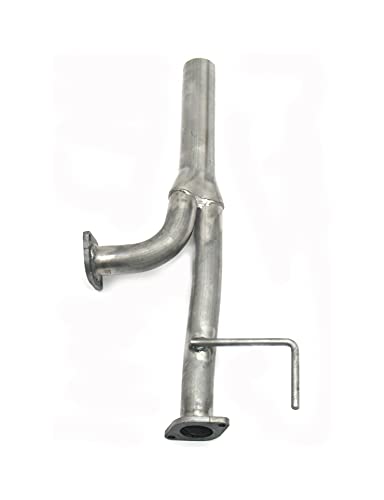
JBA
JBA 2011SY 2-1/4" Stainless Steel Exhaust Mid-Pipe…
- O2 sensor provisions
- Factory style hangers
- Mandrel bent tube
As an Amazon Associate I earn from qualifying purchases.
The sound your car makes can change everything—from how it feels to drive, to the attention it grabs on the road. Understanding how after cats mid pipes affect your vehicle’s sound helps you make the right choice. Keep reading, and you’ll discover exactly what to expect from these parts and how they can transform your driving experience.
Cat-back Vs. Mid-pipe Systems
Cat-back and mid-pipe systems are popular choices for car exhaust upgrades. Both affect how your car sounds and performs. Understanding their differences helps you choose the right option for your needs.
Each system changes the exhaust flow and sound in unique ways. Knowing these changes can improve your driving experience.
Key Differences
Cat-back systems start after the catalytic converter. They include the pipe, muffler, and tip. Mid-pipe systems replace the section just after the catalytic converter. They often include resonators or mufflers.
Cat-back upgrades affect a larger part of the exhaust. Mid-pipe upgrades focus on the middle section only. The choice depends on desired sound and budget.
Impact On Exhaust Flow
Cat-back systems improve exhaust flow by reducing restrictions after the cat. This can increase power and create a louder, deeper sound. Mid-pipe systems mainly smooth the flow through the middle pipe. They can reduce drone and change tone but may not boost power much.
Both systems can make your car sound different. Cat-back changes are usually more noticeable. Mid-pipe changes are subtle but refine the sound quality.
How Mid Pipes Affect Exhaust Sound
The mid pipe is a key part of your car’s exhaust system. It connects the headers or downpipes to the rest of the exhaust. This section helps shape how your car sounds. Removing or changing the mid pipe can change the exhaust note. It affects both the tone and loudness of the sound your car makes. Understanding how mid pipes influence exhaust sound helps explain why some cars sound different after modifications.
Role Of Catalytic Converters
Catalytic converters sit inside the mid pipe on many cars. Their job is to clean the exhaust gases. They reduce harmful emissions before gases leave the tailpipe. Catalytic converters also affect sound by restricting airflow. This restriction can soften the exhaust note. Removing the catalytic converter or using a mid pipe without one makes the exhaust louder and sharper. The sound becomes more raw and aggressive. Some mid pipes keep the catalytic converter, keeping a quieter sound.
Effect On Tone And Volume
Mid pipes change how exhaust gases flow through the system. A straight, less restrictive mid pipe lets gases flow faster. This increases the volume and makes the sound deeper. A restrictive mid pipe slows gases, softening the sound. The shape and diameter of the mid pipe also affect tone. Larger pipes tend to produce a throatier, more aggressive sound. Smaller pipes create a higher-pitched tone. The design of the mid pipe plays a big role in how your car sounds overall.
Types Of Mid Pipes
Mid pipes play a key role in a car’s exhaust system. They connect the downpipe to the rear exhaust. Different mid pipes change the sound and performance of the car. Understanding the types helps you choose the right one for your needs.
High-flow Cats
High-flow cats replace the factory catalytic converters. They allow more exhaust gases to pass through. This reduces backpressure and improves engine breathing. The sound becomes louder and deeper but stays street legal. These cats help balance power and noise.
Test Pipes
Test pipes remove the catalytic converters completely. They create a straight path for exhaust gases. This results in a louder and more aggressive sound. Test pipes are popular in racing and off-road cars. They are not legal for street use in most areas.
Resonated Vs. Non-resonated
Resonated mid pipes have built-in chambers to reduce noise. They smooth out harsh exhaust sounds. Cars with resonated pipes sound quieter and more refined. Non-resonated mid pipes do not have these chambers. They produce a louder, rawer exhaust note. The choice depends on sound preference and noise limits.
Material Choices And Sound Quality
Material choice plays a big role in the sound of catless mid pipes. The type of metal and its thickness shape the tone and volume. Sound changes come from how the material handles vibrations and heat. Picking the right material affects both performance and the sound you hear.
Stainless Steel Vs. Aluminum
Stainless steel is heavy but strong. It holds heat well, helping exhaust gases flow smoothly. This metal produces a deeper, richer sound that many drivers like. It resists rust, so it lasts long even in wet weather.
Aluminum is light and cools down fast. It gives a sharper and louder tone. But aluminum can wear out quicker under heat stress. It is less common for mid pipes but suits those who want a crisp sound.