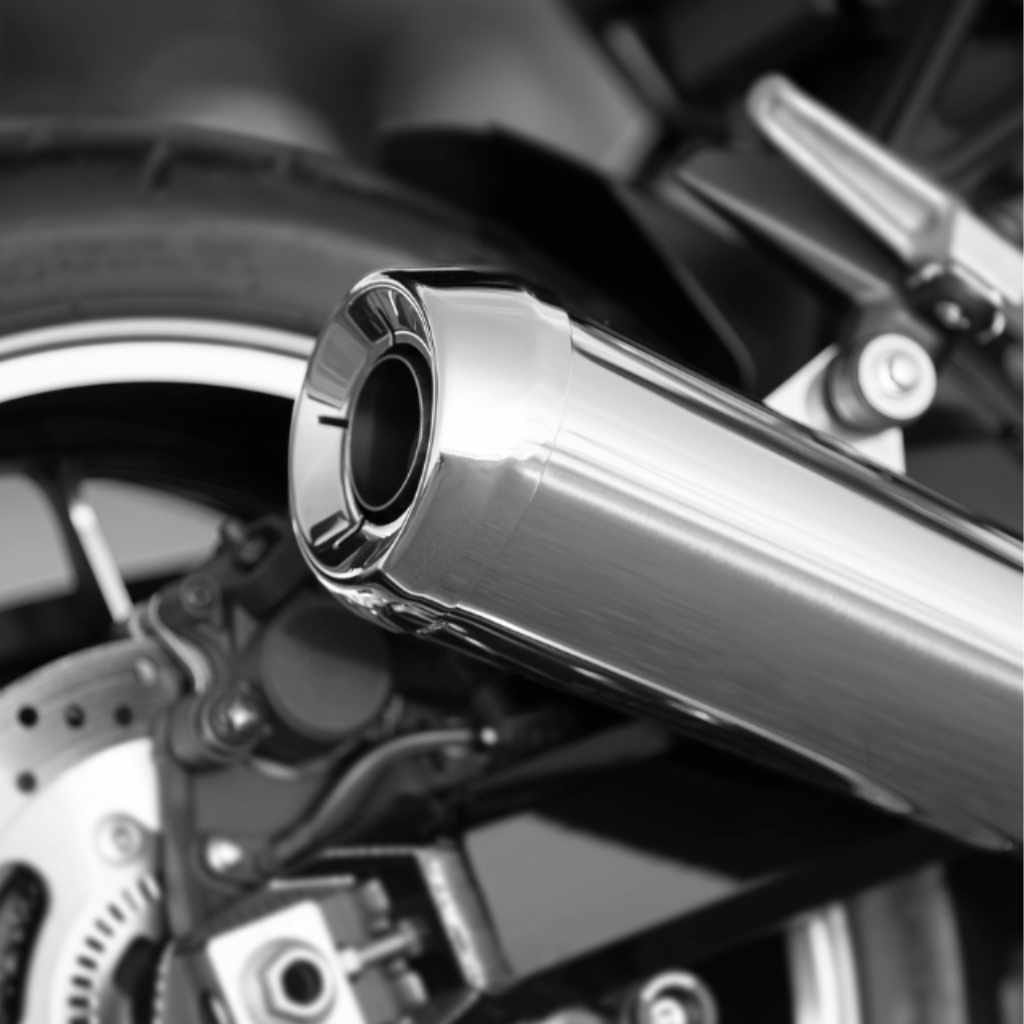
What Does a Resonated Tip Do? Proven Benefits
A resonated tip helps quieten your car’s exhaust, reducing unwanted drone and making the sound smoother and deeper. It’s an affordable upgrade that can significantly improve your driving experience by filtering out high-pitched or annoying noises, leaving you with a more pleasant exhaust note without sacrificing too much performance.
Have you ever heard your car’s exhaust and thought, “Wow, that’s a bit loud!” or maybe even, “Ouch, that’s a really annoying sound”? Many car owners experience this, especially when they’ve upgraded their exhaust or when their stock system starts to age. It’s not just about being loud; sometimes, it’s about the quality of the sound. That harsh, booming, or even buzzing noise can be a real buzzkill on your daily drive. The good news is, you don’t have to live with it! There are ways to tune your exhaust sound, and one of the most effective and beginner-friendly ways is by adding a resonated tip. We’re going to break down exactly what a resonated tip is, what it does for your car, and the real benefits you can expect.
What Exactly is a Resonated Tip?
Think of your car’s exhaust system as a highway for gases. These gases travel from the engine, through pipes, and eventually out the back. Along this journey, they make a lot of noise. An exhaust tip is the final piece of this system that you see at the rear of your car. It’s the tailpipe’s end.
A resonated tip is a special type of exhaust tip that has a small, built-in muffler or a chamber designed to absorb and cancel out certain sound frequencies. It’s not a full muffler replacement, but rather a clever modification to the very end of your exhaust. Imagine it like putting a special filter on the end of a noisy tube; it helps smooth out the rough edges of the sound. This is different from a plain or straight-through exhaust tip, which simply provides an exit for the exhaust gases and can, in some cases, make the sound even louder or harsher.
How Does a Resonated Tip Work?
The magic behind a resonated tip lies in its internal design. While the exact construction can vary between manufacturers, the core principle is the same: manipulating sound waves.
Here’s a breakdown of the common mechanisms:
Internal Chamber: Many resonated tips feature an internal chamber or cavity. When the sound waves from your engine hit this chamber, they bounce around. This bouncing causes some sound waves to clash with others, essentially canceling each other out. This is similar to how noise-canceling headphones work, but on a much smaller, physical scale.
Perforated Baffles: Some designs incorporate perforated baffles or tubes inside the tip. Exhaust gases pass through these small holes. As the gases are forced through, the sound waves are broken up and dampened. The material of the tip also absorbs some of the sound energy.
Absorption Materials: In some premium resonated tips, you might find sound-absorbing materials packed inside. These materials, often fiberglass-based, are excellent at converting sound energy into heat, further reducing the noise level.
The goal of these designs is to target specific sound frequencies, often the higher-pitched, annoying “drone” or raspy noises that can make an exhaust sound unpleasant. A resonated tip doesn’t aim to silence your exhaust completely – that’s the job of a full muffler – but rather to refine the sound, making it deeper and more controlled.

Proven Benefits of Using a Resonated Tip
Adding a resonated tip is a popular choice for car owners looking to improve their exhaust’s sound quality without a major overhaul. The benefits are tangible and can significantly enhance your daily driving experience.
1. Reduced Exhaust Drone and Noise
This is the primary reason most people opt for a resonated tip. Exhaust drone refers to a persistent, often low-frequency humming or buzzing sound that can be heard inside the vehicle, especially at certain RPMs (revolutions per minute). It’s the kind of sound that can be incredibly irritating on long drives.
A resonated tip significantly reduces or eliminates this drone by:
Canceling Unwanted Frequencies: The internal chambers and baffles are specifically designed to absorb or counteract the frequencies that cause drone.
Smoothing Sound Waves: By manipulating how the sound waves exit, they prevent the build-up of harsh resonance.
This leads to a much more comfortable and enjoyable cabin environment. You can listen to music, have conversations, or simply enjoy the drive without the constant, a annoying hum.
2. Deeper, Richer, and More Refined Exhaust Note
While quieting the drone, a resonated tip often enhances the desirable aspects of your exhaust’s sound. Instead of a tinny, raspy, or overly loud bark, you’ll likely get a deeper, sportier, and more mature tone.
Enhanced Bass: The design tends to suppress higher frequencies, making the lower, more aggressive tones more prominent.
Consistent Tone: It helps create a more consistent and pleasing sound profile across different engine speeds.
Subtle Sportiness: It adds a touch of performance sound without being obnoxious, striking a great balance for daily drivers who want a bit more character from their car.
3. Improved Driving Comfort
The reduction in drone and overall noise directly translates to improved driving comfort.
Reduced Fatigue: Constant droning can be mentally tiring, especially on longer journeys. Eliminating it reduces driver fatigue.
Better Communication: You can have conversations with passengers more easily, and it’s less of a strain to use your car’s audio system.
Peaceful Commute: For many, the daily commute is a significant part of their driving time. Making that time more peaceful is a huge benefit.
4. Relatively Affordable Modification
Compared to changing out the entire exhaust system or installing a full aftermarket muffler, a resonated tip is a highly cost-effective upgrade.
Lower Purchase Price: Resonated tips are significantly cheaper than complete exhaust systems.
Easier Installation: They often bolt onto your existing exhaust pipe, making installation simpler and potentially cheaper if you opt for professional help.
This makes it an excellent entry-level modification for car enthusiasts who want to improve their car’s sound without a massive financial commitment.
5. Enhanced Aesthetics
While their primary function is acoustic, exhaust tips also contribute significantly to the visual appeal of your vehicle. Resonated tips come in various styles, finishes, and sizes, allowing you to customize the look of your car’s rear end.
Variety of Styles: From sleek, polished stainless steel to aggressive, black-coated designs.
Size Options: Available in single, dual, rolled, or slash-cut designs to match your car’s aesthetic.
High-Quality Finish: Many are made from durable materials like stainless steel that resist corrosion and maintain their shine.
6. Non-Restrictive Performance (Generally)
Unlike some sound-deadening materials that can choke an exhaust system, a well-designed resonated tip aims to minimize any negative impact on performance. Manufacturers usually engineer them to allow for efficient exhaust gas flow.
Minimal Backpressure: They are designed to create minimal additional backpressure, which is crucial for maintaining engine power.
Targeted Sound Control: They focus on sound frequencies rather than drastically altering the exhaust gas velocity.
It’s important to note that while they aim to be non-restrictive, any addition to the exhaust system can theoretically alter flow. However, for everyday driving and mild performance applications, the effect is typically negligible to insignificant.
Different Types of Resonated Tips
When you start looking for a resonated tip, you’ll find several variations in design and construction. Understanding these can help you choose the best one for your needs.
1. Straight-Through Resonated Tips
These tips typically have a perforated inner tube that runs straight through the tip. The outer shell is where the resonance chamber is located. Exhaust gases flow directly through the perforated tube, and the sound waves are dampened as they pass through the perforations and enter the chamber.
Pros: Good balance of sound reduction and flow. Simple design.
Cons: Might not be as effective for extreme noise reduction as other types.
2. Chambered Resonated Tips
These tips feature one or more sealed chambers welded to the exhaust flow path. The sound waves are forced to enter these chambers, where they bounce around and cancel each other out.
Pros: Can be very effective at targeting specific frequencies and reducing drone.
Cons: Can be slightly more restrictive if not designed well.
3. Absorption-Type Resonated Tips
These may incorporate sound-absorbing materials (like packing or perforated baffles designed for absorption) within the tip. The heat and sound energy are absorbed by these materials, reducing the overall noise output.
Pros: Can offer significant noise reduction.
Cons: Materials can degrade over time, especially with high temperatures. May be more expensive.
4. Combination Designs
Many modern resonated tips are engineered as a hybrid, combining features from straight-through and chambered designs to optimize both sound reduction and exhaust flow.
When Would You Want a Resonated Tip?
A resonated tip isn’t a one-size-fits-all solution, but it’s ideal for several common scenarios:
After Installing an Aftermarket Cat-Back Exhaust: If your new cat-back exhaust system is too loud or has an annoying drone, a resonated tip can be the perfect addition to calm it down.
When Your Stock Exhaust is Aging: Older exhaust systems can sometimes develop leaks or internal baffles that break down, leading to increased noise and drone. A resonated tip can help mitigate this.
For a Subtle Performance Sound: If you like the idea of a sportier exhaust note but don’t want to draw too much attention or deal with excessive noise, a resonated tip offers a refined upgrade.
To Pass Sound Regulations: In areas with strict noise ordinances, a less aggressive exhaust sound is often preferred, and a resonated tip can help achieve this compliance.
To Improve Cabin Comfort: Simply put, if the noise from your exhaust is bothersome, a resonated tip can make your car a much more pleasant place to be.
What a Resonated Tip is NOT
It’s also important to manage expectations. A resonated tip is not:
A Full Muffler Replacement: It doesn’t silence your exhaust; it modifies the sound. If you want a very quiet exhaust, you’ll need to address the main muffler.
A Performance Booster: While it shouldn’t hinder performance, its primary goal is sound modification, not horsepower gain.
A Universal Fix for All Noise: It’s most effective against drone and certain high frequencies. It won’t eliminate all exhaust noise or make a loud system quiet.
Choosing and Installing a Resonated Tip
Selecting and fitting a resonated tip is a straightforward process, but a few steps ensure you get the right product and a good result.
1. Identify Your Exhaust Pipe Size
Measure the outer diameter of your existing exhaust pipe where the tip will attach. Resonated tips are sold according to this diameter. Common sizes include 2.5 inches, 3 inches, and larger, but it’s crucial to measure accurately.
2. Consider the Style and Finish
Resonated tips come in various styles (e.g., straight, slash-cut, rolled edge) and finishes (e.g., polished stainless steel, titanium, carbon fiber look, black chrome). Choose one that complements your car’s aesthetics.
3. Look for Quality Materials
Opt for tips made from high-grade stainless steel (like T304). This material is durable, corrosion-resistant, and will hold up well to the harsh environment under your car.
4. Installation Process (General Guide)
Gather Tools: You’ll typically need a socket wrench set, possibly pliers, and a good shop rag or cleaner. If welding is required (less common for tips), you’d need a welder.
Safety First: Ensure your car is parked on a level surface. Engage the parking brake. If you need to lift the car, use sturdy jack stands. Always follow proper vehicle lifting and safety procedures for any work under your car.
Locate the Tip: Identify the current exhaust tip connected to your exhaust pipe.
Remove Old Tip: If it’s a clamp-on tip, loosen the clamp’s bolt. If it’s welded, you might need a specialized tool or professional help. Some are just friction-fit.
Clean the Pipe: Wipe down the end of your exhaust pipe to ensure a clean surface for the new tip.
Attach New Tip: Slide the resonated tip onto the exhaust pipe. Ensure it’s seated correctly and aligned to your preference.
Secure the Tip: Most tips come with a clamp mechanism. Tighten the clamp bolts securely. Again, here’s a helpful guide from a reputable source on general exhaust system components and maintenance: Emissions and Exhaust System Maintenance.
Test: Start the car and listen. Check for leaks or excessive rattling. Ensure the sound is improved as expected.
Resonated Tip vs. Straight Tip vs. Muffler
To further clarify, let’s compare a resonated tip to its common counterparts.
| Feature | Resonated Tip | Straight Tip | Muffler |
|---|---|---|---|
| Primary Goal | Reduce drone, refine exhaust tone. | Enhance sound, aesthetics, minimal noise control. | Significantly reduce overall exhaust noise. |
| Sound | Deeper, smoother, less drone. | Louder, more raw, can be raspy or buzzy. | Quieter, often more muted or stock-like sound. |
| Effect on Drone | Significantly reduces. | Little to no reduction; can sometimes worsen. | Designed to eliminate drone. |
| Installation | Bolt-on or clamp-on to existing tip. | Bolt-on or clamp-on to existing tip. | Replaces a section of the exhaust pipe. |
| Complexity | Low | Very low | Moderate to High (may require welding). |
| Cost | Low to moderate | Low | Moderate to High |
| Performance | Minimal impact, often negligible | Minimal impact, often negligible | Can impact performance if restrictive; well-designed ones improve flow. |
Choosing the right component depends entirely on your desired outcome.
Frequently Asked Questions About Resonated Tips
Here are some questions beginner car owners often have about resonated tips:
Will a resonated tip make my car quieter overall?”
A resonated tip significantly reduces specific annoying noises like drone and rasp, making your exhaust sound smoother and more pleasant. However, it is not designed to make your car as quiet as a stock muffler. It’s more about refining the sound than drastic silencing.
Can I install a resonated tip myself?
Yes, for most vehicles, resonated tips are designed to clamp or bolt onto your existing exhaust pipe. If your current tip is a clamp-on or slip-fit, replacing it with a resonated tip is usually a straightforward DIY job. Always check the specific installation method for the tip you purchase.
Will a resonated tip affect my car’s performance?
Generally, no. Well-designed resonated tips are engineered to create minimal backpressure. Their primary focus is on acoustic modification, not airflow restriction. For most daily drivers and even mild performance applications, any performance difference will be negligible.
How do I know if I need a resonated tip instead of a full muffler?
If your primary concern is a specific irritating sound like highway drone or a harsh tone, and your stock muffler is still functional but producing these noises, a resonated tip is a good, cost-effective first step. If your muffler is completely rusted out and you want maximum quietness, a new muffler is needed.
Are resonated tips legal?
In most regions, having a resonated tip that alters the sound to be more refined and less loud is perfectly legal. However, some aftermarket exhaust modifications can be illegal if they bypass emissions equipment or exceed local noise regulations. A resonated tip generally falls within legal limits for sound modification.
Can I combine a resonated tip with a performance muffler?
Yes, you can. Some performance mufflers might still produce a bit of drone at certain RPMs. Adding a resonated tip can further fine-tune the sound and eliminate any residual drone, giving you a combination of performance and refined acoustics.