What Are The Fittings Called For Dual Tip Exhaust: Essential Guide
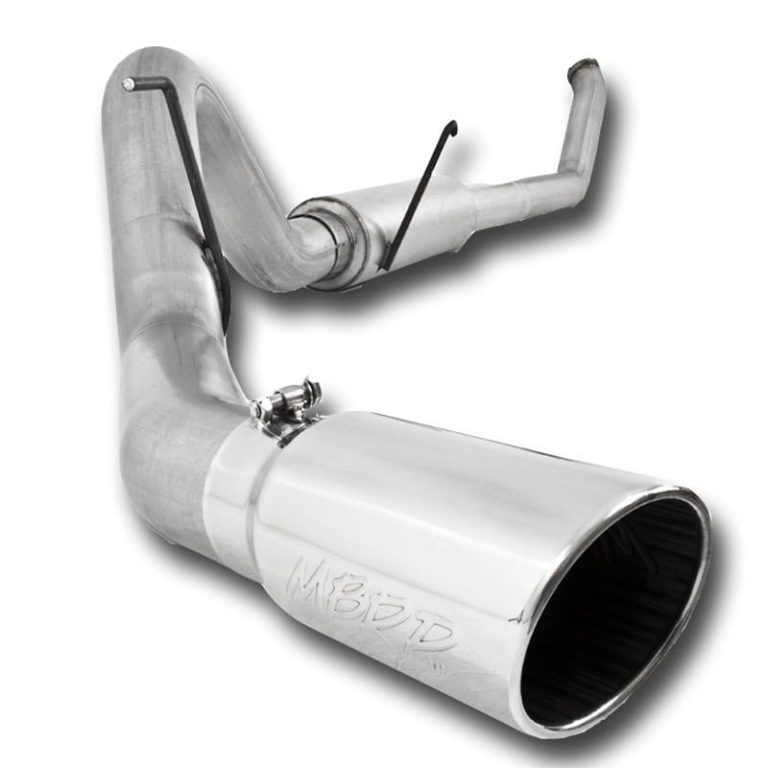
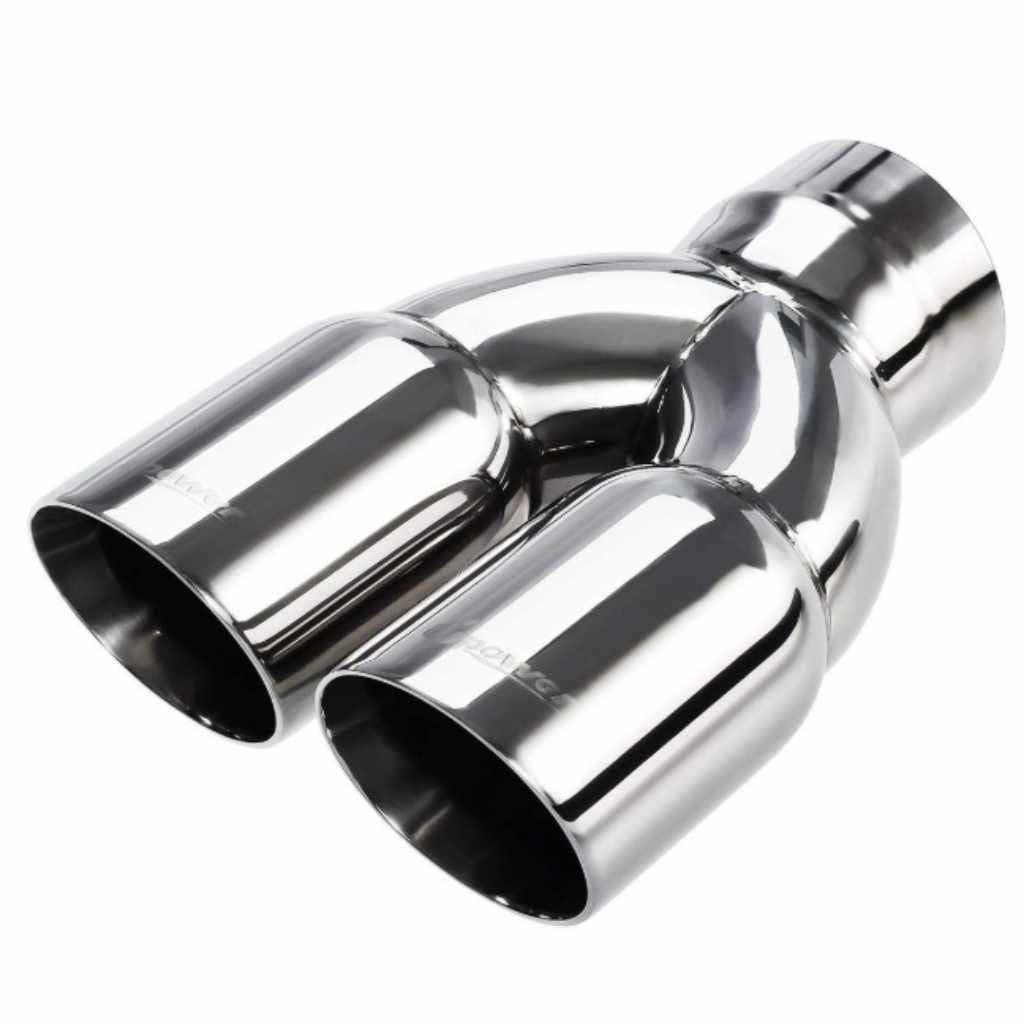
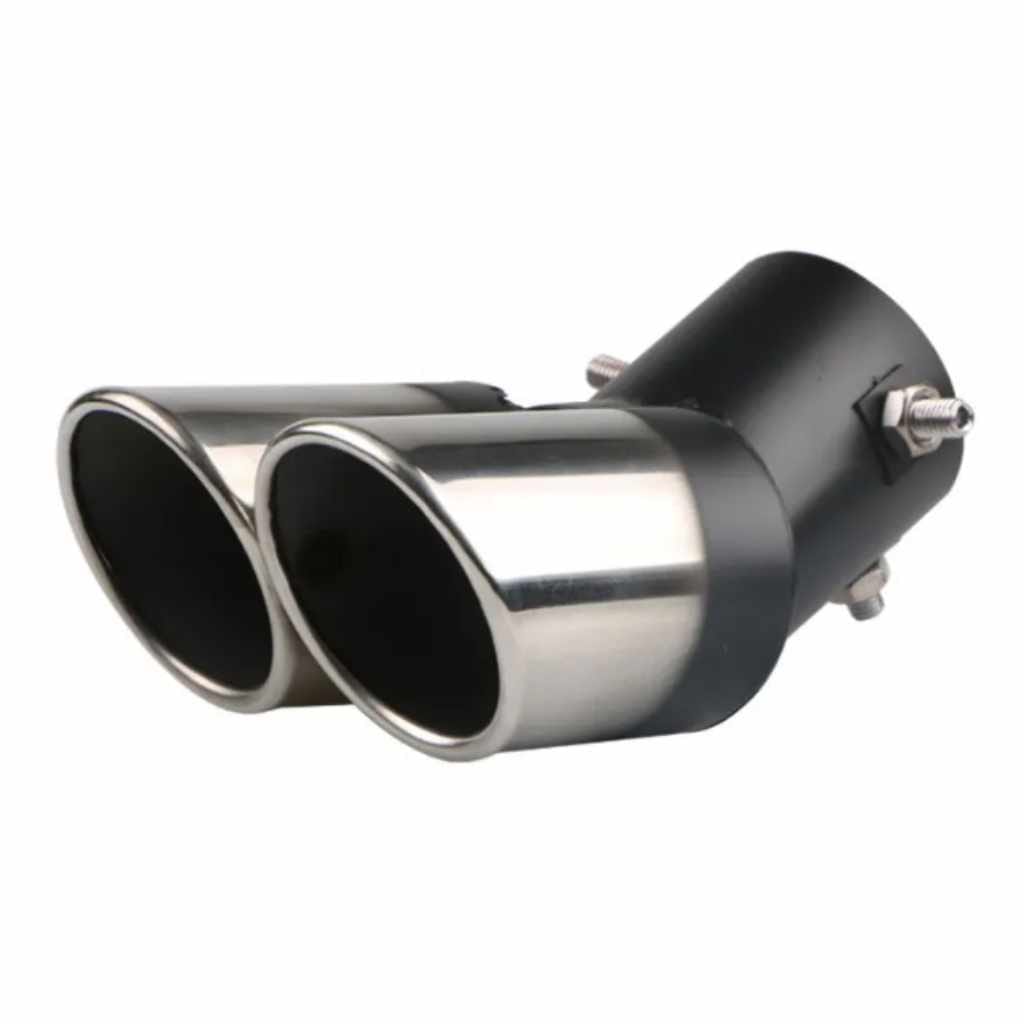
The fittings for a dual-tip exhaust are commonly referred to as exhaust tips or muffler tips. These are the visible, decorative ends of your exhaust system that are designed to enhance both the look and sound of your vehicle.
Having a dual-tip exhaust on your car can really change its appearance and sound. But when it comes to upgrades or even just understanding what you have, you might wonder about the specific parts. What exactly are those shiny pipes at the back called? And what else do you need to know to get them installed or replaced? It’s a common question, especially if you’re new to car modifications. Don’t worry, we’ll break down everything you need to know in simple terms, covering the names of the parts, why they’re important, and how they fit into the bigger picture of your exhaust system.
Understanding Dual Tip Exhausts: The Basics
When you see a car with two shiny pipes sticking out from the back, that’s a dual-tip exhaust. It’s a popular upgrade because it makes a car look sportier and can sometimes change the exhaust note. But what are these tips, and how do they connect?
What are the “Fittings” for a Dual Tip Exhaust Called?
The most common and straightforward answer is exhaust tips or muffler tips. These are the final visible components of your exhaust system that exit the vehicle. They come in many shapes, sizes, and materials.
Think of your exhaust system as a journey for the fumes produced by your engine. The exhaust manifold collects the hot gases, the catalytic converter cleans them, the resonator might quiet them down, and the muffler further reduces noise. The exhaust tip is the very last stop on this journey, the part you and everyone else sees when looking at the rear of your car.
Types of Exhaust Tips
Exhaust tips aren’t just simple pipes; they are designed with aesthetics and acoustics in mind. Here are a few common types:
Straight Cut vs. Angle Cut: Straight-cut tips have an opening that is perfectly perpendicular to the pipe, while angle-cut tips are cut at an angle, often to match the contour of a bumper.
Rolled Edge vs. Straight Edge: Rolled edges have a smooth, curved lip, adding a refined look. Straight edges are typically simpler and more industrial.
Single Wall vs. Double Wall: Single-wall tips are a single layer of metal. Double-wall tips have an inner and outer layer, often with a gap between them, which can help prevent the outer layer from getting too hot and can provide a more premium look.
Inlet Diameter: This refers to the size of the pipe that connects to your existing exhaust system. It needs to match your exhaust pipe size for a proper fit.
Outlet Diameter and Shape: This is the size and shape of the opening you see. It can be round, oval, square, or even trapezoidal.
Material: Most common are stainless steel, which is durable and resistant to rust. Titanium and carbon fiber are also used for high-performance or aesthetic builds.
Why Dual Tips? The Benefits
The appeal of a dual-tip exhaust often comes down to two main reasons:
1. Aesthetics: A dual-tip setup can significantly enhance the rear-end appearance of a car, giving it a more aggressive, sporty, or high-performance look. It fills out the rear bumper cutouts and can make a car look more substantial.
2. Sound Modification (Sometimes): While the exhaust tips themselves don’t drastically change the sound, they are often part of a larger exhaust system upgrade. A more aggressive muffler or resonator paired with dual tips can produce a deeper, louder, or sportier exhaust note. However, the tips themselves primarily affect the visual and the very last bit of sound dispersion.
Dual Tip “Fittings” Explained: The Components Involved
When people talk about “fittings” for dual-tip exhausts, they might be referring to a few different things depending on whether they’re installing a whole new exhaust system or just adding tips.
1. The Exhaust Tips Themselves
As mentioned, these are the visible, decorative ends. They are the primary “fittings” that people refer to when talking about the visual aspect of a dual-tip exhaust.
2. Clamps
These are essential for securing the exhaust tips to the exhaust pipes. There are several types:
Band Clamps: These wrap around the tip and the pipe, tightening with bolts. They are common for bolt-on tips.
U-Bolt Clamps: Similar to band clamps, these use a U-shaped bolt.
Welded Clamps: While often integrated into the clamp design, some clamps might require welding for a permanent installation.
3. Adapters or Couplers
Sometimes, the diameter of your existing exhaust pipe doesn’t perfectly match the inlet diameter of the exhaust tip you want to install. In such cases, an adapter or coupler (a short piece of pipe with different diameters at each end) might be needed.
4. Hangers and Brackets
If you’re installing a full dual-tip cat-back exhaust system, it will come with its own hangers and brackets to properly position and support both exhaust paths and tips. For just adding tips, these are usually part of the clamp system or the tip’s design itself.
5. Adapters for Muffler Outlet Diversity
Some aftermarket mufflers are designed with a single outlet, but you might want to run a dual-tip setup from it. In this case, a special Y-pipe adapter is needed to split the single exhaust gas flow into two paths, which then connect to your dual exhaust tips. You can find these from reputable exhaust manufacturers. For example, Flowmaster offers various exhaust components that might include such adapters.
Installing Your Dual Tip Exhaust: A Beginner’s Guide
Installing exhaust tips is often a DIY-friendly job. For more complex dual-tip systems, it might be best left to a professional.
When You’re Just Adding Tips (The Easier Scenario)
This usually involves clamping new tips onto your existing exhaust pipes, replacing old tips, or adding tips where none existed before (if your exhaust system is set up for it, meaning it has two outlets from the muffler or a Y-pipe).
Tools You Might Need:
Wrench or Socket Set: To tighten clamps.
Measuring Tape: To ensure you have the right size tips and to position them correctly.
Wire Brush: To clean rust or debris from the exhaust pipe before attaching the tip.
Penetrating Oil (e.g., WD-40): To loosen rusty bolts on old clamps if you’re replacing them.
Safety Glasses: Always important when working under a car.
Gloves: To protect your hands.
Jack and Jack Stands (if needed): To safely lift your vehicle for better access. Never work under a vehicle supported only by a jack. Always use jack stands.
Steps for Adding Bolt-On Tips:
1. Safety First: Ensure your vehicle is parked on a level surface. Engage the parking brake. If you need more clearance, use a jack to lift the rear of the vehicle and secure it with jack stands.
2. Locate Existing Tips/Pipes: Identify the rear exhaust pipe(s) where you want to attach the new tips.
3. Clean the Area: Use a wire brush to clean any rust, dirt, or debris from the outside of the exhaust pipe where the clamp will sit. This ensures a secure fit.
4. Position the New Tips: Slide the new exhaust tip onto the end of the exhaust pipe. Adjust its position so it’s centered and sticks out the desired amount. Many tips are designed to slide over the existing pipe.
5. Install the Clamp: Place the clamp around the junction of the tip and the exhaust pipe. If it’s a band clamp, position it so the bolt is easily accessible.
6. Tighten the Clamp: Use your wrench or socket to tighten the clamp bolts. Tighten evenly on both sides if the clamp has multiple bolts. Don’t overtighten, as you could damage the tip or the pipe. You want it snug and secure.
7. Check Alignment: Step back and check the alignment of both tips. Make sure they are even and symmetrical. Adjust as needed.
8. Repeat for Second Tip: If you have a dual setup from a Y-pipe or two separate outlets, repeat the process for the second tip.
9. Lower Vehicle (if raised): Carefully lower your vehicle if you used jack stands.
10. Start Engine and Check: Start your car’s engine and listen for any exhaust leaks around the clamped area. You should also check that the tips are firmly attached and don’t rattle. You can do this by gently trying to wiggle them.
When Installing a Full Dual Tip Cat-Back System (More Involved)
A cat-back system replaces the exhaust from the catalytic converter back to the tips. This often involves removing your old muffler and piping and installing a new one with dual outlets and dual tips. This can be more complex:
Exhaust Hangers: You’ll need to unhook the old system from its rubber hangers and attach the new one. New hangers may need to be installed or existing ones adjusted.
Clamping vs. Welding: Some cat-back systems are designed to bolt together using clamps, while others might require welding for a permanent and leak-free connection. Welding offers a more robust and often quieter install but requires specific tools and expertise.
Y-Pipes: If your new muffler has a single outlet but you want dual tips, you’ll need to install a Y-pipe section.
For these more extensive modifications, it’s highly recommended to consult a professional exhaust shop or a mechanic familiar with exhaust system installations. They have the specialized tools and experience to ensure a safe and correct fit.
Choosing the Right Dual Tip Exhaust Fittings
When you’re looking to upgrade, choosing the right exhaust tips and associated “fittings” is key. Here’s what to consider:
Key Factors for Choosing Exhaust Tips:
Vehicle Make and Model: While many tips are universal, some are designed to fit specific vehicles or bumper styles. Always check compatibility.
Desired Look: Do you want subtle and elegant, or bold and aggressive? This will influence the shape, size, and finish of the tip.
Material: Stainless steel is the most common and a great all-around choice for durability and corrosion resistance. For those looking for lighter weight or a specific visual flair, titanium or carbon fiber can be options, though they are pricier.
Inlet Diameter: This is crucial. Measure the outside diameter of your existing exhaust pipe where the tip will connect. Get a tip with an inlet diameter that closely matches or is slightly larger if a clamp will be used, or use an adapter.
Outlet Diameter and Shape: Consider how much of the bumper cutout you want to fill and what shape looks best. Common shapes include round, oval, and square.
Mounting Type: Bolt-on tips are the most common for DIYers. Welded tips offer a more permanent solution if you’re having it professionally installed.
Understanding Muffler Outlets and Y-Pipes
If your current muffler has only one exit pipe but you want dual tips, you’ll need a way to split the exhaust flow.
Y-Pipe: This is a fitting that takes a single pipe and divides it into two. You can often buy an aftermarket Y-pipe separately and connect it to your existing exhaust system before the muffler, or purchase an aftermarket muffler that already has a dual outlet.
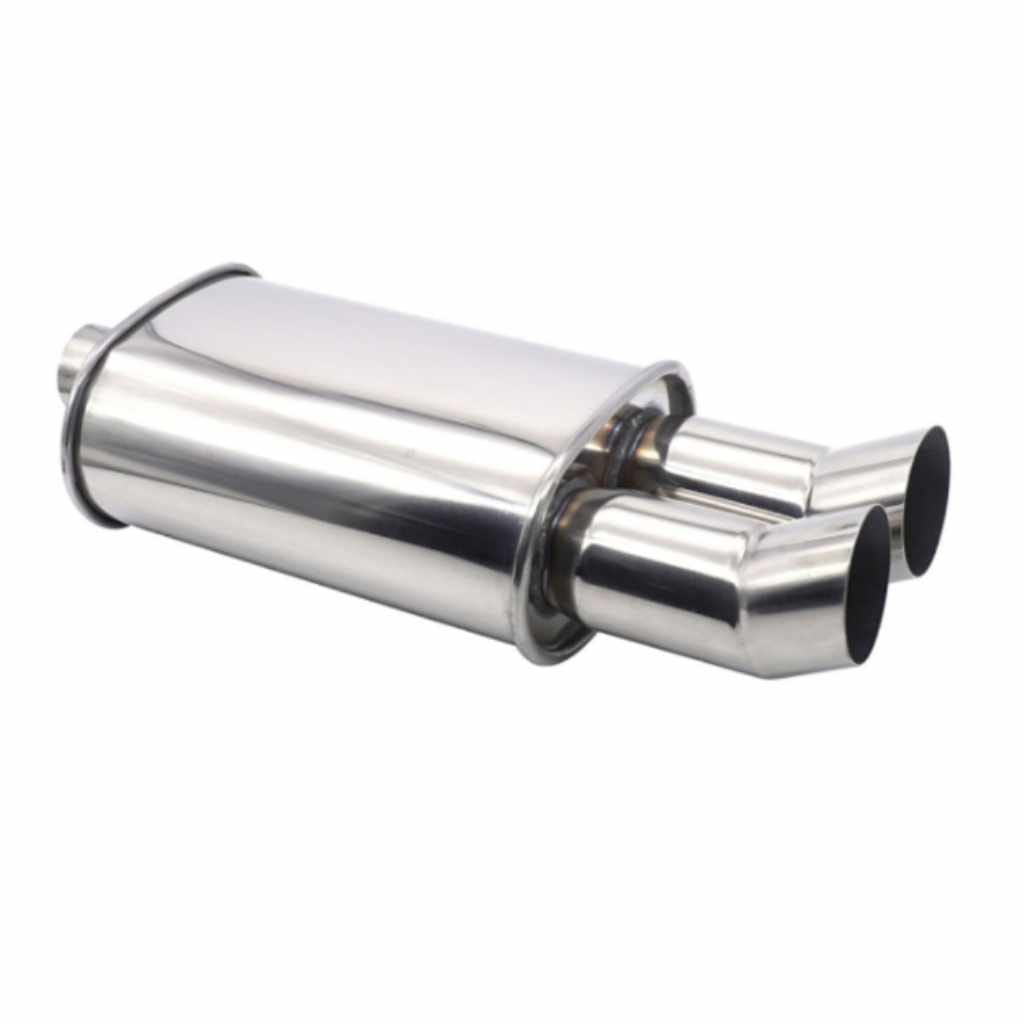
Dual Outlet Muffler: These mufflers have openings on opposite sides or at angles to direct exhaust flow to two separate pipes, which then lead to your dual tips.
Finding the right Y-pipe or dual outlet muffler often involves consulting with exhaust parts retailers or specialists. They can help you match the inlet size to your exhaust system and the outlet sizes to your desired tips. Many performance exhaust system manufacturers, such as MagnaFlow or Borla, offer a wide range of mufflers and cat-back systems designed for dual exhaust configurations.
Table: Common Exhaust Tip Materials and Their Pros/Cons
| Material | Pros | Cons | Best For |
|---|---|---|---|
| Stainless Steel | Durable, corrosion-resistant, affordable, doesn’t rust easily | Can be heavier than other materials | Everyday use, most budget-conscious upgrades, long-lasting visual appeal. |
| Titanium | Very lightweight, high heat tolerance, unique blueing effect when heated | Expensive, can be more difficult to find | High-performance applications where weight is critical, enthusiasts seeking a premium look and feel. |
| Chrome Plated Steel | Shiny, attractive finish, relatively inexpensive | Prone to chipping, rust, or flaking over time if not maintained, can discolor with excessive heat | Budget-friendly aesthetic upgrades where longevity isn’t the absolute top priority; requires regular cleaning. |
| Carbon Fiber | Extremely lightweight, high-tech appearance | Can be brittle, susceptible to UV fade, expensive, not ideal for extreme heat exposure directly | Performance builds, modern sports cars, owners prioritizing weight reduction and a race-inspired look. |
Resources for Exhaust Parts and Information
When you’re diving into exhaust upgrades, reliable sources are important. For general automotive parts, sites like RockAuto offer a vast catalog. For specific exhaust systems and performance parts, manufacturers like Borla, MagnaFlow, or Flowmaster are excellent resources to explore their product lines and find compatible parts. For authoritative information on vehicle emissions and regulations, official government sites such as the U.S. Environmental Protection Agency (EPA) can be helpful, though less directly related to the physical parts.
Common Issues and Troubleshooting with Dual Tip Exhausts
Even with simple bolt-on tips, you might run into a few snags.
Common Problems:
Rattling: This is often due to a loose clamp or the tip not being seated fully. Sometimes, the tip might be too close to another part of the car’s underbody.
Rusting: If you have chrome-plated tips that aren’t well-maintained, rust can form, especially around welds or edges. Stainless steel is much more resistant.
Loose Fitment: If the inlet diameter of the tip is too large for the exhaust pipe, it won’t clamp securely. This is where adapters or professional welding might be necessary.
Corrosion: Exposure to road salt, moisture, and exhaust gases can cause corrosion, especially on lower-quality materials.
Drooping Tips: If the hangers or clamps aren’t strong enough, or if the exhaust system itself is sagging, the tips might not hang straight.
Troubleshooting Tips:
For Rattling: Double-check all clamps and ensure they are snug. Verify that the tips are not touching any other part of the car. You might need to adjust their position slightly.
For Rust: For minor rust on chrome, you can try a metal polish. For significant rust, replacement might be the best option. Consider upgrading to stainless steel for better durability.
For Loose Fitment: If you can’t get a tight fit with clamps, you might need an adapter (a reducer) or have the tips professionally welded to the exhaust pipes for a permanent and secure attachment.
For Corrosion: Regular washing and occasional waxing of stainless steel tips can help protect them. For chrome, more frequent polishing and protective coatings are necessary.
* For Drooping Tips: Inspect the exhaust hangers. They are often made of rubber and can degrade over time. Replace any worn or broken hangers. Ensure the exhaust system itself is properly supported.
Frequently Asked Questions (FAQs)
Q1: What do you call the shiny ends of a dual exhaust?
The shiny ends of a dual exhaust are called exhaust tips or muffler tips. They are the final visible part of the exhaust system.
Q2: Can I just add dual exhaust tips to my car without changing the muffler?
Yes, you can often add bolt-on exhaust tips to your existing exhaust system if your muffler has dual outlets or if you add a Y-pipe to split a single outlet into two. This is primarily for looks, with minimal impact on sound.
Q3: How do I know what size exhaust tip to buy?
You need to measure the outside diameter of your existing exhaust pipe where the tip will attach. The new tip’s inlet diameter should match or be slightly larger (to accommodate a clamp) than this measurement.
Q4: Do dual exhaust tips improve performance?
Exhaust tips themselves have little to no impact on performance. Performance gains usually come from changes to the muffler, catalytic converter, or piping diameter, which affect airflow. Tips are mostly for aesthetics.
Q5: Is it hard to install exhaust tips myself?
Installing bolt-on exhaust tips is generally a straightforward DIY task that often requires basic tools like wrenches or socket sets. If welding is required, it’s best left to a professional.
Q6: What’s the difference between a Y-pipe and a dual outlet muffler?
A Y-pipe is a separate fitting that splits a single exhaust flow into two. A dual-outlet muffler is a single unit designed with two separate exits for exhaust gases, preparing the system for dual tips.