Should Evo Exhaust Be Black At Tip: Genius Guide
Whether your Evo exhaust tip should be black is entirely a matter of personal style and preference! While factory tips often aren’t black, many owners choose black tips for a sleek, aggressive look that complements their car. Maintaining that black finish requires specific cleaning and care to prevent fading or damage from heat and road grime.
Dreaming of a sportier look for your Mitsubishi Lancer Evolution? You might be wondering about the exhaust tip color. Specifically, “Should Evo exhaust be black at tip?” It’s a common question among Evo enthusiasts who want their ride to stand out. Many stock exhausts come with a polished or natural metal finish, but a black tip can dramatically change the rear end’s appearance, giving it a more aggressive and custom feel. Don’t worry if you’re new to car mods; we’ll break down everything you need to know about black exhaust tips for your Evo. We’ll cover why people choose them, how to get that look, and how to keep them looking sharp. Get ready to transform your Evo’s look!
Why Choose a Black Exhaust Tip for Your Evo?
The appeal of a black exhaust tip on a Mitsubishi Lancer Evolution is driven by a few key factors. It’s more than just a color choice; it’s about enhancing the car’s aggressive styling, creating a cohesive theme, and achieving a premium, custom look that sets it apart.
Aesthetics and Styling
The Evo is already a performance icon, and many owners want its exterior to match that aggressive pedigree. A black exhaust tip can:
Create a Stealthy, Aggressive Look: Black is often associated with power and performance. A black tip can make the rear of your Evo look more menacing and performance-oriented, especially when paired with dark body colors or body kits.
Contrast or Complement: Depending on your Evo’s paint color, a black tip can either provide a striking contrast (e.g., on a white or silver car) or seamlessly blend in for a sophisticated, murdered-out look (on a black or dark grey car).
Highlight the Exhaust’s Presence: A black tip can draw attention to the exhaust system, a key component of the Evo’s performance. It emphasizes the car’s sporty nature.
Reduce Visual Clutter: For some, a polished tip can be flashy. A black tip offers a cleaner, more subdued, yet still powerful aesthetic.
Customization and Personalization
Your Evo is your pride and joy, and you want it to reflect your personal style. Black exhaust tips are a relatively simple yet effective way to achieve this personalization. They are a popular aftermarket choice that many owners opt for to differentiate their cars from others.
Durability and Material Options
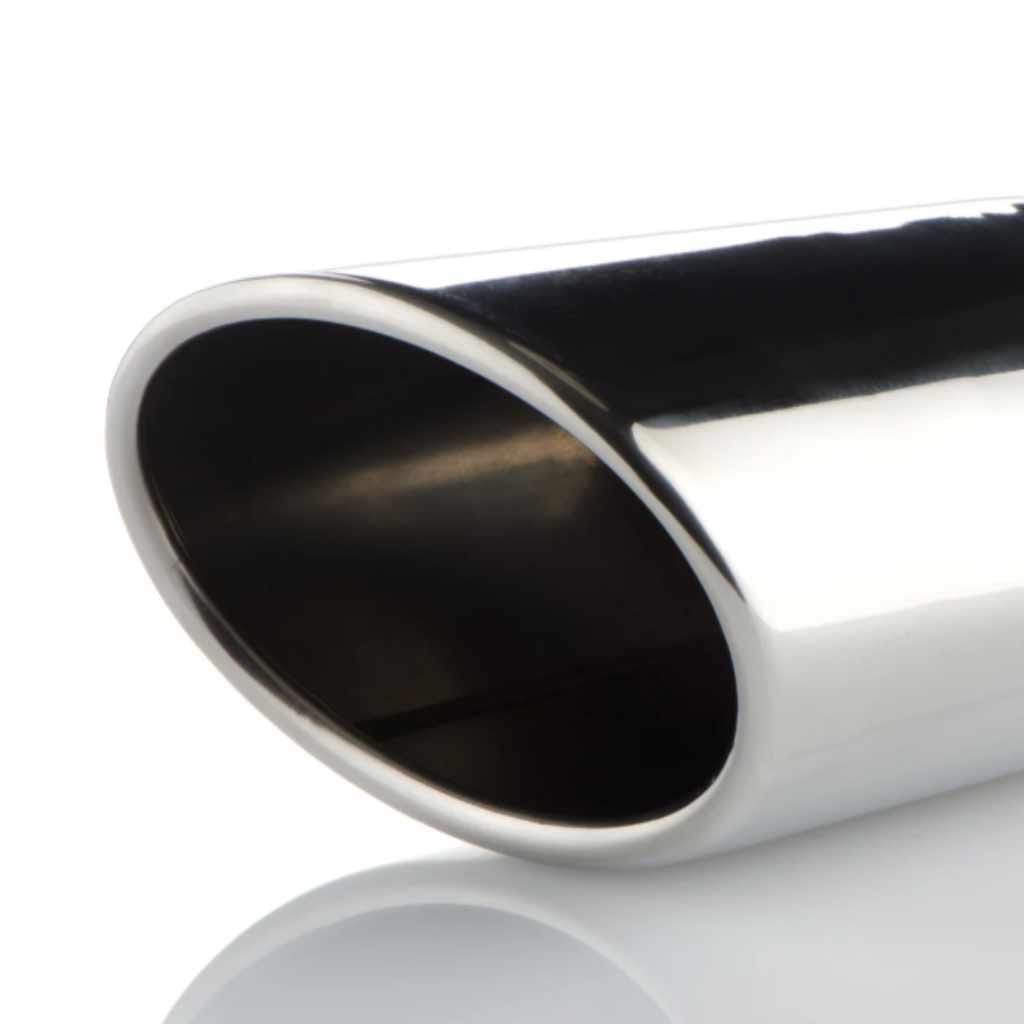
While the aesthetic is primary, the materials used for black exhaust tips can also be a draw. Many high-quality black tips are made from durable materials like stainless steel with specialized coatings. These coatings are designed to withstand the extreme heat and harsh conditions associated with exhaust gases, offering good longevity if maintained properly.
Understanding Different Types of Black Exhaust Tips
When you decide to go black, you’ll notice there isn’t just one way to achieve the look. The finish and material play a big role in both the appearance and durability.
Powder Coating
What it is: Powder coating is a dry finishing process where finely ground powder particles are electrostatically charged and sprayed onto the exhaust tip. The tip is then heated, causing the powder to flow and form a smooth, durable, and even coating.
Pros: Creates a very tough, chip-resistant finish. Available in various shades of black (matte, satin, gloss). Can be applied to existing tips or new ones.
Cons: High-temperature powder coatings are needed for exhaust tips to withstand the heat. If the coating is damaged, it can be harder to repair than other finishes.
Ceramic Coating
What it is: Ceramic coating involves applying a liquid ceramic-based formula that is then cured, often with heat or UV light. This creates a hard, protective layer.
Pros: Extremely high heat resistance, making it ideal for exhaust systems. Offers excellent protection against corrosion and abrasion. Available in sleek black finishes.
Cons: Typically more expensive than powder coating. Application requires professional expertise for best results.
Black Chrome/PVD Coating
What it is: Physical Vapor Deposition (PVD) is a vacuum coating process used to apply high-performance decorative and functional finishes. Black chrome is a common PVD finish that provides a deep, lustrous black look.
Pros: Offers a high-quality, sophisticated aesthetic. Durable and resistant to fading.
Cons: Can be one of the more expensive options. Repairing chips or scratches can be challenging.
Carbon Fiber Tips with Black Accents
What it is: While not entirely black metal, some aftermarket tips feature carbon fiber construction with black outer layers or accents.
Pros: Lightweight and offers a sporty, high-tech look.
Cons: Carbon fiber can be susceptible to UV damage and heat over time if not properly protected. Can be pricier.
How to Achieve a Black Exhaust Tip Look for Your Evo
There are several ways to get that desirable black tip on your Evolution, ranging from simple DIY solutions to professional installations for a lasting finish.
Option 1: Buying New Black Exhaust Tips
This is often the most straightforward and effective method for a lasting, high-quality result.
Step-by-Step Guide:
1. Identify Your Exhaust Diameter and Type: Measure the outer diameter of your existing exhaust tip to ensure compatibility. Also, know if your Evo has a single or dual exhaust system.
2. Research Reputable Brands: Look for aftermarket exhaust companies known for quality parts and finishes specifically designed for the Lancer Evolution. Brands like Invidia, GReddy, Agency Power, or TurboXS often offer options.
3. Choose Your Finish: Decide between matte black, satin black, gloss black, or textured finishes based on your aesthetic preference.
4. Purchase the Tips: Order your chosen black exhaust tips. Ensure they are designed for clamp-on installation or direct replacement if you’re comfortable with minor modifications.
5. Installation (DIY or Professional):
DIY (Clamp-on): If the new tips are clamp-on, ensure your old tips are cool. Loosen the clamp on your existing tip (if applicable) or use a socket wrench to remove the old tip. Slide on the new black tip and secure it firmly with the provided clamp or bolts. Ensure it’s straight.
DIY (Welding Required): If new tips require welding, this is best left to a professional exhaust shop.
Professional Installation: Visit a local performance exhaust shop. They can ensure a perfect fit and finish, especially if welding is involved.
Option 2: Powder Coating Your Existing Tips
If you like the shape of your current exhaust tips but want them black, powder coating is an excellent, durable option.
Step-by-Step Guide:
1. Remove Exhaust Tips: Safely jack up your Evo. Use a socket wrench to loosen and remove the clamps holding your exhaust tips in place. Be aware that some tips are welded, in which case this option isn’t suitable without cutting them off first.
2. Clean Thoroughly: Degrease and clean the tips meticulously. Any oil, dirt, or rust will interfere with the powder coating adhesion.
3. Find a Professional Powder Coater: Search for a local powder coating shop that specializes in high-temperature coatings. You’ll need a coating rated for exhaust temperatures.
4. Specify Your Finish: Discuss the black finish you want (matte, satin, gloss).
5. Drop Off and Pick Up: Leave your tips for coating. Once ready, reinstall them onto your Evo.
6. Reinstallation: Follow the reverse of the removal process. Ensure they are firmly attached and aligned correctly.
Option 3: High-Temperature Exhaust Paint (DIY)
This is the most budget-friendly DIY option but generally the least durable.
Step-by-Step Guide:
1. Remove Exhaust Tips: As described in Option 2, carefully remove them from the car.
2. Prepare the Surface: Sand the entire surface of the exhaust tips with fine-grit sandpaper (e.g., 220-grit) to create a rough surface for the paint to adhere to. Clean them thoroughly with a degreaser and then an alcohol wipe.
3. Masking: Use high-temperature masking tape to protect any areas you don’t want painted.
4. Apply High-Temp Paint: In a well-ventilated area, apply multiple thin, even coats of “high-temperature exhaust paint” or “BBQ grill paint” (which is often formulated for similar heat resistance). Follow the product’s instructions regarding drying times between coats.
5. Curing: Most high-temp paints require heat to fully cure. You can often achieve this by running your engine for a period after reinstallation. Follow paint instructions; usually, this involves a few minutes of idling followed by a short drive.
6. Reinstallation: Reattach the newly painted tips.
Important Note on Durability: High-temperature spray paint is a temporary solution. It’s prone to chipping, scratching, and fading over time due to the extreme heat and vibration from the exhaust system.
Maintaining Your Black Evo Exhaust Tips
Once you’ve invested in that sleek black look, keeping it looking sharp is crucial. Heat, road salt, grime, and harsh cleaners can all take their toll.
Regular Cleaning
Frequency: Clean your exhaust tips regularly, ideally every time you wash your car.
Method: Use a mild soap or a dedicated automotive degreaser and a soft cloth or sponge. Avoid abrasive scrubbers that can scratch the finish.
Rinsing: Rinse thoroughly with clean water to remove all soap residue, which can cause spotting.
Dealing with Fading and Discoloration
Heat can often cause black finishes to fade to a dull grey or brown, especially on cheaper coatings or paint.
For Powder Coating/Ceramic Coating: If fading or discoloration occurs on a professional coating shortly after application, contact the installer. If it’s due to normal use, it’s a sign that the coating’s life is nearing its end.
For Spray Paint: Fading is common. You may need to reapply paint periodically.
Removing Carbon Build-up
Black tips can show carbon build-up very easily.
Gentle Approach: Start with warm, soapy water and a soft cloth.
Stubborn Spots: For tougher carbon deposits, try an automotive-specific exhaust cleaner or a mild all-purpose cleaner (APC) diluted according to its instructions. Always test in an inconspicuous area first.
Avoid Harsh Chemicals: Never use oven cleaner, steel wool, or aggressive metal polishes, as these will almost certainly damage the black finish.
Test Area: Always test any cleaner on a small, hidden part of the tip first to ensure it doesn’t harm the finish.
Protecting the Finish
Ceramic Coatings: After initial curing, applying a spray ceramic coating designed for high-heat applications can add an extra layer of protection and make cleaning easier. However, ensure the ceramic coating is rated for exhaust temperatures.
Paste Waxes (Use with Caution): Some enthusiasts use high-temperature paste waxes. However, these can burn off quickly at exhaust tip temperatures and may even cause discoloration. It’s generally safer to stick to specialized ceramic sprays. Consult product descriptions carefully.
Comparison of Black Tip Options
| Feature | New Black Tips (Powder/Ceramic Coated) | Powder Coating Existing Tips | High-Temp Exhaust Paint (DIY) |
|---|---|---|---|
| Aesthetic | Excellent, premium uniform finish | Excellent, factory-like uniform finish | Good, can appear uneven if not prepped well |
| Durability | Very High (powder/ceramic are long-lasting) | High (depends on prep & coating quality) | Low to Moderate (prone to chips/fade) |
| Cost | Moderate to High | Moderate | Low |
| DIY Level | Easy to Moderate (bolt-on install) | Moderate (requires removal + pro coating) | Moderate (surface prep + careful spraying) |
| Longevity | Several Years | Several Years | Months to 1–2 Years |
| Repair | Difficult/Impossible | Difficult/Impossible | Easy (sand + repaint) |
| Heat Resistance | Excellent | Excellent | Good (paint degrades faster over time) |
Troubleshooting Common Black Tip Issues
Even with the best intentions, you might run into a few snags. Knowing how to fix them can save you headaches.
Issue: New Tips Don’t Fit Tightly
Problem: The clamp isn’t securing the tip firmly, or there’s play in the connection.
Solution:
Ensure you purchased the correct size tip for your Evo’s exhaust pipe diameter.
If using a bolt clamp, tighten it as much as possible without stripping the bolt.
Consider a bit of high-temperature exhaust sealant paste between the pipe and tip for a tighter seal if the clamp is insufficient.
Some aftermarket tips might require minor modification or a specific adapter. Consult the manufacturer.
Issue: Black Paint/Coating is Chipping or Peeling
Problem: The finish is starting to flake off.
Solution:
DIY Paint: This is common. The best solution is to strip the old paint (using a wire brush or stripper), clean thoroughly, and reapply high-temperature paint.
Powder/Ceramic Coating: If the coating is peeling significantly shortly after application, it might indicate improper surface preparation by the shop. Contact the installer. If it’s due to age and wear, it’s time to consider replacing the tips or getting them recoated.
Issue: Fading to a Rusty Brown or Dull Grey
Problem: The black color is losing its intensity and turning brownish or greyish.
Solution:
DIY Paint: This is a common fate for spray paint. You’ll likely need to reapply the paint.
Powder/Ceramic Coating: This can happen to even good coatings over time due to extreme heat. Some high-heat ceramic sprays might help restore some depth, but often, the only true fix is re-coating or replacement. Using a ceramic spray protectant designed for exhausts may slow this process.
Issue: White Residue After Cleaning
Problem: White chalky residue appears after washing or drying.
Solution:
This is often mineral deposits from tap water. Ensure you rinse thoroughly.
For stubborn residue, a diluted vinegar solution (50/50 white vinegar and water) can help dissolve minerals. Rinse immediately and thoroughly afterward.
Dry the tips immediately with a clean microfiber towel to prevent water spots.
External Resources for Exhaust Enthusiasts
To further your knowledge and ensure you’re using the best practices, consider these resources:
SCCA: Understanding Exhaust Backpressure: Understanding how exhaust systems affect performance is key. While this isn’t about color, it’s foundational knowledge for any car enthusiast.
EPA: Mobile Source Emissions: For a deeper understanding of emissions and exhaust system function from a regulatory perspective.
Frequently Asked Questions
Q1: Will a black exhaust tip affect my Evo’s performance?
A1: No, the color of your exhaust tip has absolutely no impact on your car’s performance. Performance is determined by the exhaust system’s diameter, flow characteristics, mufflers, and catalytic converters.
Q2: Are black exhaust tips harder to keep clean than chrome ones?
A2: Black tips can show dirt, dust, and carbon build-up more readily than chrome, making them appear harder to keep clean. However, the cleaning process is generally the same: mild soap and water. Chrome can show water spots and dullness, while black shows grime.
Q3: Can I paint my exhaust tips with regular spray paint?
A3: It’s strongly advised against. Regular spray paint cannot withstand the extreme heat from the exhaust and will quickly burn off, discolor, or peel, creating a messy look. Always use high-temperature rated exhaust paint.
Q4: How hot do Evo exhaust tips get?
A4: Exhaust tips can reach temperatures ranging from 400°F (200°C) to over 1200°F (650°C), depending on driving conditions, engine load, and exhaust system specifics. This is why specialized high-temperature coatings and paints are essential.
Q5: Are there any legal restrictions on exhaust tip color?
A5: In most regions, there are no laws dictating the color of your exhaust tip. However, specific local regulations regarding noise levels or modifications might indirectly influence aftermarket exhaust choices. It’s always wise to check your local ordinances.
Q6: What’s the difference between black chrome and matte black powder coat?
A6: Black chrome (often achieved through PVD) typically has a deep, lustrous, semi-gloss sheen, similar to a darker chrome finish. Matte black powder coat is a flat, non-reflective finish that absorbs light, giving a very stealthy look.