How To Make Your Exhaust Sound Sporty
Lots of car fans wonder How to Make Your Exhaust Sound Sporty. It can seem a bit confusing at first, especially if you’re new to car mods. But don’t worry, it’s simpler than you might think!
This guide will break it all down for you with easy steps. We’ll show you exactly what you need to do to get that awesome engine rumble you’ve been wanting. Get ready to transform your car’s sound.
Understanding Exhaust Systems And Sporty Sound
This section explores the basic parts of a car’s exhaust system and how they affect sound. We will explain what makes a car sound loud and aggressive, versus quiet and smooth. Understanding these parts is the first step to getting the sporty exhaust note you desire.
We will look at how exhaust gas flows and what components influence its noise.
The Basics Of Your Car’s Exhaust
Your car’s exhaust system is like its breathing apparatus. It’s made of pipes that carry burnt gases away from the engine. This system also helps reduce noise and pollution.
Key parts include the exhaust manifold, catalytic converter, muffler, and tailpipe. Each part plays a role in how your car sounds and performs.
The exhaust manifold collects exhaust gases from each engine cylinder and funnels them into a single pipe. The catalytic converter then cleans these gases, making them less harmful. After that, the muffler is the main component responsible for quieting down the loud noise produced by the engine’s explosions.
Finally, the tailpipe releases the processed gases into the air. Modifying these parts can change your car’s sound.
What Makes An Exhaust Sound Sporty
A sporty exhaust sound typically means a deeper, louder, and more aggressive tone. This is often achieved by reducing the restrictions in the exhaust system. When there are fewer things blocking the exhaust gases, they can flow more freely and at a higher speed.
This increased flow can create a more powerful sound.
Think of it like blowing through a straw versus a wide pipe. Blowing through a straw takes more effort and makes a different sound than blowing through a wide pipe. Similarly, a less restrictive exhaust allows gases to escape more easily, producing a more desirable rumble.
Sporty sounds are also linked to specific engine types and sizes. For instance, a V8 engine often produces a naturally deeper sound than a four-cylinder engine.
Common Misconceptions About Sporty Exhausts
Many people believe that any modification will make their exhaust sound good and sporty. This is not always true. Some changes can make the sound unpleasantly loud or raspy.
Others might even harm your car’s performance. It’s important to know what you’re doing to get the sound you want without negative side effects.
For example, simply removing the muffler might make your car very loud, but it could sound like a truck with a bad muffler, not a sports car. The goal is a balanced sound that is appealing. Also, some people think a sporty sound is only about making noise.
In reality, it’s about the quality and tone of the sound.

Simple Ways To Enhance Your Exhaust Sound
This section covers the most common and beginner-friendly ways to get a sportier exhaust sound. We’ll focus on modifications that are relatively easy to do and offer a noticeable change. You will learn about different parts you can upgrade or alter to achieve your desired rumble.
Upgrading The Muffler
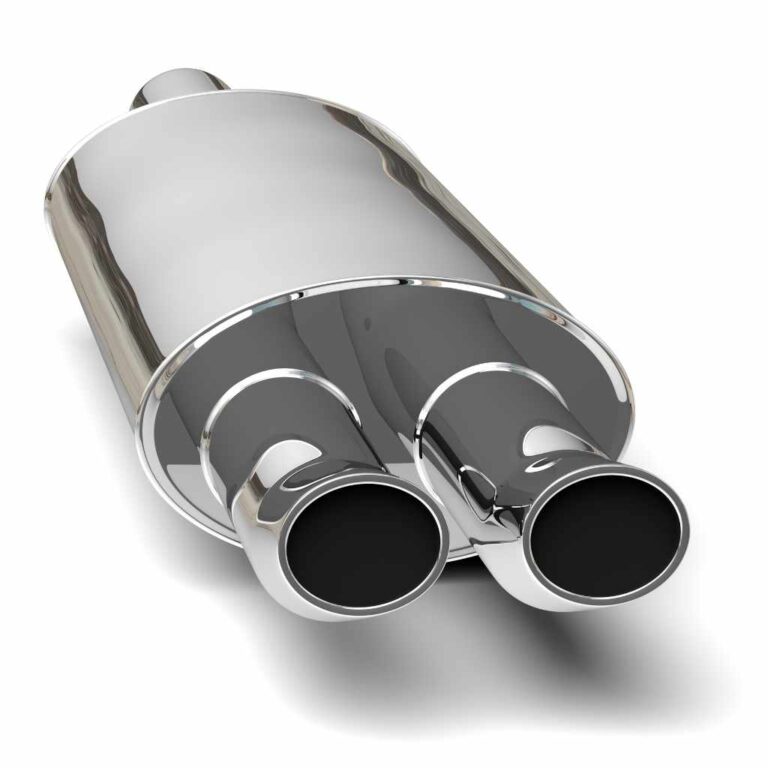
The muffler is the primary component that silences your exhaust. Swapping out your stock muffler for an aftermarket performance muffler is one of the most popular ways to get a sportier sound. Performance mufflers are designed to be less restrictive, allowing more exhaust gases to pass through.
They also use different internal baffling or packing materials that create a deeper, more aggressive tone.
When choosing a new muffler, consider the material it’s made from, such as stainless steel for durability. Also, look at its internal design. Some mufflers have a straight-through design, which offers the least restriction and a loud sound.
Others use perforated baffles, which can offer a good balance between sound and noise reduction. Always check reviews and sound clips to find one that matches your preference.
Choosing The Right Performance Muffler
There are many types of performance mufflers available, each offering a slightly different sound profile. Some are designed for a deep, throaty rumble, while others aim for a sharper, more aggressive tone. It’s helpful to listen to sound clips online from other car owners who have installed the muffler you are considering.
This will give you a realistic idea of how it will sound on your specific car.
Material is also important. Stainless steel mufflers are popular because they resist rust and corrosion, lasting longer. Some mufflers are designed for specific car makes and models, ensuring a good fit.
Always check the specifications of the muffler to ensure compatibility with your vehicle’s exhaust system.
Installing A Cat-Back Exhaust System
A cat-back exhaust system replaces everything from the catalytic converter to the tailpipe. This means you are upgrading the exhaust piping, the muffler, and the tailpipe. These systems are designed to improve exhaust flow and produce a sportier sound.
They are generally a more comprehensive upgrade than just changing the muffler.
Cat-back systems often use larger diameter pipes to allow exhaust gases to flow more freely. The muffler and tailpipe are also specifically chosen to produce a desirable sound. Many cat-back systems are engineered to provide a performance increase along with the enhanced sound.
This is because less backpressure means the engine can expel exhaust gases more easily, leading to better efficiency.
Benefits Of A Cat-Back System
-
- Improved Sound Quality: Cat-back systems are designed to produce a deeper, more aggressive, and sportier exhaust note.
The internal design of the muffler and the diameter of the pipes in a cat-back system are optimized for sound. This means you get a pleasing rumble that many car enthusiasts desire, without excessive drone or harshness.
-
- Potential Performance Gains: By reducing restrictions, these systems can help your engine breathe better.
A less restricted exhaust allows exhaust gases to exit the engine more quickly. This reduction in backpressure can lead to a slight increase in horsepower and torque, especially when combined with other modifications.
-
- Durability and Aesthetics: Many aftermarket cat-back systems are made from high-quality materials like stainless steel.
This makes them more resistant to rust and corrosion than stock exhaust parts. They also often feature stylish tailpipe designs that can enhance your car’s appearance.
Replacing The Resonator
The resonator is a smaller chamber in the exhaust system, typically located before the muffler. Its job is to cancel out certain unwanted sound frequencies, often referred to as drone. Removing or replacing the resonator can significantly alter the exhaust note, usually making it louder and more aggressive.
Many enthusiasts choose to delete their resonator for a louder sound. This involves replacing the resonator with a straight piece of pipe. However, this can sometimes introduce an unpleasant drone at certain RPMs, which can be annoying on long drives.
Some aftermarket systems offer high-flow resonators that improve sound without excessive drone.
Resonator Delete Pros And Cons
| Pros | Cons |
|---|---|
| Louder exhaust sound. | Potential for unwanted drone at certain speeds. |
| Deeper exhaust tone. | May not be legal in all areas due to noise regulations. |
| Simple modification. | Can make the exhaust sound too harsh or raspy. |
Removing a resonator is often a straightforward process. It involves cutting out the existing resonator and welding in a straight pipe. This is a relatively inexpensive modification.
However, the effect on sound can be dramatic and might require further adjustments if the result isn’t what you expected.
Advanced Modifications For A Sportier Exhaust
For those looking for more significant changes or a truly unique sound, this section delves into more advanced modifications. These options often require more technical knowledge or professional installation but can yield more dramatic results in terms of both sound and performance.
Installing Performance Headers
Headers, also known as exhaust manifolds, replace the stock manifold. They are designed to channel exhaust gases from each cylinder more efficiently into a single pipe. Performance headers typically have smoother bends and equal-length primary tubes.
This design minimizes turbulence and backpressure, allowing exhaust gases to escape more quickly.
The result is often an increase in horsepower and torque, as well as a change in exhaust sound. Headers can produce a more aggressive, raspy tone, especially at higher RPMs. They are a more involved modification than a simple muffler swap and often require professional installation to ensure proper fitment and exhaust sealing.
How Headers Improve Exhaust Flow
Stock exhaust manifolds are often designed with cost and packaging in mind, not maximum performance. They can have uneven tube lengths and sharp bends that restrict exhaust flow. This restriction forces the engine to work harder to expel exhaust gases.
Performance headers are engineered with primary tubes of equal length. This equal length ensures that exhaust pulses from each cylinder arrive at the collector at optimal times, creating a scavenging effect. This scavenging pulls exhaust gases out of the cylinders more effectively.
The smoother, less restrictive bends further aid this process.
High-Flow Catalytic Converters
The catalytic converter is essential for reducing harmful emissions. However, stock catalytic converters can be quite restrictive, hindering exhaust flow. A high-flow catalytic converter uses a more open internal matrix, allowing exhaust gases to pass through with less resistance.
This can lead to a slight increase in performance and a subtle change in exhaust sound.
While a high-flow cat is less restrictive than a stock one, it still performs its emissions control function. This makes it a good option for enthusiasts who want a better-sounding exhaust without sacrificing environmental responsibility or risking legal issues with emission checks. The sound change is usually less dramatic than other modifications but contributes to an overall sportier tone.
Why Catalytic Converters Restrict Flow
Inside a catalytic converter, there is a honeycomb structure coated with precious metals like platinum, palladium, and rhodium. These metals facilitate chemical reactions that convert harmful pollutants into less harmful substances. The honeycomb design provides a large surface area for these reactions.
However, this honeycomb structure creates a significant bottleneck for exhaust gases. The smaller passages and the sheer density of the material impede the flow. High-flow catalytic converters use a less dense matrix or larger cell openings, allowing exhaust gases to pass through more easily.
Despite the modification, they must still meet emissions standards.
Exhaust Tip Styles And Sound
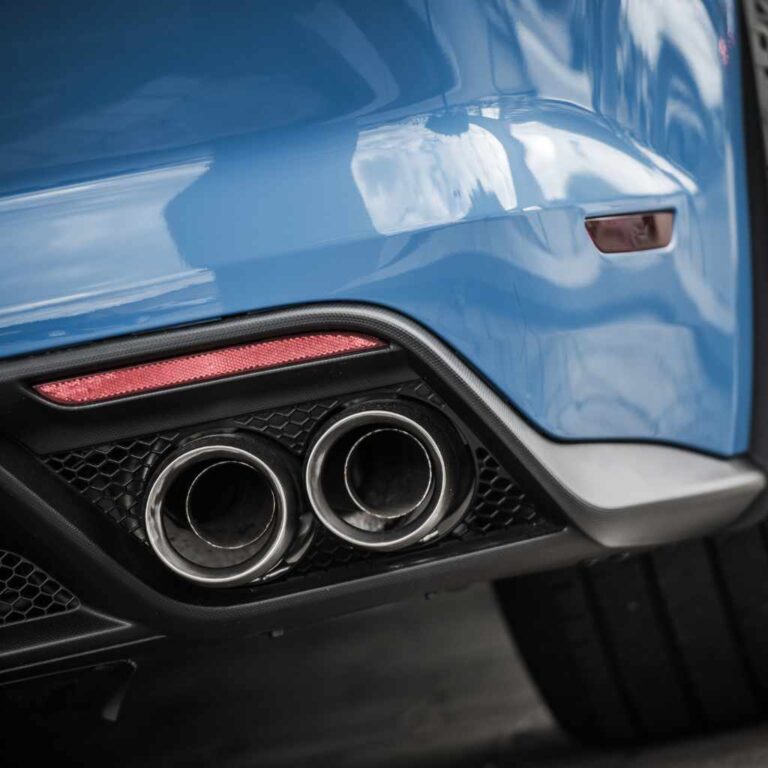
While exhaust tips themselves don’t fundamentally change the sound of your exhaust system as much as other components, they can influence the final tone and appearance. Different tip styles and sizes can subtly alter the way the exhaust gases exit, affecting the perceived sound. More importantly, they are a crucial visual element of a sporty exhaust.
Larger diameter tips can sometimes create a slightly deeper tone, while rolled tips or slash-cut tips can offer a different aesthetic. Many enthusiasts choose polished stainless steel, carbon fiber, or titanium tips for their premium look. The main purpose of a tip is often to provide a finishing touch and a more aggressive appearance to the rear of the vehicle.
Common Exhaust Tip Designs
-
- Straight Cut: A simple, clean cut at the end of the pipe. Offers a no-frills look.
Straight-cut tips are straightforward and common. They are easy to manufacture and install, making them a popular choice for a basic upgrade.
-
- Rolled Edge: The edge of the pipe is rolled outwards, creating a smooth, finished look.
Rolled edge tips offer a more refined appearance. The curved edge can sometimes help direct sound slightly differently, though the impact on overall tone is minimal.
-
- Slash Cut: The end of the pipe is cut at an angle, often matching the bumper’s contour.
Slash-cut tips are popular for their sporty, aggressive look. The angled cut can make the exhaust tip appear larger and more prominent.
-
- Double Wall Tips: Features an inner pipe and an outer sleeve, creating a substantial look.
Double-wall tips add visual weight and a premium feel to the exhaust. The outer wall provides protection and a sleek finish.
Important Considerations Before Modifying
Before you start making changes to your car’s exhaust, it’s really important to think about a few things. This will help you avoid problems and make sure you’re happy with the results. We will cover legal aspects, potential side effects, and how to choose the right parts for your car.
Legal Regulations And Emissions
Many places have laws about how loud a car’s exhaust can be. Modifying your exhaust to be too loud can result in fines or other penalties. It is also important to consider emissions.
Removing or tampering with your catalytic converter is illegal in most regions and can cause your car to fail emissions tests.
Always check your local noise ordinances and emission standards before making any changes. Some modifications, like high-flow catalytic converters, are designed to meet these regulations while still improving performance and sound. Being aware of these rules ensures you can enjoy your car’s new sound legally.
Understanding Local Laws
Laws regarding vehicle modifications vary significantly by state, province, and country. Some areas have strict decibel limits for exhaust noise, often measured at a certain distance from the vehicle. Other regulations might focus on the type of modifications allowed, particularly concerning emissions control equipment.
For example, many regions prohibit the removal or alteration of the catalytic converter. Exhaust systems that eliminate catalytic converters are generally illegal for street use. It’s crucial to research the specific laws applicable to your location to avoid legal trouble.
Websites for your local department of motor vehicles or environmental protection agency are good places to start.
Impact On Vehicle Performance
While many exhaust modifications aim to improve performance, some can actually hinder it if not done correctly. For instance, making the exhaust too large or too free-flowing without proper tuning can lead to a loss of low-end torque. This can make the car feel sluggish in everyday driving.
Conversely, exhaust systems that are too restrictive can also hurt performance. The sweet spot is a system that balances good exhaust flow with appropriate backpressure for your engine’s specific tuning. Some performance exhaust systems are designed to work best with other engine modifications, like a performance tune or cold air intake.
Balancing Sound And Performance
Achieving the perfect balance between a sporty sound and optimal performance is key. A common misconception is that louder always means better performance. In reality, the efficiency of exhaust gas evacuation is more critical than sheer volume.
For example, a well-designed performance exhaust system might sound aggressive and powerful, but it also contributes to freeing up a few horsepower. This is because the engine can expel exhaust gases more easily, requiring less energy. If you’re looking for significant performance gains, consider a full exhaust system designed for your car model and potentially consult with a professional tuner.
Noise Levels And Drone
One of the most significant factors to consider is the level of noise and the potential for exhaust drone. Drone refers to a persistent, irritating humming or buzzing sound that can be heard inside the cabin, typically at steady cruising speeds. It’s often a byproduct of exhaust modifications that don’t effectively manage sound frequencies.
While a louder exhaust might be desirable from the outside, a constant drone inside the car can make driving unpleasant. Many high-quality aftermarket exhaust systems are designed with internal baffling or resonators specifically to minimize drone while still providing an aggressive exterior sound. Listening to sound clips and reading reviews from other users is highly recommended.
Managing Exhaust Drone
Exhaust drone is caused by specific sound waves resonating within the exhaust system at certain engine RPMs. It can be a deal-breaker for many drivers. Fortunately, there are ways to manage or eliminate it.
One effective method is to install a resonator in the exhaust system. Resonators are designed to cancel out specific sound frequencies. Another option is to use an exhaust system that has been carefully engineered to avoid drone, often featuring complex internal muffler designs.
Some manufacturers offer “variable” mufflers that can adjust their sound profile.
Compatibility With Your Vehicle
Not all exhaust parts are interchangeable. It is vital to ensure that any modification you choose is specifically designed for your car’s make, model, year, and engine. Using parts that aren’t a perfect fit can lead to installation problems, exhaust leaks, and suboptimal performance.
Always verify the compatibility of a part before purchasing it. Check product descriptions carefully, and if unsure, consult with the manufacturer or a reputable auto parts store. Some universal parts might require custom fabrication to fit properly, which adds to the cost and complexity.
Ensuring Proper Fitment
Fitment refers to how well an aftermarket part lines up with the existing mounting points and connections on your vehicle. A poorly fitting exhaust can cause leaks at the connection points, leading to a quieter sound or even exhaust fumes entering the cabin. It can also put stress on other parts of the exhaust system.
Manufacturers of performance exhaust parts often list the exact vehicles their products are designed for. If you are buying a muffler or a full cat-back system, look for options that explicitly state compatibility with your car. For more complex parts like headers, professional installation is often recommended to guarantee a correct and leak-free fit.

Frequently Asked Questions
Question: Will changing my exhaust void my car’s warranty
Answer: It depends on the warranty provider and the specific modification. Some modifications, especially those that affect emissions or engine performance, could potentially void parts of your warranty. It’s best to check your warranty terms or consult with your dealership.
Question: How much does it cost to make an exhaust sound sporty
Answer: Costs can vary widely. A simple muffler upgrade might cost a few hundred dollars. A full cat-back exhaust system can range from $500 to over $1500.
Performance headers and specialized systems can be even more expensive.
Question: Can I just remove my muffler for a sporty sound
Answer: You can, but it’s generally not recommended. While it will make your exhaust much louder, the sound might be unpleasantly harsh or raspy, and it could lead to issues like exhaust drone. It might also be illegal in your area.
Question: How long does it take to install an exhaust modification
Answer: A simple muffler replacement might take an hour or two for a professional. Installing a full cat-back system could take a few hours. More complex modifications like headers might require several hours or even a full day.
Question: Will a sporty exhaust improve my car’s gas mileage
Answer: In some cases, yes. If the new exhaust is less restrictive and allows the engine to breathe better, it can lead to slightly improved fuel efficiency. However, if the new sound encourages more aggressive driving, your mileage might decrease.
Summary
Making your exhaust sound sporty is achievable through several methods. Options range from simple muffler upgrades to full cat-back systems and performance headers. Always consider legal requirements, potential drone, and vehicle compatibility.
With the right choices, you can get the aggressive rumble you desire.