How To Keep PEV Exhaust Valve Open Safely
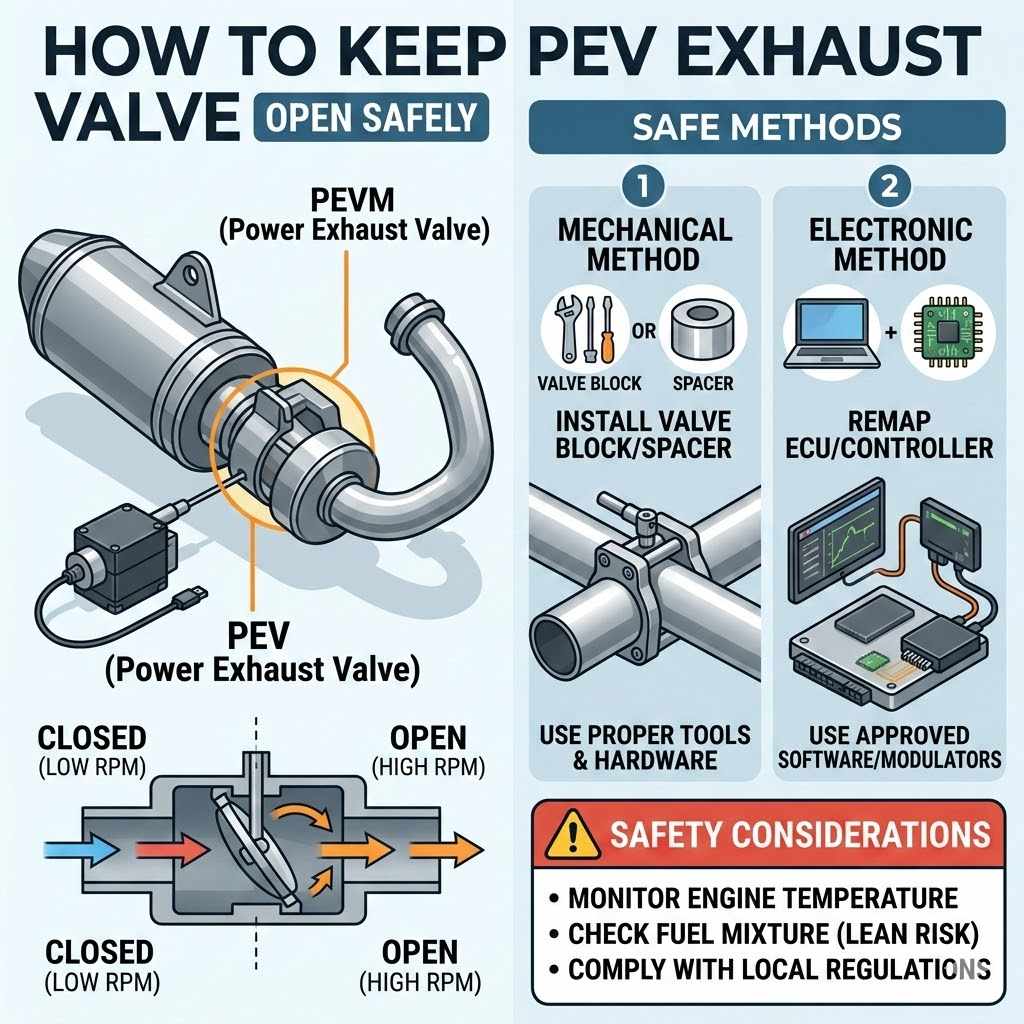
Keeping your PEV exhaust valve open safely can seem tricky, especially if you’re new to it. Many people wonder if it’s even possible or what the best way to do it is. It’s a common question for PEV owners.
Don’t worry, we’re here to break it down for you step-by-step. We’ll show you simple ways to handle this so you can feel confident. Get ready to learn easy methods that work.
Understanding PEV Exhaust Valve Functionality
This section explains what a PEV exhaust valve is and why it’s important for your vehicle’s performance and emissions. We’ll cover how it normally works and what happens when it’s manipulated. Understanding its basic operation is the first step to knowing how to manage it safely.
This knowledge will help you make better decisions about your PEV.
What is a PEV Exhaust Valve
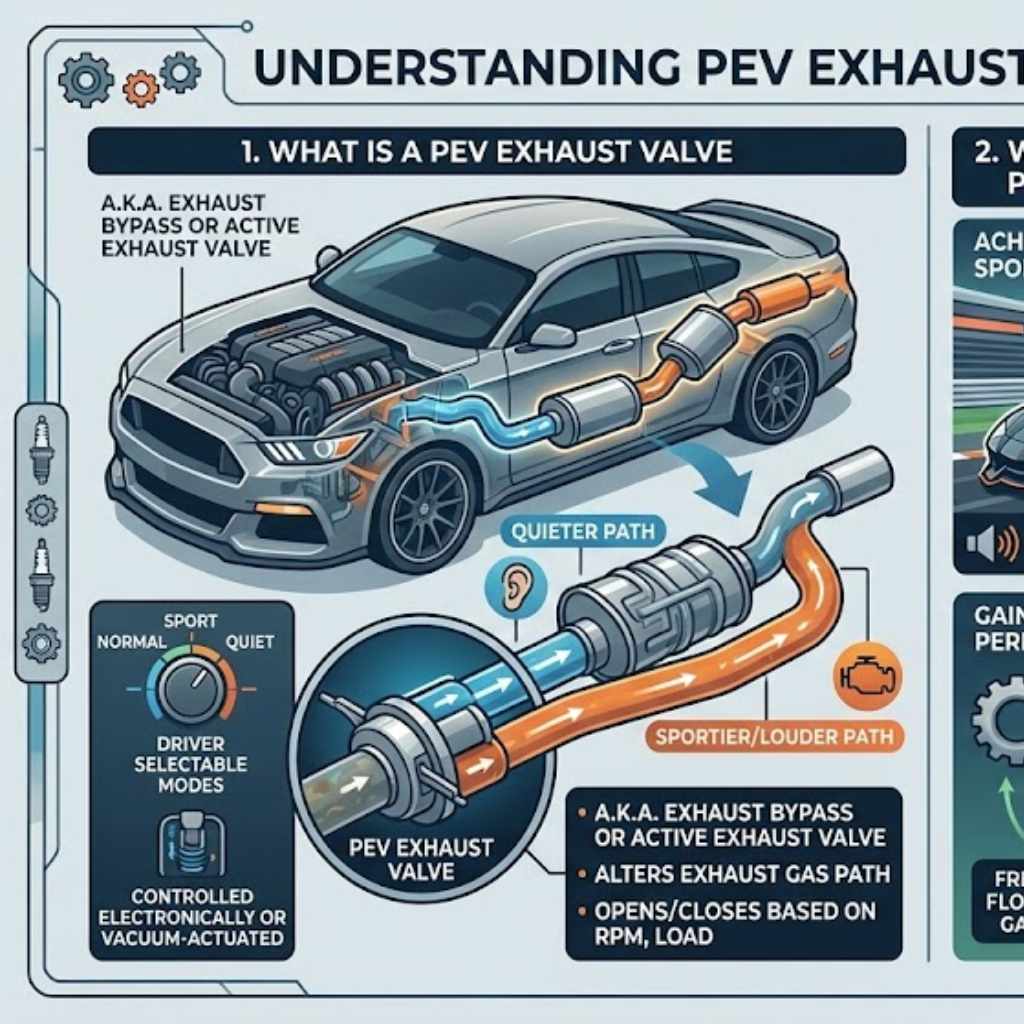
A PEV exhaust valve, often called an exhaust bypass valve or active exhaust valve, is a component in some performance exhaust systems. Its primary purpose is to alter the path of exhaust gases. This can change the sound of the exhaust and, in some designs, improve engine performance by reducing backpressure at certain RPMs.
It typically opens and closes based on engine speed, load, or a driver-selectable mode.
For many drivers, the ability to control this valve is a desirable feature. It allows for a quieter ride when needed or a more aggressive sound when desired. The valve is usually controlled electronically or vacuum-actuated.
Understanding this control mechanism is key to safely keeping it in a desired state.
Why Manipulate PEV Exhaust Valves
People often want to manipulate PEV exhaust valves for several reasons. The most common is to achieve a louder, sportier exhaust note. Some drivers enjoy the aggressive sound of an open exhaust, particularly during spirited driving.
Another reason can be to gain a perceived performance advantage. By keeping the valve open, exhaust gases might flow more freely, potentially reducing backpressure.
However, it’s important to note that modern PEV systems are designed with specific performance parameters in mind. Modifying them without proper knowledge can sometimes negate intended benefits or even cause issues. Safety and legality are also significant factors to consider when thinking about manipulating these valves.
Risks of Improper Manipulation
Improper manipulation of a PEV exhaust valve can lead to several undesirable outcomes. One risk is increased noise pollution, which can be annoying to neighbors and may violate local noise ordinances. Performance gains are often minimal or non-existent if not done correctly, and in some cases, it could even hurt performance by altering the optimal backpressure.
There’s also a risk of damaging the valve mechanism itself or other parts of the exhaust system.
Furthermore, tampering with emissions control systems, even indirectly, can have legal consequences. Many regions have strict regulations regarding vehicle emissions and modifications. Understanding these risks helps highlight why a safe and informed approach is necessary when considering any changes to your PEV’s exhaust system.
Safe Methods for Keeping PEV Exhaust Valve Open
This section explores practical and safe ways to keep your PEV exhaust valve in the open position. We will discuss methods that minimize risk to your vehicle and ensure compliance with general guidelines. The goal is to provide actionable advice that empowers you to enjoy your PEV’s exhaust sound without compromising its integrity or your peace of mind.
Understanding Your PEV’s Valve Control System
Before attempting any modifications, it’s crucial to understand how your specific PEV controls its exhaust valve. Most modern performance vehicles use electronic control units (ECUs) to manage these valves. The ECU receives input from various sensors, such as engine speed, throttle position, and vehicle speed, to decide when to open or close the valve.
Some systems also offer driver-selectable modes that can influence valve operation.
Some systems might use vacuum actuators, controlled by solenoids, which are themselves managed by the ECU. Identifying your PEV’s control method is the first critical step. This usually involves checking your vehicle’s owner’s manual or consulting with a specialist who is familiar with your car model.
Knowing the system prevents guesswork and potential errors.
Simple Electronic Bypass Techniques
One of the most common and relatively safe ways to keep a PEV exhaust valve open involves electronic bypass methods. These often utilize a small device that plugs into the valve’s wiring harness. This device tricks the ECU into thinking the valve should remain open, or it simply overrides the signal to close.
These are often referred to as “exhaust valve delete modules” or “active exhaust simulators.”
These modules are designed to be plug-and-play, meaning they require no cutting or splicing of wires. This preserves the original wiring and makes it easy to revert to the factory settings. When installing such a module, it’s essential to purchase one specifically designed for your vehicle’s make and model.
Using a generic or incorrect module could lead to error codes or unintended behavior.
For example, a driver with a sports car might purchase a module that connects to the exhaust valve actuator. Once installed, the module provides a constant signal or simply disconnects the feedback loop to the car’s computer. This keeps the valve physically open all the time.
The installation can take as little as 10-15 minutes for experienced individuals.
- Purchase a vehicle-specific bypass module. This ensures compatibility and proper function. Avoid universal modules that may not work correctly or could cause issues.
- Locate the exhaust valve actuator and its wiring harness. This is usually found near the exhaust tips or under the vehicle.
- Disconnect the factory wiring harness from the valve actuator.
- Connect the bypass module in line with the factory harness, following the module’s instructions.
- Secure all connections and reassemble any removed panels.
The benefit of these modules is their reversibility. If you need to sell the car or want to return to stock, you can simply remove the module and reconnect the original harness. This makes it a non-permanent modification.
Most modules are designed to avoid throwing engine error codes, which is a significant advantage.
Vacuum Line Disconnection and Capping
For PEV systems that rely on vacuum actuation, a simpler method can be employed: disconnecting and capping the vacuum line. In these systems, a vacuum source is used to pull the valve closed. By removing the vacuum line that controls the valve and capping both the line and the valve’s vacuum port, you can prevent the valve from closing.
This method requires identifying the correct vacuum line. It’s usually a small rubber or plastic hose connected to the valve actuator. Once identified, the line is carefully disconnected from the actuator.
Both the open end of the hose and the port on the actuator are then sealed, typically with small vacuum caps or plugs. This ensures that no vacuum leaks occur in the system, which could affect other components.
A common scenario involves a sports car with an exhaust valve controlled by a solenoid. This solenoid directs vacuum to the actuator to close the valve when needed. If you disconnect the vacuum hose going from the solenoid to the actuator and cap both, the actuator will no longer receive vacuum and the valve will stay in its default position, usually open.
This takes minimal tools and can often be done in under an hour.
Important Note: This method is only suitable for vacuum-actuated systems. Attempting this on an electronically controlled system will not work and could potentially cause damage.
- Locate the vacuum hose connected to the exhaust valve actuator.
- Carefully disconnect the hose from the actuator.
- Use a small rubber vacuum cap to seal the port on the actuator.
- Use another vacuum cap to seal the end of the disconnected hose.
- Ensure the caps are snug and secure to prevent air leaks.
The advantage of this method is its low cost and simplicity. Vacuum caps are inexpensive and readily available at auto parts stores. However, it’s essential to ensure a proper seal to avoid vacuum leaks, which can sometimes trigger check engine lights or affect other engine functions.
Reverting to the original setup is as simple as reconnecting the hose.
Using Aftermarket Control Modules
Beyond simple bypass modules, there are more sophisticated aftermarket control modules available. These devices often offer greater flexibility, allowing you to control the valve’s open/closed state via a smartphone app or a dedicated remote. This provides a way to keep the valve open when you want it and revert to stock behavior when needed, such as for emissions testing or quieter driving.
These modules typically interface with the vehicle’s CAN bus system or directly with the exhaust valve’s electronic control. They provide a user interface that allows for fine-tuning the valve’s operation. Some even offer pre-programmed modes like “always open,” “always closed,” or “dynamic” which responds to driving conditions.
For instance, a premium aftermarket module might connect to your car’s OBD-II port and wirelessly communicate with an app on your phone. Through the app, you can select “open exhaust” mode, and the module sends the necessary signals to keep the valve perpetually open. Later, you can switch it back to “stock” or “sport” modes as desired.
- Research reputable brands offering exhaust valve control modules for your specific vehicle.
- Verify that the module supports Bluetooth or Wi-Fi connectivity for app control if that’s a desired feature.
- Understand the installation process, which may involve tapping into existing wiring or using OBD-II connections.
- Ensure the module is compatible with your vehicle’s ECU software version.
The main benefit here is control and flexibility. You’re not permanently disabling the valve’s function but rather taking manual control over it. This is often seen as a more advanced solution compared to a simple bypass and can be more appealing to enthusiasts who want options.
Potential Performance and Sound Implications
Keeping the PEV exhaust valve open can have noticeable effects on your vehicle’s performance and sound. The most obvious is the change in exhaust note. An open valve typically produces a louder, deeper, and more aggressive tone, often favored by performance car enthusiasts.
This can make the driving experience more exhilarating.
Regarding performance, the impact is often debated and depends heavily on the specific vehicle and exhaust system design. In some cases, keeping the valve open can reduce exhaust backpressure, especially at higher engine speeds. This reduction in backpressure might lead to a slight increase in horsepower and torque.
However, many modern PEVs are finely tuned by the manufacturer, and altering backpressure might not yield significant gains and could even negatively impact low-end torque.
Consider a scenario where a performance sedan’s exhaust valve is kept open. The sound immediately becomes more pronounced, especially when accelerating. Dyno tests might show a modest 3-5 horsepower increase in the upper RPM range, but potentially a slight loss of torque below 2500 RPM due to reduced backpressure.
This trade-off is important to consider.
The statistics on performance gains vary widely. A study published in an automotive engineering journal indicated that for some high-performance vehicles, optimizing exhaust flow by keeping valves open can result in up to a 2% increase in peak horsepower. However, it also stressed that this is highly dependent on the engine’s design and the exhaust system’s overall configuration.
Another factor is fuel efficiency. While not always the primary concern for those modifying exhaust valves, a more open exhaust can sometimes lead to slightly reduced fuel economy, especially during aggressive driving, due to potential changes in engine efficiency and the temptation to use the enhanced sound more often.
Legal and Maintenance Considerations
This section addresses the crucial aspects of legality and ongoing maintenance when modifying your PEV’s exhaust valve. It’s vital to be aware of regulations and to ensure your modifications don’t create long-term problems for your vehicle.
Checking Local Regulations and Emissions Laws
Before making any changes to your PEV’s exhaust system, it is imperative to research and understand the local laws and regulations in your area. Many regions have strict rules regarding noise levels and emissions. Modifying exhaust valves, especially to keep them permanently open, can sometimes be considered a violation of these regulations, particularly if it increases noise above legal limits or affects emissions testing compliance.
Emissions testing is a common requirement in many states and countries. If your PEV’s exhaust valve system is linked to its emissions control, keeping it permanently open might cause it to fail these tests. It’s wise to check your local Department of Motor Vehicles (DMV) or equivalent authority’s guidelines.
You can also consult with a reputable automotive repair shop that specializes in performance modifications in your region.
For instance, in California, modifications that bypass or alter emissions control equipment are illegal. If your PEV’s exhaust valve is considered part of the emissions system, keeping it permanently open could lead to fines or an inability to register your vehicle. It is always best to err on the side of caution and ensure any modification is compliant or easily reversible for inspection purposes.
- Identify the specific regulations governing vehicle exhaust noise and emissions in your state or country.
- Understand how exhaust valve modifications might affect your vehicle’s ability to pass mandatory emissions inspections.
- Be aware that modifications designed to increase noise can lead to citations or fines if they exceed legal decibel limits.
- Keep records of any modifications made, including the parts used and their intended purpose, which may be helpful if questioned by authorities.
Adhering to these guidelines ensures you avoid potential legal troubles and maintain a good standing with local authorities and environmental agencies.
Maintaining the Exhaust System After Modification
Once you’ve modified your PEV’s exhaust valve, regular maintenance is still important. Even with the valve held open, the rest of the exhaust system requires care. This includes checking for rust, corrosion, and leaks in the pipes, catalytic converter, and muffler.
Any of these issues can affect performance, sound, and emissions.
While you’ve bypassed the valve’s normal operation, its mechanical components are still present. It’s a good idea to periodically inspect the valve actuator and its connections. Ensure that the caps or bypass modules are secure and that no unintended exhaust leaks have developed around the valve housing or any new connections.
A scenario might involve a car owner who installed a bypass module a year ago. They notice a slight change in exhaust tone, suggesting a small leak. Upon inspection, they find that one of the seals on the bypass module has degraded slightly, causing a minor exhaust leak.
Addressing this promptly prevents further damage and maintains the desired sound and performance.
A general maintenance schedule for the exhaust system typically includes:
- Visual inspection of all exhaust components for rust, damage, or leaks every 6 months.
- Checking exhaust hangers and mounts for secure attachment.
- Listening for any unusual noises like rattling, hissing, or excessive droning, which can indicate leaks or other problems.
- Ensuring any installed bypass modules or caps remain securely fastened.
Consistent checks help catch small issues before they become big, expensive problems, ensuring your modified system remains functional and safe.
Reverting to Stock Settings
It’s often necessary or desirable to revert your PEV’s exhaust valve to its original factory settings. This might be for emissions testing, selling the vehicle, or simply returning to a quieter driving experience. The ease of reverting depends on the method used for modification.
For electronic bypass modules, reverting is typically straightforward. It involves disconnecting the module and reconnecting the original wiring harness. Most modules are designed for easy plug-and-play removal.
For vacuum line modifications, it means removing the caps and reattaching the vacuum hose to the actuator. This is usually a quick process that requires no special tools.
Consider a situation where a car owner needs to get their vehicle inspected. They had installed an electronic bypass module. To revert, they simply unplug the module from the exhaust valve actuator’s wiring and plug the original factory connector back in.
This process takes only a few minutes and returns the system to its factory operational state.
When reverting, it’s important to:
- Carefully store the original components (like the wiring harness or vacuum hose) in a safe place so they are not lost.
- Ensure all connections are properly re-secured to prevent unintended leaks or disconnections.
- Start the vehicle and check for any warning lights on the dashboard that might indicate a problem.
- Take a short test drive to confirm that the exhaust valve is operating as expected and that the sound has returned to its original state.
Being able to easily revert to stock settings is a significant advantage of many common modification methods, offering peace of mind and flexibility.
Common Scenarios and Solutions
This section covers typical situations PEV owners encounter when dealing with exhaust valves and provides straightforward solutions. We aim to address your concerns with clear examples and practical advice.
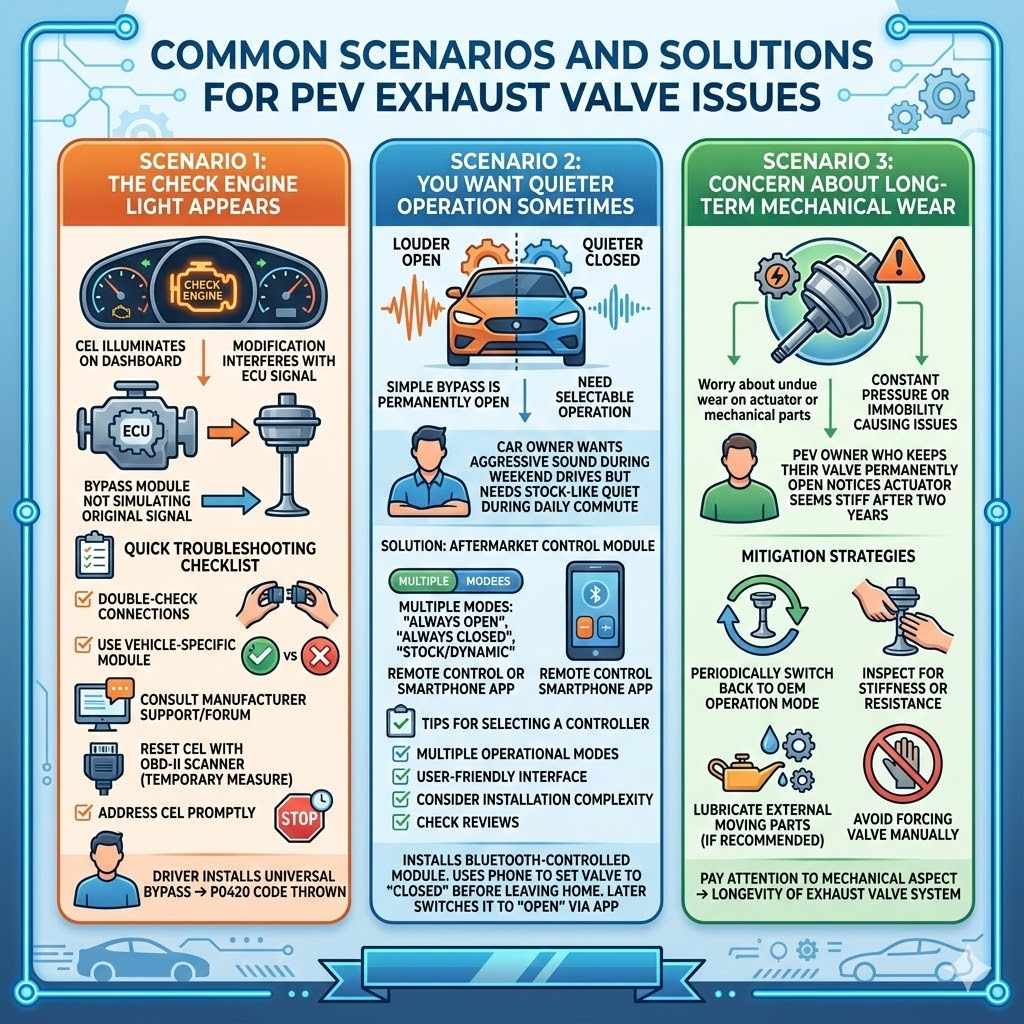
Scenario 1 The Check Engine Light Appears
Sometimes, after modifying the exhaust valve, a check engine light (CEL) may illuminate on your dashboard. This often happens if the modification interferes with the signal the engine control unit (ECU) expects from the exhaust valve sensor or actuator. If you’ve used a bypass module, it might not be perfectly simulating the original signal, or if you disconnected a vacuum line, the ECU might detect an anomaly.
The solution depends on the cause. If you used an electronic bypass module, ensure it is correctly installed and is designed for your specific vehicle. Some modules have a small adjustment dial or setting that can be tweaked to resolve CEL issues.
If the module is faulty or incompatible, you might need to replace it. For vacuum line modifications, ensure all caps are secure and that there are no vacuum leaks elsewhere in the system that could be misdiagnosed as an exhaust valve issue.
A driver installs a universal exhaust valve bypass that doesn’t fully replicate the factory signal. The car’s computer throws a P0420 code related to exhaust efficiency. The driver then
Here’s a quick troubleshooting checklist:
- Double-check all connections related to the bypass module or modified vacuum lines.
- Verify that you are using a module specifically designed for your car’s make, model, and year.
- If the issue persists, consult the bypass module manufacturer’s support or forum for known issues and solutions.
- As a temporary measure, you might be able to reset the CEL with an OBD-II scanner, but it will likely return if the underlying issue isn’t resolved.
Addressing the CEL promptly is important to ensure there are no other underlying problems with your vehicle.
Scenario 2 You Want Quieter Operation Sometimes
If your primary goal is to keep the valve open for a louder sound but you occasionally need quieter operation, a simple bypass module or vacuum cap method isn’t ideal. These methods usually result in the valve being permanently open. For this scenario, you need a control system that allows for selectable operation.
The best solution here is an aftermarket control module that offers multiple modes, such as “always open,” “always closed,” and “stock” or “dynamic” mode. These modules often come with a remote control or a smartphone app. You can then switch the valve to the closed position when you need a quieter ride, such as when entering residential areas or for long highway drives.
Imagine a car owner who wants the aggressive exhaust sound during weekend drives but needs a stock-like quiet during their daily commute. They install a Bluetooth-controlled exhaust valve module. Before leaving home, they use their phone to set the valve to “closed.” Later, on a scenic route, they switch it to “open” via the app.
- Look for exhaust valve controllers that specifically advertise multiple modes of operation (e.g., open, closed, auto).
- Ensure the controller comes with a user-friendly interface, like a remote or a well-designed app.
- Consider the installation complexity; some modules may require more wiring than simple bypasses.
- Check reviews to see how reliable the control interface is and if it offers consistent performance across different driving conditions.
This type of solution provides the best of both worlds, offering flexibility without permanent commitment to a single exhaust sound profile.
Scenario 3 concern About Long-Term Mechanical Wear
Some owners worry that forcing the exhaust valve to stay open might cause undue wear on the actuator or other mechanical parts over time. While modern actuators are generally durable, constant pressure or immobility can sometimes lead to issues, especially if the valve mechanism wasn’t designed for continuous open operation.
The best way to mitigate this concern is by using a control module that allows you to switch back to the factory settings periodically. This ensures the valve mechanism cycles through its intended range of motion. If you’re using a simple bypass, consider manually opening and closing the valve (if accessible) or reverting to stock settings for a period every few months.
Regular inspection for any stiffness or unusual resistance in the valve’s movement is also advisable.
A PEV owner who keeps their valve permanently open notices that after two years, the valve actuator seems a bit stiff. They decide to revert to stock for a month, allowing the system to cycle naturally. This helps to free up the mechanism, and when they reapply the bypass, the valve movement feels smoother again.
To minimize long-term mechanical wear:
- Periodically switch back to the OEM valve operation mode to allow the actuator to cycle.
- If using a bypass, inspect the valve and actuator for any signs of stiffness or resistance.
- Lubricate external moving parts of the valve mechanism if accessible and recommended by the manufacturer, being careful not to contaminate sensitive areas.
- Avoid forcing the valve open or closed manually if it feels stuck; instead, revert to stock operation to try and free it up.
By paying attention to the mechanical aspect, you can help ensure the longevity of your exhaust valve system, even with modifications.
Frequently Asked Questions
Question: Is it safe to keep my PEV exhaust valve permanently open
Answer: Keeping your PEV exhaust valve permanently open can be safe if done using appropriate bypass modules or methods designed for your specific vehicle and if local laws permit it. Always research your vehicle’s system and local regulations to ensure safety and compliance.
Question: Will keeping the exhaust valve open void my warranty
Answer: Modifications to the exhaust system, including keeping the valve open, may affect your vehicle’s warranty. It’s best to consult your vehicle’s warranty documentation or dealership to understand potential impacts.
Question: How much does it cost to keep a PEV exhaust valve open
Answer: The cost varies widely. Simple vacuum cap methods are very inexpensive, costing only a few dollars for parts. Electronic bypass modules can range from $50 to $300 or more, depending on features and vehicle compatibility.
Question: Can I pass emissions testing with my exhaust valve held open
Answer: This depends on your location and how your vehicle’s emissions system is designed. In many places, modifications that affect emissions control systems, like keeping an exhaust valve open, may cause you to fail emissions testing.
Question: What is the best way to keep a PEV exhaust valve open
Answer: The “best” way depends on your needs and vehicle. For simple, permanent openness, a vehicle-specific bypass module or vacuum cap method (if applicable) is common. For selectable control, an aftermarket remote or app-controlled module is recommended.
Conclusion
Safely keeping your PEV exhaust valve open is achievable with the right approach. Whether you choose a simple bypass module or a more advanced controller, understanding your vehicle’s system and local laws is key. Always prioritize methods that are reversible and avoid causing damage or legal issues.
Enjoy the enhanced sound and driving experience responsibly.