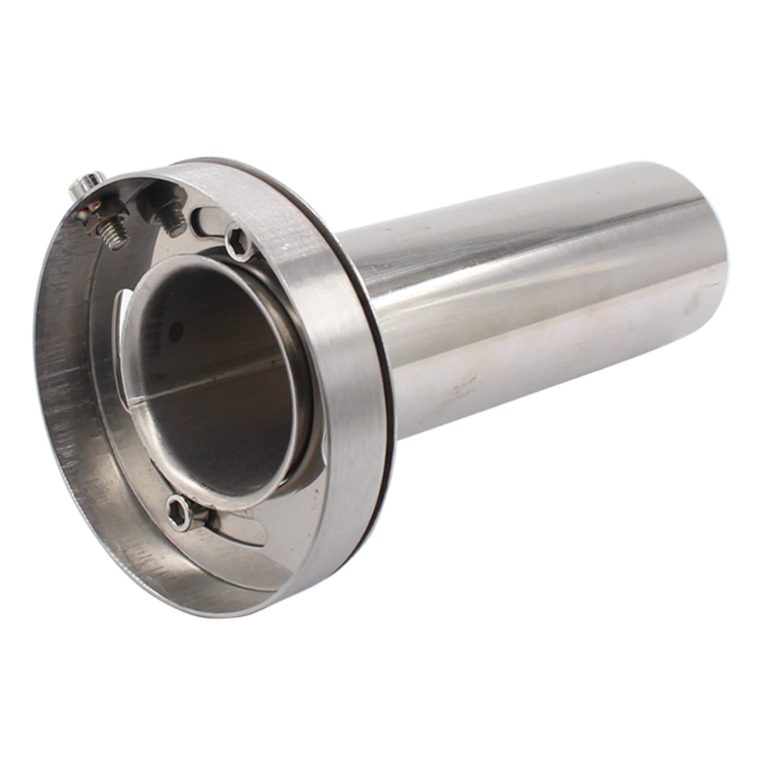
How to Block a Car Exhaust Properly
Lots of people wonder about how to block a car exhaust properly. It can seem a bit tricky, especially if you haven’t done it before. You might be thinking, “Is this hard?” or “What’s the best way to do this safely?” Don’t worry, it’s simpler than you might think.
This guide will show you exactly what to do, step-by-step. We’ll cover everything you need to know to get it done right the first time.
What is Blocking a Car Exhaust
Blocking a car exhaust means temporarily stopping the flow of gases from leaving the tailpipe. People do this for various reasons, sometimes for specific maintenance tasks or during certain types of vehicle testing. It’s a straightforward process once you know the right way to approach it.
The goal is to seal the exit point of the exhaust system effectively without causing any harm to the vehicle or yourself. This action can be important for certain repair or diagnostic procedures. Knowing how to do it safely and correctly is key to avoiding any unwanted issues.
Why Block An Exhaust
There are several practical reasons why someone might need to block a car exhaust. One common scenario is when working on parts of the exhaust system itself, like replacing a muffler or a catalytic converter. By blocking the exhaust, you prevent exhaust fumes from escaping, which is important for safety and for ensuring certain repairs can be done cleanly.
Another reason could be for emissions testing or diagnostics, where a controlled environment is needed to measure specific outputs. Sometimes, it might be used to help diagnose leaks in the exhaust system by building up a small amount of backpressure.
- Maintenance and RepairsWhen you need to work on your car’s exhaust system, like changing a part or fixing a leak, blocking the tailpipe is often a smart move. This stops dangerous exhaust gases from coming out while you’re underneath the car or working near the engine. It keeps the air cleaner around your workspace and makes the job safer.
Imagine you are trying to weld a small hole in your muffler. If you don’t block the exhaust, hot gases will constantly blow out, making it very difficult to do the welding properly and safely.
- Emissions Testing and DiagnosticsSometimes, mechanics need to test how a car’s engine is running. They might block the exhaust to measure how the engine performs under specific conditions. For example, if a car is failing an emissions test, a mechanic might block the exhaust to see if the engine is producing too much of a certain gas.
This helps them pinpoint the exact problem. It’s like putting a cap on a bottle to see how much air pressure builds up inside. This helps them figure out if there’s an issue with how the engine is burning fuel.
- Preventing Fumes in Enclosed SpacesIf you are working on a car in a garage or any enclosed area, exhaust fumes can build up quickly. Blocking the exhaust temporarily can help keep the air breathable while you are working. This is a vital safety measure to prevent carbon monoxide poisoning.
Even a running engine produces harmful gases, and in a closed space, these can become dangerous very fast. Blocking the exhaust and ensuring good ventilation is a critical step for anyone working on cars indoors.
Safety Precautions Before You Start
Safety is the most important thing when dealing with car exhaust. Exhaust fumes are toxic and can cause serious health problems. Always make sure you are working in a well-ventilated area, like an open garage or outdoors.
Never run an engine with the exhaust blocked for more than a very short period, as this can cause damage to the engine and exhaust system due to excessive heat and pressure buildup. Wear gloves and eye protection. Also, ensure the blocking material is heat-resistant and won’t melt or catch fire easily.
Double-check that your blocking material is securely in place before starting the engine.

How to Block a Car Exhaust Properly Step By Step
Learning how to block a car exhaust properly involves a few key steps. It’s about choosing the right materials and applying them correctly. We will walk through the process so you can feel confident.
This method aims to create a temporary seal that holds up during your work. It’s designed to be easy for beginners while still being effective. Following these steps will ensure you achieve the desired outcome safely and efficiently, making your repair or diagnostic task much smoother.
Choosing the Right Blocking Material
The material you use to block the exhaust is very important. It needs to be able to withstand heat and create a good seal. Some common and effective options include specialized exhaust plugs, thick rags or towels, or even a sturdy piece of metal that fits snugly.
It’s crucial that whatever you use is clean and doesn’t contain anything that could easily burn or melt. You don’t want the material to disintegrate or leave residue in your exhaust pipe. The size of the material should also match the diameter of your tailpipe.
- Specialized Exhaust PlugsThese are rubber or silicone plugs designed specifically for blocking exhaust pipes. They come in various sizes and are made to handle high temperatures. Many mechanics prefer these because they are reusable, create a tight seal, and are very safe.
They are shaped to fit inside the tailpipe opening, offering a secure and reliable blockage. You can usually find them at auto parts stores or online. They are a great investment if you plan on doing regular car maintenance.
- Heavy-Duty Rags or TowelsFor a quick fix or if you don’t have specialized plugs, thick, clean rags or towels can work. Make sure they are made of dense material like cotton and are not flammable. You’ll want to use several layers to ensure a good seal and to provide some insulation against heat.
It’s important that the rags are firmly packed into the tailpipe. Be aware that this is a more temporary solution and might not hold as well under high heat or pressure for extended periods.
- Metal Plates or DiscsA piece of metal, like a steel disc or plate cut to the size of your tailpipe’s opening, can also be effective. It needs to be a snug fit. Sometimes, mechanics will use a plate that can be temporarily bolted or clamped in place for a very secure blockage.
This is a more robust solution and is often used for longer-term or more demanding situations. Ensure the metal is clean and free from any rust or debris that could flake off into the exhaust system.
The Step-by-Step Process
Now, let’s go through how to block a car exhaust properly. First, gather your chosen material and any tools you might need, like gloves. Make sure the engine is off and the exhaust pipe is cool to the touch.
If it’s hot, wait for it to cool down to avoid burns. This is a critical safety step before you even begin the blocking process. Allowing sufficient cooling time prevents injury and ensures the material you use can create a good seal without melting.
- Cool Down The Exhaust PipeBefore you touch anything, make sure the car’s exhaust pipe is completely cool. You can usually tell if it’s still warm by carefully touching it with the back of your hand. If it’s too hot to touch comfortably, it’s definitely too hot to block.
Wait at least 30 minutes to an hour after the car has been turned off, especially if it was running for a while. This cooling period is essential for your safety and to prevent any damage to the blocking material or the exhaust system itself.
- Prepare Your Blocking MaterialIf you are using rags, fold them tightly into a compact shape that will fit into the tailpipe. If you are using a metal plate, ensure it’s clean and the right size. For specialized plugs, make sure you have the correct diameter for your vehicle’s exhaust pipe.
The preparation step ensures that when it’s time to insert the material, it’s ready to create a snug and effective seal without any fuss. Having everything prepared beforehand saves time and reduces the chance of errors.
- Insert The MaterialCarefully insert the prepared blocking material into the tailpipe. Push it in as far as it will go to create a good seal. If you are using rags, pack them in firmly.
If it’s a plug, push it in until it’s snug. You want it to be tight enough that exhaust gases cannot easily escape around it. It should fit snugly, but not require excessive force that could damage the pipe.The goal is a secure, tight fit that prevents leaks.
- Secure If NecessaryFor some methods, especially with metal plates, you might need to secure them with a clamp or bolt to ensure they don’t pop out. For rags or plugs, a tight fit is usually enough. If you are using a metal plate, ensure the clamp or bolt is secure and won’t vibrate loose.
This step ensures the blockage stays in place during the time you need it, preventing accidental dislodging. A loose blockage can be ineffective and potentially hazardous if it comes out unexpectedly.
- Test Carefully (Briefly)If you need to run the engine for a very short time, do so carefully. Start the engine for only a few seconds. You should feel pressure building up behind the blockage, and no exhaust should be escaping from the tailpipe.
If you see or hear any escaping gas, turn the engine off immediately and re-secure the blockage. Over-running the engine with a blocked exhaust can cause serious damage to the engine and the exhaust system due to backpressure. A quick test confirms your blockage is working.
Common Mistakes to Avoid
When learning how to block a car exhaust properly, there are a few common mistakes people make. One is using materials that are not heat-resistant. Another is not letting the exhaust cool down enough, which can cause burns or melt the blocking material.
Also, some people try to block the exhaust too tightly or with too much force, potentially damaging the pipe. Finally, running the engine for too long with the exhaust blocked is a major error that can lead to costly repairs. Being aware of these pitfalls helps you avoid them.
Alternatives to Blocking The Exhaust
While knowing how to block a car exhaust properly is useful, there are sometimes alternative methods depending on your specific needs. Not every situation calls for a complete blockage. Sometimes, a partial blockage or a different approach can achieve the same goal.
Understanding these alternatives can give you more options and help you choose the best method for your task. It’s good to have a range of techniques at your disposal for different mechanical situations.
Partial Blockage Techniques
In some cases, you don’t need to completely seal the exhaust pipe. A partial blockage can be enough to create the necessary backpressure or redirect gases for certain tests. For example, you might use a slightly smaller plug or a loosely packed rag.
This allows some minimal gas flow while still affecting the overall pressure. This technique is often used when a full blockage might cause excessive strain on the engine or exhaust system. It’s a more nuanced approach for specific diagnostic needs.
- Using a Smaller PlugIf you have a selection of exhaust plugs, using one that is slightly smaller than the tailpipe’s opening can create a partial blockage. This means some gas will escape, but it will be restricted enough to build some backpressure. This is useful for tests where you need to simulate a partially restricted exhaust system without completely stopping the flow.
It allows for more controlled pressure experiments.
- Loosely Packed RagsInstead of stuffing rags in tightly, you can pack them more loosely. This will restrict the flow of exhaust gases rather than stopping it completely. The degree of restriction can be adjusted by how tightly you pack the rags.
This is a very adaptable method for fine-tuning the backpressure needed for a specific diagnostic scenario. It requires a bit of trial and error to get the right level of restriction.
Specialized Tools for Exhaust Work
Beyond simple plugs, there are specialized tools designed for working with exhaust systems. These might include exhaust backpressure testers that connect directly to the system or tools that help seal off different parts of the exhaust. These tools are often found in professional workshops and offer more precise control and diagnostic capabilities.
If you’re doing frequent or complex exhaust work, investing in some of these tools could be beneficial. They are engineered for specific tasks, ensuring accuracy and efficiency.
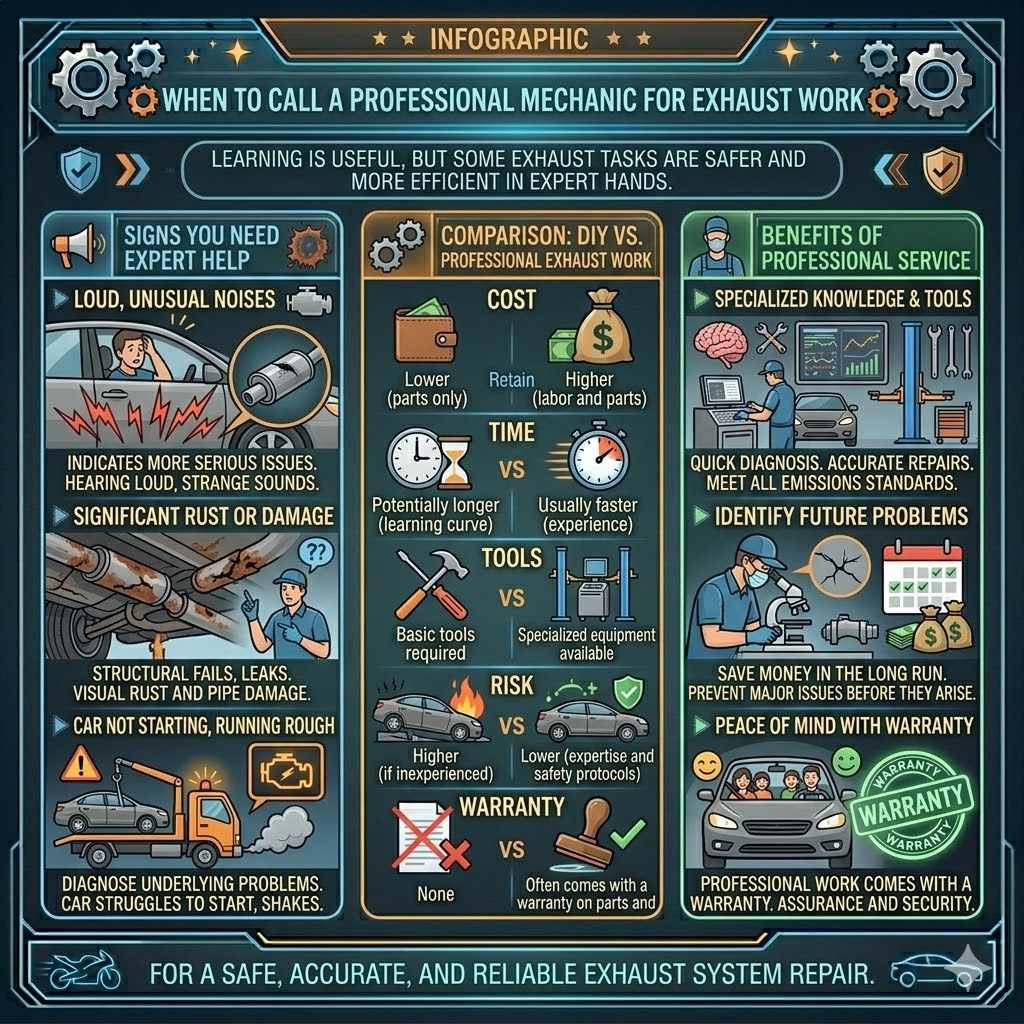
When To Call A Professional
While learning how to block a car exhaust properly is a useful skill, there are times when it’s best to leave the work to the professionals. If you are unsure about any step, if the job involves complex modifications, or if you don’t have the right tools, it’s safer to call a qualified mechanic. They have the experience and equipment to handle these tasks safely and efficiently.
Trying to do complex exhaust work without proper knowledge can lead to further damage or safety hazards.
Signs You Need Expert Help
Some situations clearly indicate that you should seek professional assistance. If you hear loud, unusual noises from your exhaust, or if you see significant rust or damage to the exhaust pipes, it’s a sign of a more serious issue. Also, if your car is not starting, running rough, or showing warning lights on the dashboard related to the engine or emissions, a mechanic can properly diagnose and fix the underlying problem.
Exhaust systems are complex, and improper handling can have wide-ranging effects on your vehicle’s performance and safety.
Here is a comparison of DIY vs. Professional Exhaust Work:
| Aspect | DIY (Do It Yourself) | Professional Mechanic |
|---|---|---|
| Cost | Lower (parts only) | Higher (labor and parts) |
| Time | Potentially longer (learning curve) | Usually faster (experience) |
| Tools | Basic tools required | Specialized equipment available |
| Risk | Higher (if inexperienced) | Lower (expertise and safety protocols) |
| Warranty | None | Often comes with a warranty on parts and labor |
Benefits of Professional Service
Professional mechanics have specialized knowledge and tools to handle exhaust system issues safely and effectively. They can quickly diagnose problems, perform repairs accurately, and ensure your vehicle meets all emissions standards. Their expertise also means they can often identify potential future problems before they become major issues.
This can save you money and hassle in the long run. Furthermore, professional work usually comes with a warranty, giving you peace of mind.
Frequently Asked Questions
Question: Can I use a plastic bag to block my car’s exhaust?
Answer: No, it is not safe to use a plastic bag. Plastic can melt from the heat of the exhaust, creating a mess and potentially damaging the exhaust system. It can also release harmful fumes.
Always use heat-resistant materials.
Question: How long can I run my car with the exhaust blocked?
Answer: You should only run your car with the exhaust blocked for a very brief period, just a few seconds, for testing purposes. Running it longer can cause severe damage to the engine and exhaust system due to excessive backpressure and heat buildup.
Question: What if my tailpipe is oval shaped?
Answer: If your tailpipe is not round, you will need to find a blocking material that can conform to that shape or create a custom-fit plug. Some flexible rubber or silicone materials might work, or you may need a specialized tool designed for non-round exhausts.
Question: Can blocking the exhaust damage my engine?
Answer: Yes, running the engine for too long with a blocked exhaust can cause significant damage. The increased backpressure can put a strain on engine components, and heat can build up, potentially leading to overheating and component failure.
Question: Do I need to block both tailpipes if my car has dual exhaust?
Answer: Yes, if your car has dual exhaust pipes, you should block both of them to ensure a complete seal and proper testing or repair conditions. Failing to block both can lead to inaccurate results or ineffective repairs.
Summary
Learning how to block a car exhaust properly involves choosing heat-resistant materials and inserting them securely. Always prioritize safety by ensuring the exhaust is cool and the area is well-ventilated. A brief engine test confirms the seal.
If unsure or for complex issues, professional help is recommended.