Does Removing Exhaust Baffles Hurt Resale Value?
Lots of people wonder about changing their vehicle’s exhaust. It seems like a simple tweak, but what happens when you take out the baffles? This question, “Does Removing Exhaust Baffles Hurt Resale Value?”, pops up a lot, and it can feel a little confusing if you’re new to car mods. Don’t worry! We’ll walk through it simply, step by step. We’ll look at what changing your exhaust sound might mean for selling your ride later on.
What Are Exhaust Baffles and Why Remove Them?
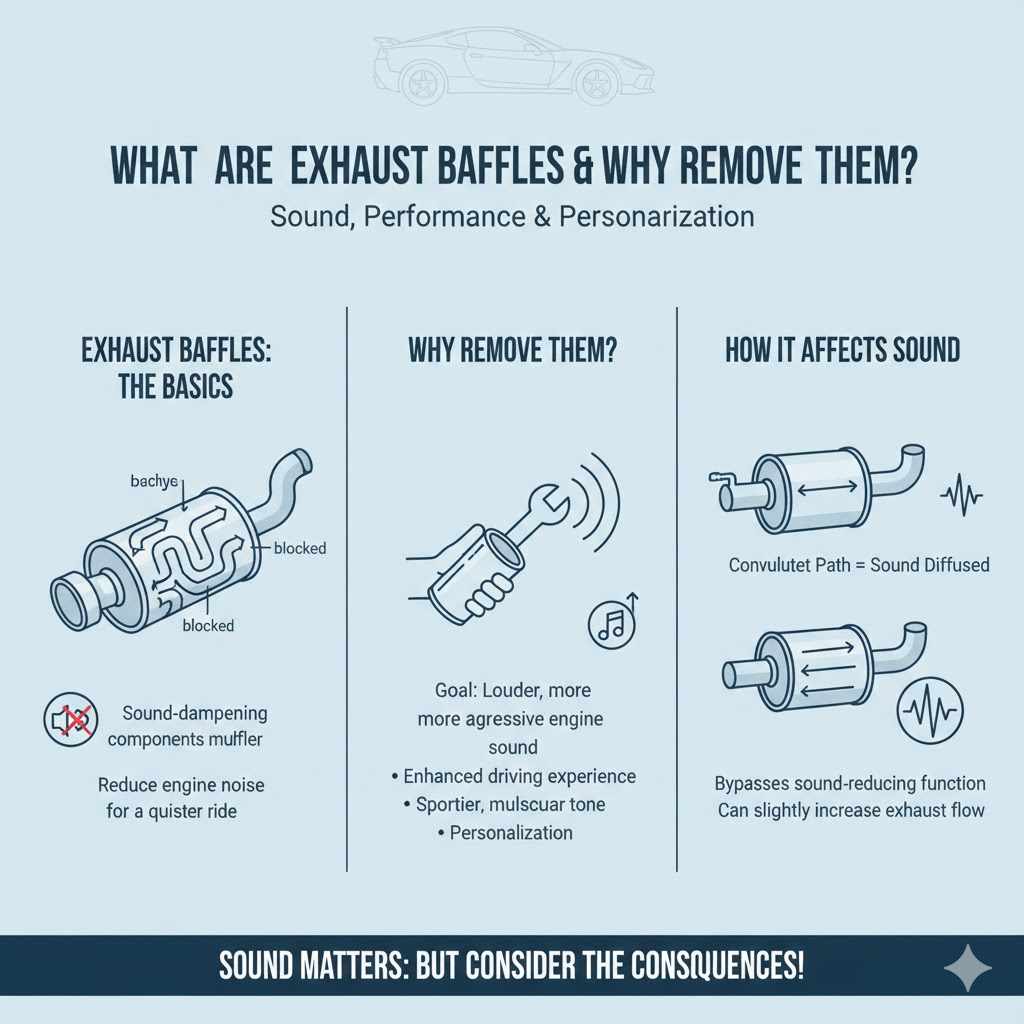
Exhaust baffles are basically sound-dampening components found inside a vehicle’s muffler. Their main job is to reduce the noise your engine makes, giving you a quieter ride. Think of them as tiny noise controllers for your car’s exhaust system. When people decide to remove them, it’s usually to achieve a louder, more aggressive engine sound. This sound is often associated with performance vehicles and can make a car’s exhaust note more noticeable and, to some enthusiasts, more appealing.
The desire for a more pronounced exhaust note comes from a few places. Some drivers believe a louder exhaust signals a more powerful engine, even if that’s not always the case. Others simply enjoy the rumble and roar of a sportier exhaust system. It can be a way to personalize a car and make it feel more exciting to drive. For some, the sound itself is a key part of the driving experience, enhancing the connection between the driver and the machine.
When you remove exhaust baffles, you’re essentially bypassing the muffler’s sound-reducing function. This results in a significantly louder exhaust. The specific sound will vary depending on the vehicle, the type of exhaust system, and whether other modifications have been made. It’s not just about loudness; it can also change the tone and pitch of the exhaust note, making it deeper or more raspy. This modification is generally reversible, but the impact on a vehicle’s overall condition and appeal is something to consider.
How Baffles Affect Exhaust Sound
Exhaust baffles work by creating obstacles within the muffler. These obstacles force the exhaust gases to take a longer, more convoluted path. This path causes the sound waves to bounce around and interfere with each other, canceling out a significant amount of the noise. Think of it like a maze for sound; by the time the gases exit, the sharp, loud noises have been softened and diffused.
The absence of these baffles means exhaust gases can flow more freely and directly through the muffler. This unobstructed path allows more of the engine’s natural sound to escape, resulting in a louder output. The sound waves are not diffused or canceled out as effectively. This direct flow can also contribute to a slight increase in exhaust flow efficiency, though the impact on actual engine performance is often minimal without other upgrades.
For some car owners, this louder sound is the primary goal. It can be seen as an enhancement, giving the car a more muscular and performance-oriented character. The auditory feedback from the engine can be more engaging for the driver, creating a more visceral connection to the vehicle. However, this can be a double-edged sword, as we’ll explore when discussing resale value. The perceived benefit to one owner might be a significant drawback to another.
Does Removing Exhaust Baffles Hurt Resale Value?
This is the big question on many minds. The short answer is: it can, but it’s not a guaranteed negative impact. The effect of removing exhaust baffles on a vehicle’s resale value largely depends on who is looking to buy it and what they value. For a broad audience of potential buyers, a significantly louder exhaust might be seen as a modification that could cause problems or be undesirable.
Many car buyers, especially those looking for a daily driver or a family car, prefer a quieter vehicle. They associate excessive noise with potential issues like leaks, or simply find it annoying. This can narrow the pool of interested buyers and might force you to lower your asking price. A quieter, stock exhaust is generally perceived as more reliable and less likely to have associated problems.
On the other hand, some car enthusiasts actively seek out vehicles with modified exhaust systems. They might see a louder exhaust as a desirable feature, indicative of a performance-oriented vehicle. However, even within this group, there are preferences. Some might prefer a specific exhaust note or brand, and a poorly executed baffle removal could be a turn-off. The key here is that removing baffles isn’t a universally positive or negative modification; its impact is subjective.
The Impact on Different Buyer Types
When you consider selling a car with removed exhaust baffles, think about who you’re trying to sell to. A buyer looking for a reliable commuter car might be put off by the loudness. They might worry about noise complaints from neighbors or the potential for the car to be “too much” for everyday use. For these buyers, a quiet, stock exhaust is often the preference. They see it as a sign that the car hasn’t been pushed too hard or subjected to modifications that could lead to future issues.
For performance enthusiasts, the situation is different. They might appreciate a louder exhaust note, as it can be associated with power and a sporty feel. However, this preference is often nuanced. Some may prefer a specific brand of aftermarket exhaust known for its sound and quality. Others might be wary of amateur modifications. If the baffle removal has resulted in an unrefined or overly aggressive sound, it could detract from the appeal even to enthusiasts.
Legal and Environmental Considerations
Beyond buyer preference, there are legal and environmental factors to consider. Many regions have noise ordinances that restrict the decibel level of vehicle exhaust systems. A car with removed baffles is more likely to exceed these legal limits. This can result in tickets for the owner, or it could be a deal-breaker for a buyer who is concerned about legal compliance. Furthermore, some areas are increasingly focused on reducing noise pollution, and vehicles that are excessively loud may face scrutiny.
The environmental aspect also plays a role. While removing baffles doesn’t directly impact emissions in terms of regulated pollutants, it does affect the soundscape. Communities are becoming more sensitive to noise pollution, and vehicles that contribute to it might be viewed negatively. This can influence buyer perception, even if the modification isn’t strictly illegal in all areas. A buyer might simply not want the hassle or the public perception associated with a loud vehicle.
Restoring the Stock Exhaust System
If you’ve removed your exhaust baffles and are now concerned about resale value, one of the most effective solutions is to restore the original exhaust system. This means reinstalling the baffles or, more commonly, replacing the modified muffler with an OEM (Original Equipment Manufacturer) or a high-quality aftermarket equivalent that is designed to be quiet. This process can involve some labor and the cost of the replacement part, but it can significantly broaden your appeal to a wider range of buyers.
Reverting to a stock exhaust system brings your vehicle back to its original state in terms of sound. This appeals to buyers who value a quiet, comfortable ride, and it eliminates any concerns they might have about noise violations or legal issues. For many general car buyers, a stock exhaust is the safest and most predictable option. It signals that the car has been maintained in a way that prioritizes standard functionality and comfort.
The process of restoration might seem like a hassle, but it’s an investment in making your car more attractive to more people. When you’re selling a car, the easier it is for potential buyers to envision themselves driving it without issues, the better. A quiet exhaust system contributes to that ease of envisioning. It removes a potential point of contention and allows buyers to focus on the other positive aspects of your vehicle.
The Cost and Effort of Restoration
Restoring your exhaust system can involve a few different approaches. The simplest is to find a compatible muffler that is designed to meet OEM sound specifications. This can be purchased from a dealership or an auto parts store. If you’re comfortable working on cars, you might be able to perform the installation yourself. However, for many, it’s best to take the vehicle to a reputable exhaust shop or a general mechanic.
The cost of a new, stock-style muffler can vary widely depending on the make and model of your car. For a common vehicle, it might range from $100 to $300 for the part, plus installation labor, which could add another $50 to $150. If you have a rarer or more specialized vehicle, the cost of a replacement muffler could be higher. However, this expense is often recouped through a quicker sale and a higher selling price when you can market the car as having a quiet, stock exhaust.
In some cases, if the original muffler was kept and is still in good condition, it might be possible to re-install the baffles. However, this is often a more complex process than simply replacing the muffler with a new unit. The baffles themselves might be damaged or difficult to secure properly. Therefore, replacing the entire muffler is generally the more reliable and straightforward method for achieving a factory-quiet exhaust.
What to Do If You Can’t Restore It
If restoring the original exhaust system isn’t a feasible option due to cost, availability of parts, or time constraints, you still have ways to mitigate the negative impact on resale value. One approach is to be upfront and honest with potential buyers about the modification. Clearly state that the baffles have been removed and explain why, if you have a good reason. Transparency can build trust and help manage expectations.
You can also try to frame the modification positively. Highlight any perceived benefits, such as a more engaging driving experience or a sporty sound. However, do this cautiously, as it will only appeal to a niche market. Most buyers will still prefer a quieter vehicle. You might also consider offering a discount to potential buyers to compensate them for the potential inconvenience or the cost of them restoring the exhaust themselves.
Another strategy is to market the car specifically to enthusiasts who might appreciate the louder exhaust. Online forums, social media groups, and specialized car sales websites can be good places to find such buyers. By targeting the right audience, you increase your chances of finding someone who sees the modified exhaust as a positive feature, or at least not a significant drawback. It’s about finding the buyer who matches the car’s current state.
Market Perception and Buyer Preferences
The way a car is perceived in the market plays a huge role in its resale value. Modifications like removing exhaust baffles can polarize potential buyers. While some might find it cool, many others will see it as a modification that detracts from the car’s appeal, especially if they are looking for a comfortable and quiet daily driver. This division in opinion means you’re appealing to a smaller segment of the overall car-buying public.
Think about the average car buyer. They often prioritize reliability, comfort, and conformity. A loud exhaust can be seen as the opposite of these qualities. It might suggest the car has been driven hard, has a less refined engine, or might even lead to legal trouble. This perception, whether entirely accurate or not, directly impacts how much a buyer is willing to pay. They might factor in the cost and effort of restoring the exhaust to stock, and then deduct that from their offer.
Statistics on Modified Vehicles and Resale Value
Research into how vehicle modifications affect resale value often shows mixed results, but generally, significant or polarizing modifications tend to decrease value for the general market. For example, a 2020 study by Ingenie found that while some modifications might increase a car’s appeal to a niche market, 70% of car owners surveyed believed that aftermarket modifications negatively impacted a car’s resale value. This suggests that for every buyer who likes a louder exhaust, there are likely several who do not.
Another piece of data from a similar analysis by Hagerty showed that while certain rare and well-executed modifications can add value to classic cars, for modern vehicles, most modifications do not add value and can often subtract from it. This is because the original factory specifications are what most buyers are looking for, especially for cars intended for everyday use. The uniqueness that a modification might bring to one owner can be seen as a complication or a personal taste that doesn’t align with another’s.
Here’s a table illustrating a simplified perspective on how modifications might impact perceived value:
| Modification Type | General Buyer Appeal | Enthusiast Buyer Appeal | Potential Resale Value Impact |
|---|---|---|---|
| Stock/Original | High | Moderate | Neutral to Positive |
| Well-Executed Performance Upgrade (e.g., ECU tune on sports car) | Low to Moderate | High | Neutral to Positive for niche |
| Loud Exhaust (removed baffles) | Low | Moderate to High (depending on specific sound) | Negative for general market |
| Cosmetic Modifications (e.g., custom paint) | Variable (highly subjective) | Variable | Often Negative |
The data and market observations consistently point towards modifications that significantly alter the car’s fundamental characteristics, like sound, often facing a reduction in appeal to the broader buying public. This makes the question “Does Removing Exhaust Baffles Hurt Resale Value?” lean towards a “yes” for most sellers unless they can find a buyer specifically seeking that modification.

Frequently Asked Questions
Question: Is it illegal to remove exhaust baffles?
Answer: Removing exhaust baffles themselves is not always illegal, but the resulting loudness might be. Many cities and states have noise ordinances that limit how loud a vehicle’s exhaust can be. If your car is too loud after removing baffles, you could get a ticket.
Question: How much does it cost to put baffles back in?
Answer: The cost varies. You might be able to re-install the original baffles if they are intact. More likely, you’ll need to buy a new muffler.
A new stock-style muffler can cost $100-$300 for the part, plus $50-$150 for installation. So, expect a few hundred dollars.
Question: Will a loud exhaust make my car faster?
Answer: Usually, no. Removing baffles mainly affects the sound. While it might slightly improve exhaust flow, the gain in speed is often unnoticeable without other engine upgrades.
It’s mostly about the noise, not a significant performance boost.
Question: Can I sell my car with the baffles removed?
Answer: Yes, you can. However, it might hurt your resale value because many buyers prefer a quieter car. You may have to sell it for less or wait longer to find a buyer who likes the loud exhaust.
Question: What is the best way to sell a car with modified exhaust?
Answer: Be honest about the modification. You could try to sell it to enthusiasts who value that type of sound. Alternatively, restoring the exhaust to its original quiet state will likely appeal to a broader range of buyers and potentially fetch a better price.
Summary
Removing exhaust baffles primarily impacts a vehicle’s sound, making it louder. While some drivers enjoy this, it often reduces resale value for the general market. Most buyers prefer quieter vehicles. Restoring the original exhaust system by re-installing baffles or replacing the muffler is the best way to appeal to more buyers and potentially achieve a higher selling price. Being transparent with potential buyers is also key.