Does Exhaust Tip Make Cackle? Proven Fixes
Your exhaust tip might be the culprit if you’re hearing a strange cackle from your car’s exhaust. This annoying sound, often described as a popping or rattling, can be fixed with the right approach. This guide will walk you through exactly why this happens and how to silence that cackle for good, making your driving experience much more enjoyable.
Understanding the Exhaust Cackle: What’s Happening?
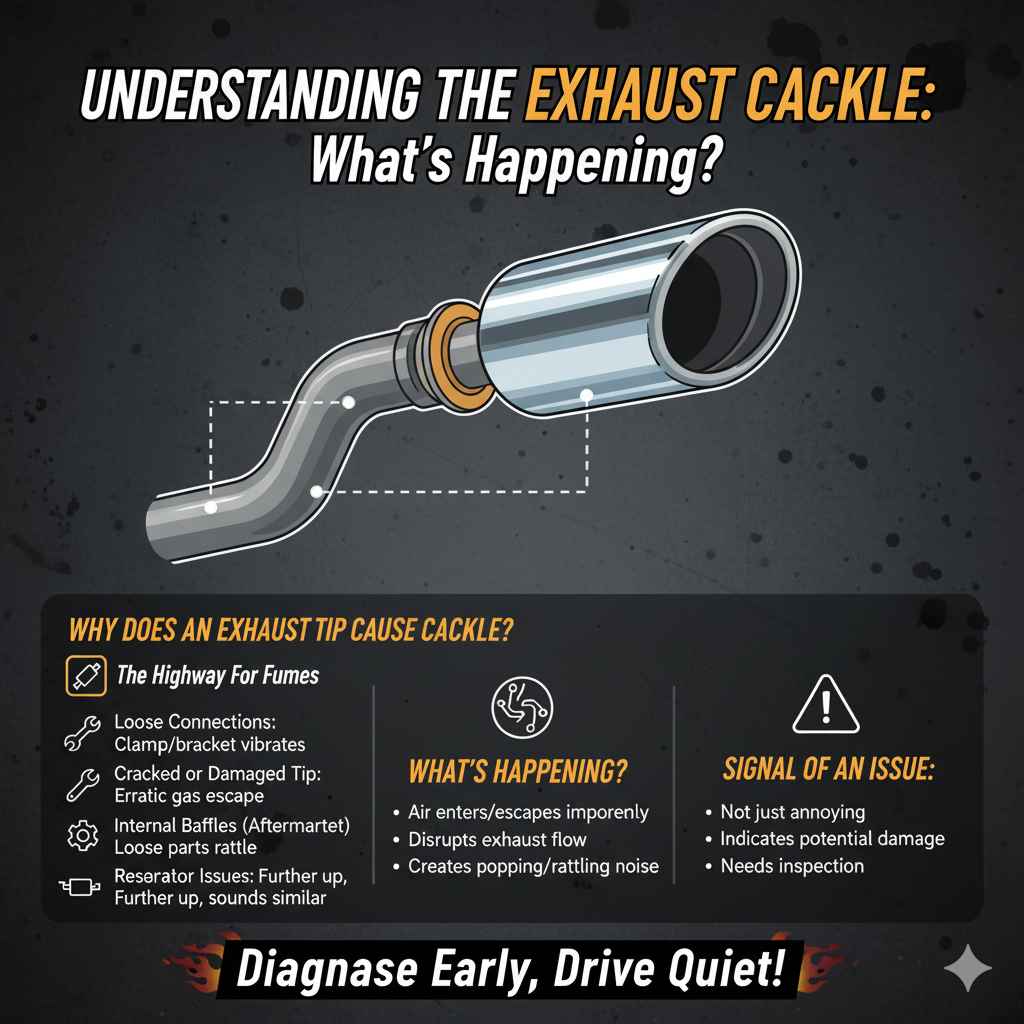
That cackling sound you’re hearing from your exhaust isn’t just a minor annoyance; it’s often a signal that something in your exhaust system isn’t quite right. Think of your exhaust system as the highway for all the fumes produced when your engine burns fuel. This highway needs to be sealed and clear to work properly. When parts of it get loose, especially near the end where the exhaust tip is attached, air can get in and out in ways it shouldn’t. This disruption can create those strange popping or rattling noises. We’ll explore the common causes in a moment.
Why Does an Exhaust Tip Cause Cackle?
The exhaust tip is the very last part of your exhaust system. It’s the shiny piece you often see at the back of your car. Its main job is to direct exhaust gases away from the vehicle. However, because it’s the furthest point out, it’s also more exposed to road debris, vibrations, and the elements. If the connection between the exhaust pipe and the exhaust tip isn’t secure, or if the tip itself is damaged, it can lead to a few problems that result in that cackle:
- Loose Connections: The most frequent reason for a cackle is a loose clamp or mounting bracket holding the exhaust tip to the exhaust pipe. When this connection is loose, the tip can vibrate against the pipe, or exhaust gases can escape in small puffs, creating a popping sound.
- Cracked or Damaged Tip: Sometimes, the exhaust tip itself might develop a crack, perhaps from a bump or corrosion. This crack allows exhaust gases to escape erratically, leading to the cackle.
- Internal Baffles (Less Common with Tips): Some aftermarket exhaust tips have internal chambers or baffles designed to alter the sound. If these internal parts become loose, they can rattle and create noise that sounds like a cackle.
- Resonator Issues (Further Up): While not directly the tip, issues with the resonator (a part located further up the exhaust system) can sometimes manifest as sounds that seem to come from the rear, including a cackle. If the tip is perfectly fine, this is a possibility.
Identifying the Source of the Cackle
Before we can fix the problem, we need to be sure where it’s coming from. A cackle can sound a lot like other exhaust noises, so a little detective work is useful. Listen carefully to your exhaust, especially when your engine is running, idling, and when you gently accelerate. Try to pinpoint if the sound is loudest right at the very end of the exhaust pipe.
Steps to Diagnose the Exhaust Cackle:
- Visual Inspection: With the engine off and cool, get under your car (safely!) or look from behind. Examine the exhaust tip. Is it firmly attached to the rest of the exhaust pipe? Look for any obvious gaps, rust, or damage. Wiggle the tip gently – does it feel loose?
- Check the Clamps and Hangers: Most exhaust tips are held in place with a clamp or bolted directly to the pipe. Follow the exhaust pipe towards the tip. Are the clamps tight? Are the hangers (rubber or metal supports that hold the exhaust system in place) intact and not broken?
- Listen During Startup and Idle: Start your car and let it idle. Move around the rear of the car (staying a safe distance from the hot exhaust) and listen. Does the cackle appear at this stage? Most cackles become more apparent under load, but sometimes they show themselves at idle.
- Gentle Acceleration Test: If it’s safe to do so, have someone else gently press the accelerator while the car is in park or neutral. Listen carefully to the exhaust sound. Does the cackle intensify or occur only during acceleration? This can indicate a leak that opens up under pressure.
- Cold vs. Hot Exhaust: Sometimes, exhaust leaks are more noticeable when the system is cold as metal expands when hot, potentially sealing small gaps. Pay attention if the sound changes as the engine warms up.
Common Causes and Their Fixes
Once you’ve identified that the cackle likely originates from or is related to the exhaust tip, we can move on to fixing it. The good news is that most of these issues are quite manageable for a beginner. It’s all about securing loose parts or repairing minor damage.
Fix 1: Tightening or Replacing Exhaust Clamps
This is the most common fix for a cackling exhaust tip, and it’s usually very straightforward. The clamp is what holds the exhaust tip onto the end of the exhaust pipe.
Tools You’ll Need:
- Socket wrench set (with the correct size socket for your clamp)
- Penetrating oil (like WD-40, optional but helpful for rusty bolts)
- Replacement exhaust clamp (if the old one is rusted or damaged)
- Wire brush (to clean threads, optional)
Step-by-Step Guide:
- Safety First: Ensure your car is parked on a level surface and the engine is completely cool. If you need to lift the car for better access, use jack stands designed for your vehicle. Never rely on a jack alone.
- Locate the Clamp: Find the clamp that connects the exhaust tip to the exhaust pipe. It’s usually a U-shaped bolt or a band clamp.
- Apply Penetrating Oil (Optional): If the clamp or bolts look rusty, spray them with penetrating oil and let it sit for 10-15 minutes. This helps loosen stubborn bolts.
- Tighten the Clamp: Use your socket wrench to carefully tighten the bolts on the clamp. Tighten them evenly, a little at a time, on opposite sides if it’s a U-bolt clamp. You want it snug, but don’t overtighten, as this can strip the threads or damage the pipe.
- Test for Security: Once tightened, try to wiggle the exhaust tip. It should be firmly attached with no movement.
- Replace if Necessary: If the clamp is severely rusted, broken, or the bolt won’t tighten, it’s time to replace it. You can usually buy exact replacements at an auto parts store. Remove the old clamp by loosening the bolts completely and sliding it off. Slide the new clamp into place and tighten it securely.
- Visual and Listening Test: After tightening or replacing, start your engine and listen. The cackle should be gone.
Fix 2: Sealing Small Leaks with Exhaust Putty or Tape
If tightening the clamp doesn’t fully solve the issue, there might be a small gap or a tiny crack that’s still letting out exhaust. For minor leaks, exhaust putty or high-temperature exhaust tape can be a lifesaver.
Tools You’ll Need:
- Exhaust putty or high-temperature exhaust repair tape
- Gloves (some putties can be messy)
- Wire brush or sandpaper
- Scraper or putty knife
- Rubbing alcohol or degreaser
- Safety glasses
Step-by-Step Guide:
- Cool Down and Access: Make sure the exhaust system is completely cool. You need clear access to the area around the exhaust tip connection.
- Clean the Area: This is crucial for a good seal. Use a wire brush or sandpaper to thoroughly clean the area where the tip connects to the pipe. Remove all rust, dirt, and any loose material. Then, wipe the area down with rubbing alcohol or a degreaser to ensure it’s clean and dry.
- Prepare the Sealant:
- For Putty: Follow the manufacturer’s instructions. You usually knead the putty until it’s pliable.
- For Tape: You’ll typically wrap it tightly around the leaky area, often layering it.
- Apply the Sealant:
- Putty: Firmly press the putty into any gaps or cracks. Mold it smooth and ensure it bonds well to both the pipe and the tip. Make sure you create a continuous seal.
- Tape: Wrap the tape tightly around the affected area, overlapping each layer as per the product instructions. Ensure it covers the entire suspected leak zone.
- Curing: Many exhaust putties and tapes require heat to cure properly. This means you’ll need to start your engine and let it run for a specified amount of time (check the product instructions – usually 15-30 minutes). The heat from the exhaust will harden the sealant, creating a strong bond.
- Inspect and Test: Once the sealant has cured, allow the exhaust to cool down again. Visually inspect your work. Then, start the engine and listen for the cackle.
Fix 3: Repairing or Replacing a Damaged Exhaust Tip
If your exhaust tip is physically cracked, severely bent, or rusted through, it might be beyond simple sealing. In these cases, repair or replacement is necessary.
Repairing a Cracked Tip (Minor Cracks):
For very small cracks that aren’t structural, you might be able to use high-temperature epoxy designed for metal and exhaust systems. This is similar to using putty but often involves mixing two parts and a longer curing time.
Replacing the Exhaust Tip:
Replacing an exhaust tip is often easier than many people assume and can be a great way to upgrade the look of your car while fixing the cackle!
Tools You’ll Need:
- Socket wrench set
- Penetrating oil
- New exhaust tip (ensure it’s compatible with your car’s exhaust pipe diameter and mounting style)
- New clamp or mounting bolts (often come with a new tip, or you can buy separately)
- Wire brush
- Safety glasses
Step-by-Step Guide:
- Safety First: Park on a level surface, engine off and cool. Use jack stands if lifting the car.
- Remove the Old Tip: Locate the clamp holding the old tip. Apply penetrating oil if needed. Loosen and remove the clamp bolts. Gently twist and pull the old exhaust tip off the exhaust pipe. If it’s stuck, a rubber mallet might help to gently tap it loose.
- Clean the Exhaust Pipe: Use a wire brush to clean the end of the exhaust pipe where the old tip was attached. This ensures a good fit for the new tip.
- Install the New Tip: Slide the new exhaust tip onto the cleaned end of the exhaust pipe. Align it to your desired position.
- Secure the New Tip: Use a new clamp or re-use the old one if it’s in good condition. Slide the clamp over the connection point and tighten the bolts securely with your socket wrench.
- Check Alignment and Fit: Ensure the new tip is straight and centered. Make sure it’s not touching any other part of the car that could cause rattles or damage from heat.
- Test: Start the engine and listen. The cackle should be gone, and you might even have a new, improved sound!
Fix 4: Inspecting Resonator and Hanger Issues
While the cackle often seems to come from the rear, sometimes the actual problem lies further up the exhaust system. A loose or damaged resonator, or failing exhaust hangers, can cause the entire system to vibrate excessively, making noises that sound like they’re coming from the tip.
What to Look For:
- Loose Resonator: The resonator is usually a metal box-like component. Check its mounting points. Are the bolts tight? Are there signs of rust or damage?
- Broken Hangers: Exhaust hangers are typically made of thick rubber or metal. They hold the exhaust pipes in place and absorb vibrations. If a hanger is broken, missing, or significantly corroded, the exhaust pipe can sag or move more than it should, leading to vibrations and noise.
- Internal Baffles: If you have an aftermarket exhaust, sometimes the internal baffles within the muffler or resonator can break loose and rattle. This is harder to fix without professional help or replacing the component, but visually inspecting for damage is still a good first step.
Fixing Hanger and Resonator Issues:
This can range from simple tightening of bolts to replacing rubber hangers or even welding a bracket back on. For beginner DIY, focus on:
- Tightening Bolts: If the resonator or any part of the exhaust is held by bolts, ensure they are tight.
- Replacing Rubber Hangers: If a rubber hanger is worn out or broken, you can often buy replacements at an auto parts store. You might need to support the exhaust system with a jack stand before removing the old hanger and installing the new one. This can be a bit more involved than a tip repair, so consult a mechanic if you’re unsure.
When to Call a Professional
While many exhaust issues are DIY-friendly, there are times when it’s best to let the experts handle it. You might consider professional help if:
- You’re not comfortable working under your car or dealing with exhaust components.
- The rust is so severe that attempting a repair could cause more damage.
- The problem involves significant damage to the exhaust pipes, muffler, or catalytic converter.
- You’ve tried the simple fixes, and the cackle persists, suggesting a more complex internal issue (like a failing catalytic converter causing backpressure, which can sound like a rattle or cough).
- Your vehicle has a complex exhaust system or integrated exhaust tips that are difficult to access or remove.
When in doubt, a visit to a trusted mechanic is always a safe bet. They have the tools and expertise to diagnose and fix exhaust problems safely and efficiently.
Preventative Maintenance for Your Exhaust System
Keeping your exhaust system in good shape can prevent future cackles and other costly repairs. Here are some simple things you can do:
- Regular Visual Checks: A quick look under your car every few months can spot loose parts or early signs of rust.
- Protect from Debris: Try to avoid driving through deep puddles or over rough terrain that could kick up debris and damage your exhaust.
- Address Rust Early: If you see surface rust, consider cleaning it and applying a rust-inhibiting paint for exhausts.
- Wash Your Car: Believe it or not, washing the underside of your car periodically can help remove corrosive road salts and dirt that contribute to rust.
- Listen to Your Car: Don’t ignore new or unusual sounds. Early detection is key to simple, cheaper fixes.

Conclusion
Hearing a cackle from your exhaust tip can be unsettling, but as you’ve seen, it’s often a straightforward fix. Whether it’s a loose clamp, a minor leak, or a damaged tip, these common issues are typically manageable for the DIY enthusiast.
By following these steps, you can identify the source of the noise and perform the necessary repairs, restoring a quiet and smooth driving experience. Remember to always prioritize safety, ensure your vehicle is cool and securely supported if you’re working underneath it, and don’t hesitate to seek professional help if you’re ever unsure. Taking care of your exhaust system not only eliminates annoying sounds but also contributes to your car’s overall performance and longevity.
Frequently Asked Questions (FAQ)
Q1: What exactly is an “exhaust cackle”?
An exhaust cackle is a rattling, popping, or hissing sound that seems to come from the rear of your vehicle, often near the exhaust tip. It’s usually caused by leaks or loose components in the exhaust system that allow exhaust gases to escape unevenly or cause parts to vibrate.
Q2: Is driving with a cackling exhaust tip dangerous?
For the most part, a simple cackle from a loose tip isn’t immediately dangerous, but it shouldn’t be ignored. It indicates a leak, which can potentially allow harmful exhaust fumes (like carbon monoxide) to enter the cabin if the leak is substantial or located near an air intake. It also means your exhaust system isn’t working as efficiently as it should.
Q3: How much does it typically cost to fix a cackling exhaust tip?
At home, the cost is minimal – usually just the price of a new clamp (a few dollars) or some exhaust putty/tape (around $10-$20). If you take it to a mechanic, you might pay anywhere from $50 to $150, depending on their labor rates and the extent of the repair. Replacing an entire exhaust tip can cost more.