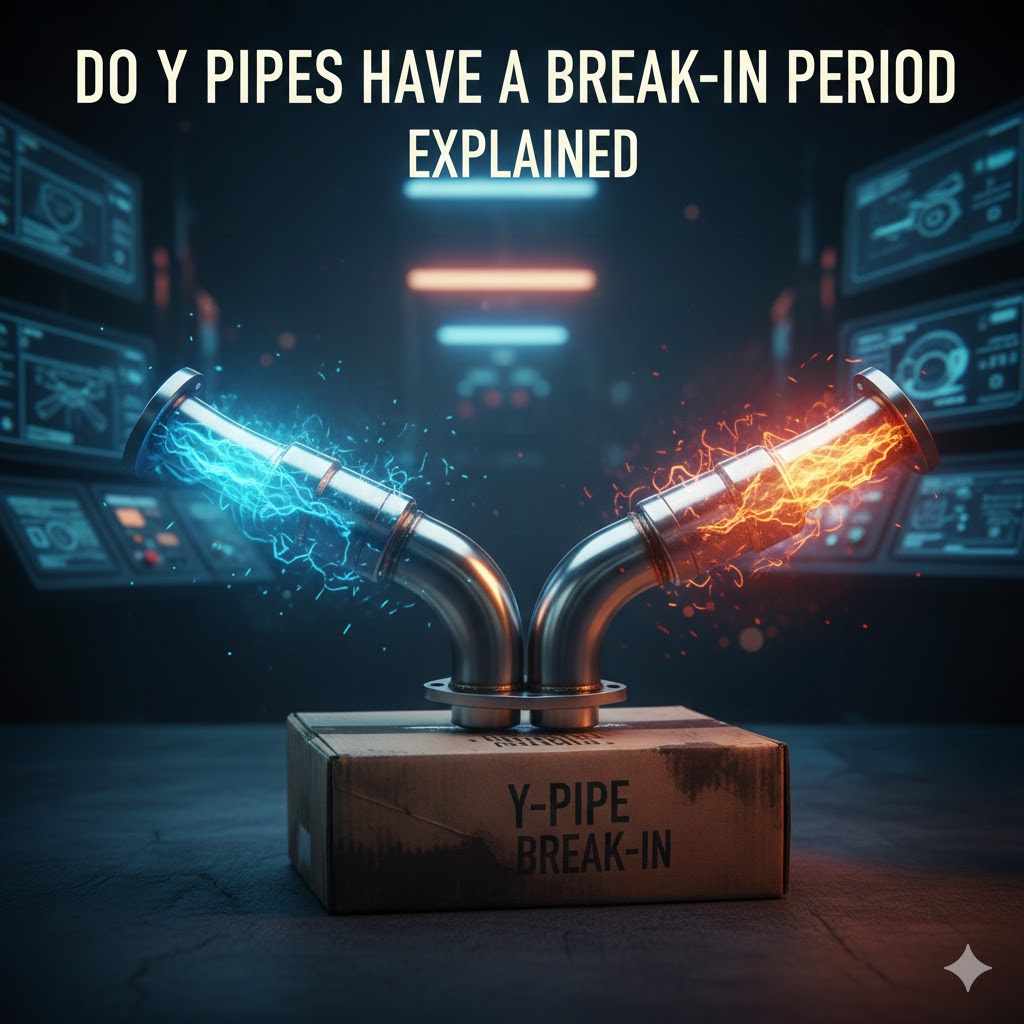
Do Y Pipes Have a Break-In Period Explained
Many folks new to car parts wonder if their shiny new Y-pipe needs a special warm-up time. This question, Do Y Pipes Have a Break-In Period? Explained, pops up a lot because people want to make sure they install everything right.
It might seem tricky with all the technical stuff, but it’s actually quite simple. We’ll walk through it step-by-step so you can feel confident. Get ready to learn what your Y-pipe needs to work its best.
Understanding Y Pipe Break-In
This section breaks down what a Y-pipe is and why people even ask about a break-in period. We’ll look at what happens inside your car’s exhaust system when you install a new Y-pipe and why some parts might need a little adjustment time.
What is a Y Pipe
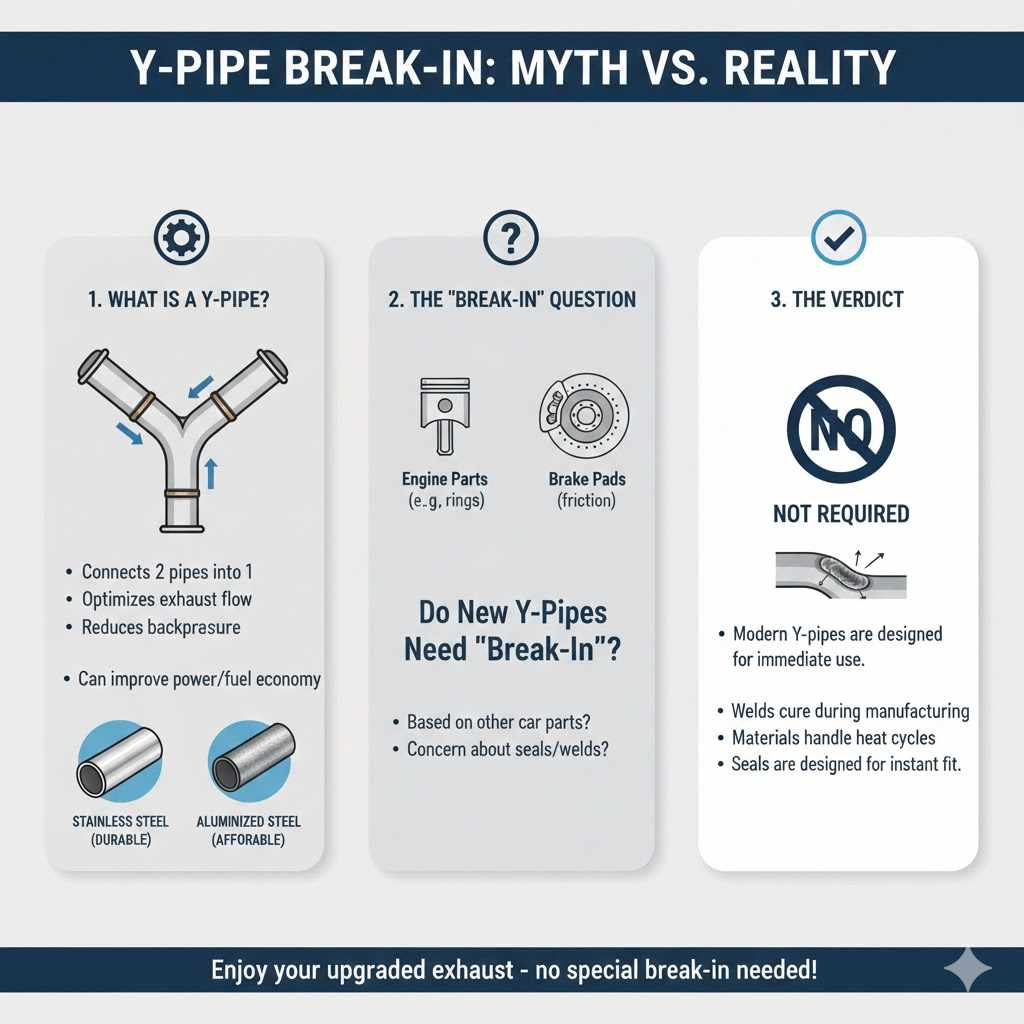
A Y-pipe is a part of your car’s exhaust system. It gets its name from its shape, which looks like the letter Y. This part usually takes exhaust gases from two separate pipes and joins them into one single pipe.
This is often found after the catalytic converter or the muffler. It helps to combine the flow of exhaust gases, making the system more efficient and reducing backpressure. A Y-pipe is crucial for directing exhaust gases smoothly away from the engine and out of the vehicle.
The material and design of a Y-pipe can vary. Some are made from stainless steel for durability and rust resistance, while others might use aluminized steel. The diameter and length of the pipes, as well as the angle of the Y-split, are all designed to affect exhaust flow and sound.
A well-designed Y-pipe can help improve engine performance and fuel economy by optimizing how quickly exhaust gases can escape the engine cylinders.
When you
Why Ask About a Break-In Period
The idea of a “break-in period” often comes from other mechanical parts that do need time to settle in, like engine components or new brake pads. These parts have surfaces that rub against each other, and they need a little use to smooth out any imperfections. For example, new engine rings need to seat properly against the cylinder walls to create a good seal.
New brake pads and rotors need to mate together perfectly, a process called bedding in. This ensures optimal stopping power. So, when people install a new exhaust component like a Y-pipe, they naturally wonder if a similar adjustment is needed.
They want to make sure they are getting the best performance and longevity from their new part.
The concern is that if a Y-pipe is installed and immediately driven hard, it might not seal perfectly, or the materials might stress in a way that causes problems later. This is especially true for exhaust systems that rely on precise sealing at the flange connections. People want to avoid any potential damage or reduced performance that could come from not following proper break-in procedures, even if those procedures are not strictly necessary.
Common Materials and Their Properties
Most Y-pipes are made from metal. Stainless steel is very popular because it doesn’t rust easily and lasts a long time. Aluminized steel is another common choice.
It’s steel that has been coated with aluminum. This coating helps protect it from rust, but it’s not as tough as stainless steel. The type of metal affects how the Y-pipe holds up to heat and moisture.
Each metal has its own characteristics. Stainless steel is strong and resistant to corrosion. This means it can handle the high temperatures and moisture found in exhaust gases without breaking down quickly.
Aluminized steel is more affordable and offers good protection against rust for a reasonable amount of time. It’s a good balance between cost and durability for many applications.
The way these metals are joined together also matters. Welds connect the pipes and flanges. High-quality welds are important to prevent exhaust leaks.
Sometimes, new welds might have tiny imperfections that can relax or change slightly with initial heat cycles. This is one reason people might think a break-in is needed, to allow these welds to fully cure and seal.
Do Y Pipes Actually Need a Break-In
Let’s get straight to the main question. For most standard Y-pipes, the answer is no. We will explore why this is the case and what factors might influence this.
This will help you understand what to expect when installing your new Y-pipe.
Direct Answer and Rationale
In most cases, new Y-pipes do not require a specific break-in period. The primary reason for this is that Y-pipes are typically made from durable metals like stainless steel or aluminized steel. These materials are designed to withstand high temperatures and constant exposure to exhaust gases from the moment they are installed.
Unlike components with moving parts or friction surfaces, like engine pistons or brake pads, a Y-pipe is largely a static, structural part of the exhaust system.
The connections on a Y-pipe are usually made with flanges and gaskets, or by welding. The gaskets are designed to create a seal when compressed, and the welds are meant to be permanent and leak-proof from the start. There aren’t surfaces that need to wear down or conform to each other over time for optimal function.
The exhaust gases flow through the Y-pipe, and its job is to direct that flow, which it can do immediately upon installation.
The materials themselves are already hardened and processed. They don’t need a gradual introduction to heat or pressure to reach their optimal performance state. Therefore, you can generally drive your vehicle normally right after installing a new Y-pipe without any concerns about damaging the part or reducing its effectiveness.
The focus should be on a proper installation that ensures a good seal.
Comparison to Other Automotive Parts
It’s helpful to compare Y-pipes to other car parts that do need a break-in period. For instance, when you get new engine oil and filter, you usually don’t have a break-in. But, if you rebuild an engine, the piston rings and cylinder walls need time to mate and seal perfectly.
This takes some miles of gentle driving.
Brake pads and rotors are another great example. When they are new, their surfaces are not perfectly matched. You need to perform a “bedding” procedure, which involves a series of controlled stops from different speeds.
This process transfers a thin layer of pad material onto the rotor surface, creating a uniform contact area for maximum braking performance and to prevent noise and vibration.
Clutch kits also often recommend a break-in period. The clutch disc and flywheel surfaces need to wear in slightly to achieve optimal grip. Driving gently for the first few hundred miles allows these surfaces to mate correctly without glazing or excessive wear.
These parts have surfaces that interact and require a physical adaptation process. A Y-pipe, however, does not have these kinds of interacting surfaces.
Factors Influencing the Need for Break-In
While most Y-pipes don’t need a break-in, there are some specific situations or types of exhaust modifications where a short adjustment period might be beneficial, or at least recommended by the manufacturer. This is usually related to the materials used, the installation method, or the overall exhaust system design.
One factor is the type of welding. If a Y-pipe is constructed using a specific type of high-performance welding or exotic materials that might be sensitive to rapid temperature changes, the manufacturer might suggest a gentle heat cycle. This allows the welds to fully cure and settle without sudden thermal shock.
However, this is uncommon for standard aftermarket Y-pipes.
Another consideration could be the presence of ceramic coatings or other treatments applied to the Y-pipe. Some performance coatings are designed to cure or harden with initial heat exposure. In such cases, a manufacturer’s instructions might recommend a brief period of moderate driving to ensure the coating properly bonds to the pipe’s surface, enhancing its durability and heat resistance.
Installation and Sealing Importance
Since a break-in period is generally not required for a Y-pipe, the focus shifts to having a perfect installation. This means ensuring all connections are tight and sealed properly. We will cover the best practices for installing your Y-pipe and why a good seal is so vital for your exhaust system’s performance and longevity.
Proper Installation Steps
Installing a Y-pipe involves safely lifting your vehicle and accessing the exhaust system. You’ll need to remove the old Y-pipe, which often involves unbolting it from the catalytic converter or other exhaust sections. New gaskets are crucial; always use new ones to ensure a good seal.
They are designed to crush and seal when bolts are tightened.
Align the new Y-pipe carefully with the mating exhaust components. Then, hand-tighten all bolts first. This allows you to make sure everything is aligned correctly without putting stress on the pipes.
Once everything is in place and you’re satisfied with the fit, you can begin tightening the bolts. Follow a tightening pattern, often working diagonally across the flanges, to ensure even pressure distribution. This helps the gasket compress uniformly.
Make sure to use the correct torque specifications if they are provided by the manufacturer. Over-tightening can damage gaskets or even warp flanges. Under-tightening will lead to exhaust leaks.
Double-check all connections for tightness and alignment before lowering the vehicle. A secure and leak-free installation is key.
The Role of Gaskets and Clamps
Gaskets are small but very important parts used between the Y-pipe flanges and the other exhaust components. Their job is to fill any tiny gaps between the metal surfaces. This creates an airtight seal, preventing exhaust gases from escaping.
When bolts are tightened, the gasket is compressed, forming this seal.
Different types of gaskets exist, made from materials like graphite, metal, or composite fibers, all designed to withstand high heat and pressure. Using a new, high-quality gasket is always recommended when installing a new Y-pipe. Reusing an old gasket is a common cause of exhaust leaks because they can become flattened or brittle over time.
Clamps are sometimes used in exhaust systems, especially in areas where pipes slip over each other rather than bolt together. These clamps provide the clamping force needed to create a tight seal. Like gaskets, ensuring clamps are properly tightened is vital.
A good seal prevents leaks, which can affect performance, cause noise, and even allow harmful exhaust fumes into the cabin.
Consequences of Poor Sealing
If a Y-pipe isn’t sealed properly, exhaust leaks will occur. These leaks can have several negative consequences for your vehicle. One of the most noticeable is an increase in exhaust noise.
Leaking exhaust can sound like a hissing or puffing sound, particularly when the engine is under load.
Performance can also be affected. Exhaust leaks can disrupt the proper flow of gases, leading to reduced engine efficiency and potentially a loss of power. The engine’s computer might also detect changes in oxygen sensor readings due to the leaks, which could trigger a check engine light.
This can lead to incorrect fuel mixture calculations, further impacting performance and fuel economy.
Furthermore, exhaust gases contain harmful carbon monoxide. Leaks, especially those close to the cabin, can allow these dangerous fumes to enter the vehicle’s interior, posing a serious health risk to occupants. Therefore, ensuring a leak-free seal is not just about performance; it’s also about safety and the proper functioning of your vehicle’s emissions system.
Aftermarket Y Pipes and Manufacturer Recommendations
Sometimes, specialized aftermarket Y-pipes might come with unique instructions. We’ll look at why this happens and what to do if your new Y-pipe has specific guidelines. This will help you make sure you follow any manufacturer advice.
When Manufacturers Might Suggest a Break-In
While rare for standard Y-pipes, some high-performance or custom-designed aftermarket Y-pipes might come with specific instructions from the manufacturer. This could be due to unique materials used, special coatings, or innovative welding techniques employed in their construction.
For example, a Y-pipe might feature a specialized ceramic coating designed to offer superior heat insulation and durability. These coatings sometimes require an initial curing process using heat. The manufacturer might recommend driving the vehicle at moderate speeds for a certain period, perhaps 30 minutes to an hour, allowing the coating to fully harden and bond to the pipe surface.
This ensures the coating lasts longer and performs as intended.
Another reason could be related to the specific type of stainless steel alloy used or the welding process itself. Some very advanced fabrication methods might result in welds that benefit from a controlled thermal cycle. This initial heat exposure can help the welds settle and reach their maximum strength without the stress of immediate, hard driving.
It’s all about ensuring the product performs optimally and lasts as long as possible.
What to Do If Instructions Are Provided
If the manufacturer of your Y-pipe provides specific break-in instructions, it is always best to follow them. These instructions are based on their knowledge of the materials and construction methods they used. Ignoring them could potentially void the warranty or lead to premature failure of the part.
Read the included documentation carefully. It will usually outline the recommended procedure. This might involve driving the vehicle at certain speeds for a set amount of time, or it might specify avoiding hard acceleration or high RPMs for a specific mileage.
For instance, a common instruction might be to drive for 100-200 miles without exceeding 4000 RPM.
It’s also a good idea to keep a copy of these instructions. If you experience any issues with the Y-pipe down the line, having followed the manufacturer’s recommended break-in procedure can be important for warranty claims. The key is to treat the part with the care the manufacturer suggests to ensure it performs its best.
Understanding Performance Coatings
Many high-performance exhaust components, including some aftermarket Y-pipes, are treated with special coatings. These coatings serve several purposes. They can help reduce under-hood temperatures by reflecting heat away from the engine bay.
This can lead to cooler air entering the engine, which is beneficial for performance.
These coatings also protect the exhaust system from corrosion and extreme heat. They can help extend the life of the Y-pipe, especially in harsh driving conditions. Some coatings are ceramic-based, while others might be metallic or composite materials.
The application and curing of these coatings are critical. When a Y-pipe is coated, the coating needs to bond properly to the metal surface. This bonding process is often initiated and completed by heat.
Without the proper heat cycles, the coating might not adhere correctly, could chip or flake off prematurely, or might not provide the intended thermal benefits. That’s why manufacturers often include specific instructions for the initial heat exposure of coated parts.
Typical Performance Expectations
Once your Y-pipe is installed and you’ve ensured a good seal, what can you expect? We will cover how a new Y-pipe can affect your car’s performance and sound, and what kind of results you might see after installation.
Potential Performance Improvements
A well-designed Y-pipe can contribute to improved engine performance. By smoothing the transition of exhaust gases from two pipes into one, it can reduce exhaust backpressure. Lower backpressure means the engine can expel exhaust gases more efficiently.
This improved scavenging can lead to a slight increase in horsepower and torque, particularly in the mid to upper RPM range.
The extent of these gains can vary greatly depending on the vehicle, the existing exhaust system, and the design of the Y-pipe itself. A Y-pipe designed for high performance will generally offer more noticeable improvements than a direct replacement that is similar in design to the stock part. It’s not uncommon for a performance Y-pipe to add anywhere from 5 to 15 horsepower.
Fuel efficiency can also see a minor improvement. When the engine breathes more freely, it doesn’t have to work as hard. This can translate to slightly better gas mileage.
However, the biggest gains are usually found when the Y-pipe is part of a larger exhaust system upgrade, such as with performance headers and a free-flowing muffler.
Changes in Exhaust Sound
One of the most common reasons people upgrade their Y-pipe is to change the sound of their vehicle’s exhaust. Different Y-pipe designs can alter the tone and volume of the exhaust note. Some aftermarket Y-pipes are designed to produce a deeper, more aggressive sound, while others aim for a more refined or even quieter tone.
The shape of the Y-pipe, the length of the pipes, and the materials used can all influence the sound produced. For example, a Y-pipe that merges the exhaust gases more quickly might create a slightly raspier or more pronounced sound. Conversely, a design that emphasizes smoother flow might result in a deeper, less intrusive note.
It’s important to note that exhaust sound is subjective. What one person finds desirable, another might not. It’s a good idea to research specific Y-pipe models or listen to sound clips online if achieving a particular exhaust note is a high priority for you.
The Y-pipe is a key component in shaping the overall sound profile.
Real-World Case Study
Consider a 2018 Ford Mustang GT that had its factory exhaust system
The vehicle was taken to a dynamometer for testing. The results showed an increase of approximately 12 horsepower and 10 foot-pounds of torque at the wheels compared to the stock setup. The sound measurements indicated a 5-decibel increase in volume, with a deeper tone overall.
The owner mentioned that after the initial installation, the exhaust did not leak, and the car was driven normally without any special procedures for the Y-pipe.
This case highlights that for many performance exhaust upgrades, the benefits are immediate. The Y-pipe, as a part of this integrated system, contributes to these improvements directly upon installation. The focus remained on ensuring the fitment was perfect and all connections were sealed tightly to realize these gains safely and effectively.

Frequently Asked Questions
Question: Do I need to warm up my car for a specific amount of time after installing a new Y pipe
Answer: Generally, no. Most standard Y-pipes do not require a specific warm-up or break-in period. You can usually drive your car normally right after installation.
Question: Will my new Y pipe make my car louder immediately
Answer: Yes, many aftermarket Y-pipes are designed to alter the exhaust sound, often making it louder or deeper, and this effect is usually noticeable right away.
Question: Can an exhaust leak from a Y pipe cause engine problems
Answer: Yes, exhaust leaks can affect engine performance, trigger check engine lights, and in some cases, allow harmful fumes into the cabin.
Question: What is the main purpose of a Y pipe
Answer: A Y-pipe combines exhaust gases from two separate pipes into a single pipe, helping to manage exhaust flow and sound.
Question: Should I always use new gaskets with a Y pipe installation
Answer: Absolutely. It is highly recommended to use new gaskets to ensure a proper, leak-free seal between the Y-pipe and other exhaust components.
Wrap Up
New Y-pipes generally don’t need a break-in period. The key is a good installation with new gaskets for a tight seal. Enjoy the immediate benefits of improved sound and performance.
Your car is ready to go!