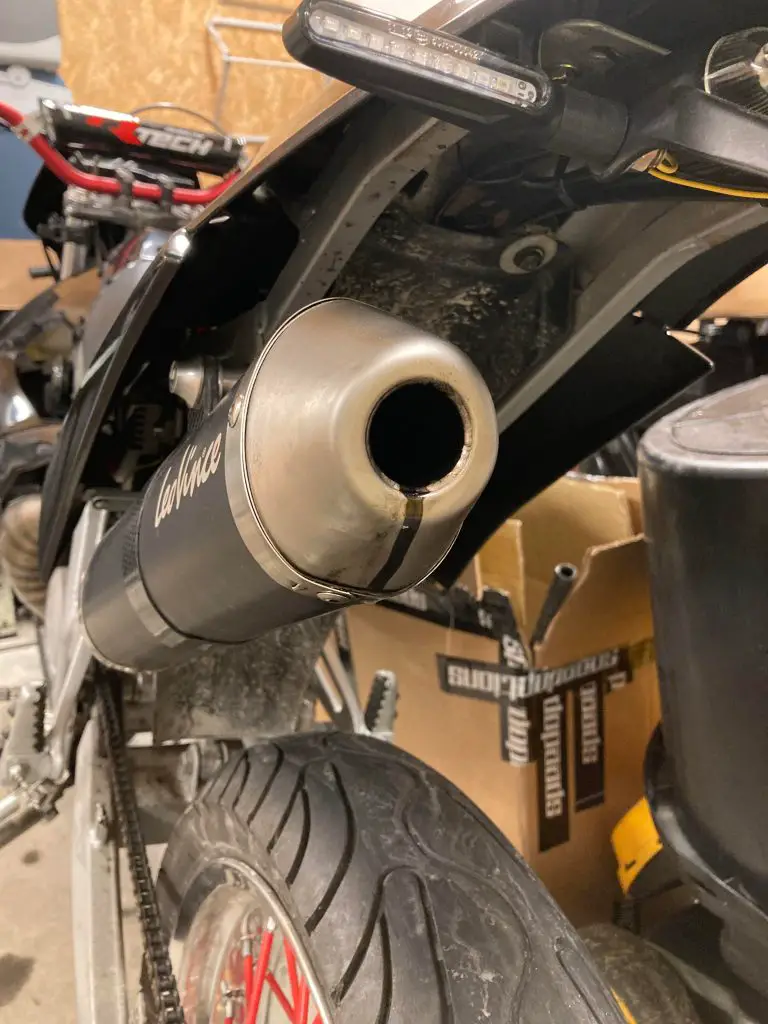
Best Lightweight Exhaust for Motorcycles (2026): We Compared
The best lightweight exhaust saves the most weight for your bike type without breaking fitment or street legality. On many sportbikes and nakeds, that means a 3-8 lb drop. On cruisers, the gain is smaller. On ADV bikes, the tradeoffs matter more. Choose badly and you can lose low-end torque, fail inspection, or pay more for a louder can that saves little. This guide compares lightweight exhaust options by bike category, weight savings, legality, and when the lightest pipe is the wrong buy.
Quick comparison
| Product | Badge | Best for | Price | ||
|---|---|---|---|---|---|
 | KTM Akrapovic "Slip-On Line" Titanium Silencer, 79505979000KTM | Our pick | KTM · Titanium · Silencer | $509.95 Price as of 18 Oct 2026 | View |
 | Yoshimura RS-2 Comp Series Full System ExhaustYoshimura | Upgrade pick | Yoshimura · Full System · DRZ400S | $829.95 Price as of 18 Oct 2026 | View |
 | PACEWALKER Motorcycle Slip On Muffler, 2" Universal CarbonPACEWALKER | Budget pick | 2in Universal · Carbon Fiber · Slip On | $49.99 Price as of 18 Oct 2026 | View |
 | LeoVince Slip-on stainless steel SBK LV One Evo Suzuki SVLeoVince | Also great | LeoVince · Stainless Steel · SV650X | $590.38 Price as of 18 Oct 2026 | View |
This overview puts the weight question ahead of the brand question. That matters because a slip-on, full system, and race-only part can all look “light” on a product page while delivering very different results once you account for fitment, remapping, and road approval.
How we chose
These picks are ranked by realistic weight-saving potential, not by marketing claims. The main filters are material, system type, bike-specific fitment, and the extra steps needed to keep the bike road-legal.
We also separated true mass reduction from noise-focused upgrades. A lighter can that needs custom brackets, a tune, or non-approved parts can erase part of the gain fast.
Exhaust weight decision table
The table below shows the type of system, the material you usually see, and the buyer outcome that is most realistic. Use it to compare weight savings against the hidden costs that come with a lighter setup.
| Exhaust type | Typical material | Realistic buyer outcome |
|---|---|---|
| Full system | Titanium or stainless steel, sometimes with carbon end pieces | Largest weight drop and strongest performance gain, but more likely to need ECU remap, new gaskets, and road-legality checks. |
| Slip-on | Stainless steel, carbon fiber shell, or titanium canister | Moderate weight reduction and easier install, usually best when you want less mass and a cleaner look without full-system cost. |
| Race-oriented titanium system | Titanium | Ultra-light weight and strong heat resistance, but premium price and a higher chance of legality or tuning issues on public roads. |
| Daily-use stainless system | Stainless steel | Good price-to-durability balance, strong corrosion resistance, and lower risk for commuters who want durability first and weight savings second. |
| Carbon shell or end cap | Carbon fiber | Very light and sporty in appearance, but best as part of a mixed system because impact vulnerability makes it a poor choice for rough use. |
Titanium full system: best for sportbikes
- Full system replacement exhaust.
- Premium brand fitment.
- Specific model compatibility.
Titanium is the best material for sportsbikes and weight saving, and it handles heat brilliantly. A titanium full system usually gives the biggest reduction because it replaces headers and end can, not just the rear section.
That makes it the best answer for riders chasing the lightest setup on a sportbike or a sharp naked bike. It is also the most expensive path, so the cost only makes sense when you want the biggest reduction and are already planning a proper tune or a track-biased setup.
Why titanium saves the most weight
Titanium is commonly chosen when every kilogram matters. It is lighter than stainless steel, and manufacturers often pair it with full systems because the header section is where large mass savings can happen.
A common rule of thumb is simple: if your bike currently has a heavy steel header and muffler, replacing both gives far more weight relief than a rear can alone.
When the cost makes sense
Choose titanium when the bike is already a performance project, when luggage is not a concern, and when you want the lightest practical aftermarket route. For a sportbike, that can be the difference between a modest sound change and a meaningful reduction in mass at the rear of the bike.
It is a poor buy if the bike spends most of its time in traffic or on rough roads. Titanium is premium, and premium weight savings can be overkill for a machine that needs durability more than the lowest possible number.
Tuning and legality checks
Full systems are more likely to need ECU remap or tuning because the exhaust flow changes more than it does with a slip-on. That helps performance and reduces the chance of lean running, but the tune has to match the bike and the exhaust setup.
For road use, look for homologation or E-mark approval, and check whether a catalyzed fitting is required. If the system is race-only, the weight gain may be real while the street-use value is not.
Stainless slip-on: best for daily riders
- High-quality stainless steel material.
- Model-specific fitment for SV 650 X.
- Premium workmanship and finish.
Stainless steel is very durable, has strong corrosion resistance, and is often the value pick for riders who want a lighter exhaust without chasing the smallest possible number. A slip-on is usually lighter than stock, easier to install, and less likely to need a remap on some models.
This is the smartest middle ground for daily riders. It is still a weight-saving part, but it avoids the cost and complexity of a full system on bikes where the stock headers are not the main problem.
Why it is the value pick
Slip-ons are best for daily riding as an all-rounder, according to the Dam-Sport guide. They often deliver the most sensible balance of price, fitment, and easier installation.
For many riders, a slip-on is the point where the weight reduction is large enough to notice without turning the bike into a tuning project.
Weight saved versus stock
A slip-on can save a useful amount of weight, but usually less than a full system because the headers stay in place. That is why the gain is often enough for a commuter, naked bike, or street-focused sport machine, yet not enough for riders who want the lightest possible build.
The LeoVince slip-on example weighs about 2.78 kg. That figure helps you compare products, but it still needs to be judged against the stock exhaust on the exact bike, because weight savings only matter relative to what comes off the bike.
When you can skip a remap
Some slip-ons do not require remapping, and the LeoVince page says that for its example. That does not make remapping irrelevant on every bike, but it does mean a slip-on is less likely than a full system to trigger a fueling change.
Approval can still depend on a catalyzed fitting, so the legal setup matters even when the install looks simple. Check the exact model-year match before you buy.
Carbon fiber parts: best for style and low mass
- Universal 2" slip-on fitment.
- Real carbon fiber construction.
- Titanium alloy body material.
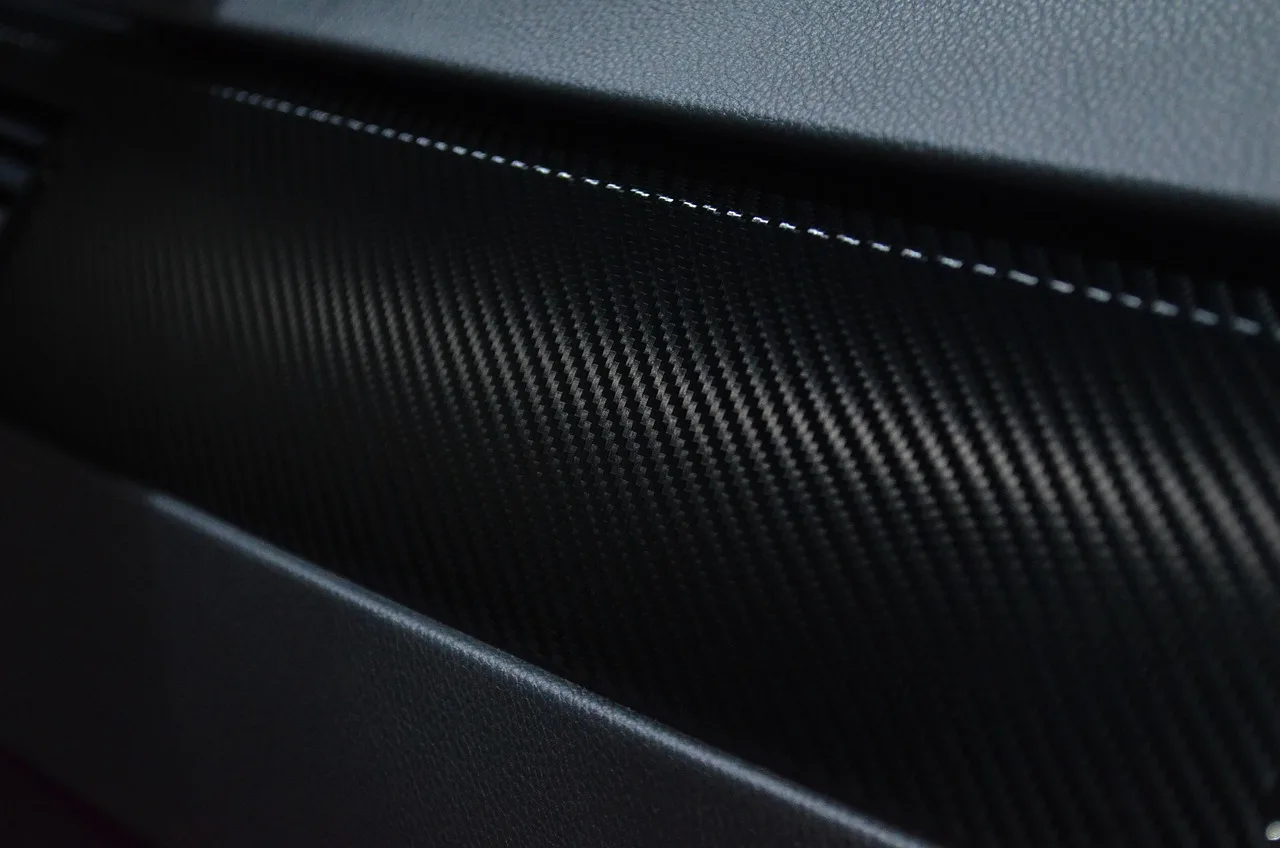
Carbon fiber is very light, and it brings a sharp race look. It is often used in end caps or muffler shells rather than as the entire system, because impact vulnerability makes it less forgiving than metal in everyday use.
Carbon makes sense when you want low mass and visual appeal in one part. It is a sensible choice for riders who want a lighter rear end, but it is not the most durable option for bikes that see hard use, parking lot knocks, or frequent tip-over risk.
Where carbon makes sense
Carbon belongs on bikes where the exhaust is unlikely to get struck by luggage, boots, or a hard landing from a drop. It can work well on sportbikes and some street bikes, especially when the carbon piece is part of a mixed-material system.
The lighter the bike’s use pattern, the more carbon can make sense. For rougher use, the weight advantage can be wiped out by replacement costs after damage.
Impact and heat limits
Carbon’s weak point is impact. It can also be a poor fit for bikes with tight heat exposure unless the system is built to manage that heat properly.
If you ride on rough roads, carry a passenger often, or mount soft luggage near the muffler, stainless steel is usually the safer buy.
Why it is usually part of a mixed system
Most lightweight builds use carbon as one component rather than the whole exhaust. That gives you some of the weight savings without relying on carbon for every structural job.
In practice, that means carbon end caps, carbon muffler shells, or a carbon accent on a titanium or stainless system.
Which bike type gets the best tradeoff?
The best material changes with the bike. Sportbikes usually justify titanium, while commuters and many cruisers get better value from stainless steel. ADV bikes sit in the middle because durability, heat, and crash protection matter as much as weight.
| Bike type | Best tradeoff material | Why |
|---|---|---|
| Sportbike | Titanium | Best for weight saving and heat control, especially when paired with a full system. |
| Naked | Titanium or stainless steel | Pick titanium for maximum mass reduction; pick stainless steel for better value and everyday durability. |
| ADV | Stainless steel | Better for corrosion resistance, load carrying, and crash tolerance on mixed-road use. |
| Cruiser | Stainless steel | Usually the best balance because heat, long-term durability, and legal road use matter more than chasing the smallest number. |
| Commuter | Stainless steel | Strong value, solid corrosion resistance, and less risk than a fragile ultra-light system. |
Say your bike is a commuter naked used in rain and city traffic. A stainless slip-on is usually the better buy than a carbon can, because corrosion resistance and fitment reliability matter more than shaving the last small amount of weight.
Suppose your sportbike sees canyon rides and occasional track days. Titanium becomes the stronger choice because the weight reduction is more noticeable, the heat handling is excellent, and a full system can deliver the largest performance gain when tuned correctly.
What hidden costs can erase the weight savings?
Hidden costs can wipe out the value of a lightweight exhaust fast. Gaskets, clamps, brackets, tuning, and legal parts can add weight, add labor, or both, and those costs often appear only after the system is already in the cart.
Gaskets, clamps, and mounting hardware
Every exhaust install can need fresh gaskets, new clamps, or specific brackets. That is especially true when you move from a stock system to a model-specific aftermarket one.
Bike-specific fitment matters here. A system made for your exact year and model is less likely to hang crooked or stress the mounting points.
ECU remap or tuning
A full system may need ECU remap or tuning to keep the mixture right and the bike running cleanly. That can protect performance and drivability, but it also adds cost and complexity.
If a slip-on does not require remapping on your model, that can be a real advantage. The lighter part saves weight without turning the job into a fueling project.
Brackets, heat shields, and legal parts
Some systems need additional brackets or heat shields to clear luggage, pillion footrests, or bodywork. Those parts can take away from the simple “lighter is better” pitch.
For public-road riders, legal parts matter too. Homologation, E-mark approval, and a catalyzed fitting can be the difference between a usable street exhaust and one that only makes sense off-road or on track.
A common first-timer mistake is buying the lightest can that fits the pipe diameter but not the bike. The result is poor alignment, a rattle at idle, and extra parts to make the mount work. The weight saved on paper disappears into fixes.
- Check your exact year, model, and trim before you compare options.
- Decide whether you need a full system or only a slip-on.
- Confirm homologation or E-mark approval if the bike must stay road legal.
- Check whether a catalyzed fitting is included or required.
- Budget for gaskets, clamps, brackets, and a possible ECU tune.
- Compare the exhaust weight in kilograms against the stock system, not against another aftermarket part.
Which one should you buy?
Buy titanium if you want the maximum weight loss and the bike is a sportbike or performance naked that can justify the price. Buy stainless steel if you want a durable, legal, everyday-friendly setup with lower risk and better value. Buy carbon only when you want a low-mass look and accept the impact tradeoff.
For street riders, a homologated slip-on is often the safest first step because it can save weight, keep installation simple, and avoid a remap on some bikes. For riders chasing the biggest reduction, a model-specific full system is the stronger move, but only if the legality and tuning costs still make sense.
If budget is tight, start with a stainless slip-on from a bike-specific system before you chase a premium titanium full exhaust. If the bike carries luggage, a passenger, or gets daily use, that conservative choice is often the better one.
Frequently asked questions
What is the best exhaust?
The best exhaust is the one that matches your bike, your legal requirements, and your goal. For maximum weight reduction, a titanium full system is usually the top choice. For daily use, a homologated stainless slip-on often gives the best balance of cost, durability, and fitment.
What is the best lightweight exhaust for motorcycles?
For sportbikes, a titanium system is usually the best lightweight option. For commuters and cruisers, stainless steel often makes more sense because it resists corrosion and stands up to daily use. The right answer depends on whether you care more about weight, legality, or long-term durability.
Which motorcycle exhaust is the lightest?
The lightest option is usually a titanium full system, especially on a performance bike. Carbon fiber parts can be very light too, but they are often used for shells or end caps rather than the whole exhaust. The exact winner depends on the bike and whether the system includes headers.
Does a titanium exhaust weigh less than stainless steel?
Yes. Titanium is lighter than stainless steel, and that is one reason it is the best material for sportsbikes and weight saving. It also handles heat brilliantly, which helps on high-performance bikes where exhaust temperatures can run high.
Do lightweight motorcycle exhausts need a tune?
Some do. A full system is more likely to need ECU remap or tuning because it changes exhaust flow more than a slip-on. Many slip-ons do not need a remap on some models, but you should still check the bike-specific recommendation before you buy.
Is a slip-on lighter than a full exhaust?
Usually no. A slip-on is lighter than stock and easier to install, but a full exhaust system replaces headers and end can, so it usually gives the biggest weight reduction. The tradeoff is higher cost, more install work, and a greater chance of needing a tune.
How much weight can a motorcycle exhaust save?
Weight savings vary by bike and system type. The common pattern is a larger drop with a full system and a smaller one with a slip-on. For sportbikes and nakeds, the change is often meaningful; for cruisers and ADV bikes, the gain is usually smaller and can be offset by legal or mounting requirements.