Are Motordyne Exhaust Pipes Legal: Your Essential Guide
Yes, Motordyne exhaust pipes can be legal depending on your specific location and how they are used. Legality hinges on emissions standards and noise regulations. This guide will help you understand the factors that determine if your Motordyne exhaust is compliant, ensuring you stay within the law and avoid costly penalties.
Thinking about upgrading your car’s exhaust system? Motordyne is a popular name, known for its performance gains and distinctive sound. But before you click “add to cart,” a crucial question pops up: Are Motordyne exhaust pipes legal? It’s a common concern for many car owners, and navigating local laws can feel like a maze. Many enthusiasts worry about accidentally breaking the law, leading to fines or even vehicle impoundment. This guide is here to clear the air. We’ll break down exactly what makes an exhaust system legal, focusing on Motordyne products, so you can make an informed decision with confidence. Let’s get started and make sure your ride is both thrilling and lawful.
Understanding Exhaust Legality: Beyond Just a Sound
When we talk about exhaust legality, it’s not just about how loud your car is. In most places, there are two main areas that laws focus on: emissions and noise. Emissions are the gases your car releases into the air, and noise pollution is the sound your exhaust makes.
Different regions have different rules. Your local city, state, or even country will have specific regulations. These rules are put in place to protect the environment and ensure public peace. For example, California has some of the strictest emissions standards in the United States, while other states might have looser rules, but still enforce decibel limits for noise.
Understanding these two factors—emissions and noise—is the first step to knowing if your Motordyne exhaust pipe setup is compliant. It’s super important to check the specific laws where you live and where you plan to drive your car.
Emissions Standards: Keeping Our Air Clean
Emissions are the byproducts of your engine burning fuel. These include things like carbon monoxide, nitrogen oxides, and particulate matter, which can harm the environment and our health. To control this, governments set strict standards for how much of these pollutants a vehicle can release.
Many parts of your exhaust system work together to clean up these emissions. The catalytic converter is a key component. It uses special metals to transform harmful gases into less harmful ones. If an aftermarket exhaust system, like some configurations of Motordyne pipes, involves removing or altering the catalytic converter, it will almost certainly be illegal for road use in many jurisdictions.
Organizations like the Environmental Protection Agency (EPA) in the US set federal guidelines. However, states and local municipalities can enact even more stringent rules. California, for instance, has the Air Resources Board (CARB) which sets its own, often tougher, emissions requirements. Any aftermarket part sold or installed in California typically needs to be CARB-compliant, marked with an Executive Order (EO) number.
When considering Motordyne exhaust pipes, you’ll often find options for cat-back systems. A cat-back system starts after the catalytic converter and runs to the tailpipe. These types of systems are generally more likely to be emissions-legal because they don’t tamper with the catalytic converter itself. However, it’s still essential to verify if any specific Motordyne component has been certified for sale in your region, especially if it could indirectly affect emissions-related sensors.
Noise Regulations: Keeping Things Peaceful
Beyond what comes out of your tailpipe, how loud it is also matters. Noise regulations are about reducing sound pollution in residential areas and highways. Most places have limits on how many decibels (dB) a vehicle’s exhaust can produce, often measured at a certain distance and engine speed.
Motordyne is known for producing exhausts that often increase the sound of the vehicle, which is a major draw for many enthusiasts seeking a more aggressive or sporty tone. However, this increased volume can easily push a vehicle over the legal decibel limit in many areas.
These limits can vary significantly. What might be acceptable in a rural area with few residents could be a problem in a busy city. Many states and cities have specific laws regarding exhaust noise, often enforced by police during traffic stops. Some states adopt noise limits based on standards set by organizations like the Society of Automotive Engineers (SAE).
For example, some jurisdictions might set a limit of 95 dB for a vehicle of a certain size or class. A stock exhaust is typically designed to stay well within these limits. Aftermarket systems, especially those designed for maximum performance and sound, might not prioritize meeting these specific noise restrictions.
The specific Motordyne exhaust part you choose will greatly impact its sound level. A full cat-back system with a less restrictive muffler will likely be louder than a simpler axle-back or a system designed with sound-deadening materials. Always check the manufacturer’s specifications and any available reviews regarding the sound output if noise compliance is a primary concern.

Motordyne Exhaust Pipes: What You Need to Know About Legality
Motordyne offers a range of exhaust components, from simple mufflers to full cat-back systems. The legality of these parts depends heavily on their design and how they interact with your vehicle’s existing exhaust setup, particularly the catalytic converter and emissions control systems.
When enthusiasts talk about upgrading, they often look for specific performance benefits and a more aggressive sound. Motordyne aims to deliver on these fronts. However, it’s crucial to understand that not all performance-oriented parts are designed with strict legal compliance in mind for every region. The responsibility often falls on the end-user to ensure their setup is legal.
Cat-Back vs. Axle-Back vs. Header Systems
Understanding the different types of exhaust system upgrades is key to deciphering their legality:
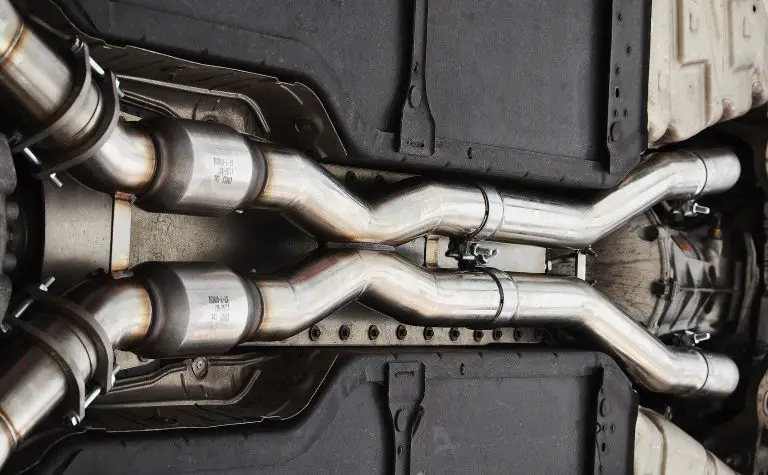
- Cat-Back Systems: These systems replace the exhaust components from the catalytic converter back to the tailpipe. Because they don’t typically involve removing or modifying the catalytic converter itself, these are often the best bet for staying emissions-legal. Motordyne offers various cat-back options. The legality then primarily hinges on noise limits.
- Axle-Back Systems: These are even simpler, replacing just the muffler and tailpipe section. Like cat-back systems, they don’t interfere with emissions controls. Their legality almost entirely depends on the noise level produced.
- Headers and Downpipes: These components are typically located before the catalytic converter or are directly integrated with it. Many aftermarket headers and performance downpipes are designed to optimize exhaust flow, which can sometimes lead to the removal or relocation of catalytic converters for maximum performance. These types of parts are the most likely to be illegal for road use in the vast majority of jurisdictions due to emissions laws. If a Motordyne part falls into this category and requires the removal of emissions equipment, it is generally considered not street-legal.
The Role of the Catalytic Converter
As mentioned, the catalytic converter is the heart of your vehicle’s emissions control system. It’s a legally mandated part in most countries for road-going vehicles. Removing or bypassing it is illegal for several reasons:
- Environmental Protection: Catalytic converters significantly reduce harmful pollutants.
- Emissions Testing: Vehicles in many areas must pass periodic emissions tests. A missing or altered catalytic converter will cause a failure.
- Tampering Laws: It is illegal in many places to tamper with or remove federally mandated emissions control devices.
Motordyne, like many aftermarket manufacturers, may sell products that are advertised as “off-road use only.” This is a critical distinction. These parts are not intended or legal for use on public roads precisely because they might compromise emissions standards. If you purchase a Motordyne part marked for off-road use, ensure it is never installed on a vehicle that will be driven on public streets or highways.
Check for CARB Compliance (If Applicable)
If you live in California or a state that follows California’s stricter emissions standards (such as New York, Maine, Massachusetts, and others), you absolutely must check for CARB compliance. CARB Executive Orders (EOs) indicate that a part has been tested and approved for use in California and meets their emissions requirements.
Motordyne may have specific parts that are CARB-compliant. These will typically be clearly marked with an EO number. If you don’t see an EO number for a specific Motordyne exhaust component, and you live in a CARB-compliant state, you should assume it is not legal for street use there. You can often check the manufacturer’s website or contact them directly to inquire about CARB legality.
To verify if a part has a CARB EO, you can search the California Air Resources Board’s database. This ensures you are compliant with one of the most stringent emissions regulations in the country.
Some common Motordyne exhaust systems that are popular for their sound and performance include:
| Motordyne Product Type | Potential Legality Concern | Typical Use Case | Recommendation |
|---|---|---|---|
| Shockwave Exhaust System (Cat-back) | Primarily noise levels. Emissions generally unaffected if catalytic converter is retained. | Street performance, enhanced sound. | Check local noise ordinances. Ensure no modifications to catalytic converter. |
| ART Pipes (Test Pipes/Resonated Test Pipes) | High concern for emissions legality as they replace or bypass the catalytic converter. | Off-road/track use only, maximum performance gains. | Strictly not for street use in most jurisdictions where emissions testing is performed. |
| Single Exit Exhaust Systems | Noise levels are the main factor. | Weight reduction, aggressive styling, sport sound. | Verify noise limits. Ensure it works with factory emissions controls. |
| Intakes (if paired with exhaust) | Indirect effect on emissions, but usually not the primary concern for exhaust legality. | Engine performance, sound. | Check if CARB legal if required by your state. |
This table provides a general overview. Always confirm the specific product and your local regulations.
Navigating Local Laws and Regulations
The most critical factor in determining the legality of your Motordyne exhaust pipes is understanding the specific laws in your area. What is legal in one state or country might be strictly prohibited in another.
Laws can be complex and vary widely. They are often enforced through vehicle inspections, noise checks, and traffic stops.
Where to Find Official Information
Getting information directly from official sources is the most reliable way to ensure you’re compliant:
- Your State’s Department of Motor Vehicles (DMV) or equivalent agency: These agencies often have information on vehicle modification laws, including exhaust systems.
- Local Law Enforcement Agencies: Some police departments or sheriff’s offices may have resources or can advise on local noise ordinances.
- Environmental Regulatory Agencies: Such as the EPA or your state’s air quality board. They set the standards for emissions.
- State Legislature Websites: You can often find the actual statutes and laws related to motor vehicle equipment online.
A good resource for understanding broader regulations is the SEMA Action Network, which tracks legislative issues related to vehicle modifications across the US. They provide excellent summaries and links to state-specific regulations.
Common Penalties for Non-Compliance
Ignoring exhaust legality can lead to significant problems:
- Fines: You can receive tickets and fines for having an excessively loud exhaust or for failing emissions tests.
- Repair Orders: In some cases, authorities may issue a fix-it ticket, requiring you to correct the issue within a specific timeframe or face further penalties.
- Vehicle Impoundment: In severe cases of non-compliance, your vehicle could be impounded.
- Failure to Pass Inspections: If your state requires regular vehicle inspections, your car will likely fail with an illegal exhaust system.
These penalties can add up quickly, often costing more than the original exhaust upgrade. It’s always better to be safe and legal.
Installation and Maintenance for Legal Compliance
Even if you purchase a legal Motordyne exhaust system, proper installation and maintenance are key to ensuring it stays legal and performs as expected.
Professional Installation vs. DIY
While many car owners enjoy doing their own modifications, exhaust systems can be tricky to install correctly. Here’s a look at both approaches:
- DIY Installation:
- Pros: Saves money, rewarding for those who enjoy wrenching.
- Cons: Requires specific tools (welders, lifts, specialized wrenches), can be time-consuming, risk of improper fitment leading to leaks or poor performance, potential for safety hazards if not done correctly.
- Professional Installation:
- Pros: Ensures correct fitment, secure mounting, and proper sealing. Professionals have the right tools and experience. Can offer advice on local legalities.
- Cons: Adds to the overall cost of the upgrade.
If you choose DIY, ensure you have:
- A safe and level workspace.
- Appropriate safety gear (gloves, eye protection).
- The correct tools for the job, often including jack stands, socket sets, and potentially exhaust hangers or clamps.
- Plenty of patience.
For most beginners, especially when dealing with exhaust modifications that could impact legality, professional installation is highly recommended. A reputable shop can ensure everything is fitted correctly and that no crucial emissions components are accidentally compromised.
Regular Checks for Leaks and Damage
Over time, exhaust systems can develop issues:
- Leaks: Leaks can occur at pipe joints, from rust holes, or from damaged gaskets. A leak before the catalytic converter can sometimes cause the engine’s computer to run inefficiently or trigger a check engine light. A leak after the cat might just make the exhaust louder and less pleasant.
- Rust and Corrosion: Especially in areas with harsh winters or high humidity, exhaust components can rust through.
- Loose Hangers or Mounts: These can cause the exhaust system to hang too low or vibrate excessively.
Regularly visually inspect your exhaust system. Listen for any unusual rattling, hissing (indicating a leak), or excessive rumbling sounds that weren’t there before. Check that all hangers are secure and that the pipes are not dragging on the ground. A quick check involves looking underneath your car for any signs of rust, holes, or disconnected sections.

Frequently Asked Questions (FAQ)
Q1: What is the main reason Motordyne exhaust pipes might be illegal?
A1: The primary reasons are related to emissions and noise regulations. If a Motordyne part requires removal or tampering with the catalytic converter, it’s generally illegal for street use due to emissions laws. Exceeding local noise decibel limits is another common reason for illegality.
Q2: Are all Motordyne exhaust systems illegal?
A2: No, not all Motordyne exhaust systems are illegal. Cat-back and axle-back systems that retain the factory catalytic converter are often legal for street use, provided they meet local noise ordinances. Parts specifically designed for race or off-road use, which bypass emission controls, will be illegal on public roads.
Q3: How can I tell if my Motordyne exhaust is legal in my state?
A3: Check your state’s specific vehicle modification laws, emissions testing requirements, and noise ordinances. For stricter states like California, look for a CARB Executive Order (EO) number on the part. If unsure, consult your state’s DMV or environmental agency.
Q4: What’s the difference between “off-road use only” and “street legal”?
A4: “Off-road use only” parts are not designed or tested to meet emissions or noise standards for public roads. They are intended for racing vehicles or private property use. “Street legal” parts comply with all applicable federal, state, and local regulations for use on public roads.
Q5: What happens if I get caught with an illegal exhaust?
A5: Penalties can range from warnings and fines to repair orders requiring you to fix the exhaust. In some cases, your vehicle could be impounded, and you might fail mandatory vehicle inspections.
Q6: Can a Motordyne exhaust void my car’s warranty?
A6: While not directly an issue of legality, installing aftermarket parts like a Motordyne exhaust can potentially affect your vehicle’s warranty. Manufacturers may deny warranty claims for issues they can prove were caused by aftermarket modifications. Check your vehicle’s warranty documentation.