Are Straight-Through Mufflers Street Legal?
A straight-through muffler can be legal as a part, but the installed exhaust may be illegal if it is too loud, removes required emissions equipment, or breaks state and local noise rules. Get it wrong and you can face citations, failed inspections, or a forced swap back to stock. This guide shows where legality turns, how to check the rules before you buy, and what to verify on the label, fitment, and emissions path.
How straight-through design affects flow and noise
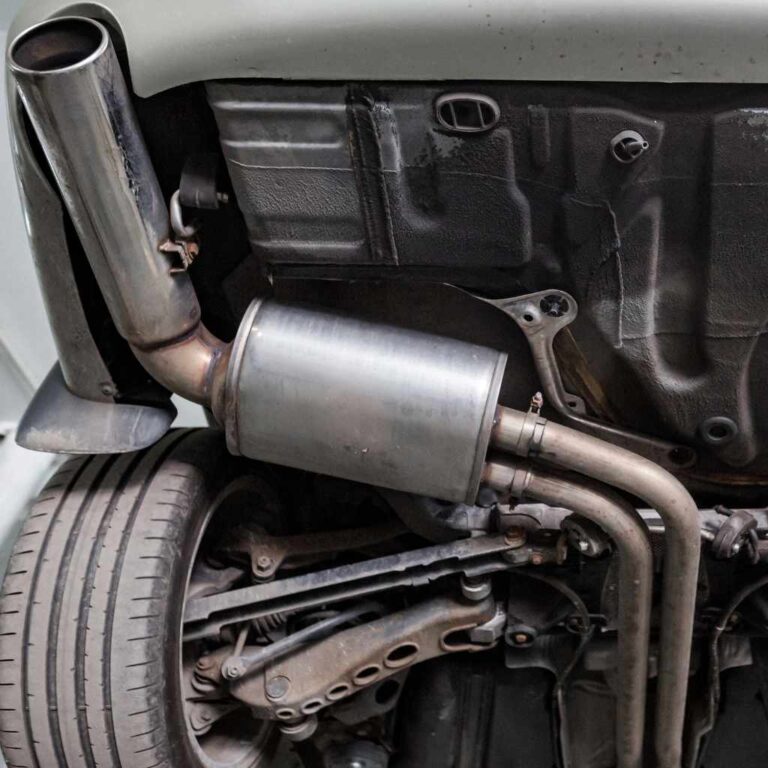
A straight-through muffler is a perforated-core design with sound-absorbing packing. That construction lets exhaust gas move with little obstruction, which is why it is popular for flow and sound tuning. But legality depends on the whole installed system, not the canister shape alone.
On paper, the part may be fine. In the car, the outcome can change once you add pipe length, catalyst status, resonator choice, and the noise rules where you drive. A straight-through muffler that keeps sound within local limits and leaves required emissions equipment intact can be legal. The same muffler on a louder system can be illegal.
What the design does to flow and sound
The trade-off is simple. Less restriction usually means more exhaust flow, and less sound reduction usually means more exhaust noise. A straight-through muffler is built to keep flow high, so it typically quiets less than a chambered muffler.
That does not make it illegal by itself. It just means the final setup is more likely to run close to noise limits if the rest of the exhaust is also open.
Why the installed system matters more than the shell
Inspectors and police usually care about the car as it sits on the road. A muffler type on its own tells only part of the story. Catalyst presence, resonator presence, and overall sound output all affect whether the vehicle passes.
Picture a sedan with a straight-through muffler, catalytic converter intact, and a resonator still in place. That car may stay within local limits. Swap in a louder pipe layout and remove emissions hardware, and the same muffler can become part of an illegal system.
Straight pipe vs muffler delete
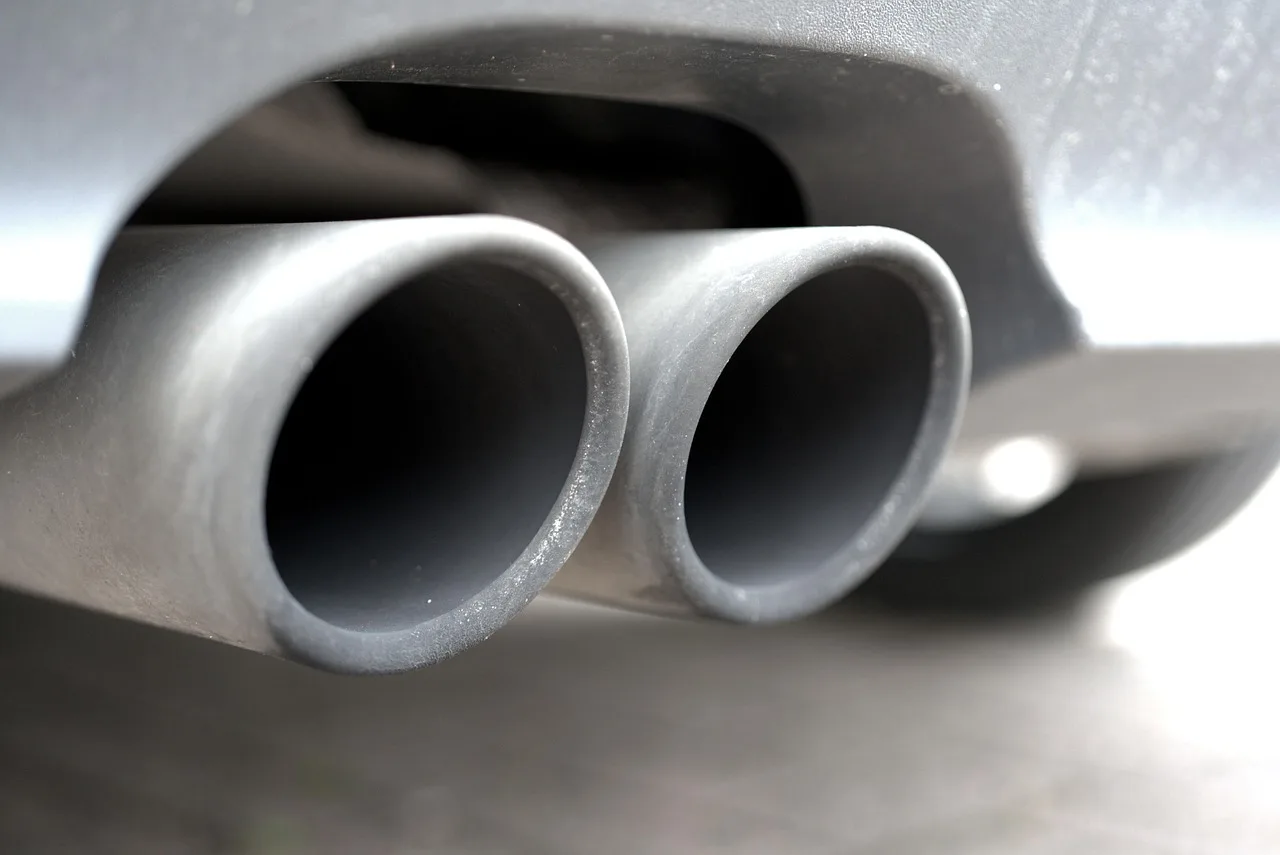
In common use, these terms are related but not identical. A muffler delete means the muffler is removed and a straight section of pipe is welded in. A straight pipe exhaust means a mostly uninterrupted exhaust path with little or no muffling, and it may involve additional removed sections depending on the build.
The practical difference is that a muffler delete often leaves more of the original exhaust path in place, while a straight pipe setup is usually the louder, more extreme version. That matters for tickets, inspection, and drone on the highway.
Which parts may still stay in place?
Ledaut’s table lists a muffler delete as a removed muffler with a retained resonator, while straight pipe is listed as removing both the muffler and the resonator. In real-world use, builders and shops do not always use the terms with perfect consistency, so the safe move is to inspect the actual parts, not just the label.
If a vehicle still has a resonator, it can smooth harsh tones and reduce rasp. If that resonator is also gone, sound and inspection risk usually rise further.
| Setup | Catalyst present | Resonator present | Estimated loudness risk | Inspection risk | Likely street-use suitability |
|---|---|---|---|---|---|
| Stock exhaust | Usually yes | Yes | Low | Low to moderate, depending on local rules | Usually suitable |
| Straight-through muffler | Usually yes | Maybe | Moderate | Moderate if sound stays within limits | Often suitable if the full system complies |
| Muffler delete | Usually yes | Often yes | High | Moderate to high | Depends on local noise rules |
| Straight pipe exhaust | Maybe | Maybe no | Very high | High | Often poor for street use |
| Glasspack muffler | Usually yes | Maybe | Moderate to high | Moderate | Depends on the rest of the system |
| Turbo muffler | Usually yes | Maybe | Moderate | Moderate | Often a safer performance choice |
| Chambered muffler | Usually yes | Maybe | Lower | Lower | Often easier to live with on the street |
How loud each setup gets
Stock exhaust is often around 65–72 dB at idle. A muffler delete is often around 78–85 dB at idle, while a straight pipe is often 85–95 dB at idle. At wide open throttle, a straight pipe can exceed 120 dB. Sustained exposure above 85 dB can damage hearing over time.
Those numbers are rough guides, not universal pass or fail values. Vehicle shape, engine type, pipe diameter, resonator choice, and packing condition all affect the final result.
How each setup sounds in practice
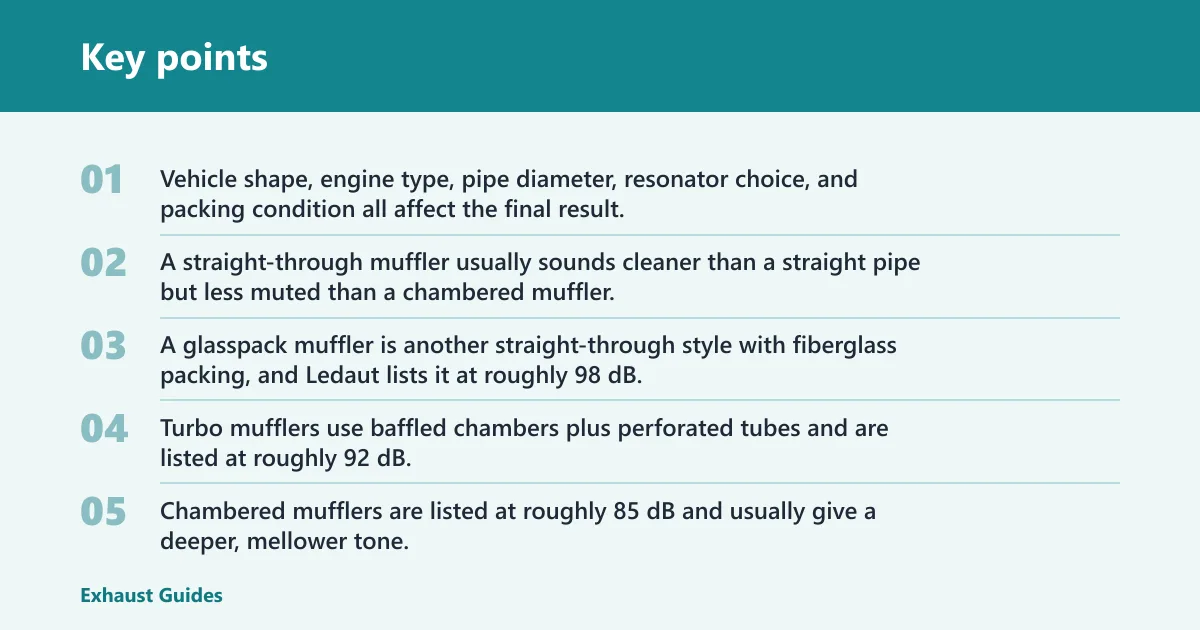
A straight-through muffler usually sounds cleaner than a straight pipe but less muted than a chambered muffler. A glasspack muffler is another straight-through style with fiberglass packing, and Ledaut lists it at roughly 98 dB. That packing can burn out over 6–18 months, which can make the exhaust louder over time.
Turbo mufflers use baffled chambers plus perforated tubes and are listed at roughly 92 dB. Chambered mufflers are listed at roughly 85 dB and usually give a deeper, mellower tone. Those designs are often chosen when the driver wants less cabin noise and less legal risk than a fully open system.
Say your car is quiet at first with a packed glasspack, but after a year the tone gets sharper and the drone gets worse. That change can matter legally if the vehicle moves from borderline compliant to obviously loud enough to draw attention.
What changes the risk most
Pipe layout and engine type matter. A four-cylinder with little muffling can sound harsher than a V6 or V8 with a similar setup. A resonator can take the edge off either one. Packing condition matters too, because worn packing reduces sound control and can move the car closer to a citation threshold.
The hearing risk matters as well. Even if a setup is technically legal where you are, very loud exhaust can be tiring on long drives and painful near the throttle.
Does less restriction mean more power?
Less restriction can improve flow, but that does not mean large real-world gains. On naturally aspirated engines, backpressure changes are usually small and performance gains are often imperceptible. On turbocharged setups, the change can matter more because the turbo responds differently to exhaust flow.
That is why “louder equals faster” is a weak buying rule. A freer-flowing exhaust can help if the original system was very restrictive, but it can also buy more noise than horsepower.
Backpressure in plain terms
Backpressure is the resistance exhaust gases face as they leave the engine. More open exhaust usually lowers that resistance. The catch is that the benefit is small on many street cars, especially when the engine is naturally aspirated and already close to the flow the factory intended.
Turbocharged engines can react differently because exhaust energy helps drive the turbine. That does not make a straight pipe legal or automatically better. It only means the performance change may be more noticeable than on a comparable naturally aspirated car.
Muffler legality decision table
Use this as a quick filter before you buy. It does not replace local law, but it helps separate “legal part” from “legal installed setup.”
| If the setup is… | Likely legal as a part | Likely street-legal as installed | Main risk |
|---|---|---|---|
| Straight-through muffler with catalyst and resonator | Often yes | Often yes, if noise stays within local limits | Noise limit or inspection issue if too loud |
| Straight-through muffler with catalyst, no resonator | Often yes | Maybe | Higher chance of drone and citation risk |
| Muffler delete with catalyst and resonator | N/A as a part choice | Maybe, depending on noise rules | Noise and roadside enforcement |
| Straight pipe with catalyst retained | N/A as a part choice | Often risky | Noise and inspection failure |
| Straight pipe with catalyst removed | N/A | Usually not suitable for street use | Emissions failure and enforcement risk |
Can you pass inspection or avoid a ticket?
Yes, but only if the full system meets the rules where you live. The usual failure points are missing emissions equipment, noise that exceeds the local limit, and an exhaust that is visibly modified in a way the inspection manual does not allow.
That means catalyst status often matters more than the muffler brand, while resonator status often matters more than owners expect. A vehicle can still fail if it is technically running well but is simply too loud for the local standard.
Common failure points
If the catalytic converter is removed where emissions rules require it, the car can fail even if the exhaust sounds acceptable. If the resonator is removed, sound can become raw or raspy enough to trigger a noise complaint. If the muffler itself is replaced by plain pipe, that may be enough to fail a check in some places.
Roadside enforcement also tends to focus on obvious noise. A car that sounds fine in traffic may still be flagged if it is loud at throttle. A common first-timer mistake is assuming one part alone decides legality when the whole system does.
What to check before you buy
Start with the local rules, then match the product listing to your car. The part should fit your trim, and the full exhaust should still satisfy emissions and noise requirements. If you are in the UK, check the applicable UK rules before you buy anything.
Read the local noise rule. Check whether your area uses a decibel limit, a visible equipment rule, or both. Some places focus on excessive noise at idle or under acceleration, while others also inspect for missing mufflers or altered emissions hardware.
Confirm emissions requirements. Look for the exact rule on catalytic converters, resonators, and inspection readiness. If the law requires the catalyst to remain, do not buy a setup that removes it.
Check the product listing. Verify whether the muffler is straight-through, glasspack, turbo, or chambered. Then match the inlet and outlet size, vehicle fitment, and required hardware to your model and trim.
Look for packing and service life. If you choose a glasspack, remember that the packing can burn out over 6–18 months. That change can raise sound level and legal risk over time.
Plan for inspection. If your area has annual or biennial inspections, decide whether the setup is likely to pass before you spend money. A part that sounds good but fails inspection is a bad buy.
Choose a straight-through muffler if… / Choose a straight pipe if…
Choose a straight-through muffler if you want better flow without jumping straight to the loudest setup. It is the safer pick for a daily driver, mixed street use, or a car that still needs to pass inspection. It is also the better choice if you want some sound control while avoiding the most obvious enforcement risk.
Choose a straight pipe only if the car is for track use, off-road-only use, or another setting where local rules allow it. If you want a street car, a quieter performance muffler is usually the safer move. For most owners, the legal and comfort trade-off is better with a turbo muffler, chambered muffler, or a straight-through muffler that keeps the rest of the system compliant.
Frequently asked questions
Are straight-through mufflers street legal?
Sometimes, yes. A straight-through muffler can be legal as a part, but the car can still be illegal if the full exhaust is too loud, the catalyst is missing where required, or the local inspection rules do not allow that setup. Legality depends on the installed system, not the muffler shape alone.
Is a straight pipe exhaust legal?
It depends on your local noise and emissions rules. A straight pipe can be legal in a few limited situations, but it is often risky for street use because it is loud and may remove equipment inspectors expect to see. Check your local standards before buying or cutting anything.
Is it illegal to have no muffler?
In many places, yes, or at least it can be if the vehicle becomes too loud or fails an inspection. Some rules name a muffler directly, while others focus on noise level and emissions equipment. If the car has no muffler, expect a higher chance of a ticket or failed inspection.
Is a straight pipe exhaust legal in the UK?
If you are in the UK, you need to check the current UK rules for exhaust noise and emissions before buying. A straight pipe may not pass if it is excessively loud or if it removes equipment required for road use. Do not rely on generic internet advice for this one.
Is cutting off your muffler illegal?
It can be. Cutting off the muffler is only one part of the issue; what matters is whether the finished vehicle meets local noise and inspection rules. If the modification makes the car too loud or leaves the exhaust in a noncompliant state, it can trigger a citation or inspection failure.
Which is louder: straight pipe vs muffler delete?
A straight pipe is usually louder than a muffler delete. The difference comes from the extra reduction in muffling and, often, the loss of a resonator. Both are louder than stock, but a straight pipe tends to carry more raw sound, more drone, and more legal risk.