How to Remove Surface Rust From Exhaust Pipes
Remove light surface rust with a finish-matched cleaner: chrome gets aluminum foil or chrome polish, stainless gets 0000 steel wool and metal polish, and painted or coated pipes get soap plus a non-abrasive remover; stop if you see pitting. Done wrong, you can scratch chrome, thin plating, burn through coatings, or leave rust to spread under the finish. This guide shows finish-specific cleaning steps, safe temperature checks, and the point where replacement beats more sanding.
What counts as surface rust?
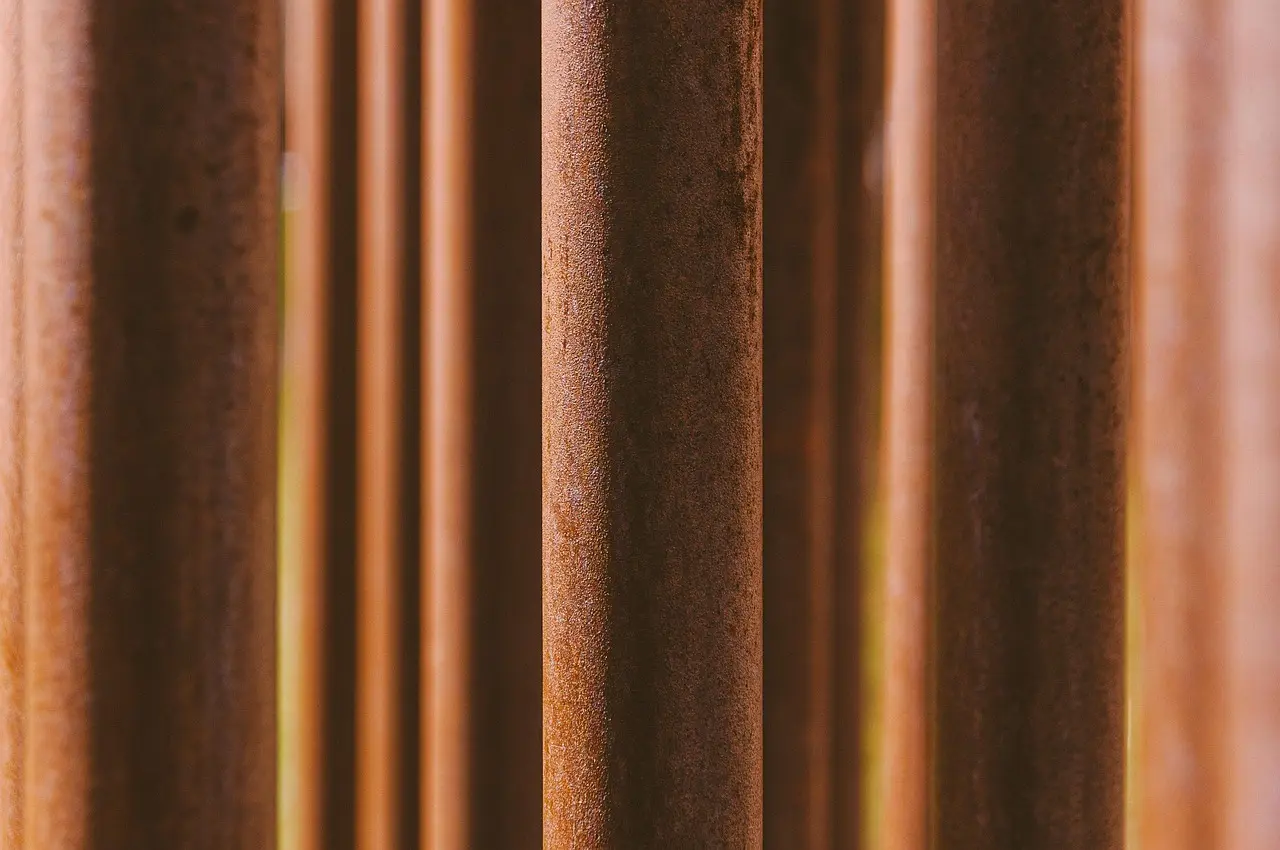


Surface rust is light corrosion on the outside of the exhaust pipe or tip. It usually sits on top of the metal and can be cleaned without cutting or welding. If you see holes, deep flaking, soft spots, or wall thinning, cleaning is no longer enough.
How to tell light exterior rust from deeper corrosion
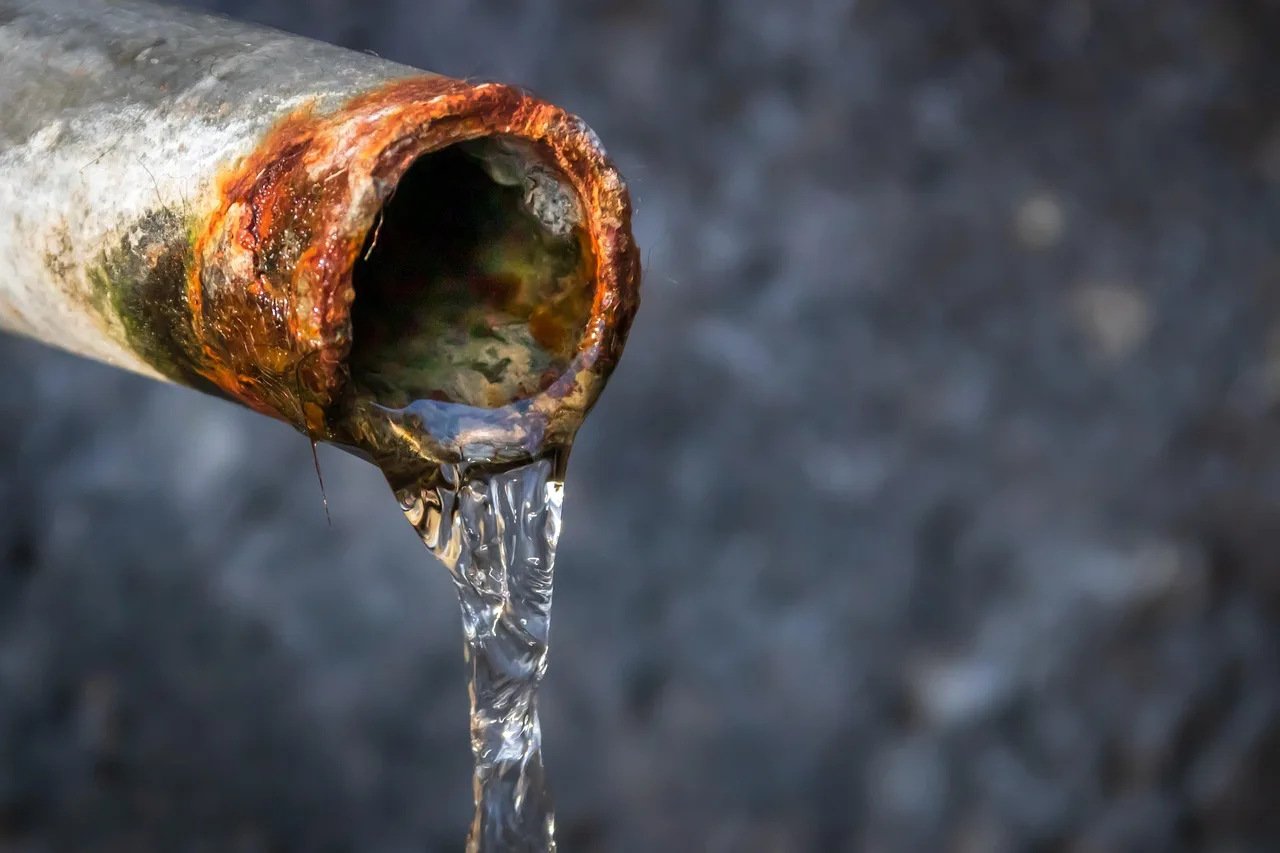
First wash away soot and road grime so the metal is visible. Surface rust shows as orange or brown staining, rough specks, or a dull band around the pipe. Deeper corrosion usually looks layered, swollen, cracked, or blistered, and it may leave sharp edges when you tap or brush it.
A common first-timer mistake is treating every orange patch as harmless. If your muffler tip has a rusty ring, it can still be a cleaning job if the metal feels firm and the surface stays flat after scrubbing. If the brush drops into pits, the chrome flakes, or the wall feels thin, stop and inspect the part.
Signs the pipe needs repair or replacement instead of cleaning
Stop if the rust has turned into pitting, flaking chrome, perforation, seam cracking, or obvious wall thinning. Surface rust can be cosmetic while the pipe underneath is already losing strength. At that point, replacement or professional repair is safer than more sanding.
External rust alone does not prove the pipe is sound. Check around seams, hangers, bends, and the underside where moisture collects. If the finish is gone and the base metal keeps crumbling, polish will not restore strength. If you need help identifying when surface damage has become structural corrosion, see Exhaust rust.
Why exhaust pipes rust again
Exhaust rust comes back because the system gets hot, then cools. Water vapor condenses inside and around the pipe as exhaust cools, and short trips leave more moisture behind. Road spray adds salt, soot, and grime, which hold water against the metal and speed corrosion.
Moisture, short trips, and trapped residue
Short commutes are hard on exhaust metal because the pipe may not stay hot long enough to dry fully. Moisture lingers inside the tube, then works outward through seams, joints, and scratches. On the outside, soot and road film trap dampness and hide early rust until the finish is already rough.
Temperature matters before you clean
Clean only after the exhaust has cooled enough to touch safely. A pipe that is still warm can flash-dry cleaners too quickly, leave residue behind, and make chemicals fume. Gloves and safety glasses are basic protection, and a respirator is smart when you are using solvents or creating airborne rust dust.
Which rust-removal method fits your exhaust finish?
Use this table to match the method to the finish before you start. The safest choice changes with chrome plating, stainless steel, paint, coating type, and heat exposure.
| Finish type | Safe tools | Unsafe tools | Likely risk | When to stop and replace |
|---|---|---|---|---|
| Chrome exhaust tips | Microfiber cloth, chrome polish, aluminum foil, very light steel wool only if the chrome is already failing | Coarse sandpaper, wire brush, abrasive wheel, heavy sanding | Scratches through thin plating and exposes base metal rust | Stop if the chrome is flaking, pitted, perforated, or rust is coming through from under the finish |
| Stainless steel pipes | 0000 steel wool, metal polish, fine sandpaper, degreaser, microfiber cloth | Coarse grinding on polished areas, aggressive wire wheel on visible finish | Swirl marks, uneven sheen, and visible grain changes | Stop if the metal is deeply pitted, thin, cracked near seams, or starting to perforate |
| Painted/black-coated pipes | Soap and water, degreaser, soft brush, non-abrasive remover, touch-up coating | Wire brush, steel wool, coarse sandpaper, strong abrasive pads | Burn-through, chipped coating, and exposed metal that rusts faster | Stop if the coating is blistered, peeling widely, or the pipe metal is rusting through |
| Motorcycle exhausts | Soft brush, microfiber cloth, chrome polish or stainless polish, very light abrasive only where the finish allows it | Heavy sanding, stiff wire brush, harsh pads on thin chrome or heat-stained parts | Scratch marks show fast on tight bends and thin plating | Stop if there is heat cracking, deep pitting, perforation, or wall thinning near seams or bends |
How to clean rust off chrome exhaust tips
Chrome needs the mildest approach. Wash off dirt first, then use a finish-safe cleaner and a soft cloth. If the rust sits on the chrome surface, light polishing can help. If the chrome is scratched or lifting, aggressive abrasives can make the damage permanent.
Safe prep and wash steps
Use soap and water to remove road film, then dry the metal thoroughly. Household cleaners and degreasers are prep steps; they remove grime and oily residue so you do not grind dirt into the finish, but they are not the primary rust-removal step. On chrome, that prep matters because fine debris can scratch the plating.
For stubborn grime, a degreaser can break up carbon deposits and residue on the inside and outside of the tip. Let it sit for the time on the label, then scrub and wipe clean. Baking soda paste is another mild option for light surface contamination, but it is still best treated as a gentle cleaner rather than a cure for damaged plating.
What to avoid on thin chrome plating
A wire brush can remove rust, but chrome plating is thin and scratches easily. Avoid coarse sandpaper, abrasive wheels, and hard scrubbing pads. If the tip is bright chrome, the safest finish step is usually polish and a microfiber cloth, not aggressive removal.
Steel wool is also risky on chrome unless the finish is already compromised and the tool is used with very light pressure. Even then, it can leave fine marks that show in sunlight. If rust has spread under the plating, cleaning may improve appearance for a while, but it will not restore the layer beneath.
How to clean stainless steel and bare metal pipes
Stainless and bare steel can take more abrasion than chrome, so you have more room to remove oxidation. Start with degreaser and a brush, then move to steel wool, sandpaper, or a polishing step depending on how rough the rust is. Finish quality matters, though, because visible scratches stay visible.
Wire brush, sandpaper, and steel wool choices
Coatings and abrasive-product guidance from manufacturers such as 3M support a simple rule: use the least aggressive abrasive that will remove the rust, and reserve coarse grits for bare steel only. For heavy oxidation on bare metal, 40-grit can strip rust quickly, but it is usually too aggressive for visible finished surfaces and can remove metal fast. (Thedrive)
For stainless, start with the least aggressive tool that clears the rust. For bare steel, heavier surface rust may need 40-grit first, then finer sanding to blend the marks. If you are working near a coated edge, step down to 120, then 220, and finish with a finer pass where appearance matters.
What grit sandpaper should you use on surface rust?
Use coarse grit only on bare metal that can handle it. 40-grit removes oxidation quickly, but it also removes metal fast and is usually too aggressive for chrome, polished stainless, or other visible finished surfaces. 120-grit is better when you need to smooth a repair edge. 220-grit works well for finishing, and 1000-grit wet sanding is for fine prep, not for stripping heavy rust.
If you start too coarse on a visible pipe, you can leave grooves that are hard to hide later. If you start too fine on rough rust, you may polish the top of the corrosion without removing it. Choose the grit by the finish and the depth of the rust, then step down as the surface gets cleaner.
Can you use a wire brush or steel wool?
Yes, but only when the finish can tolerate it. A wire brush is useful on heavy grime and rust, especially on unfinished or hidden areas, while steel wool works well with metal polish on tougher finishes. Both can scratch chrome and coatings if used too aggressively.
When each tool fits the job
Wire brushes and steel wool belong on finishes that can handle abrasion, such as bare steel and some stainless areas. For chrome, plated tips, and coated pipes, start softer and use only light pressure if you need to step up. The goal is to remove rust without cutting through the finish that protects the metal underneath.
Picture a black-coated motorcycle header with orange specks near a weld. A stiff brush may erase the rust, but it can also expose bare metal in the same pass. A microfiber cloth with cleaner is safer first, because once the coating is scarred, rust can return there faster.
Surface damage risks on coatings and polished finishes
Wire brushes and steel wool can leave directional scratches, especially on curved pipes and tight bends. On chrome, those marks often show as dull streaks. On painted or black-coated pipes, the bigger risk is cutting through the finish and exposing a rust-prone patch.
Use a brush only if it fits the space and the finish can take it. If the pipe is decorative or thin-plated, the safer path is polish, light hand pressure, and repeated wipe-downs rather than one hard scrub.
How should you finish and protect the pipe?
After rust removal, clean off residue, dry the metal, and add a finish-appropriate protectant. Degreaser helps remove soot and oily film before polishing, while metal polish improves appearance on chrome and stainless. Protection helps, but high exhaust heat limits what will stay on the surface for long.
Degreaser, polish, and wipe-down steps
Wipe the pipe with a clean cloth after the rust is gone, then apply metal polish if the finish allows it. Polish is a finishing step, not structural repair. It restores shine and helps remove light haze, but it will not fix pitting, thin metal, or rust coming through from underneath.
Use a clean microfiber cloth for the final wipe so you do not drag grit back across the finish. If soot is still present, use a degreaser first, then polish. Let each product do its job before you move to the next step.
What heat-safe protection can and cannot do
Some sprays, waxes, and oils may burn off or fail at exhaust temperatures, especially on pipes close to the engine. WD40 may help loosen grime during cleaning, but it is not a long-term heat coating. Heat-safe protectants can slow moisture and grime buildup, but only within the temperature range the product is designed to handle.
That is why moisture control matters more than any one spray. After short trips, the pipe may stay damp inside, and the exterior may collect salt and grime again. A dry, cleaned pipe with a sensible protectant lasts longer than a heavily coated pipe that still traps water.
How to stop rust from coming back after cleaning exhaust pipes
Drive long enough for the exhaust to dry fully when possible. Clean off road salt, wash away soot, and dry the metal after cleaning. Recheck seams, bends, and low spots where moisture collects. If the rust returns quickly in the same place, the metal or coating may already be failing.
Frequently asked questions
Can I use a wire brush on exhaust rust without damaging the finish?
Only on finishes that can tolerate abrasion. A wire brush is workable on bare steel or some stainless areas, but it can scratch chrome, black coatings, and painted pipes. Use it for access and stubborn rust, not as a default choice on decorative exhaust parts.
What grit sandpaper should I use on surface rust on exhaust pipes?
1000-grit wet sanding is for finer prep, not heavy rust removal. On chrome or coated pipes, skip coarse grit unless the finish is already failing and replacement is still on the table.
Should I use rust remover or polish on exhaust tips?
Use rust remover for rust and polish for finish. Rust remover helps break down oxidation, while polish cleans haze and restores shine. On chrome tips, a mild cleaner and polish are usually safer than aggressive rust removal. If the metal is pitted or the plating is lifting, polish will only improve appearance for a short time.
Can household cleaners remove rust from exhaust pipes?
They may remove soot, grime, or oily film, but they usually do not solve rust on their own. Baking soda paste can help with very light surface rust on some pipes, yet deeper oxidation needs abrasion or a proper rust product. Use household cleaners as prep, not as a cure-all for corrosion.