
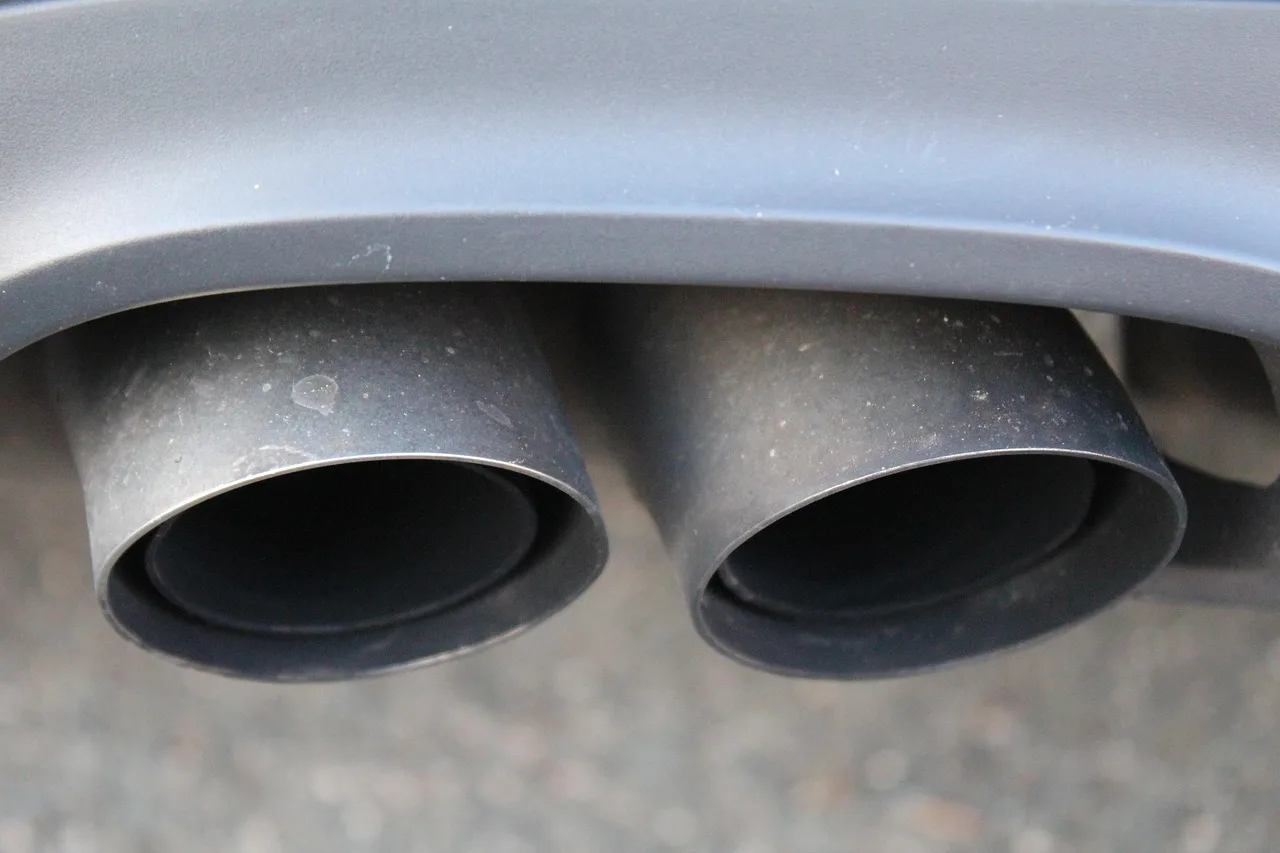
Catted Downpipe vs Catless Downpipe
Choose a catted downpipe for street use, inspections, and long trips; choose catless only for off-road or track-only use, where maximum exhaust flow matters most. Skip that split and you raise the odds of failed emissions checks, strong exhaust odor, drone, and tune problems. This guide compares flow, inspection exposure, smell, heat, sound, and build-stage fit so you can choose the right downpipe for your setup.
| Factor | Catted downpipe | catless downpipe | Winner |
|---|---|---|---|
| Peak flow | Lower restriction than stock, but the catalyst still adds some backpressure. | Maximum exhaust flow because the catalyst substrate is removed entirely. | catless downpipe |
| Spool and response | Usually a strong improvement over stock, especially with a high-flow cat. | Can be the better choice when turbine outlet restriction is the limiting factor. | catless downpipe |
| Odor | Usually reduces exhaust smell compared with catless. | Raw-fuel odor is much more likely. | Catted downpipe |
| Noise | Deeper and more controlled. | Louder, sharper, and more aggressive. | Catted downpipe |
| CEL risk | Lower than catless, but still possible depending on ECU strategy and catalyst placement. | High catalyst-efficiency fault risk. | Catted downpipe |
| Emissions and inspection risk | Lower exposure, but not a guarantee of legality. | Highest exposure. | Catted downpipe |
| Daily comfort | Better for commuting, passengers, and long drives. | More smell and noise, so it fits daily use poorly. | Catted downpipe |
| Track suitability | Good for mixed use and many street-driven builds. | Best when maximum flow is the main goal. | catless downpipe |
What each setup changes after the turbo
The downpipe bolts to the turbocharger outlet, so it shapes how fast exhaust leaves the turbine housing. Less restriction can help spool, cut turbine outlet backpressure, and change how hard the wastegate must work to control boost.
That is why this choice is not only about peak horsepower. It also changes response, sound, smell, and how likely the ECU is to complain about catalyst efficiency.
What a catted downpipe
A catted downpipe contains a catalytic converter. ARM describes many of these as using a 200 cell high-flow sport catalytic converter, and XKV racing notes that 200-cell catalysts generally favor lower restriction while 400-cell catalysts usually offer more catalyst surface area. A catted setup is often the middle path: more flow than stock, less odor and fewer street headaches than catless.
What a catless downpipe
A catless downpipe removes the catalyst substrate entirely. XKV racing says that gives the highest-flow layout and usually a louder, sharper, more aggressive exhaust note, but it also raises odor and catalyst-efficiency fault risk. That extra flow matters most when the turbo system is already moved beyond the factory bottleneck.
How restriction affects spool and wastegate duty
Restriction after the turbine outlet can hold back exhaust evacuation, which can slow response and change wastegate duty. On some platforms, a freer downpipe helps the turbo reach target boost sooner; on others, the gain is modest until the rest of the system, including tuning, can take advantage of it.
A tune may be needed to realize the change cleanly. ECU strategy, boost targets, load modeling, timing, and fueling all affect whether the new flow behaves as intended or simply triggers correction and faults.
Where cell count fits
Cell count is measured in cells per square inch, or CPSI. Lower cell counts usually mean less restriction, so a 200-cell catalyst typically flows more freely than a denser design, while a 400-cell unit usually adds more surface area for emissions control.
That tradeoff is why a high-flow cat can be a good compromise. It does not make a catted setup identical to catless, but it can narrow the gap enough for many street-driven builds.
Which sounds louder and smells worse?
catless downpipe vs catted downpipe sound usually splits cleanly on volume and sharpness. The catless setup is louder and more aggressive, while a catted setup tends to sound deeper and more controlled. Smell is often the bigger daily-driver issue, because the odor difference is more obvious than a small power gap.
Noise differences
XKV racing says a catless setup usually produces a louder, sharper, more aggressive exhaust note. That can suit a track car, but it also draws attention in neighborhoods, parking structures, and on the highway.
A catted downpipe usually trims some edge from the exhaust note. The result is still louder than stock, just easier to live with.
Why smell matters more than peak horsepower
XKV racing notes that catless vehicles may produce a strong raw-fuel or exhaust odor, and that catted downpipes normally reduce odor compared with catless pipes. For many drivers, that smell is the real divider because it enters the cabin, lingers near the car, and becomes tiring in traffic.
Say your turbo car idles in a garage after a cold start. A catless setup is more likely to leave the area smelling raw and harsh, while a catted setup usually softens that effect without removing the gains from the downpipe itself.
Will a catted downpipe trigger a check engine light?
Yes, it can. A catted downpipe may still trigger a check engine light depending on ECU strategy, catalyst placement, and substrate quality, and it is generally reported to carry lower CEL risk than a catless setup. The fault often comes from catalyst-efficiency monitoring, not from flow alone.
Why catalyst-efficiency monitoring matters
Many ECUs are commonly reported to compare upstream and downstream oxygen sensor behavior to judge catalyst efficiency. If the signal looks too similar, the ECU can flag a catalyst-efficiency fault even when a catalyst is installed. That is why “has a cat” does not automatically mean “no CEL.”
Why substrate quality and placement matter
The physical location of the catalyst and the quality of the substrate both affect how the ECU reads the system. A well-placed, properly spec’d high-flow catalyst is less likely to trip faults than a poor layout, but no setup is immune because vehicle logic varies by platform.
When a tune can help, and when it cannot
An ECU tune may reduce nuisance faults and align boost, load, timing, and fueling with the new exhaust flow. It cannot legally erase emissions equipment issues, and it cannot guarantee readiness-monitor behavior on every platform.
A common first-timer mistake is assuming a catted downpipe plus a tune equals zero risk. That is not true on every ECU, and the inspection result still depends on what the local test checks.
Downpipe decision matrix
The right choice changes with build stage. A stock turbo car often does not need the absolute lowest restriction, while a hybrid or big-turbo build may care much more about turbine outlet backpressure and flow ceiling. XKV racing also points out that the choice depends on performance, sound, smell, tuning, emissions, cost, and daily drivability.
| Build stage | Catted downpipe | catless downpipe | Recommendation |
|---|---|---|---|
| Stock turbo | Strong street balance; usually enough flow for mixed use. | Extra flow is less likely to matter than smell and inspection risk. | Catted downpipe |
| Hybrid turbo | Good if the car still sees regular street miles and local rules are strict. | Better if the hybrid setup is being pushed close to the flow ceiling. | Tie, with catted downpipe for street use |
| Big-turbo build | May become the limiting factor at higher flow demand. | Usually the better match when the build is chasing maximum exhaust reduction. | catless downpipe |
Stock turbo
For a stock turbo, the catted path is usually the better trade. The factory turbo already has modest flow demand, so the real gains often come from a sensible high-flow cat, a matching tune if needed, and keeping the car civil for daily use.
Hybrid turbo
A hybrid turbo sits in the middle. If the car is still a commuter, catted makes more sense; if the goal is to squeeze the last bit of flow on a hard-driven setup, catless starts to make more sense. That is why the recommendation depends on how much street use remains.
Big-turbo build
Once the turbo is large enough that exhaust evacuation becomes a real bottleneck, catless earns its place. At that point the flow ceiling matters more, especially when the car is track-focused and you are willing to accept more smell, noise, and inspection exposure.
Choose Catted downpipe if… / Choose catless downpipe if…
Choose Catted downpipe if you want lower smell, lower CEL risk, and better daily comfort; choose catless downpipe if maximum flow and track focus come first. The right answer is mostly about use case, not hype.
- Choose Catted downpipe if the car sees commuting, highway miles, or passengers.
- Choose Catted downpipe if you want a quieter, deeper exhaust note and less raw-fuel odor.
- Choose Catted downpipe if your stock turbo or mild hybrid build does not need the absolute top flow ceiling.
- Choose catless downpipe if the car is track-only or off-road and you want the highest possible flow.
- Choose catless downpipe if you are building around a large turbo and are prepared for louder exhaust and higher inspection risk.
Is a catted downpipe street legal?
Not automatically. Street legality and emissions compliance are jurisdiction-dependent, and a catted downpipe may still not be street legal in some places. Off-road use labels are not proof of legality, and removing functional emissions equipment may violate local laws even if the part includes a catalyst.
Inspection risk breaks into separate failure modes
Think of the risk in pieces. A car can fail because the ECU logs a CEL, because readiness monitors do not set, because the inspector spots the hardware change, or because the smell and tailpipe output clearly point to emissions tampering.
That is why “it has a cat” is not a complete answer. The whole package has to fit the vehicle, the tune, and the local test.
Why a high-flow cat is not a legal guarantee
SuncentAuto says a catted downpipe is better for emissions control than a catless pipe, but that still does not make it automatically road legal. XKV racing also notes that a catted downpipe may still not be street legal, which is the safer assumption if you are choosing for public-road use.
Frequently asked questions
What is a catted downpipe?
A catted downpipe is a turbo downpipe that includes a catalytic converter. The same source says many use a 200 cell high-flow sport catalytic converter, which reduces restriction compared with a stock converter while usually cutting odor and CEL risk compared with a catless setup.
What is a catless downpipe?
A catless downpipe removes the catalyst substrate entirely. That gives the highest flow ceiling and a louder, sharper exhaust note, but it also raises odor, catalyst-efficiency fault risk, and inspection exposure on street-driven cars.
What is the difference between catted and catless downpipe?
The main difference is the catalyst. A catted downpipe keeps a catalytic converter in the exhaust path, while a catless downpipe does not. That changes flow, smell, sound, CEL risk, and how much compliance risk you accept for the build.
Does a catted downpipe need a tune?
Maybe. A tune is often recommended when you change the downpipe because boost control, load, timing, and fueling may all shift. Some cars run acceptably without one, but many platforms benefit from calibration changes to avoid faults or poor drivability.
Does a catless downpipe need a tune?
Often yes. Catless setups can trigger catalyst-efficiency faults and may change how the ECU manages boost and fueling. A tune can help the car operate correctly, but it does not make the setup street legal or eliminate all check-engine risk.
Will a catless downpipe trigger a check engine light?
Very often, yes. XKV racing says catless downpipes can trigger catalyst-efficiency faults, and that risk is usually higher than with a catted downpipe. Whether the light appears depends on the ECU strategy, sensor setup, and the exact downpipe design.
Which is better for daily driving, catted or catless?
A catted downpipe is often the better daily driver choice. It usually keeps odor and noise in check, lowers CEL risk, and creates less attention at inspections or in traffic. Catless is better reserved for track-only or off-road use where flow matters more than comfort.
How much louder is catless downpipe vs catted downpipe?
Catless is usually noticeably louder, sharper, and more aggressive, while catted is deeper and more controlled. The exact difference varies by turbo, mufflers, resonators, and the rest of the exhaust, but the catless smell is often the more obvious change in day-to-day use.
High flow catted downpipe vs catless downpipe
A high flow catted downpipe is the compromise choice when you want better flow without taking the full hit on odor and inspection risk. Catless still wins on maximum exhaust flow, but the gap only matters if the build is actually limited by the catalyst rather than by the rest of the setup.
Catless downpipe vs catted downpipe sound
Catless sounds louder and more aggressive. Catted sounds a bit fuller and less sharp, which is usually easier to live with on the street. If the car is a commute tool, the quieter, more controlled note is usually worth more than the last bit of exhaust reduction.
