Do Aftermarket Fairings Need Heat Shields: Essential Safety Tips
If you’ve ever upgraded your bike with aftermarket fairings, you might be wondering: do these new parts need heat shields? You want your ride to look great and perform well, but overheating can cause damage and discomfort.

NT FAIRING
NT FAIRING Glossy Black Fairing Fit for…
- [1] Injection Mold Fairing Set Fit For: HONDA 2006 2007 CBR1000RR
- [2] Material and Paint Job: Being made of strong, durable ABS plastic. Paint job: 3-5 layers of clear coats applied.
- [3] Packing: Each piece is packed individually with polyfoam, and each set of fairing is packed in 7-Layers extra strong carton.
As an Amazon Associate I earn from qualifying purchases.
Understanding whether heat shields are necessary can save you money and prevent costly repairs down the road. Keep reading to discover what you really need to protect your bike and enjoy a smoother, cooler ride every time.
Role Of Aftermarket Fairings
Aftermarket fairings play an important role in customizing motorcycles. They change the bike’s look and improve its function. Riders choose them to replace or upgrade the original fairings.
These fairings can affect how the bike handles heat and wind. Their design and material impact the bike’s safety and performance. Understanding their role helps decide if heat shields are necessary.
Purpose And Benefits
Aftermarket fairings protect the bike’s engine and parts. They reduce wind resistance and improve speed. They also offer a fresh style to the motorcycle.
These fairings can be easier to fix or replace than original ones. They often cost less and provide more design options. Riders can get fairings that fit their needs better.
Material Differences
Aftermarket fairings use different materials than stock versions. Common types include ABS plastic, fiberglass, and carbon fiber. Each material has unique heat resistance and strength.
ABS plastic is lightweight but may get soft under heat. Fiberglass is strong but can crack on impact. Carbon fiber is durable and heat resistant but more expensive.
Material choice affects if heat shields are needed. Some materials handle engine heat well. Others require extra protection to avoid damage.
Heat Exposure Risks
Heat can harm aftermarket fairings on motorcycles and scooters. Without proper protection, fairings face damage that affects looks and safety. Understanding heat exposure risks helps decide the need for heat shields.
Common Heat Sources
Engines produce high heat during rides. Exhaust pipes get extremely hot. Radiators emit heat to cool the engine. Sunlight also raises surface temperatures. These sources can heat fairings quickly.
Potential Damage Without Protection
Heat can warp plastic or fiberglass fairings. Paint may peel or fade from strong heat. Cracks can form on unprotected surfaces. Heat weakens materials, reducing fairing lifespan. This leads to costly repairs or replacements.
Function Of Heat Shields
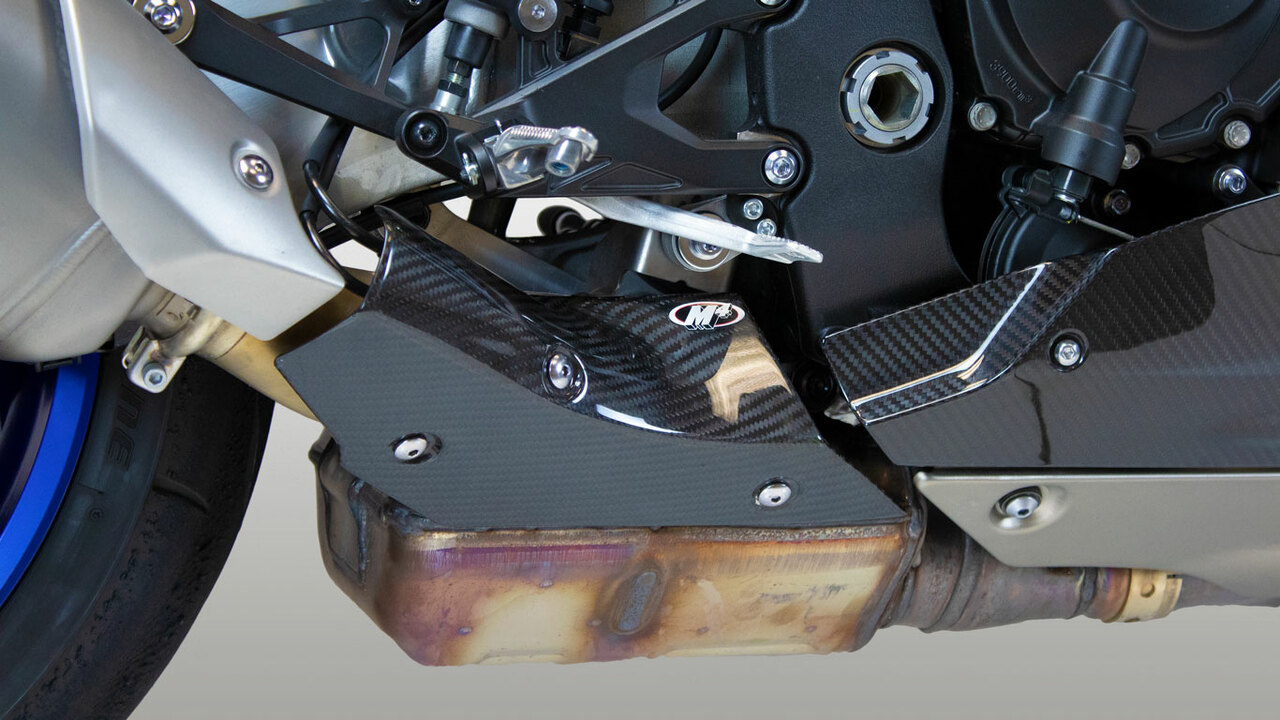
Heat shields protect motorcycle parts from high temperatures. They stop heat from damaging fairings and other components. Without heat shields, plastic or paint can melt or fade. Heat shields also help keep riders safe from burns. They create a barrier that controls heat flow. This makes aftermarket fairings last longer and look better.
How Heat Shields Work
Heat shields block or reflect heat away from sensitive parts. They reduce heat transfer by using special materials. Some shields reflect heat like a mirror. Others absorb heat and spread it out. This lowers the temperature near fairings. Heat shields work by stopping hot air or flames. They keep fairings cool and prevent damage.
Types Of Heat Shields
There are different types of heat shields for motorcycles. Metal shields are common and very strong. They reflect heat well and last long. Ceramic shields can handle very high temperatures. They protect parts from extreme heat. Some shields use heat-resistant fabrics or coatings. These materials provide flexible or lightweight options. Each type suits different heat levels and bike styles.
Necessity Of Heat Shields For Aftermarket Fairings
Aftermarket fairings often differ from stock parts in material and design. This change raises the question: do these fairings need heat shields? The answer depends on various factors. Heat shields protect fairings from engine heat and exhaust pipes. Without them, fairings may warp, crack, or discolor over time. Understanding the necessity of heat shields helps riders maintain their bike’s look and function.
Compatibility Factors
Not all aftermarket fairings fit the same way as original parts. Some materials tolerate heat better than others. Plastic fairings might need more protection than fiberglass or carbon fiber types. The design also matters. Fairings placed close to the engine or exhaust face higher heat exposure. Riders should check the heat tolerance of their fairing material. Proper fit can reduce or increase the need for heat shields.
Manufacturer Recommendations
Manufacturers often provide guidance on heat shield use. They test fairings to see how much heat they can handle. If a maker advises adding a heat shield, it is best to follow that advice. Ignoring recommendations can shorten the fairing’s life. Some brands include heat shields with their fairing kits. Others sell them as separate accessories. Always read the product details and instructions carefully before installation.