Is Intake Valve Guide The Same As Exhaust? Essential Guide
No, intake valve guides and exhaust valve guides are not the same. They are designed for different jobs within your engine. While they look similar, their materials and dimensions vary to handle the distinct temperatures and stresses of intake versus exhaust gases. Understanding these differences is key to proper engine health.
Have you ever found yourself staring at engine parts, wondering if one does the same job as another? It’s a common puzzle, especially when you’re new to car care. Let’s talk about valve guides. You might wonder, “Is an intake valve guide the same as an exhaust valve guide?” For many beginners, they appear identical, leading to confusion. This guide is here to clear that up. We’ll break down the differences in a way that makes perfect sense, helping you understand your engine better and feel more confident about its parts.
Understanding Your Engine’s Valves: The Basics
Your car’s engine is a complex marvel, and at its heart are the valves. These little gatekeepers control the flow of air and fuel into your engine (intake) and the exit of burnt gases (exhaust). Think of them as tiny, precisely timed doors opening and closing thousands of times per minute. This constant opening and closing needs to be guided accurately to ensure everything runs smoothly. That’s where valve guides come in.
What is a Valve Guide?
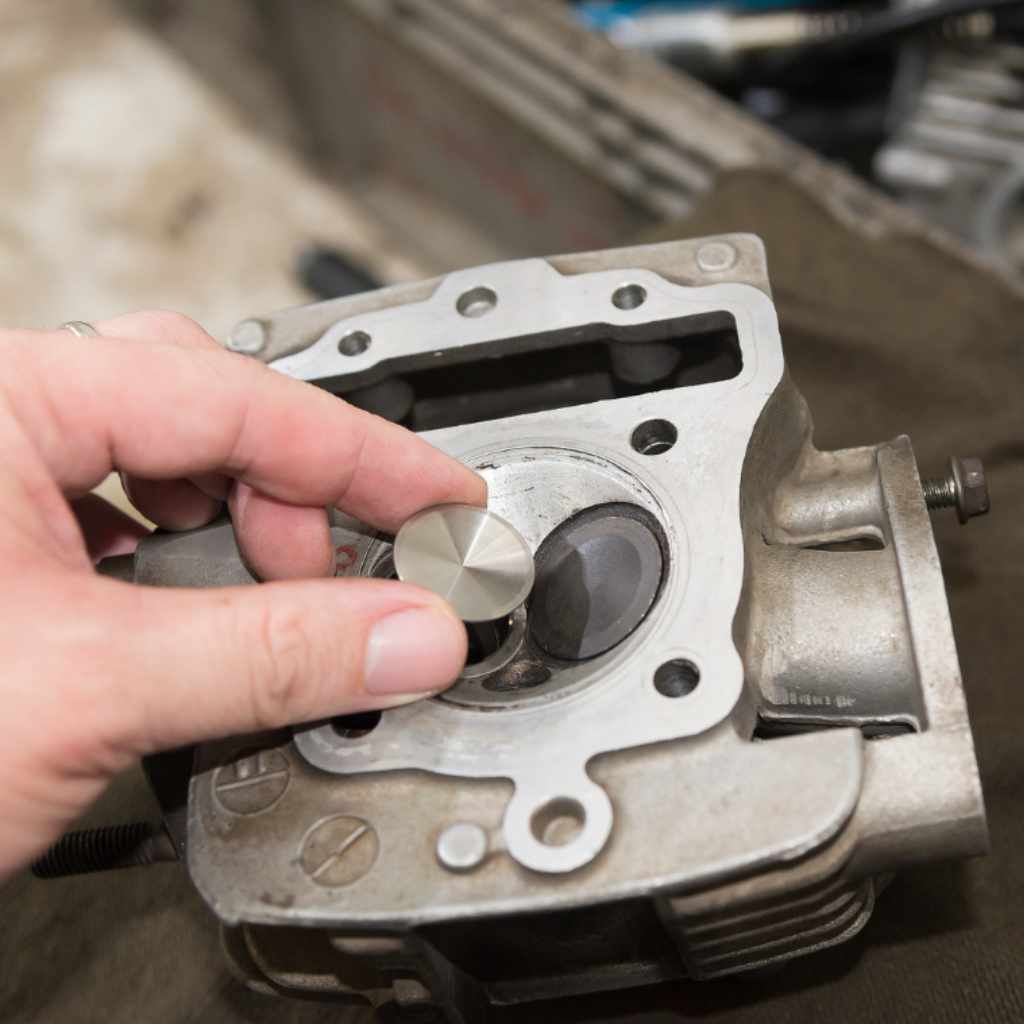
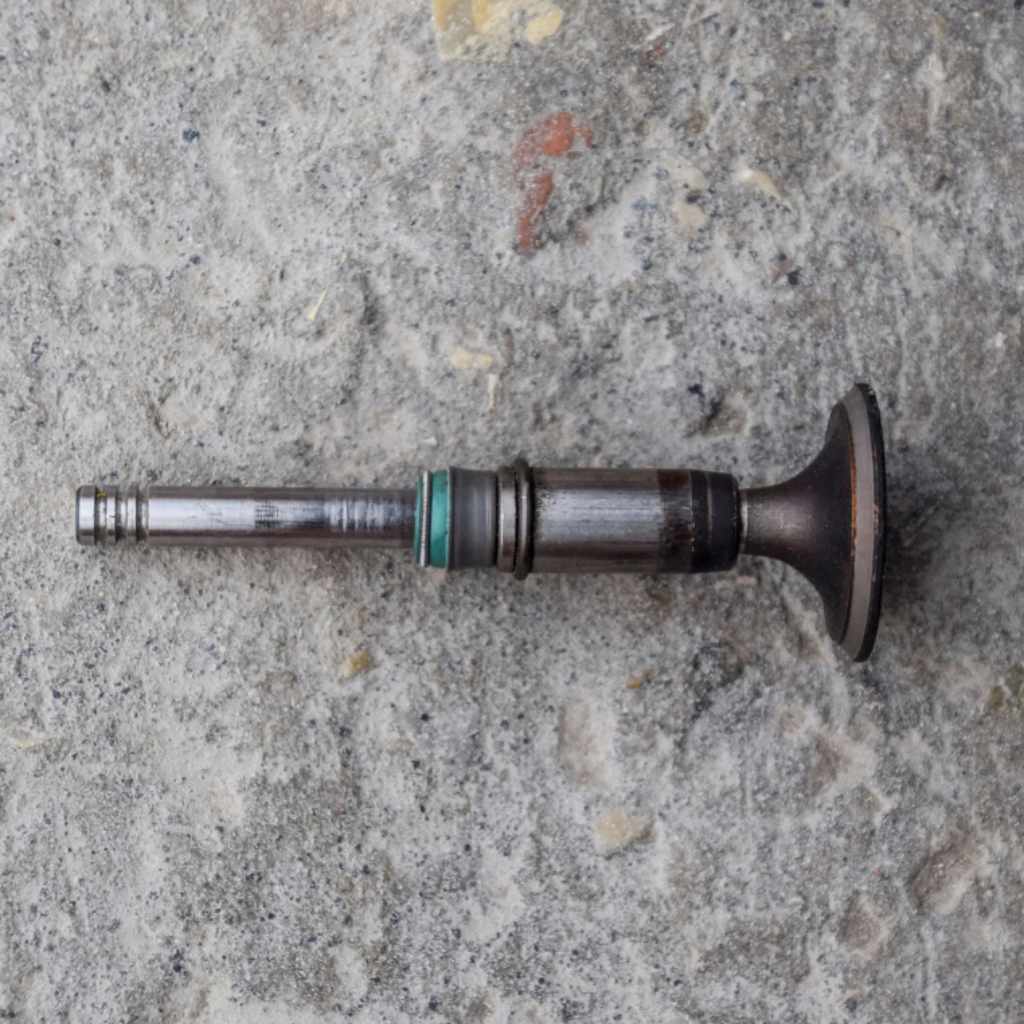
A valve guide is essentially a tube, usually made of brass or bronze, that’s pressed into the cylinder head of your engine. The valve stem, the long, slender part of the valve, slides up and down inside this guide. The guide’s job is crucial: it keeps the valve perfectly centered in its seat. This precision is vital for a good seal, which means your engine can breathe effectively and burn fuel efficiently. Without well-functioning valve guides, valves could wobble, leading to poor sealing, loss of power, and potential engine damage.
Intake Valve Guides vs. Exhaust Valve Guides: The Key Differences
While both intake and exhaust valve guides serve the same fundamental purpose – guiding the valve stem – they are engineered with significant differences due to the vastly different environments they operate in. It’s like comparing a regular door hinge to one designed for a kiln! Let’s explore these distinctions:
1. Temperature Extremes
This is the most significant difference. Engine combustion creates intense heat. The exhaust valves and their guides have to withstand much higher temperatures than their intake counterparts. Exhaust gases exiting the combustion chamber can reach temperatures well over 1000°F (538°C), especially under heavy load or during hard acceleration. Intake gases, on the other hand, are typically cooler, consisting of a fuel-air mixture that’s usually at or below ambient engine temperature.
Because of these extreme temperatures, exhaust valve guides are often made from more durable, heat-resistant materials. Common materials include:
- Sintered iron
- Specific bronze alloys
- High-nickel cast iron
These materials can better tolerate the thermal stress and prevent warping or premature wear. Intake valve guides, while still needing to be durable, can often be made from softer materials like brass or aluminum bronze. These materials offer good wear resistance and are easier to machine.
2. Material Composition
As mentioned above, the materials are a key differentiator. Exhaust guides need to be robust. They’re often manufactured using processes like powder metallurgy (sintering) to create a dense, wear-resistant structure that can handle the heat and the abrasive nature of exhaust gases, which can sometimes carry tiny particles of carbon. Intake guides, dealing with relatively cooler and cleaner air-fuel mixtures, don’t require the same level of thermal toughness and can be made from materials that offer excellent lubricity and wear resistance in less extreme conditions.
3. Dimensions and Tolerances
While visually similar, there can be subtle differences in the dimensions and internal tolerances of intake and exhaust valve guides. Exhaust valve guides might be designed with slightly larger clearances to account for the expansion caused by extreme heat. Conversely, intake valve guides may have tighter tolerances to ensure precise valve seating at cooler temperatures, contributing to better fuel efficiency and emissions control. In some performance applications, engineers might even use different sizes to optimize flow characteristics for each valve type.
4. Lubrication Requirements
The lubrication needs differ too. The fuel-air mixture entering the intake port naturally carries a small amount of oil vapor, which helps lubricate the intake valve stem and guide. The exhaust side, however, deals with hot, dry gases. Therefore, the materials and surface finishes of exhaust valve guides are engineered to provide better self-lubrication or to withstand dry-running conditions for longer periods without excessive wear.
5. Wear Patterns
The wear patterns on intake and exhaust valve guides can tell a story. Intake guides typically show wear from the valve stem sliding, often with a somewhat uniform pattern if properly lubricated. Exhaust guides, due to the higher temperatures and potential for carbon buildup, might show signs of heat-related stress, pitting, or a different type of abrasive wear. Understanding these patterns is crucial for diagnosing engine problems.
Why You Should Never Mix Them Up
Swapping an intake valve guide for an exhaust one (or vice-versa) is a common mistake that can lead to serious engine problems. Here’s why getting this right is so important:
- Overheating and Failure: Putting an intake guide into an exhaust port means it’s not built to handle the heat. It can quickly overheat, warp, seize the valve, or even fail completely, potentially leading to catastrophic engine damage. Imagine trying to use a plastic spoon in a campfire – it won’t end well!
- Poor Sealing and Performance Loss: An exhaust guide that’s too loose due to heat expansion on the intake side might not allow for perfect sealing. On the flip side, an intake guide in an exhaust port that isn’t designed for high heat could become too tight once it heats up, preventing the valve from closing properly. This leads to lost compression, reduced power, poor fuel economy, and increased emissions – essentially, a sad engine.
- Increased Wear: The wrong material or dimensions won’t offer the optimal wear resistance for the specific operating conditions. This means both the guide and the valve stem will wear out faster than they should, leading to premature engine component failure.
- Costly Repairs: Correcting the mistake of mixing up valve guides involves taking the engine apart again, removing the incorrectly installed guides, and installing the correct ones. This is time-consuming and adds significant labor costs to any repair job.
Identifying Intake vs. Exhaust Valve Guides
So, how can you tell which is which? When you have the cylinder head removed, here are some clues:
- Location: This is the most obvious. Intake ports are where the air-fuel mixture enters, and exhaust ports are where the burnt gases exit. They are typically located on opposite sides of the combustion chamber in most engine designs.
- Material Appearance: While not always definitive, exhaust guides are often a darker, more robust-looking metal, like a dense grey iron or a specific bronze alloy. Intake guides might appear lighter or have a more yellowish hue if they are brass.
- Part Numbers: The most reliable way is to check the part numbers if you have the original components or documentation. Manufacturers use distinct part numbers for intake and exhaust valve guides. Even slight variations in manufacturing will mean a different number.
- Size and Fit: When measuring, you might find subtle differences in internal diameter or wall thickness, though this requires precise measuring tools and knowledge of the engine’s specifications.
When Might You Need to Replace Valve Guides?
Valve guides are designed to last the life of an engine, but sometimes they wear out or get damaged. Here are common reasons for replacement:
- Excessive Wear: If the valve stem has too much play within the guide, it’s a sign of wear. This can be detected by wiggling the valve stem when it’s seated. Excessive movement can cause poor sealing and oil consumption.
- Damage: Guides can be damaged during engine assembly or by overheating. Cracks, scoring, or deformation can render them unusable.
- Engine Rebuilds: During a major engine overhaul or rebuild, it’s often recommended to replace or at least inspect the valve guides. If they are within specification, they might be reused, but for many rebuilds, new guides ensure optimal performance and longevity.
- Upgraded Performance Components: When upgrading engine components for higher performance, you might need to install stronger valve guides designed to handle increased stress and higher operating temperatures.
The Process of Replacing Valve Guides (A Simplified Overview)
Replacing valve guides is a job that often requires specialized tools and expertise. It’s not typically a beginner DIY task, but understanding the process can be beneficial:
- Cylinder Head Removal: The cylinder head must be removed from the engine.
- Old Guide Removal: The old guides are usually pressed in. They are typically driven out from the top or bottom of the cylinder head using specialized pulling or pressing tools. Care must be taken not to damage the surrounding cylinder head material.
- Bore Preparation: The bores in the cylinder head where the new guides will be installed may need to be precisely reamed or honed to the correct size for a perfect fit.
- New Guide Installation: New guides are carefully pressed into place using a hydraulic press and specific tooling. Sometimes, guides are chilled before installation to make them contract slightly, aiding the pressing process.
- Honing/Reaming the New Guides: Once installed, the inside of the new guides must be honed or reamed to the exact manufacturer’s specifications. This ensures the correct clearance for the valve stem to slide smoothly without excessive play. Companies like Alligator Pliers offer quality tools that assist in these precise machining tasks.
- Valve Installation and Checking: Valves are then installed, and their movement within the guides is checked for smooth operation and proper sealing.
For tasks like precision reaming, checking out resources on using guide reamers can provide a deeper understanding of the machining involved. For instance, information from a reputable source like National Tool Warehouse can illustrate the types of specialized tools used.
Intake Valve Guide vs. Exhaust Valve Guide: A Comparative Table
Let’s summarize the key differences in a clear table:
| Feature | Intake Valve Guide | Exhaust Valve Guide |
|---|---|---|
| Primary Function | Guides intake valve for air-fuel mixture. | Guides exhaust valve for burnt gases exit. |
| Operating Temperature | Lower (ambient to moderate engine temp) | Much Higher (up to 1000°F+ / 538°C+) |
| Typical Materials | Brass, aluminum bronze, softer alloys | Sintered iron, high-nickel cast iron, heat-resistant bronze alloys |
| Durability Requirement | Good wear resistance | High heat resistance, superior wear resistance |
| Lubrication Source | Oil vapor in fuel-air mixture | Hot, dry gases; requires inherent material properties |
| Common Wear Issues | Stem wear from sliding, potential for oil burning | Heat stress, carbon buildup, abrasive wear |
| Consequences of Mixing | Potential overheating, seizing, poor sealing | Premature wear, poor sealing, loss of power, engine damage |
Common Misconceptions and FAQs
Let’s address some frequently asked questions about valve guides.
Frequently Asked Questions (FAQs)
Q1: Can I use an intake valve guide as a replacement for an exhaust valve guide in a pinch?
A: Absolutely not. It’s extremely risky and can lead to serious engine damage due to the massive temperature difference. Always use the correct part for the job.
Q2: How do I know if my valve guides are worn?
A: Signs of worn valve guides include excessive blue smoke from the exhaust (especially on startup or deceleration, indicating oil burning), a noticeable wobble when trying to move the valve stem (if accessible), and generally poor engine performance or compression.
Q3: Do all engines use the same type of valve guides?
A: No. While the basic principle is the same, materials, dimensions, and designs vary significantly between different makes, models, and performance levels of engines. Always refer to your vehicle’s specific service manual.
Q4: Can valve guides be resurfaced or repaired instead of replaced?
A: In some cases, severely worn guides can be bored out and new, larger-sized guides can be installed. This is a complex machining process. Simple wear is usually addressed by replacement, while damage to the cylinder head around the guide might require more extensive repair.
Q5: What is the role of the valve seal? Are they related to valve guides?
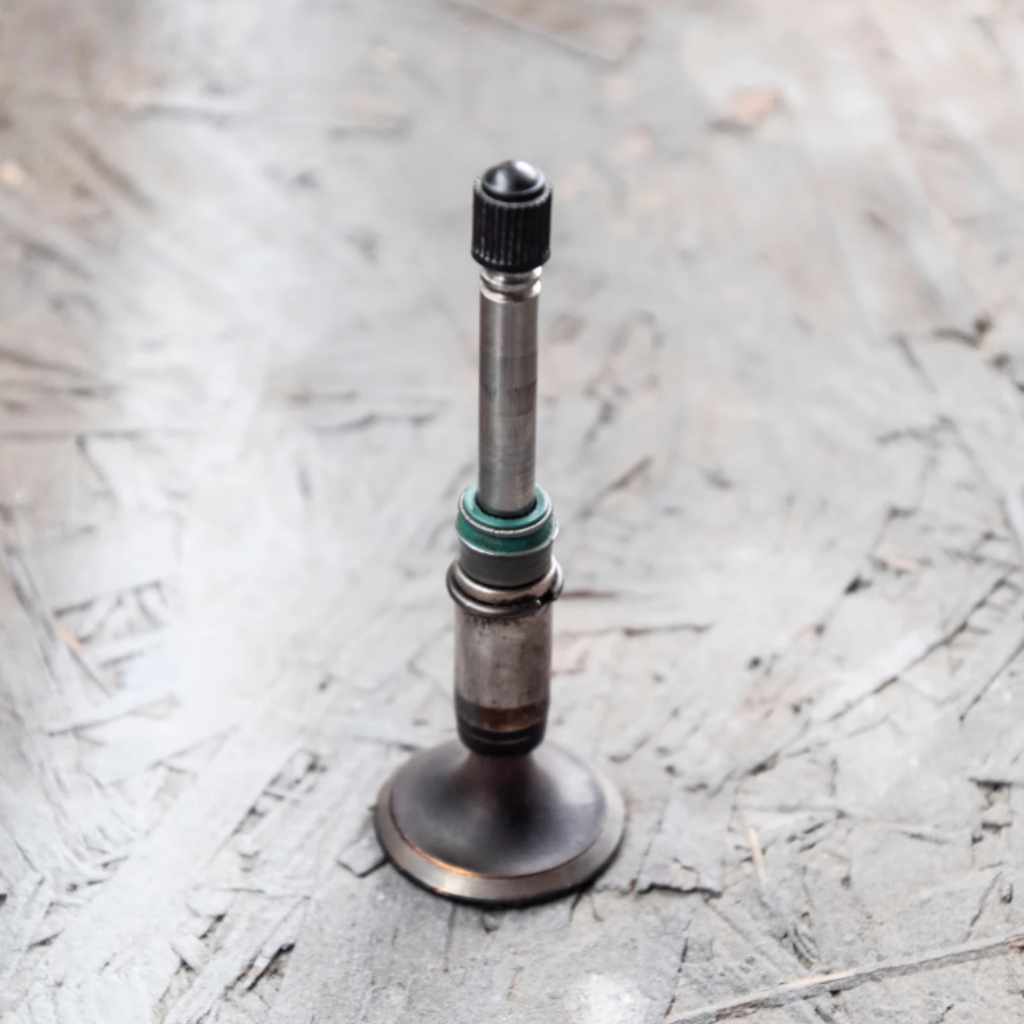
A: Yes, they are related. Valve seals fit around the valve stem, often at the top of the valve guide. Their primary job is to prevent oil from the valvetrain from entering the combustion chamber and being burned. Worn seals, like worn guides, can contribute to oil consumption and blue smoke.
Q6: Are performance engines different regarding valve guides?
A: Yes, performance engines often use more robust, heat-resistant, and precisely machined valve guides to handle higher RPMs, increased cylinder pressures, and hotter operating conditions. Multi-piece guides or specialized alloys might be used.
Conclusion: Precision Matters for Engine Health
So, to sum it all up: is an intake valve guide the same as an exhaust valve guide? No, they are distinctly different components tailored to their specific operating conditions. The intense heat and abrasive nature of exhaust flow demand materials and designs far more robust than those used for the cooler, cleaner intake charge. Using the wrong guide can lead to a cascade of problems, from poor engine performance to complete failure. Understanding these differences is a vital step in appreciating the engineering that goes into your car’s engine and in performing proper maintenance. Always ensure you use the correct parts specified for your intake and exhaust applications to keep your engine running smoothly, efficiently, and reliably for years to come.