Does The Durango Hellcat Have Valved Exhaust

Does The Durango Hellcat Have Valved Exhaust? Essential Guide

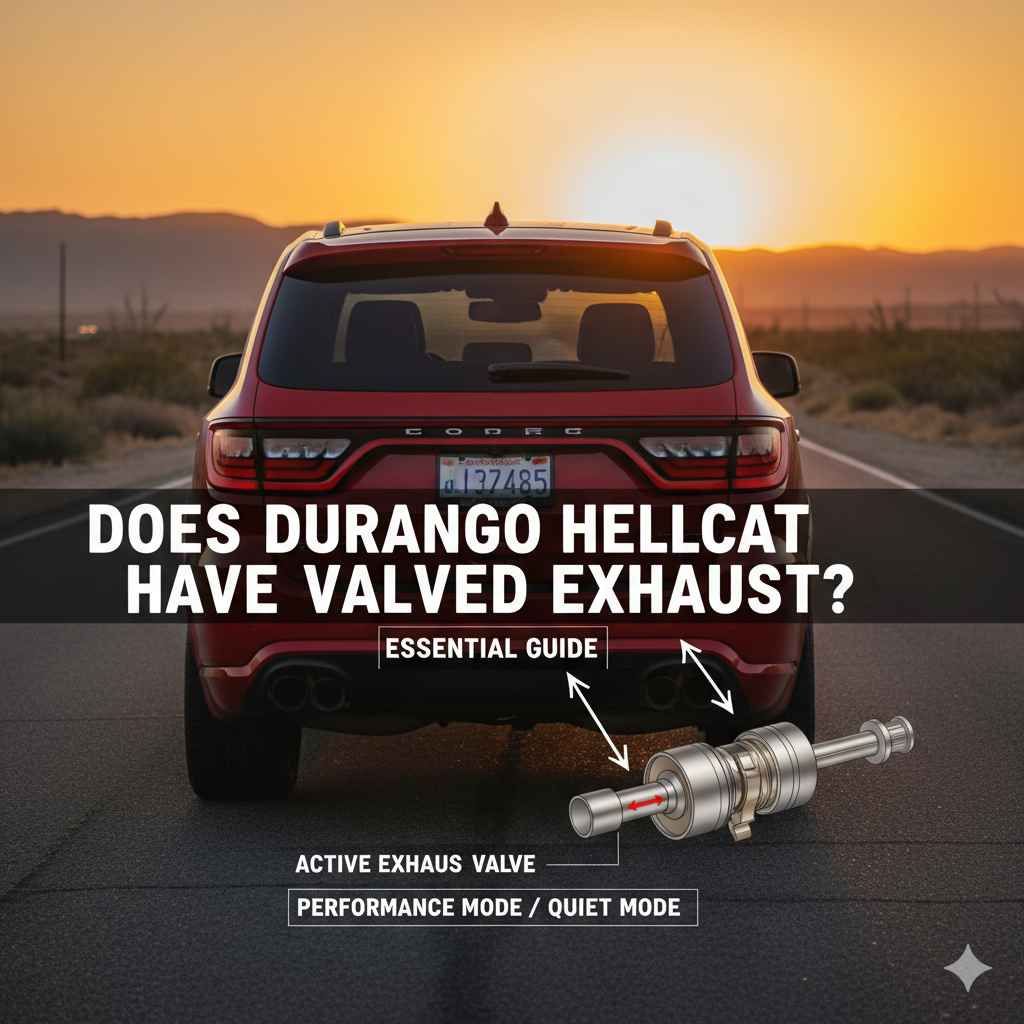
Yes, the Dodge Durango Hellcat does feature a valved exhaust system, allowing for adjustable sound and performance characteristics. Owners can typically expect two distinct modes: a quieter, more subdued setting for everyday driving and a louder, more aggressive mode for spirited performance.

So, you’re curious about that roar from the Durango Hellcat, right? It’s a question many car fans ask: “Can this beast truly change its voice?” The answer is a resounding yes! Unlike many cars that have a single, unchanging exhaust note, the Durango Hellcat is equipped with a special feature: a valved exhaust. This means it can get both loud and (relatively) quiet on command. It’s like having two exhaust systems in one, giving you the best of both worlds. We’ll dive into just how it works, why it’s there, and what it means for your driving experience. Get ready to understand the sound of power!

Understanding the Durango Hellcat’s Valved Exhaust System

What exactly is a valved exhaust, and why is it in a powerful SUV like the Durango Hellcat? Think of it like a smart gatekeeper for your car’s engine sound. This system uses a flap or valve that can open or close to change how the exhaust gases flow.

When the valve is closed, the exhaust gases have to take a longer, more restricted path. This path often includes mufflers designed to quiet down the sound significantly. This is your “stealth mode.”

When the valve opens, the exhaust gases get a direct, less restricted path. They bypass some or all of the sound-dampening components, heading straight out the tailpipes. This unleashes the full, aggressive growl of the Hellcat engine.

Why Dodge Included Valved Exhaust on the Durango Hellcat

Dodge didn’t just put a valved exhaust on the Durango Hellcat for fun; it serves several important purposes:

  • Performance Tuning: Different exhaust flow can slightly alter engine performance. A more open exhaust can sometimes help the engine breathe better.
  • Noise Regulation: In many areas, there are rules about how loud vehicles can be, especially in residential neighborhoods or during specific hours. The valved system allows the Durango Hellcat to meet these regulations when needed.
  • Driver Comfort: Imagine driving your Hellcat on a long road trip with the exhaust always at its loudest. It would be quite tiring! The valved system allows for a quieter, more comfortable cabin experience during everyday driving.
  • Enhanced Driving Experience: For those moments when you want to unleash the full potential and sound of the supercharged V8, the open valve mode provides that exhilarating, muscle-car auditory feedback.

This clever engineering strikes a balance between brute force and practical usability, making the Durango Hellcat a more versatile machine.

Explore more about Exhaust System Types with this related post. How Do Turbo Exhaust Graphics Cards Work? Essential Guide

How the Durango Hellcat’s Valved Exhaust Works

The magic behind the Durango Hellcat’s valved exhaust lies in a few key components working together. It’s not magic, but it’s certainly clever engineering!

The Valve Itself

At the heart of the system is the exhaust valve. This is typically a butterfly valve, similar to a damper in a HVAC system, but built to withstand the extreme heat and pressure of exhaust gases. It’s usually located just before or within the muffler section of the exhaust. This valve can be electronically controlled to pivot open or closed.

Electronic Actuation

The valve isn’t manually operated by the driver. Instead, it’s moved by an electronic actuator. This actuator is a small motor that receives signals from the vehicle’s computer. When the computer tells it to, the actuator moves the valve to its open or closed position.

Control Systems

The Durango Hellcat’s onboard computer, often referred to as the Powertrain Control Module (PCM) or Engine Control Unit (ECU), manages the entire operation of the valved exhaust. It decides when the valve should open or close based on several factors:

  • Drive Modes: The most common way to control the exhaust is through the vehicle’s selectable drive modes. When you switch to a sportier mode, the computer will typically open the exhaust valve. In normal or eco modes, it will keep it closed.
  • Engine Speed (RPM): Sometimes, exhaust valves are programmed to open automatically at higher engine speeds (RPMs) when more power is being demanded from the engine.
  • Throttle Position: Aggressive acceleration can also trigger the valve to open.
  • Engine Temperature: In some systems, the valve might stay closed until the engine reaches its optimal operating temperature.

Some high-performance vehicles even allow drivers to manually control the exhaust valve via a button on the dashboard or through a dedicated app. While the standard Durango Hellcat primarily relies on automatic control via drive modes, the underlying technology allows for a dynamic sound experience.

Expand your knowledge about Exhaust System Types with this article. Loudness: Proven Best Exhaust Comparison

Activating and Using the Valved Exhaust

For the Durango Hellcat owner, using the valved exhaust is designed to be seamless and intuitive. You don’t need to be an expert mechanic to enjoy the different sound profiles.

Default Modes and Sound Profiles

The Durango Hellcat typically operates in two main exhaust sound modes:

  • “Normal” or “Quiet” Mode: When the vehicle is in its standard driving mode (often called “Auto” or “Street”), the exhaust valve remains closed. This directs exhaust gases through the mufflers, resulting in a much more subdued sound. This is ideal for everyday commuting, early morning starts, or driving through quiet neighborhoods without attracting unwanted attention.
  • “Aggressive” or “Loud” Mode: When you select a sportier drive mode (often called “Sport,” “Track,” or simply activated by a dedicated button), the vehicle’s computer signals the exhaust valve to open. This bypasses some of the silencing components, allowing the supercharged V8 to unleash its characteristic, aggressive roar. This mode enhances the visceral feel of performance driving and lets everyone know there’s serious power under the hood.

How to Manually Control (if applicable)

While the Durango Hellcat primarily uses automatic control based on drive modes, it’s worth noting that some performance vehicles offer manual overrides. If your specific Durango Hellcat model or aftermarket system includes a manual control:

  1. Locate the Control: Look for a button on the center console, dashboard, or sometimes integrated into the infotainment system’s menus. It might be labeled with an exhaust icon or the word “Exhaust.”
  2. Select Your Mode: Press the button. Typically, each press will cycle through the available modes (e.g., Open/Loud, Auto/Default, Closed/Quiet). The system might indicate the current mode on the dashboard display.

It’s always best to consult your Durango Hellcat’s owner’s manual for the precise operation of its specific exhaust control system.

Benefits of a Valved Exhaust on Your Durango Hellcat

Having a valved exhaust on your Durango Hellcat isn’t just about a cool sound; it brings tangible benefits to your driving experience and the car’s overall utility.

Want to learn more about Exhaust System Types? This post could provide more insights. How Do I Make Side Exhaust Smell Like Cinnamon: Proven Scents

Improved Daily Driveability

One of the biggest advantages is the ability to have a quieter ride when you need it. Imagine waking up early to go to work or running errands in a quiet residential area. Without a valved exhaust, the loud rumble might be disruptive or even draw negative attention. The closed-valve mode makes the Hellcat more socially acceptable for daily use.

Enhanced Performance Driving Experience

On the flip side, when you’re out for a spirited drive or on a track, the open-valve mode transforms the auditory experience. The visceral sound of the supercharged V8 is a huge part of the thrill of driving a performance vehicle. The valved exhaust ensures you get that full, aggressive soundtrack when you want it most.

Potential for Better Fuel Efficiency

In “quiet” mode, the exhaust gas flow is more controlled and often passes through more restrictive mufflers. While the effect might be minimal on a high-performance engine like the Hellcat’s, a completely open exhaust under certain conditions (like sustained high-speed cruising) can sometimes lead to slightly better fuel efficiency by reducing backpressure. However, for a vehicle like this, performance is usually the primary consideration.

Meeting Emissions and Noise Standards

Manufacturers are constantly working to ensure their vehicles meet stringent emissions and noise regulations across different regions. A valved exhaust system is a sophisticated way to comply with these rules. It allows the car to offer a high-performance sound profile conditionally while remaining within legal limits for everyday operation. This flexibility is crucial for global vehicle sales.

Durango Hellcat Valved Exhaust vs. Aftermarket Options

While the factory-equipped valved exhaust on the Durango Hellcat is sophisticated, many owners consider aftermarket options to further customize their vehicle’s sound and performance. Here’s a look at the comparison:

Factory Valved Exhaust

The system that comes standard on the Durango Hellcat is designed to integrate seamlessly with the vehicle’s electronics and drive modes.

Pros:

  • Seamless Integration: Works directly with the car’s drive modes and computer systems.
  • Warranty Friendly: Generally doesn’t void your vehicle’s warranty.
  • Balanced Performance: Offers a good balance of quiet and loud without being overly extreme.
  • Meets Regulations: Designed to comply with factory noise and emissions standards.

Cons:

  • Limited Customization: You get the sound profiles Dodge programmed; less individual control.
  • May Not Be Loud Enough for Some: Enthusiasts seeking extreme loudness might find the factory option too tame.
  • Complexity: The integrated electronic system can be complex to diagnose or repair if issues arise.

Dive deeper into Exhaust System Types by checking out this article. How Do SLPI On Universal Exhausts Sound: Essential Guide

Aftermarket Valved Exhaust Systems

These systems range from simple muffler deletes to complex, fully active exhaust kits.

Pros:

  • Ultimate Customization: Offers a wider range of sound profiles, from subtle to race-car loud.
  • Performance Gains: Some systems are designed to reduce backpressure more effectively, potentially offering slight performance improvements.
  • Unique Sound: Allows owners to achieve a sound signature distinct from other Durangos.
  • Potential for Manual Control: Many aftermarket systems offer remote controls or app-based control for on-demand sound adjustment.

Cons:

  • Can Void Warranty: Installing aftermarket exhaust systems can sometimes affect your vehicle’s warranty.
  • Installation Complexity: May require professional installation, especially systems that need integration with the car’s ECU.
  • Noise Violations: Extremely loud aftermarket systems can lead to tickets or legal issues if they exceed local noise ordinances. You can learn more about vehicle noise regulations on the US EPA’s page on noise pollution.
  • Cost: High-quality aftermarket valved exhaust systems can be expensive.

Choosing the Right System

For most Durango Hellcat owners, the factory valved exhaust provides an excellent balance of performance, compliance, and daily usability. If you’re an enthusiast who wants a truly race-car-like sound or precise manual control, an aftermarket system might be worth considering, but always weigh the pros and cons carefully.

Common Issues and Troubleshooting with Valved Exhausts

While the valved exhaust system on the Durango Hellcat is generally reliable, any complex system can occasionally encounter issues. Here are some common problems and how to approach them:

Stuck Valve

The most common issue is a valve getting stuck in either the open or closed position. This can happen due to:

  • Carbon Buildup: Over time, soot and carbon can accumulate around the valve mechanism, preventing it from moving freely.
  • Corrosion: Moisture and road salt can cause corrosion, especially in regions with harsh winters.
  • Mechanical Failure: The actuator motor or the valve’s pivot point can fail.

Troubleshooting: If you suspect a stuck valve, try cycling through the drive modes several times. Sometimes, this can free it up. If the problem persists, the system might need to be professionally inspected. A mechanic can attempt to clean the valve or replace the actuator. For more severe issues, an entire exhaust section might need replacement. You can find resources on exhaust component lifespans from automotive engineering sites like SAE International, which publishes detailed research on automotive systems.

Need to understand more about Exhaust System Types? This post might help you. Does a Turbo Exhaust Damage Engines Prematurely?

Check Engine Light (CEL)

Sometimes, a malfunctioning exhaust valve can trigger a Check Engine Light. This is because the car’s computer monitors the valve’s position and flow. If it detects an anomaly, it can illuminate the CEL.

Troubleshooting: The first step is to get the diagnostic trouble codes (DTCs) read. A code reader will indicate the specific sensor or system that is reporting an issue. Common codes might relate to “exhaust flap control” or “exhaust system malfunction.” Depending on the code, it could be a faulty sensor, a wiring issue, or the valve actuator itself. Professional diagnosis is often recommended.

Rattling or Leaks

A loose or damaged valve flap can cause rattling noises, especially at certain RPMs. Leaks can also occur around the valve seal if it’s not closing properly.

Troubleshooting: Listen carefully to identify the location and timing of the noise. If it sounds like it’s coming from the exhaust area, it’s a strong indicator. A visual inspection (when the exhaust is cool!) might reveal loose heat shields, a damaged valve component, or signs of exhaust leakage (black soot around a joint). Repair often involves tightening fasteners, replacing a damaged valve assembly, or repairing exhaust pipe connections.

Reduced Performance or Sound

If the valve is stuck in the “quiet” mode, you might notice a lack of the expected aggressive sound during spirited driving. Conversely, if it’s stuck open, you might experience slightly increased cabin noise during normal driving. Performance might be marginally affected, though often negligibly unless the valve is completely blocked or leaking significantly.

Troubleshooting: This symptom points directly to the valve not functioning as intended. It requires diagnosis to determine whether the valve is physically stuck, the actuator has failed, or there’s an electrical/control issue.

Durango Hellcat Valved Exhaust FAQs

QuestionAnswer
Q: How do I know if my Durango Hellcat’s exhaust valve is working?A: The easiest way is to switch between drive modes. In “Auto” or a similar normal mode, the exhaust should be quieter. In “Sport” or “Track” mode, it should become noticeably louder and more aggressive. You can often hear the valve mechanism subtly click when switching modes.
Q: Can I make my Durango Hellcat’s exhaust louder all the time?A: The factory system is designed to operate within legal noise limits. While “Sport” mode makes it much louder, it’s still controlled. For constant loudness, you would typically need to consider an aftermarket exhaust system that either removes the valve or replaces the entire system.
Q: Will modifying my Durango Hellcat’s valved exhaust void my warranty?A: Replacing or modifying the factory valved exhaust system with an aftermarket one can potentially void your warranty for exhaust-related components or even the powertrain, depending on the dealer and the nature of the modification. Always check with your dealership. Using the factory system as intended generally does not affect the warranty.
Q: How much does a factory valved exhaust system cost to repair if it breaks?A: Repair costs can vary significantly. If it’s a minor issue like a faulty actuator, it might cost a few hundred dollars. However, if an entire section of the exhaust system (like the muffler assembly with the integrated valve) needs replacement, it could range from $1,000 to $3,000 or more, depending on labor rates and parts availability.
Q: Is a valved exhaust system beneficial for fuel economy on the Durango Hellcat?A: The primary benefit of a valved exhaust is sound control and driving experience, not significant fuel economy gains. While a more open exhaust might offer marginal improvements under specific cruising conditions by reducing backpressure, a Hellcat is not designed for fuel efficiency, and aggressive driving in any mode will consume a lot of fuel.
Q: Can I hear the valve operating?A: You might hear a faint ‘thump’ or ‘click’ sound from the exhaust system when the valve actuates, usually when shifting drive modes or when the engine reaches a certain RPM. This is normal operation.

Conclusion: Enjoying the Sound of Your Durango Hellcat

So, there you have it! The Dodge Durango Hellcat is indeed equipped with a sophisticated valved exhaust system. This technology is a fantastic feature, allowing this beast of an SUV to offer a dual personality: a more refined, quieter companion for everyday journeys, and a roaring, aggressive performer when the mood strikes.

Understanding how this system works, from the electronic controls to the simple valve mechanism, empowers you as an owner. You can appreciate the engineering that goes into balancing raw power with practical usability. Whether you’re enjoying the hushed tones on a morning commute or unleashing the full V8 fury on an open road, your Durango Hellcat’s exhaust is designed to enhance every moment.

If you encounter any issues, remember that simple troubleshooting often resolves minor problems, and professional help is always available for more complex situations.

Similar Posts