Does Borla Exhaust Have a Break-In

Does Borla Exhaust Have a Break-In: Essential Guide

Yes, Borla exhaust systems generally benefit from a break-in period, though it’s not as extensive as with some other performance parts. This short period helps the materials settle and the sound to mature for optimal performance and acoustics.
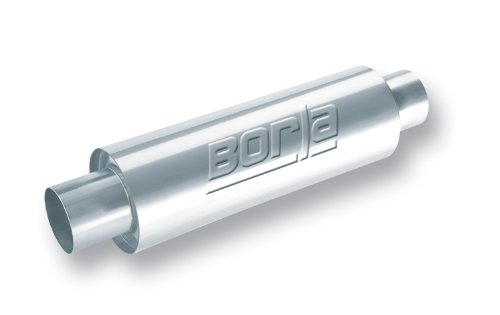
Upgrading your car’s exhaust is exciting! You might be eyeing a slick Borla system for that deep, powerful sound and improved performance. But before you stomp on the gas to truly enjoy it, you might have a question: “Does Borla exhaust have a break-in period?” It’s a common question, and understanding it can help you get the best out of your new setup. Don’t worry; it’s simpler than you think. We’ll walk you through exactly what you need to know to ensure your Borla exhaust sounds and performs its best right from the start.

Understanding the Borla Break-In Period

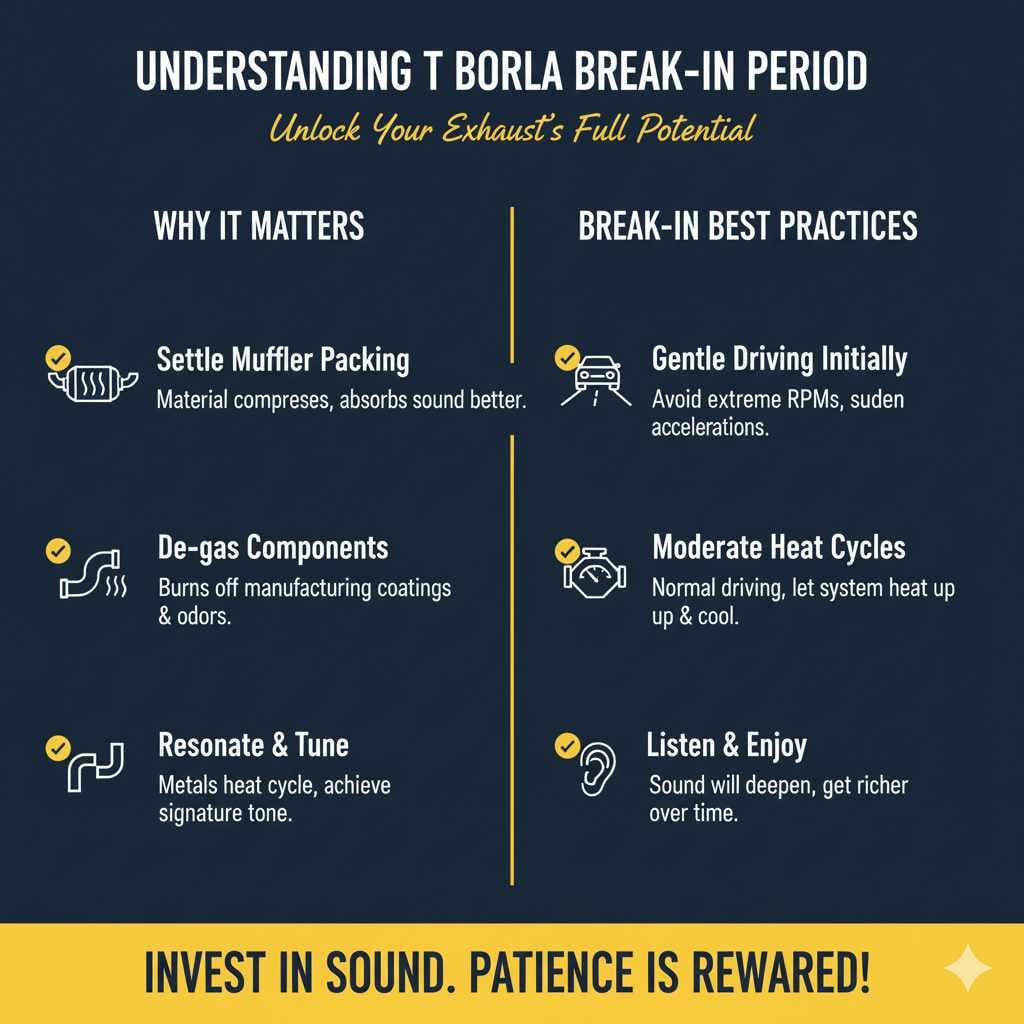
When you install a new performance exhaust system, like one from Borla, the materials are fresh. Think of it like new shoes – they need a little time to mold to your feet. For exhausts, this means the packing material inside the muffler (if applicable) and the metal components themselves need a chance to reach their optimal operating temperature repeatedly. This process helps to:

  • Settle Muffler Packing: Many performance mufflers use fiberglass or other materials to absorb sound. This material needs to heat up and compress slightly to achieve its intended acoustic properties.
  • De-gas Components: New metal parts, especially those treated with coatings or sealants, can sometimes release slight odors or fumes during the initial heating cycles. A break-in period helps to burn these off.
  • Resonate and Tune: Over a short period of normal driving, the exhaust manifold, pipes, and muffler will experience vibrations and heat cycles. This can help the entire system “tune” itself, leading to the rich, deep tone Borla is known for.

While Borla is renowned for its quality and often engineered for immediate performance gains, a gentle break-in period ensures you’re hearing and experiencing the exhaust as it was designed. It’s not about avoiding damage, but about achieving the perfect sound and maximizing the longevity of your investment.

For most Borla exhaust systems, the break-in is not an overly lengthy or complicated procedure. It’s more about what you don’t do immediately after installation, rather than a strict regimen. The goal is just to let the system experience normal operating temperatures and then some moderate heat cycles.
Understanding the Borla Break-In Period

Find out more about Exhaust Brands by exploring this related topic. How to Install Fishtail End Caps on Vance &Hines Exhaust: Easy Guide

How Long is the Borla Break-In Period?

The exact duration can vary slightly depending on the specific Borla exhaust system model and your driving style, but generally, a Borla break-in period is relatively short. Most enthusiasts and manufacturers suggest anywhere from 15 to 30 minutes of driving under varying conditions. This typically translates to about 100-200 miles of normal driving. Some sources suggest specific driving cycles, but for most people, simply driving the car normally is sufficient.

Here’s a breakdown of what that usually looks like:

  • Initial Driving (First 15-30 minutes/Few Miles): Drive moderately. Avoid aggressive acceleration or high RPMs. This allows the exhaust to reach normal operating temperatures for the first time.
  • Normal Driving (Next 100-200 miles): Continue driving as you normally would. Mix in some highway driving with city driving, if possible. This exposes the exhaust to a variety of thermal cycles and vibrations.

After about 200 miles, you should notice the exhaust tone becoming richer, deeper, and more consistent. Any initial “new pipe” smells should also dissipate.

It’s important to remember that this is not a fragile process. You don’t need to trailer your car to a track for a dedicated break-in session. Normal, everyday driving is the best way to break in a Borla exhaust.

Step-by-Step Guide to Breaking In Your Borla Exhaust

Breaking in your new Borla exhaust is straightforward. Follow these simple steps to ensure optimal performance and sound:

Step 1: Initial Start-Up and Short Drive

After your Borla exhaust system has been professionally installed (or if you installed it yourself), start the engine. Let it idle for about 5-10 minutes to allow initial gases to escape and the components to experience their first heat cycle. You might notice a unique smell during this time – this is normal and is the release of any manufacturing residues or coatings. After idling, take the car for a short, gentle drive around the block. Keep your RPMs below 3000 and avoid hard acceleration or sudden braking.

Find out more about Exhaust Brands by exploring this related topic. How to Install Two Brothers Exhaust on Ninja 650R: Easy Step-by-Step Guide

Step 2: Vary Your Driving Conditions

Once the initial idling and short drive are complete, it’s time to integrate the break-in into your regular driving. Over the next few days, aim to drive your car in a variety of conditions:

  • City Driving: This involves frequent starts, stops, and a range of RPMs.
  • Highway Driving: Sustained speeds at a consistent RPM are crucial for letting the exhaust heat up thoroughly and for longer periods.
  • Mix of Acceleration and Deceleration: Driving normally will naturally involve these, helping the system experience different stresses and heat levels.

The key here is gentle variation. You’re not trying to test the limits of your car or the exhaust; you’re simply letting the system experience its designed operational environment through normal use.

Step 3: Gradually Increase Intensity (Optional but Recommended)

After you’ve put about 100 miles on the new exhaust, you can start to gently introduce some slightly more spirited driving. This could include a few moments of moderate acceleration or reaching slightly higher RPMs (perhaps up to 4000 RPM) on a highway on-ramp. Again, avoid redlining your engine or performing aggressive launches. This step helps everything settle in perfectly.

Step 4: Enjoy Your Borla Exhaust!

By the time you hit around 200 miles, your Borla exhaust system should be fully broken in. The sound will have deepened, any initial odors will have disappeared, and you can now confidently enjoy the full performance and aggressive tone that Borla is famous for. You can now drive your vehicle as you normally would, with no reservations.

What to Expect During the Break-In Period

During the break-in process, you might notice a few things:

  • Sound Changes: The most noticeable change will be in the sound. Initially, the exhaust might sound slightly louder or rougher than its final, intended tone. As the muffler packing settles or resonators come into their own, the sound will mature into a deeper, freer-flowing, and more resonant tone.
  • Slight Odors: As mentioned, a faint, sometimes acrid smell can occur during the first few heat cycles. This is normal as manufacturing oils and protective coatings burn off. It should dissipate completely within the break-in period.
  • Performance Improvements: While many performance gains are immediate, some drivers report a slight enhancement in throttle response or a subtle increase in power as the exhaust system fully breaks in. This is often due to the exhaust flows becoming more optimized.

It’s worth noting that if you experience any excessive rattling, strange noises beyond the expected exhaust note, or persistent strong odors after 200 miles, it might be worth double-checking the exhaust installation for leaks or loose components. A reputable installer or the Borla support team can help diagnose any issues.

Find out more about Exhaust Brands by exploring this related topic. How to Install Milltek Exhaust B8 S4: Step-by-Step Easy Guide

Is a Break-In Necessary for All Borla Systems?

While it’s always recommended to follow a gentle break-in period for any new exhaust system, the necessity can vary slightly by Borla product line. Borla offers a wide range of exhaust systems:

  • Axle-Back Systems: These typically replace only the rear section of the exhaust. The break-in impact here is primarily on the muffler’s internal packing and the overall resonance.
  • Cat-Back Systems: These replace everything from the catalytic converter back. They involve more pipework and possibly resonators or secondary mufflers, so a break-in is beneficial for all these components to settle and for the full system’s acoustics to develop.
  • Header-Back Systems: These are the most comprehensive, often including headers and replacing the entire exhaust from the engine back. While headers themselves have different break-in needs (especially if they use specific coatings), the full system break-in principles still apply to the exhaust components.

Borla’s touring, S-Type, and ATAK! systems all benefit from this settling period. The ATAK! systems, being the most aggressive, might show the most dramatic improvement in tone as they break in, moving from a sharp bark to a more refined, deeper roar.

Ultimately, even if a system doesn’t strictly require a break-in to avoid damage, a short period of gentle driving helps ensure you achieve the precise sound and performance Borla engineers intended for their high-quality products. It’s a small step for a better experience.

Factors Influencing Break-In Time

While we’ve given a general guideline, a few factors can subtly influence how quickly your Borla exhaust settles in:

FactorImpact on Break-InExplanation
Muffler Design & Packing MaterialSlightly Longer Break-InSystems with dense packing material (like fiberglass) may take a bit longer to fully compress and settle compared to systems with less or different packing, or a straight-through design.
Driving HabitsVaries Break-In EffectivenessFrequent short trips where the engine doesn’t reach full operating temperature will prolong the effective break-in period. More highway driving, where exhaust systems stay hot for longer, can speed up the settling and “burning off” process.
Ambient TemperatureMinor InfluenceExtremely cold weather might mean components take slightly longer to reach and maintain optimal operating temperatures during each drive cycle.
Specific Borla SeriesSubtle DifferencesWhile the principle is the same, the specific materials and construction of touring, S-Type, or ATAK! series might lead to minute variations in how quickly their signature sound fully develops.

For most drivers, these factors are minor. The most significant element is simply allowing the exhaust system to experience typical heat cycles through normal driving. If you primarily do short city commutes, you might reach the 200-mile mark faster than if you only drive on weekends for short errands. The total miles are a good benchmark, but the number of heat cycles and time spent at operating temperature is also key.

Looking for more insights on Exhaust Brands? You may find this post valuable. How to Install Vance And Hines Exhaust: Easy Step-by-Step Guide

Tips for Installation and Break-In

Proper installation is crucial for both the performance and longevity of your Borla exhaust system, and it sets the stage for a successful break-in. Here are some tips:

  • Professional Installation: If you’re not comfortable working on exhaust systems, having it professionally installed by a reputable shop is highly recommended. They have the tools and expertise to ensure secure fitment, proper sealing, and correct alignment. Improper installation can lead to leaks, drone, or even damage to the exhaust components or your vehicle. For more on exhaust system installation best practices, resources from organizations like the Specialty Equipment Market Association (SEMA) offer valuable insights into the aftermarket industry and product installation.
  • Check for Leaks: After installation and during the first few drives, listen carefully for any hissing or puffing sounds, which can indicate exhaust leaks. A leak can diminish performance, alter the intended sound, and potentially allow harmful exhaust gases into the cabin.
  • Torque Specifications: If you are installing it yourself, always refer to the installation instructions provided by Borla. Crucially, pay attention to torque specifications for clamps and bolts. Overtightening can damage pipes or flanges, while undertightening can lead to leaks or parts coming loose.
  • Use New Hardware (When Appropriate): Sometimes, the kit will include new hardware. If not, it’s often a good idea to replace old, heavily rusted, or damaged bolts and nuts with new ones to ensure a secure connection.
  • Avoid Aggressive Driving Immediately: As we’ve discussed, go easy on the throttle in the first 100-200 miles. This isn’t just for the exhaust; it’s also good practice for any new engine components or even just to let parts settle.

By following these tips, you’ll ensure your Borla exhaust is correctly installed and ready for a smooth break-in, leading to years of enhanced sound and performance.

Find out more about Exhaust Brands by exploring this related topic. How to Install Two Brothers Exhaust Vulcan S: Easy Step-by-Step Guide

Troubleshooting Common Break-In Issues

Most Borla installations go smoothly, but occasionally, you might encounter minor issues. Here’s how to address them:

IssuePossible CauseSolution
Unusual Odor Persists Beyond 200 MilesIncomplete Burn-off of Manufacturing ResiduesContinue driving normally. Ensure you are getting regular, longer drives that allow the exhaust to reach full temperature. If it persists for hundreds of miles more, contact Borla customer support or your installer.
Rattling or Buzzing SoundsLoose Hangers, Clamps, or Heat ShieldsCarefully inspect all hangers, clamps, and heat shields. Tighten any loose components. Sometimes, a heat shield might be lightly touching another exhaust component or the vehicle chassis. Re-adjust or ensure proper clearance per installation instructions.
Exhaust Leaks (Hissing/Puffing)Improperly Sealed Connections, Cracked Flanges, or Damaged GasketsCheck all slip-fit connections, flange bolts, and gasket areas. Ensure clamps are tight and connections are properly seated. If a pipe or flange appears damaged, it may need replacement. Borla quality is high, so damage usually arises from installation rather than manufacturing defects. For leak detection basics, check out resources on automotive exhaust system diagnostics.
Drone or Excessive Interior NoiseSystem Not Fully Settled, or Resonance IssuesThis can be normal for some aggressive exhaust systems, but if it’s worse than expected or unpleasant, continue the break-in process as the sound can change. If it persists and is unbearable, consult the tuning guides for your specific Borla model or contact Borla’s technical support for advice on potential fixes or adjustments, as some systems may benefit from resonator tuning.
“New” or “Off” Sound That Doesn’t DeepenMuffler Packing Not Seating ProperlyThis is less common with Borla but could happen. Ensure the system is correctly installed according to the manual. If the sound remains unusually thin or tinny after 200 miles, contact your installer or Borla.

Remember, the Borla brand is synonymous with premium quality. Most issues encountered are typically related to installation rather than a defect in the exhaust system itself. Patience during the break-in period is key!

Why a Break-In Matters for Sound Quality

Borla exhausts are celebrated for their distinct sound profiles – a refined, aggressive tone that balances performance with a premium feel. This signature sound is what enthusiasts seek, and the break-in period plays a crucial role in achieving it. Here’s how it affects sound:

  • Muffler Packing: Many Borla systems, especially those designed for significant sound modification, contain internal packing materials. This material is often a high-temperature fiberglass or metallic wool. When new, this packing can be somewhat loose. As the exhaust heats up through normal driving, the packing material experiences thermal expansion and contraction cycles. This causes it to compress slightly and settle into its optimal density. A properly settled packing material is more effective at absorbing unwanted frequencies, allowing the desired deeper, throatier notes to resonate more clearly.
  • Resonator and Chamber Tuning: Exhaust systems contain chambers and resonators designed to manipulate sound waves. Over time and with heat cycles, the metal within these components will expand and vibrate in tune with the exhaust flow. This “settling” process can refine the resonance, reducing any harshness or raspiness and enhancing the tonal richness. Think of it as an instrument – it often sounds its best after being played a bit.
  • Reduced Rasp and Drone: While Borla aims to minimize unwanted noise, a new system might exhibit a bit more rasp or even a slight drone at certain RPMs initially. The break-in period helps to smooth these out, leading to a cleaner, more consistent exhaust note that is enjoyable both inside and outside the vehicle.
  • The “Borla Growl”: The distinctive, aggressive yet refined sound that Borla is known for truly blossoms after the system has been through its initial heat cycles. It’s that perfect blend of a powerful exhaust note under acceleration and a controlled, civilized tone during cruising.

So, while the performance gains might be there from the moment you install a Borla exhaust, the auditory experience is one that truly matures and reaches its peak after this short break-in period. It’s the final polish that makes the upgrade truly satisfying.

Why a Break-In Matters for Sound Quality

Frequently Asked Questions (FAQ)

Here are some common questions beginner car owners have about breaking in their Borla exhaust systems:

Q1: Will my new Borla exhaust sound different after the break-in period?

A1: Yes, you will likely notice a difference. The sound will generally become deeper, more resonant, and richer. Any initial harshness or “new pipe” sound should mellow out.

Q2: Can I damage my Borla exhaust if I don’t break it in properly?

A2: It’s highly unlikely to cause permanent damage by not following an exact break-in procedure. However, a proper break-in ensures you get the optimal sound and performance Borla designed for the system. Driving too aggressively right away might slightly alter the packing material’s settling.

Q3: Do I need to change my oil after breaking in my exhaust?

A3: No, changing your oil is not necessary for breaking in an exhaust system. The break-in process primarily affects the exhaust components themselves, not the engine oil.

Q4: What if I have a Borla exhaust with no muffler (straight pipes)? Does it need a break-in?

A4: While straight-pipe systems have less internal packing to settle, the metal components still benefit from experiencing heat cycles. The sound might mature slightly, and any manufacturing residues will burn off. The break-in for these systems is typically even less critical, but gentle driving initially is still a good idea.

Q5: How soon after installation can I drive my car normally?

A5: You can drive your car normally after the initial 15-30 minute idle and short drive. The full “break-in” period extends over the first 100-200 miles of mixed driving, but you don’t need to baby the car for that entire duration.

Q6: Is it okay to tow with my Borla exhaust during the break-in period?

A6: It’s best to avoid heavy towing, especially in the very first 100 miles, if possible. Towing puts extra strain on the engine and exhaust, generating higher and more sustained temperatures. Stick to normal driving for the initial break-in phase.

Q7: My Borla exhaust is making a strange popping sound on deceleration. Is this normal?

A7: Some mild popping or burbling on deceleration can be normal for performance exhausts, especially during the break-in phase or under specific engine conditions. However, if it sounds like backfiring, is excessively loud, or occurs constantly, it might indicate an air-fuel mixture issue or a leak. Consult your installer if you’re concerned.

Conclusion

Upgrading to a Borla exhaust system is a fantastic way to enhance your vehicle’s sound and performance. As we’ve explored, while Borla systems are built for immediate impact, a gentle break-in period of around 100-200 miles of normal driving is highly beneficial.

This short process helps the muffler packing settle, allows new materials to fully acclimate, and refines the exhaust note to its intended deep, aggressive, and premium tone. By following the simple steps of initial idling, varied driving, and avoiding extreme conditions early on, you ensure your investment performs and sounds its absolute best for years to come. Monitor for any unusual signs, but trust that with proper installation and a little patience, your Borla exhaust will deliver the exhilaration you expect. Enjoy the drive!

Similar Posts